
Collection: Glue Down Flooring
Compare glue down flooring in vinyl and engineered hardwood for a floor bonded to a prepared subfloor. Explore wood looks, genuine wood surfaces and different profiles for your project. Check the installation instructions, adhesive requirements and substrate conditions to choose the right combination of floor and method.
-
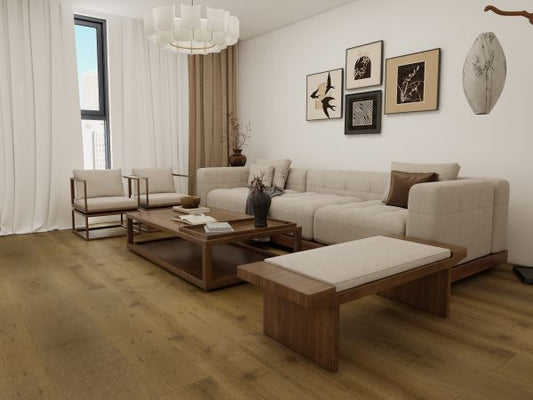
Woodscrape Rustic Reviva 3mm 14mm 7.5x75 | United Weavers / Caspar Flooring Direct
Vendor:United Weavers$6.99 / sq. ft. $217.39 per carton · 31.09 sq. ft. / carton14.0mm3mil7.5x75Sale -
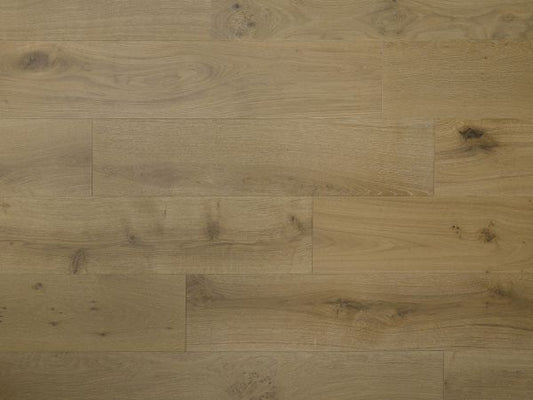
Woodscrape Grain & Glow 3mm 14mm 7.5x75 | United Weavers / Caspar Flooring Direct
Vendor:United Weavers$7.00 / sq. ft. $217.54 per carton · 31.09 sq. ft. / carton14.0mm3mil7.5x75Sale -
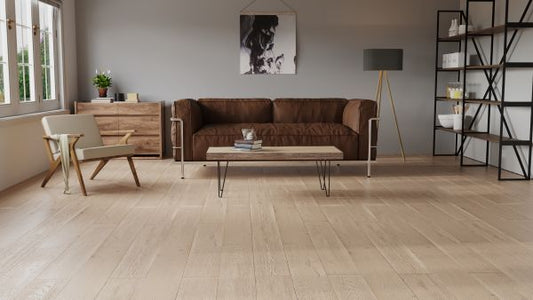
Woodscrape Timber Touch 3 mil 14mm 7.5x75 | United Weavers / Caspar Flooring Direct
Vendor:United Weavers$6.69 / sq. ft. $207.99 per carton · 31.09 sq. ft. / carton14.0mm3mil7.5x75Sale -
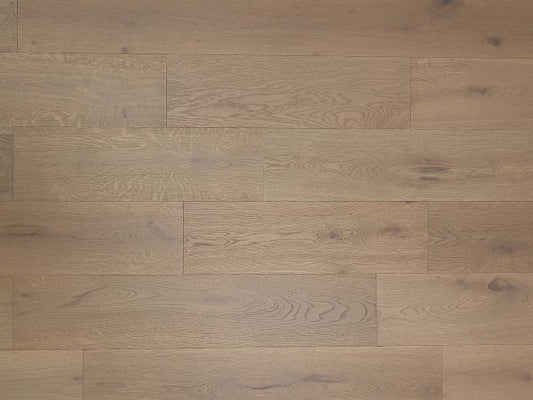
Woodscrape Whispering Woods 3mm 14mm 7.5x75 | United Weavers / Caspar Flooring Direct
Vendor:United Weavers$7.00 / sq. ft. $217.50 per carton · 31.09 sq. ft. / carton14.0mm3mil7.5x75Sale -
Woodscrape Cedar Charm 3mm 14mm 7.5x75 | United Weavers / Caspar Flooring Direct
Vendor:United Weavers$7.00 / sq. ft. $217.50 per carton · 31.09 sq. ft. / carton14.0mm3mil7.5x75Sale -
Woodscrape Rustic Pine 3 mil 14mm 7.5x75 | United Weavers / Caspar Flooring Direct
Vendor:United Weavers$6.99 / sq. ft. $217.39 per carton · 31.09 sq. ft. / carton14.0mm3mil7.5x75Sale -
Timber Fusion Rustic Elegance 2m 1/2” 7.5x75 | Caspar Flooring Direct
Vendor:United Weavers$6.30 / sq. ft. $195.73 per carton · 31.09 sq. ft. / carton13.0mm2mil7.5x up to 74.8Sale -
Woodscrape Serenity 3 mil 14mm 7.5x75 | United Weavers / Caspar Flooring Direct
Vendor:United Weavers$6.99 / sq. ft. $217.39 per carton · 31.09 sq. ft. / carton14.0mm3mil7.5x75Sale -
Active Spaces - Riviera Beach | 20 mil 2.5mm 7.25x48 Glue Down LVP | Aperion
Vendor:Aperion$2.28 / sq. ft. $110.00 per carton · 48.34 sq. ft. / carton2.5mm20mil7x48 -
Active Spaces - Reno | 20 mil 2.5mm 7.25x48 Glue Down LVP | Aperion
Vendor:Aperion$2.28 / sq. ft. $110.00 per carton · 48.34 sq. ft. / carton2.5mm20mil7x48 -
Timber Fusion Urban Grain 2m 1/2” 7.5x75 | Caspar Flooring Direct
Vendor:United Weavers$6.30 / sq. ft. $195.77 per carton · 31.09 sq. ft. / carton13.0mm2mil7.5x75Sale -
Timber Fusion Natures Craft 2m 1/2” 7.5x75 | Caspar Flooring Direct
Vendor:United Weavers$6.10 / sq. ft. $189.50 per carton · 31.09 sq. ft. / carton13.0mm2mil7.5x up to 74.8Sale -
VaccuBond LVT Light Commercial Starboard 2.5mm 12mil 9x48
Vendor:VaccuBond LVT$3.89 / sq. ft. $140.00 per carton · 36.0 sq. ft. / carton2.5mm12mil9x48 -
VaccuBond LVT Light Commercial Rustic Olive 2.5mm 12mil 9x48
Vendor:VaccuBond LVT$3.89 / sq. ft. $140.00 per carton · 36.0 sq. ft. / carton2.5mm12mil9x48 -
VaccuBond LVT Light Commercial Granite Grey 2.5mm 12mil 9x48
Vendor:VaccuBond LVT$3.89 / sq. ft. $140.00 per carton · 36.0 sq. ft. / carton2.5mm12mil9x48 -
Rockwell Bradford 30mil 3mm 12x24 Tile Look LVT | Infinity Floors
Vendor:Infinity Floor$2.13 / sq. ft. $64.00 per carton · 30.03 sq. ft. / carton3.0mm30mil12x24
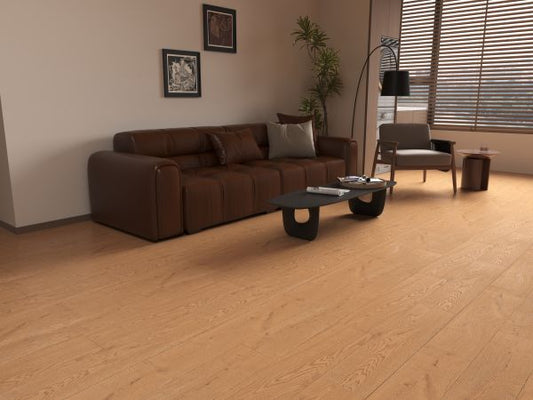
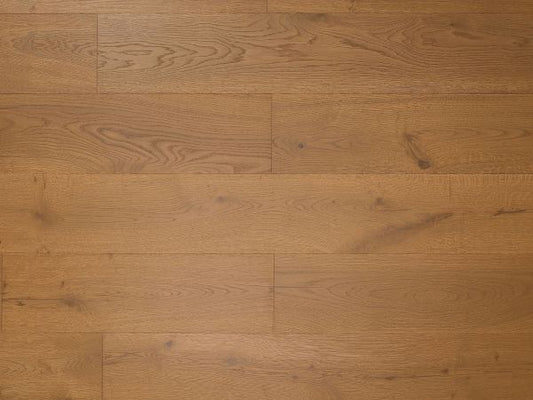
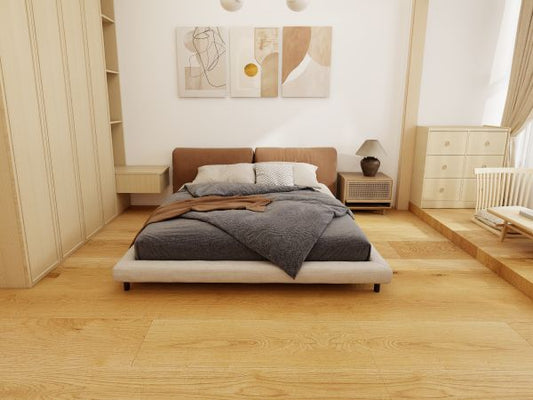
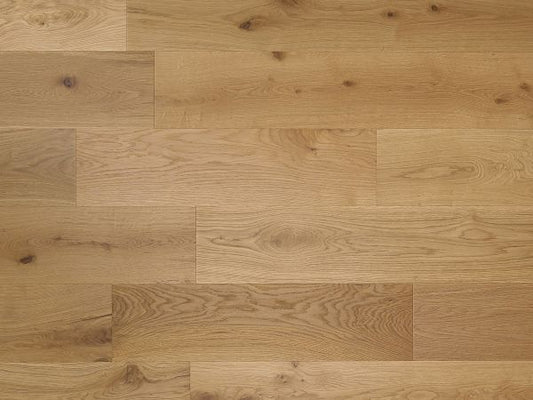

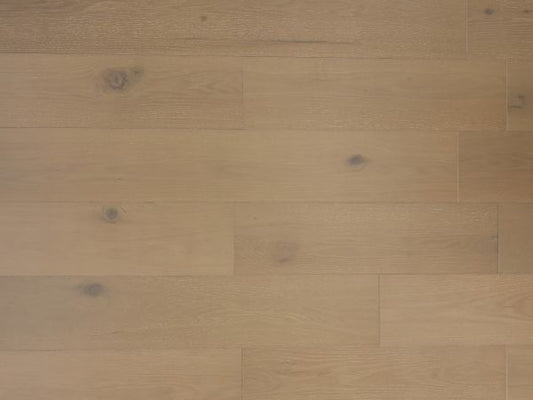
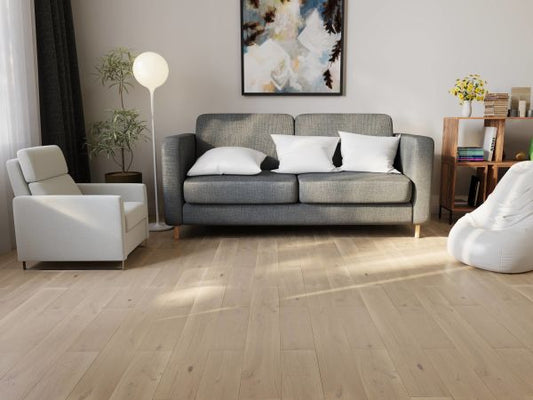
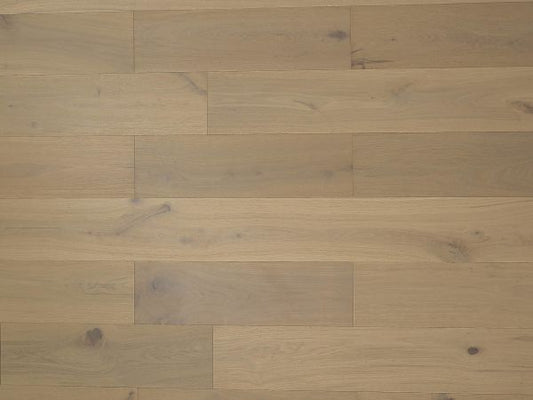
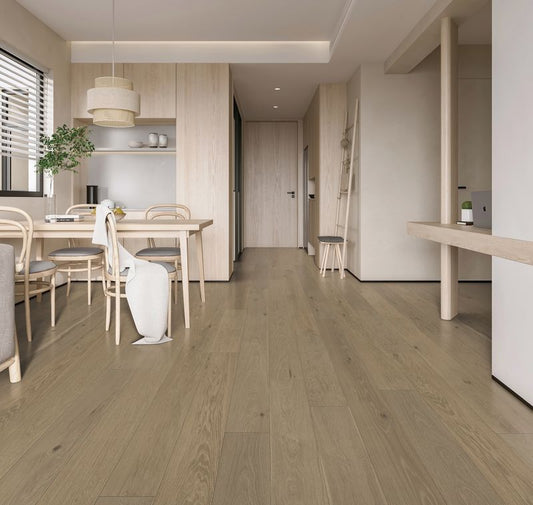
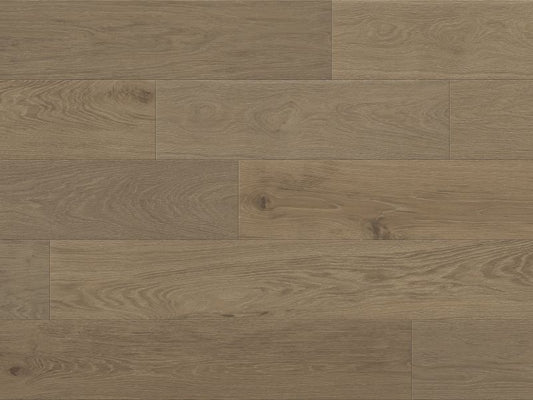
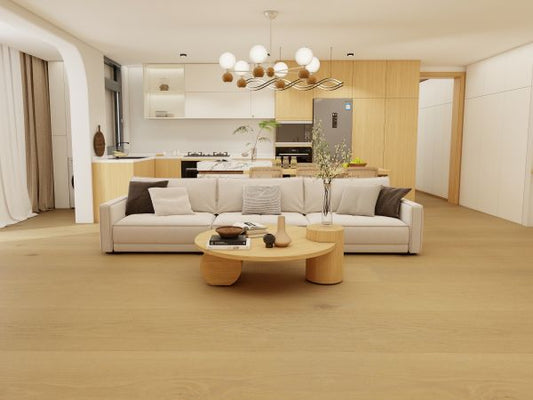



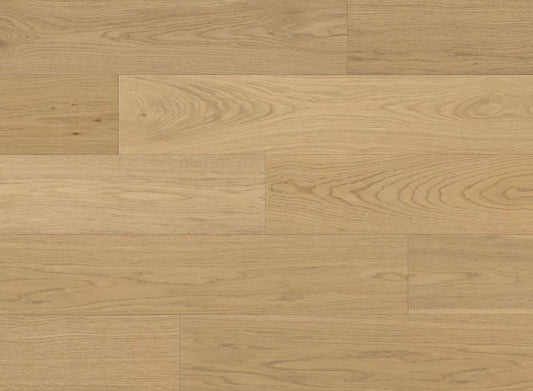
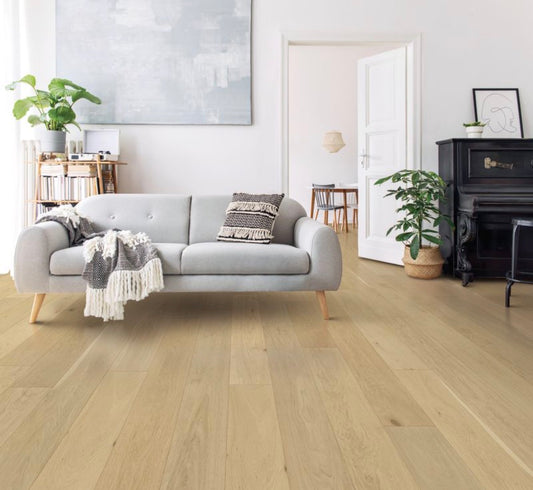
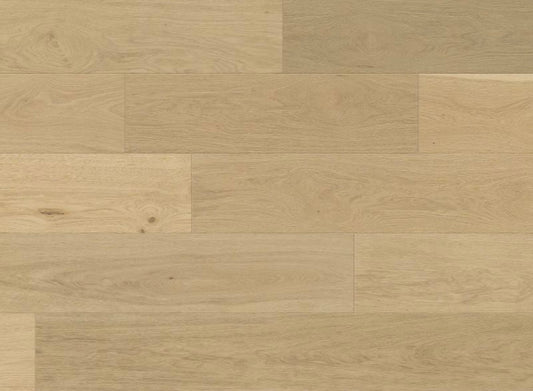


Glue Down Flooring
Glue down flooring is installed with an adhesive system that bonds the flooring to a suitable, prepared substrate. The term describes an installation method rather than one material. Vinyl and engineered hardwood can both be offered with approved glue down instructions, but their construction and preparation requirements differ.
This collection brings together selected glue down vinyl and engineered hardwood options. Compare the surface you want, the finished height you need and the conditions beneath the floor. An attractive product becomes a practical choice when its adhesive system, substrate and intended room are considered together.
What Is Glue Down Flooring?
Glue down installation uses adhesive to attach the floor to the substrate. The adhesive type, application, working time and required substrate conditions depend on the exact flooring system. They should be selected from the product's installation guidance.
A floor should only be installed this way when its instructions permit it. A click system does not automatically become an adhesive system because a shopper prefers glue down. Likewise, a product with more than one approved method still needs the correct instructions for the chosen approach.
For vinyl options, explore glue down luxury vinyl plank flooring. Check thickness, wear layer, dimensions and adhesive requirements alongside the decorative surface.
Glue Down Vinyl Flooring
Glue down vinyl commonly uses a flexible plank or tile format. Its decorative surface may create a wood inspired appearance or a different design, while the protective wear layer is measured separately from total thickness.
The surface should be compared by wear layer, coating and permitted application. Total thickness determines part of the profile but does not alone establish durability. Read both measurements so a low profile floor is not confused with a thin protective surface.
Flexible flooring relies on appropriate substrate preparation. Irregularities can affect the finished appearance, so flatness and smoothness should be evaluated before installation. Adhesive does not eliminate the need to correct an unsuitable surface.
Glue Down Engineered Hardwood
Engineered hardwood provides a genuine wood surface over supporting layers. Selected products permit adhesive installation, while others may use different or additional methods. Confirm the exact board's instructions rather than assuming all engineered wood can be glued down.
Compare glue down engineered hardwood flooring by species, veneer, total thickness, finish and dimensions. These characteristics affect the appearance and specification independently of the installation method.
Wood requires a suitable indoor environment as well as an approved substrate. Follow the product's temperature, humidity and preparation requirements. Adhesive installation does not remove the need to manage conditions that affect a genuine wood floor.
Glue Down Flooring Versus Floating Flooring
A floating floor is assembled as a system that is not bonded across its full area to the substrate. Glue down flooring uses a specified adhesive connection. The two methods have different requirements for movement, accessories and installation.
Compare floating flooring when evaluating alternative installation systems. A decision should account for the subfloor, room, floor height and exact product rather than assuming one method is always better.
Both methods need a prepared surface. Floating construction is not permission to ignore flatness, and adhesive construction is not a cure for moisture problems. Ask the installer to evaluate the requirements of each suitable system before choosing.
Installing Glue Down Flooring Over Concrete
Concrete should be assessed for moisture, surface condition, flatness and cleanliness. The floor and adhesive instructions determine the required testing and preparation. A dry looking slab does not prove that it meets those limits.
Existing coatings, curing compounds or adhesive residues may affect bonding. The substrate should be evaluated and prepared using methods permitted by the installation system. Do not assume that applying more adhesive will overcome an unsuitable surface.
For a below grade application, compare glue down LVP for concrete basements. Product approval, moisture conditions and the selected adhesive system should all be confirmed before installation.
Glue Down Flooring for Offices and Business Projects
An adhesive installed floor may be considered for offices, shops and property projects where the product permits the application. Selection should include traffic, furniture, rolling equipment and the business's cleaning routine.
Explore glue down LVT for offices when evaluating a workspace. Confirm any protection required beneath task chairs and furniture, and check the exact product's permitted loads and use.
The installation schedule should include substrate preparation and the adhesive system's instructions before furniture or traffic returns. Do not assume every floor can be used immediately after the last piece is laid. The actual timing must come from the materials selected for the project.
Plank and Tile Formats
Glue down flooring is available in different dimensions and visual styles. Wood inspired planks can create a repeated board layout, while tile formats can provide a different rhythm and surface design.
Compare 30 mil 3mm 12 by 24 inch tile look LVT for a focused tile format specification. Wear layer, total thickness and dimensions answer separate questions about the product.
Layout should be planned before adhesive application begins. Starting positions, cut sizes and doorway alignment influence the finished appearance. Follow the directions for seams, spacing and permitted patterns rather than adapting a layout from another type of flooring.
Adhesive Selection and Installation Planning
A compatible adhesive is part of the flooring system. Confirm the approved product, substrate suitability and application instructions with the installer. Hardwood and vinyl may require different systems even when both are described as glue down.
Instructions may specify a trowel, working time, rolling procedure or other installation steps. Use the guidance for the exact system rather than a general rule taken from a different product. Conditions in the room can also influence the process.
Prepare the work area so materials, access and environmental conditions support the installation. Include time for correcting the substrate and checking the completed work. A thoughtful schedule is more useful than choosing a method only because it appears fast.
Finished Floor Height and Transitions
Glue down products can offer different profiles. A low profile vinyl and a thicker engineered hardwood board may both use adhesive but create very different finished heights. Compare the complete assembly at doors and adjoining rooms.
Check appliance clearance, stair details, transition profiles and fixed cabinetry before ordering. The installer should verify how the chosen system meets adjacent tile, carpet or wood. Similar colors do not solve a height difference.
Include any substrate correction in the plan. Leveling or preparation materials can change the assembly and need their own compatibility checks. Treat floor height as an installation detail rather than relying only on the plank's stated thickness.
Repairs, Care and Ordering
Individual repairs may be possible with some adhesive installed systems, but the process depends on the product, bond and substrate. Avoid assuming that every damaged piece can be removed or replaced easily without affecting nearby flooring.
Retain suitable spare material where practical and record the flooring and adhesive details. Later availability and visual matches can change. A clear project record helps an installer assess a repair or alteration.
For everyday care, remove abrasive grit and use approved cleaners. Protect furniture contact points and follow the product's moisture directions. Waterproof vinyl materials do not protect an unprepared slab or make the adhesive system suitable for unlimited water exposure.
Frequently Asked Questions
What is glue down flooring?
It is flooring installed with an approved adhesive system that bonds it to a suitable substrate. The term describes the method and can apply to selected vinyl and hardwood products.
Can engineered hardwood be glued down?
Selected engineered hardwood products permit glue down installation. Confirm the exact board's instructions, compatible adhesive, substrate conditions and indoor environmental requirements.
Is glue down vinyl waterproof?
A product may have waterproof vinyl materials, but that does not make the complete installation watertight. Follow the floor and adhesive requirements for moisture, seams and substrate preparation.
Can glue down flooring go over concrete?
It can when the product and adhesive approve the application and the slab meets their requirements. Moisture testing, surface preparation and flatness should be confirmed first.
Is glue down flooring better than floating flooring?
Neither method is automatically better for every project. Compare the suitable products against the subfloor, room, finished height, preparation requirements and intended use.
How long before I can use a glue down floor?
Follow the exact flooring and adhesive instructions for traffic and furniture placement. Timing depends on the selected system and installation conditions, so there is no universal waiting period.
Explore related flooring
Browse related flooring collections, brands and styles before making your final choice.