
Collection: 30 Mil 3mm 12x24 Tile-Look LVT
Shop 30 mil 3mm 12x24 tile-look LVT with stone-inspired rectangular tiles, heavy-duty wear protection, and low-profile resilient construction. Compare colors, adhesives, commercial warranties, and installation requirements.
-
Rockwell Bradford 30mil 3mm 12x24 Tile Look LVT | Infinity Floors
Vendor:Infinity Floor$2.13 / sq. ft. $64.00 per carton · 30.03 sq. ft. / carton3.0mm30mil12x24 -
Rockwell Hudson 30mil 3mm 12x24 Tile Look LVT | Infinity Floors
Vendor:Infinity Floor$2.13 / sq. ft. $64.00 per carton · 30.03 sq. ft. / carton3.0mm30mil12x24 -
Rockwell Somerset 30mil 3mm 12x24 Tile Look LVT | Infinity Floors
Vendor:Infinity Floor$2.13 / sq. ft. $64.00 per carton · 30.03 sq. ft. / carton3.0mm30mil12x24 -
Rockwell Bennett 30mil 3mm 12x24 Tile Look LVT | Infinity Floors
Vendor:Infinity Floor$2.13 / sq. ft. $64.00 per carton · 30.03 sq. ft. / carton3.0mm30mil12x24


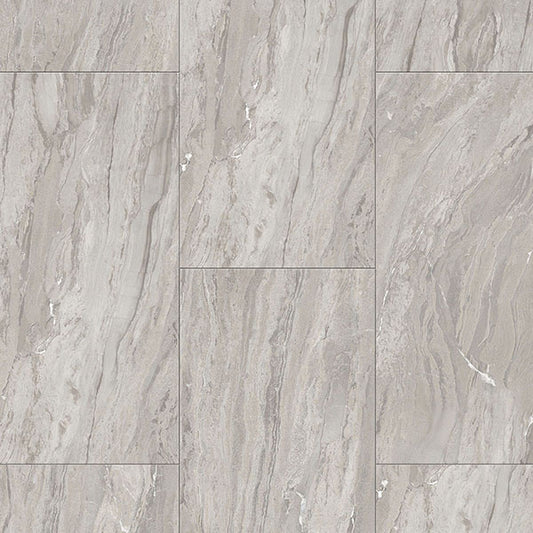


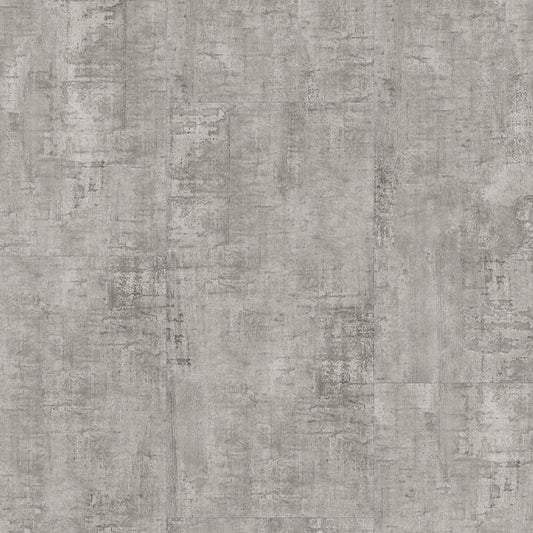
30 Mil 3mm 12x24 Tile-Look LVT
Thirty mil 3mm 12x24 tile-look LVT combines rectangular stone-inspired visuals with a heavy-duty wear layer and low-profile resilient construction.
The specifications describe separate product characteristics:
- 30 mil refers to the protective wear layer.
- 3mm refers to the total flooring thickness.
- 12x24 refers to the nominal tile width and length.
Always verify exact measurements, installation method, and warranty information before purchasing.
What Is Tile-Look LVT?
Tile-look luxury vinyl tile is designed to recreate the appearance of materials such as:
- Natural stone
- Limestone
- Concrete
- Slate
- Travertine
- Ceramic tile
Unlike actual stone or ceramic, LVT uses resilient vinyl construction. Its appearance and performance vary by manufacturer and product.
Benefits of 12x24 LVT
The 12-by-24-inch rectangular format is widely associated with contemporary tile installations. Potential design benefits include:
- Modern proportions
- Fewer seams than smaller tiles
- Straight or offset layouts
- Stone-inspired appearance
- Suitability for large and compact rooms
- Easier handling than many rigid tiles
The product does not necessarily use grout, so layout and seam appearance should be evaluated using samples.
Understanding the 30 Mil Wear Layer
A 30 mil wear layer contains substantial protective material above the printed visual. It may be attractive for high-traffic residential or approved commercial applications.
Overall durability also depends on:
- Surface coating
- Stain resistance
- Finish texture
- Product construction
- Adhesive
- Substrate preparation
- Maintenance
- Warranty coverage
A 30 mil wear layer does not make the surface scratch-proof or eliminate the need for protection beneath furniture.
Potential Applications
Depending on manufacturer approval, 30 mil 3mm tile-look LVT may be considered for:
- Kitchens
- Dining areas
- Entryways
- Offices
- Retail interiors
- Reception areas
- Apartments
- Rental properties
- Selected commercial spaces
- Contemporary residential renovations
Verify approval for bathrooms, wet areas, commercial kitchens, healthcare environments, and other specialized applications.
Tile-Look LVT vs Ceramic Tile
Tile-look LVT and ceramic tile offer different characteristics.
LVT may provide:
- Warmer underfoot feel
- Lower finished-floor profile
- Resilient construction
- Easier cutting and handling
- No conventional grout where designed without it
- Individual tile replacement
Ceramic or porcelain may provide:
- Hard mineral construction
- Different heat and moisture performance
- Traditional grout joints
- Different scratch and indentation characteristics
- Suitability for applications not approved for LVT
The better choice depends on the room, substrate, traffic, moisture, and design goals.
Subfloor and Adhesive Requirements
Thin tile-look LVT requires careful preparation. The substrate generally needs to be:
- Flat
- Smooth
- Clean
- Dry
- Structurally sound
- Free from contaminants
- Within specified moisture limits
Cracks, ridges, adhesive residue, and uneven patches may become visible through the finished floor.
Layout Considerations
Before installation, plan:
- Tile direction
- Offset pattern
- Perimeter cuts
- Transitions
- Doorways
- Pattern repetition
- Visual balance
- Required waste
Some manufacturers restrict certain offset patterns, so follow the product instructions.
Frequently Asked Questions
What does 30 mil 3mm 12x24 mean?
It means the product has a 30 mil wear layer, 3mm total thickness, and nominal 12-by-24-inch tiles.
Does tile-look LVT require grout?
Many products are installed without conventional grout, but the exact installation method must be verified.
Is 30 mil tile-look LVT commercially rated?
It may be, but commercial approval and warranty coverage must be confirmed for the specific product.
Can 3mm tile-look LVT be installed over concrete?
Many products may be installed over prepared concrete after meeting all moisture, flatness, adhesive, and substrate requirements.
Is tile-look LVT the same as ceramic tile?
No. LVT uses resilient vinyl construction, while ceramic tile is a hard fired material.
Can a damaged LVT tile be replaced individually?
A qualified installer can often remove and replace an individual glued tile.
Compare Related Flooring Options
Compare this adhered tile format with rigid core options in luxury vinyl tile flooring. For a wider comparison across vinyl constructions and installation methods, explore waterproof vinyl flooring.
Explore related options in Shop All Vinyl Flooring and 30 Mil Vinyl Plank Flooring.
Explore related flooring
Browse related flooring collections, brands and styles before making your final choice.