
Collection: SLCC Flooring
Find SLCC flooring for the look and feel you want at home. Compare engineered and solid hardwood, waterproof SPC and WPC, and laminate by construction, thickness and plank size. Explore natural wood character alongside practical wood-look options for everyday living.
-
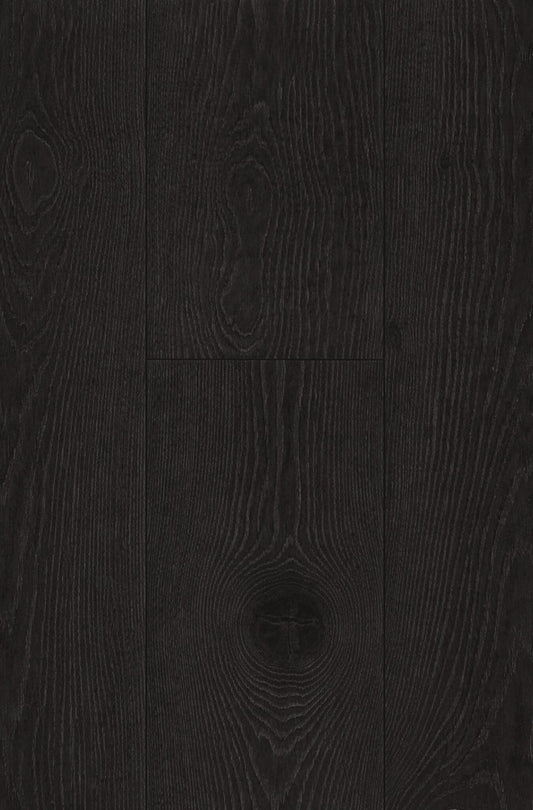
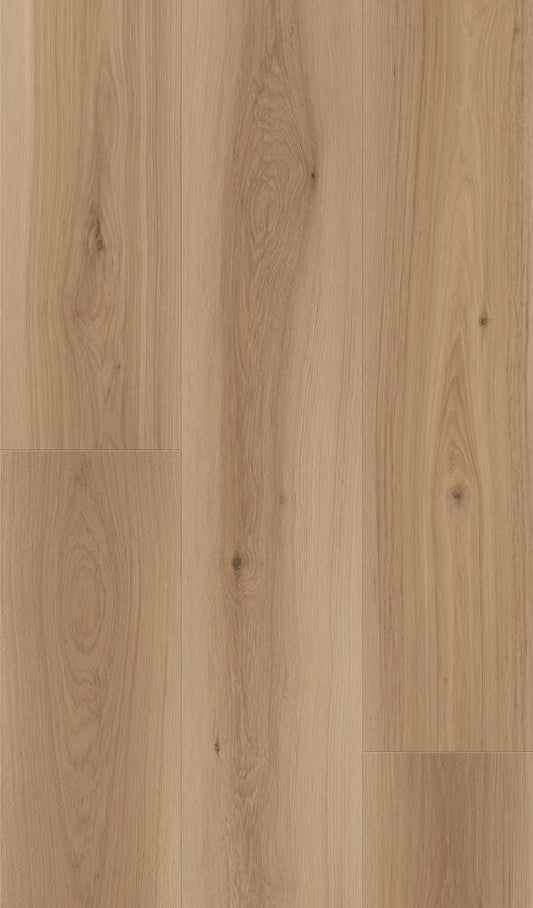
Villa Castle - Hearst | 4mm 3/4” 10.25x96RL European Oak Engineered Hardwood | SLCC
Vendor:SLCC Flooring$11.29 / sq. ft. $303.40 per carton · 26.87 sq. ft. / carton19.0mm10.25x96RL -
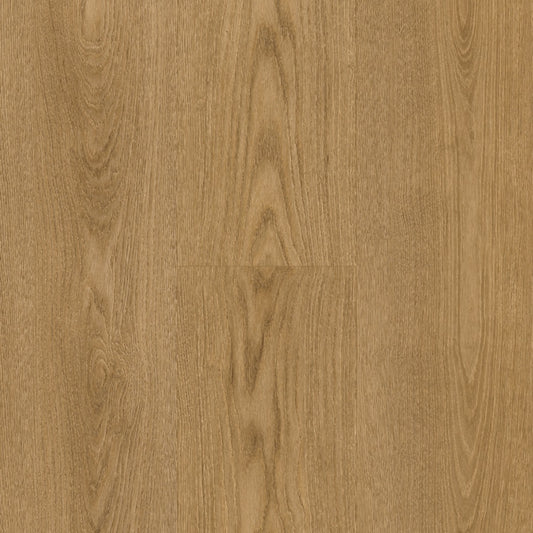
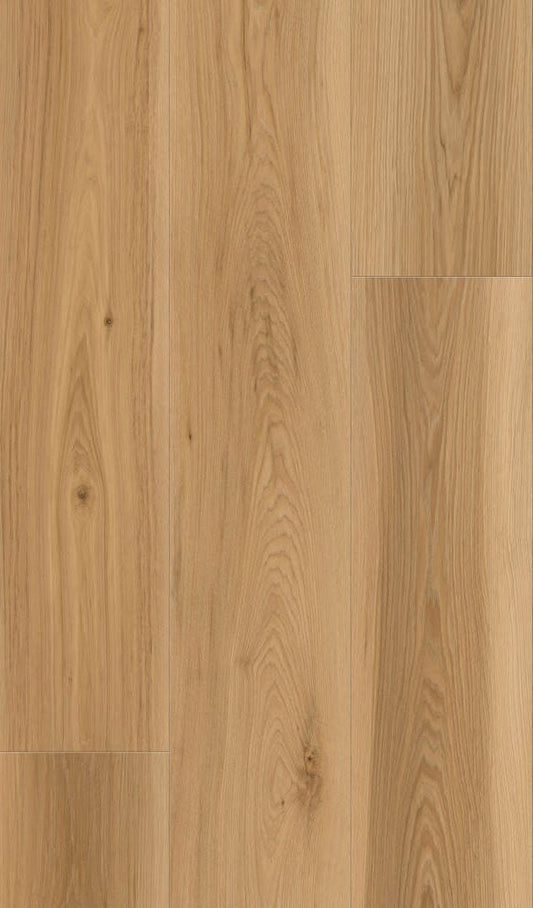
Quiet Cloud - Haven | 30mil 9.1mm 9.25x72 SPC Vinyl Plank | SLCC
Vendor:SLCC Flooring$4.99 / sq. ft. $115.60 per carton · 23.15 sq. ft. / carton9.1mm30mil9.25x72 -
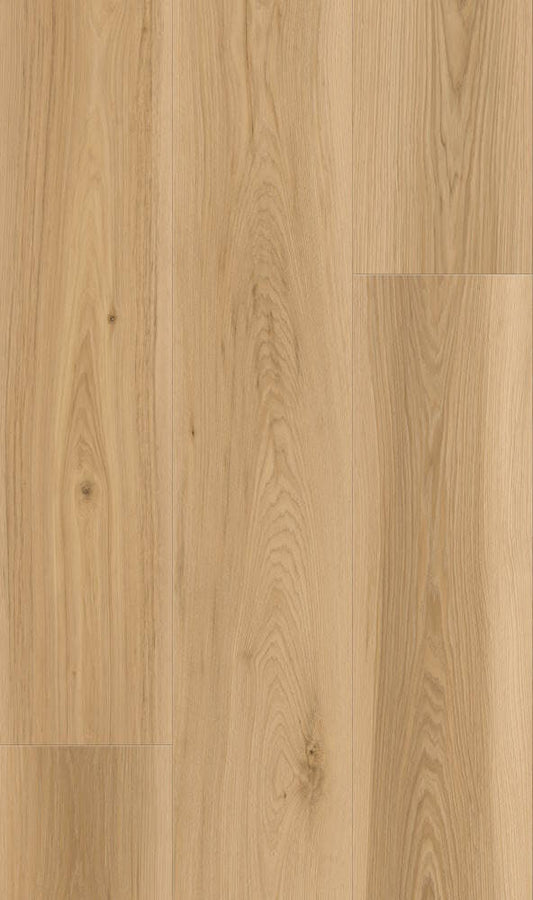
Quiet Cloud - Serenity | 30mil 9.1mm 9.25x72 SPC Vinyl Plank | SLCC
Vendor:SLCC Flooring$4.99 / sq. ft. $115.60 per carton · 23.15 sq. ft. / carton9.1mm30mil9.25x72 -
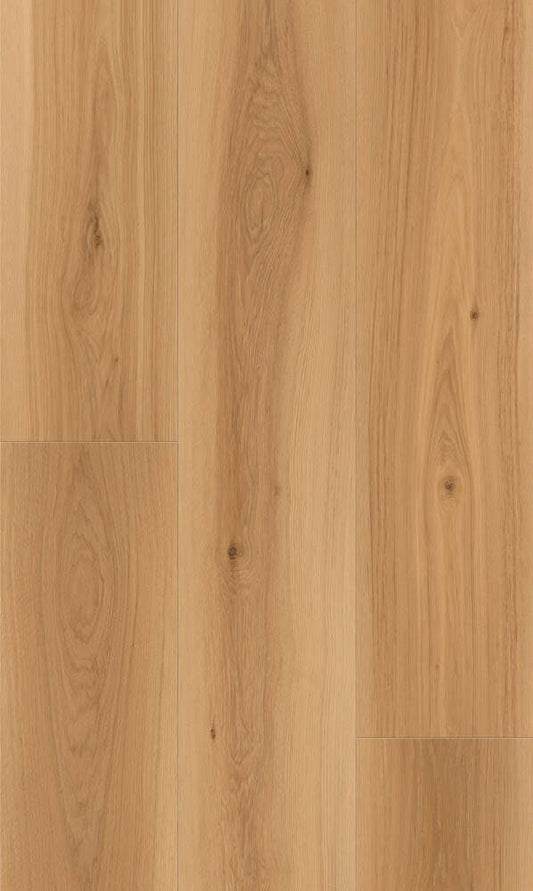
Quiet Cloud - Repose | 30mil 9.1mm 9.25x72 SPC Vinyl Plank | SLCC
Vendor:SLCC Flooring$4.99 / sq. ft. $115.60 per carton · 23.15 sq. ft. / carton9.1mm30mil9.25x72 -
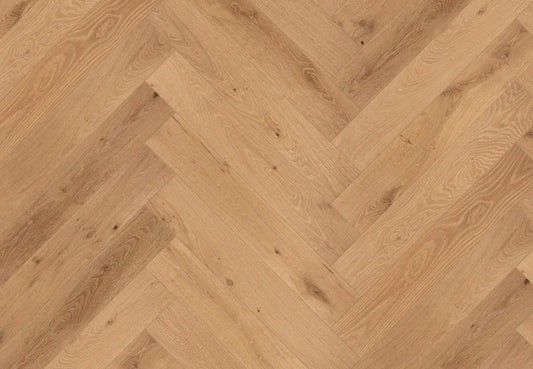
Herringbone - Chambers | 3mm 6x36 5/8” | European Oak Engineered Hardwood | SLCC Flooring
Vendor:SLCC Flooring$13.89 / sq. ft. $161.50 per carton · 11.63 sq. ft. / carton6x36 -
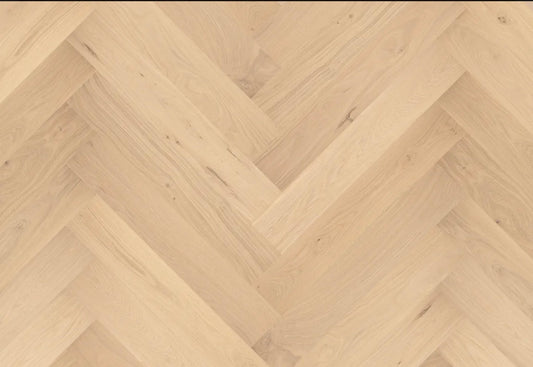
Herringbone - Aurora | 3mm 6x36 5/8” | European Oak Engineered Hardwood | SLCC Flooring
Vendor:SLCC Flooring$13.89 / sq. ft. $161.50 per carton · 11.63 sq. ft. / carton6x36 -
Westwind Premium - Wimberley | 3/8” 1.5mm 7.5x84RL Engineered Hardwood | SLCC Flooring
Vendor:SLCC Flooring$5.79 / sq. ft. $199.00 per carton · 34.36 sq. ft. / carton9.5mm7.5x84RL -
Westwind Premium - Bandera | 3/8” 1.5mm 7.5x84RL Engineered Hardwood | SLCC Flooring
Vendor:SLCC Flooring$5.94 / sq. ft. $204.00 per carton · 34.36 sq. ft. / carton9.5mm7.5x84RL -
Quiet Cloud - Muse | 30mil 9.1mm 9.25x72 SPC Vinyl Plank | SLCC
Vendor:SLCC Flooring$4.99 / sq. ft. $115.60 per carton · 23.15 sq. ft. / carton9.1mm30mil9.25x72 -
Altus - Aura | AC5 10mm 9.37x72 Laminate | SLCC
Vendor:SLCC Flooring$3.49 / sq. ft. $98.31 per carton · 28.13 sq. ft. / carton10.0mm9.37x72 -
Altus - Altevia | AC5 10mm 9.37x72 Laminate | SLCC
Vendor:SLCC Flooring$3.49 / sq. ft. $98.31 per carton · 28.13 sq. ft. / carton10.0mm9.37x72 -
Altus - Altero | AC5 10mm 9.37x72 Laminate | SLCC
Vendor:SLCC Flooring$3.49 / sq. ft. $98.31 per carton · 28.13 sq. ft. / carton10.0mm9.37x72 -
Altus - Alevo | AC5 10mm 9.37x72 Laminate | SLCC
Vendor:SLCC Flooring$3.49 / sq. ft. $98.31 per carton · 28.13 sq. ft. / carton10.0mm9.37x72 -
Villa Castle - Westminster | 4mm 3/4” 10.25x96RL European Oak Engineered Hardwood | SLCC
Vendor:SLCC Flooring$11.29 / sq. ft. $303.40 per carton · 26.87 sq. ft. / carton19.0mm10.25x96RL -
Villa Castle - Sagrada | 4mm 3/4” 10.25x96RL European Oak Engineered Hardwood | SLCC
Vendor:SLCC Flooring$11.29 / sq. ft. $303.40 per carton · 26.87 sq. ft. / carton19.0mm10.25x96RL -
Villa Castle - Milan | 4mm 3/4” 10.25x96RL European Oak Engineered Hardwood | SLCC
Vendor:SLCC Flooring$11.29 / sq. ft. $303.40 per carton · 26.87 sq. ft. / carton19.0mm10.25x96RL












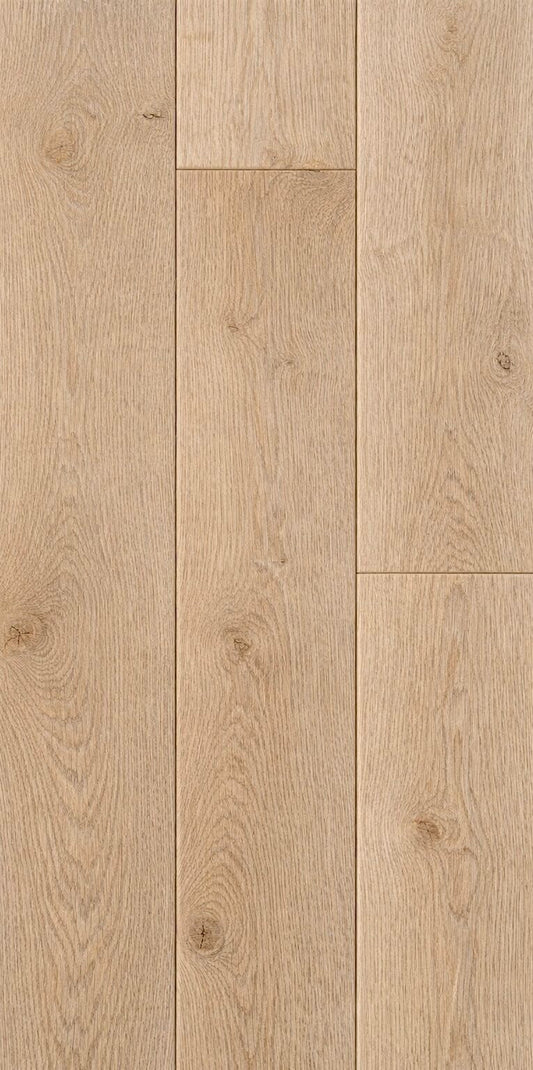

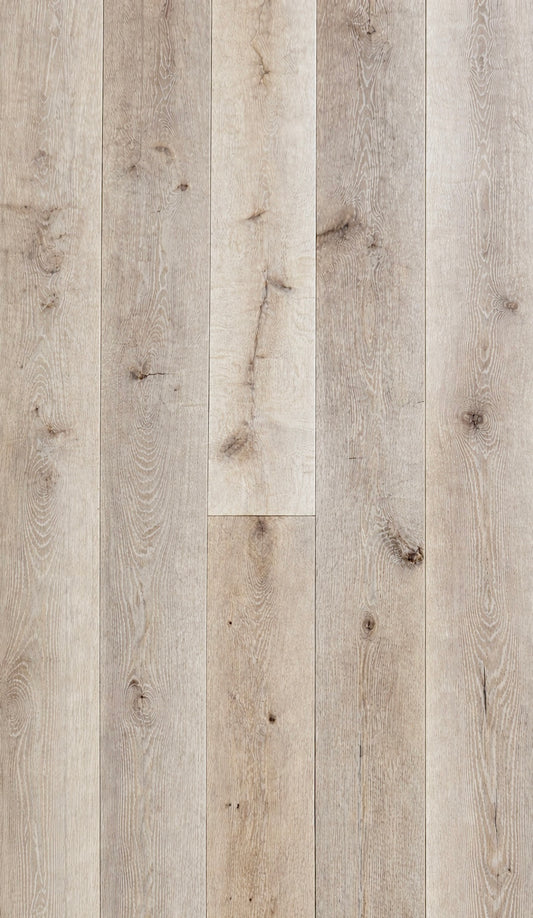

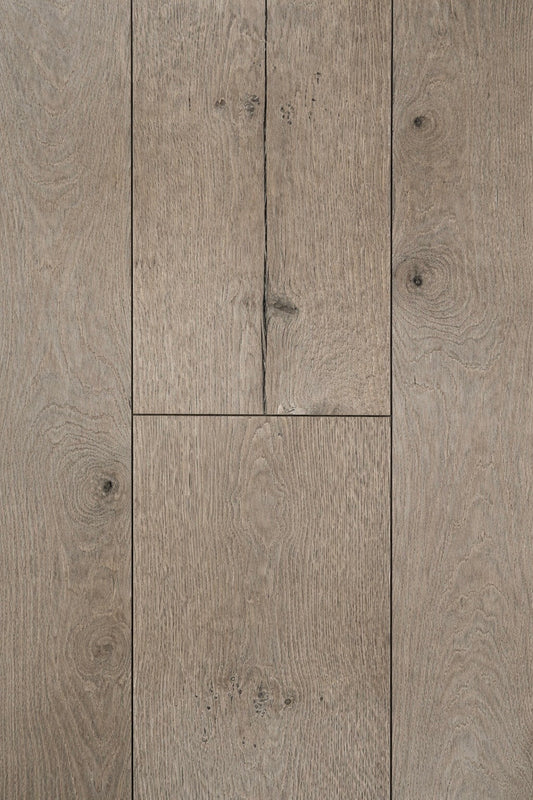
SLCC Flooring
SLCC Flooring spans natural hardwood and wood-look materials, giving homeowners several ways to design a room. Engineered hardwood and solid hardwood offer a real wood surface. SPC, WPC and laminate provide different approaches to the wood look, with their own specifications and installation requirements.
The right choice depends on what matters most in the space: natural grain, spill cleanup, underfoot feel, surface wear or finished height. At Caspar Flooring Direct, compare these priorities before choosing the color. A clear understanding of construction makes the rest of the decision easier.
Choosing Between Real Wood and a Wood Look
Explore SLCC engineered hardwood flooring when natural timber character is the priority. Engineered boards combine a real wood veneer with a supporting base. Grain, knots and tonal differences are part of the wood, rather than a repeated printed design.
Solid hardwood is wood throughout the board's thickness. It has different movement characteristics and installation requirements from engineered flooring. Compare solid hardwood flooring when that construction suits the room and subfloor.
SPC and WPC vinyl use a decorative design beneath a protective wear layer. Laminate uses a decorative surface over a wood-based core. These materials can resemble timber, but should be assessed according to their own specifications rather than treated as interchangeable hardwood alternatives.
Comparing Hardwood Veneer Thickness
An engineered hardwood veneer is the natural wood surface at the top of the board. Its thickness is normally given in millimeters, independently of the board's total thickness.
The 1.5mm veneer engineered hardwood flooring selection offers a useful comparison for shoppers seeking a real wood surface in a particular construction profile. Also examine the board thickness, finish, plank size and installation method.
A thicker veneer does not by itself establish whether a board can be sanded or how often. Refinishing depends on remaining wood, construction and finish, so obtain guidance for the exact floor before planning it.
Hardwood veneer measurements should not be compared directly with vinyl wear-layer numbers. Both describe surface construction, but the materials and units are different.
SPC and WPC for Everyday Spill Cleanup
SPC typically uses a dense rigid core and provides a firmer underfoot feel. It can suit shoppers prioritizing waterproof plank construction and a rigid click-lock format where specified.
WPC can provide a more forgiving feel underfoot. Compare WPC vinyl plank flooring when comfort in bedrooms or living areas is a priority. Core design, backing and the prepared subfloor all influence the finished experience.
SLCC vinyl options include substantial profiles and wear layers, but specifications vary. Check each floor's total thickness and whether attached backing is included. Waterproof planks do not waterproof the surrounding room or protect a damp subfloor.
SLCC Laminate and AC Ratings
Browse SLCC laminate flooring when comparing an abrasion-rated wood-look surface. Laminate's AC classification describes abrasion performance, while thickness and moisture protection are separate specifications.
The AC5 laminate flooring selection can help you compare higher abrasion classifications across suitable options. An AC rating does not describe every type of damage, and it is not a substitute for checking room and traffic approval.
For kitchens or other spill-prone areas, confirm the moisture classification and required installation details. Perimeter treatment, expansion space and care instructions can be part of a waterproof laminate system.
Long and Wide Planks in Open Rooms
Wide planks emphasize grain and reduce the number of visible board rows. Longer formats can create fewer end joints and a calmer rhythm across connected living spaces.
For real wood, variation between boards contributes to the finished design. Review multiple boards or full-room images rather than choosing solely from a small sample. Random-length hardwood also creates a different pattern from fixed-length vinyl or laminate.
Compare the layout with hallways, doorways and nearby rooms. A wide or long format may look appealing, but it still needs a subfloor that meets the required flatness limits.
Flooring for Kitchens, Bedrooms and Living Areas
For kitchens, begin with moisture exposure and installation approval. Waterproof vinyl or qualifying laminate may suit the practical needs of spills and frequent cleaning. Confirm cabinet and appliance requirements before installation.
For bedrooms and living rooms, underfoot feel and appearance may carry more weight. WPC can be worth comparing for comfort, while engineered hardwood offers natural wood texture and variation.
If one floor will continue across several rooms, check the most demanding space first. Continuous-run limits and transitions may affect the plan even when the same material is used throughout.
For homes with pets, use surface texture, grain variation and appropriate protection to support everyday appearance. No flooring construction should be assumed to be scratch-proof.
Planning Finished-Floor Height
Total thickness is especially important when replacing an existing floor. SLCC options can have substantially different profiles, so compare the completed flooring system with adjacent surfaces.
Check doors, stair details, dishwasher clearance and transitions to tile or carpet. Include any approved underlayment or installation layers in the calculation. A deeper profile can require different transition pieces or clearance planning.
Thickness alone does not determine quality. A suitable floor combines the right surface construction, core or wood base, installation system and room approval.
Subfloor Preparation and Everyday Care
Moisture and flatness requirements apply before installation. Concrete should be tested as required, while wood subfloors should be stable and secure. Confirm vapor protection and installation-grade approval for the chosen material.
Use only the installation method approved for that floor. Hardwood may permit different systems from vinyl or laminate, and additional underlayment should not be added automatically.
For care, remove grit regularly, use furniture protection and choose cleaners approved for the material. Natural hardwood, vinyl and laminate have different maintenance requirements. Review samples in the actual room before making the final purchase.
Explore SLCC Flooring Collections
Browse SLCC Altus laminate for AC5 abrasion performance and extra-long 72-inch boards. If comfortable waterproof vinyl is the priority, compare SLCC Quiet Cloud flooring with Comfort Core construction, a 30 mil wear layer and attached IXPE backing.
For genuine wood with a textured appearance, explore SLCC Villa Castle engineered hardwood. Its 4mm European oak veneer, 10.25-inch width and random lengths up to eight feet suit projects that prioritize real grain and broad plank proportions.
Frequently Asked Questions
What types of flooring does SLCC offer?
SLCC flooring includes engineered hardwood, solid hardwood, SPC, WPC and laminate. Compare the exact construction and room approval when choosing.
Is SLCC hardwood waterproof?
Do not treat natural hardwood as waterproof. Moisture classification depends on the material, and hardwood requires suitable environmental conditions and care.
What does a 1.5mm veneer mean?
It means the engineered board has a natural wood surface approximately 1.5mm thick. It does not describe the entire board's thickness.
Is WPC softer than SPC?
WPC can have a more forgiving feel, while SPC is generally firmer. Backing and core design also affect comfort.
Does AC5 tell me the thickness of laminate?
No. AC5 describes abrasion classification. Total thickness and moisture protection are separate specifications.
What should I check before ordering SLCC flooring?
Confirm material, surface measurement, total thickness, plank size, installation method and finished height. Compare samples alongside the room's existing finishes.
Explore related flooring
Browse related flooring collections, brands and styles before making your final choice.