
Collection: NextGen Surfaces
Shop NextGen Surfaces for waterproof SPC flooring with realistic wood looks. Compare 22 mil and 32 mil wear layers, 5mm to 8mm construction, and standard or wide planks to find the right fit for your rooms, layout and everyday traffic.
-
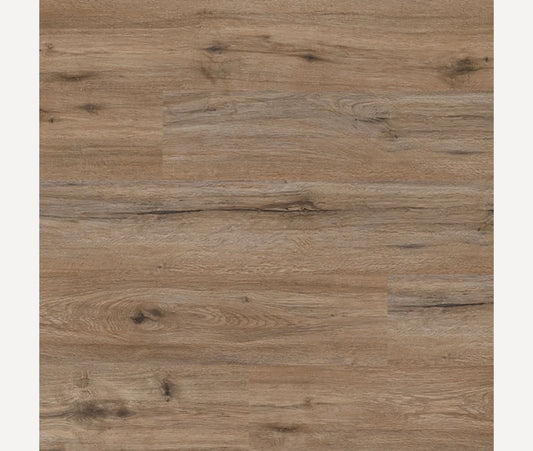
Alpine - Sahara Oak | 22mil 5mm 7x48 SPC Vinyl Plank | NextGen Surfaces
Vendor:NextGen$2.99 / sq. ft. $71.50 per carton · 23.95 sq. ft. / carton5.0mm22mil7x48

NextGen Surfaces
NextGen Surfaces flooring focuses on rigid-core SPC vinyl with wood-inspired designs. For homeowners comparing options, the key decisions are surface construction, total thickness and plank proportions. Those details help you match the floor to the project before choosing a color.
Waterproof plank construction can be practical for everyday spills, but the installation still needs the correct subfloor preparation and room conditions. At Caspar Flooring Direct, use material and specification collections to compare the requirements that matter to your home.
What Is NextGen SPC Flooring?
SPC is a dense rigid-core vinyl construction. A printed design creates the wood look, while a transparent wear layer protects the surface above it. The core typically gives the floor a firmer feel than WPC.
Explore NextGen Surfaces SPC flooring when comparing this construction. Review the backing, locking system and installation instructions along with its appearance.
SPC is different from laminate and natural hardwood. It does not have a wood veneer, and its vinyl wear-layer measurement is not a laminate AC rating. Understanding the material first helps prevent misleading comparisons between unrelated specifications.
Comparing 22 Mil and 32 Mil Wear Layers
A vinyl wear layer is measured in mil. One mil is one-thousandth of an inch, so a 22 mil wear layer does not mean a plank is 22mm thick.
Browse NextGen Surfaces 22 mil SPC flooring when that protective surface specification is part of your buying criteria. Compare the finish and approved application as well as the wear layer.
For a different overall specification, compare NextGen Surfaces 32 mil 8mm SPC flooring. The wear layer and total thickness describe separate parts of the construction.
A greater wear-layer number does not make the floor scratch-proof or establish approval for every commercial application. Match the exact floor to the room and its traffic requirements.
Choosing Between 5mm, 6.5mm and 8mm Profiles
Total thickness matters when a floor needs to meet existing tile, carpet or thresholds. It may also influence how substantial the flooring feels, although core design and backing remain important.
The NextGen Surfaces 6.5mm SPC flooring selection provides a useful middle profile to compare with thinner and deeper constructions. Check whether attached backing is included in the stated measurement.
For a renovation, measure the completed system rather than the plank alone. Door clearances, dishwasher access and stair details can be affected by a change in floor height.
More thickness does not remove the need for a flat subfloor. High spots, low areas and an unstable surface should be corrected before any rigid-core flooring is installed.
Standard and Wide Plank Formats
Approximately 7-inch-wide boards create a familiar wood-floor proportion. Wider boards can make the grain more prominent and reduce the number of visible rows across a room.
Compare NextGen Surfaces 9x48 SPC flooring when you want a wide board without moving to a longer format. Width and length can be chosen separately according to the room's layout.
Consider narrow hallways, small rooms and doorway connections as well as the largest living area. Board direction, staggering and perimeter cuts influence the final pattern.
Review several boards or larger images to understand grain variation. A small sample may show only one part of a repeated wood-look design.
NextGen Surfaces for Kitchens and Connected Rooms
SPC with waterproof plank construction can suit everyday kitchen spills when installed in an approved application. Confirm perimeter details, expansion requirements and the instructions around cabinets or islands.
For a connected kitchen and living room, compare the needs of both spaces. The floor should support practical cleanup in the kitchen while providing an appearance you enjoy throughout the living area.
Explore SPC flooring for kitchens when comparing options by room use. Waterproof material does not waterproof the room or resolve moisture coming from the subfloor.
Before planning one uninterrupted installation, check continuous-run limits and doorway transitions. A consistent design can still require separation in particular areas.
Busy Homes, Pets and Home Offices
For active households, surface construction is one part of the decision. Texture, sheen and visible grain also affect how ordinary dust, marks and small debris appear.
Use entrance mats to reduce tracked grit and suitable furniture protection to limit pressure marks. Rolling chairs should have protection appropriate to the floor. No wear-layer specification removes the need for care.
In a home office, compare traffic approval and the effects of concentrated furniture loads. In bedrooms, consider the firmer underfoot feel of SPC alongside the appearance and finished height.
Prompt spill cleanup and approved cleaning products help support the floor's condition without exposing it to unnecessary moisture or residue.
Concrete Slabs and Attached Backing
Concrete needs to meet the chosen floor's moisture and flatness requirements. Test the slab and prepare it before installation, even if the surrounding climate appears dry.
Attached backing can contribute to the flooring system's feel, but it does not automatically replace a required vapor retarder. Additional underlayment should only be used when permitted.
Confirm the requirements of the locking system and fixed cabinetry. Floating flooring generally needs its specified expansion space and should not be constrained in ways the instructions prohibit.
Flooring approval over an existing surface also depends on that surface's condition. Check the selected floor's requirements before deciding to cover old flooring.
Reviewing Samples and Planning the Order
Place samples horizontally beside the room's walls, cabinets and furniture. Check them in daylight and under evening lighting. A neutral wood look may shift warmer or cooler with the surrounding palette.
Compare texture and sheen from across the room as well as close up. Those details can become more prominent under strong side lighting.
Measure the area and include an allowance for cuts and the chosen layout. Confirm carton coverage and installation requirements before ordering. Keeping some matching material can be useful for future repairs.
Frequently Asked Questions
What type of flooring is NextGen Surfaces SPC?
It is rigid-core vinyl with a dense SPC core, a printed wood-look design and a protective wear layer.
Does 32 mil mean the floor is 32mm thick?
No. Mil measures wear layer, while millimeters normally measure total thickness. These describe different parts of the floor.
Is 8mm SPC automatically better than 5mm SPC?
It has a deeper profile, but suitability also depends on wear layer, core design, backing, locking system and installation conditions.
Can NextGen SPC be used in a kitchen?
Approved waterproof SPC can be used in kitchens when installed according to its room, perimeter and cabinetry requirements.
Does attached backing replace vapor protection over concrete?
Not automatically. Follow the selected floor's moisture and vapor-protection instructions before installation.
How do I choose between 7-inch and 9-inch planks?
Compare the proportions in the actual room. Wider boards emphasize grain and reduce visible rows, while standard widths create more board definition.
Explore related flooring
Browse related flooring collections, brands and styles before making your final choice.