
Collection: Glue-Down LVP for Concrete Basements
Shop glue-down LVP for concrete basements in realistic wood-look styles. Explore low-profile luxury vinyl designed for properly prepared basement slabs, stable installation, easy maintenance, and smooth transitions.
-
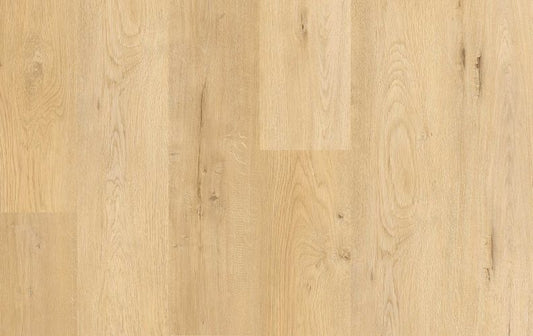
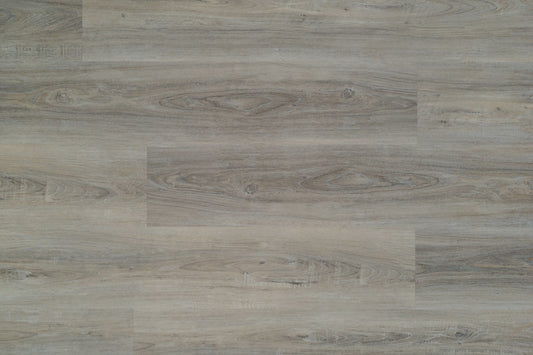
Active Spaces - Riviera Beach | 20 mil 2.5mm 7.25x48 Glue Down LVP | Aperion
Vendor:Aperion$2.28 / sq. ft. $110.00 per carton · 48.34 sq. ft. / carton2.5mm20mil7x48 -
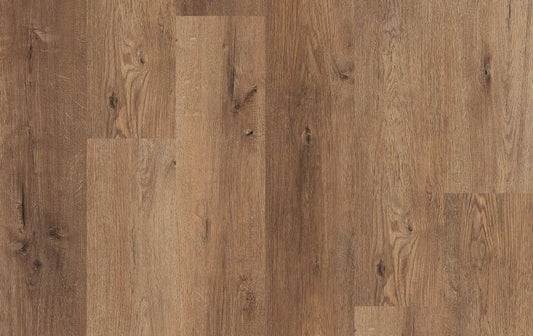
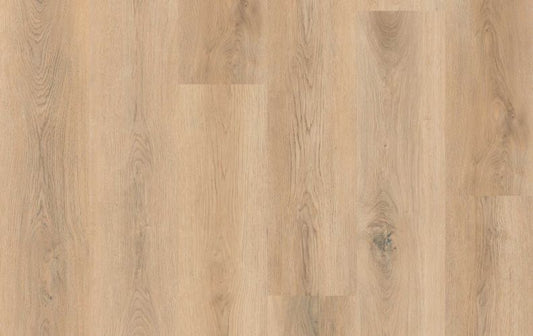
Active Spaces - Reno | 20 mil 2.5mm 7.25x48 Glue Down LVP | Aperion
Vendor:Aperion$2.28 / sq. ft. $110.00 per carton · 48.34 sq. ft. / carton2.5mm20mil7x48 -
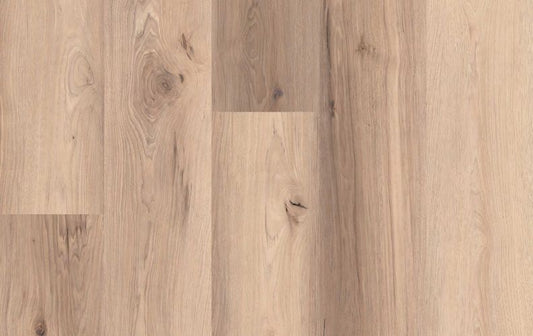
Formalay - Contour Flex | 20mil 5mm 9x60 Looselay LVP | Lions Floor
Vendor:Lions Floor$3.29 / sq. ft. $74.00 per carton · 22.5 sq. ft. / carton5.0mm20mil9x60 -
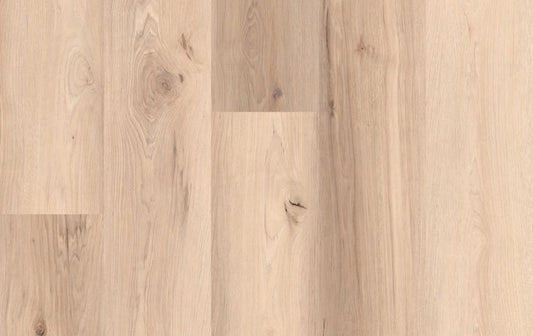
Formalay - StrataView | 20mil 5mm 9x60 Looselay LVP | Lions Floor
Vendor:Lions Floor$3.29 / sq. ft. $74.00 per carton · 22.5 sq. ft. / carton5.0mm20mil9x60 -
Formalay - Apex Form | 20mil 5mm 9x60 Looselay LVP | Lions Floor
Vendor:Lions Floor$3.29 / sq. ft. $74.00 per carton · 22.5 sq. ft. / carton5.0mm20mil9x60 -
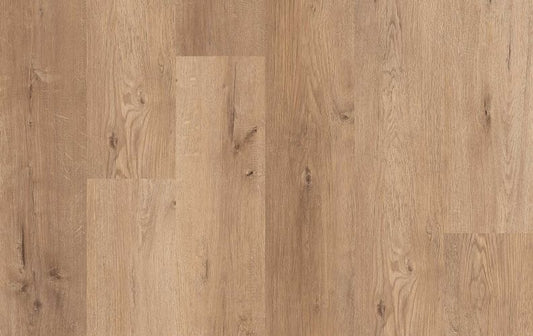
Peckham Collection | Nunhead 20mil 2.5mm 7x48 LVP Glue Down EIR
Vendor:Monarch Floors$2.00 / sq. ft. $82.00 per carton · 41.094 sq. ft. / carton2.5mm20mil7x48 -
Forge Haze 4+1 Glue Down LVT 20mil 5mm 9x60 | Infinity Floors
Vendor:Infinity Floor$3.99 / sq. ft. $103.69 per carton · 25.99 sq. ft. / carton5.0mm20mil9x60 -
Active Spaces - Rochester | 20 mil 2.5mm 7.25x48 Glue Down LVP | Aperion
Vendor:Aperion$2.28 / sq. ft. $110.00 per carton · 48.34 sq. ft. / carton2.5mm20mil7x48 -
Active Spaces - Baltimore | 20 mil 2.5mm 7.25x48 Glue Down LVP | Aperion
Vendor:Aperion$2.28 / sq. ft. $110.00 per carton · 48.34 sq. ft. / carton2.5mm20mil7x48 -
Formalay - Linear Axis | 20mil 5mm 9x60 Looselay LVP | Lions Floor
Vendor:Lions Floor$3.29 / sq. ft. $74.00 per carton · 22.5 sq. ft. / carton5.0mm20mil9x60 -
Formalay - FrameLine | 20mil 5mm 9x60 Looselay LVP | Lions Floor
Vendor:Lions Floor$3.29 / sq. ft. $74.00 per carton · 22.5 sq. ft. / carton5.0mm20mil9x60 -
Formalay - Parallax Drift | 20mil 5mm 9x60 Looselay LVP | Lions Floor
Vendor:Lions Floor$3.29 / sq. ft. $74.00 per carton · 22.5 sq. ft. / carton5.0mm20mil9x60 -
Formalay - Dimension Drift | 20mil 5mm 9x60 Looselay LVP | Lions Floor
Vendor:Lions Floor$3.29 / sq. ft. $74.00 per carton · 22.5 sq. ft. / carton5.0mm20mil9x60 -
Formalay - Quantum Trace | 20mil 5mm 9x60 Looselay LVP | Lions Floor
Vendor:Lions Floor$3.29 / sq. ft. $74.00 per carton · 22.5 sq. ft. / carton5.0mm20mil9x60 -
Formalay - SpanCraft | 20mil 5mm 9x60 Looselay LVP | Lions Floor
Vendor:Lions Floor$3.29 / sq. ft. $74.00 per carton · 22.5 sq. ft. / carton5.0mm20mil9x60 -
Formalay - Radius Mark | 20mil 5mm 9x60 Looselay LVP | Lions Floor
Vendor:Lions Floor$3.29 / sq. ft. $74.00 per carton · 22.5 sq. ft. / carton5.0mm20mil9x60




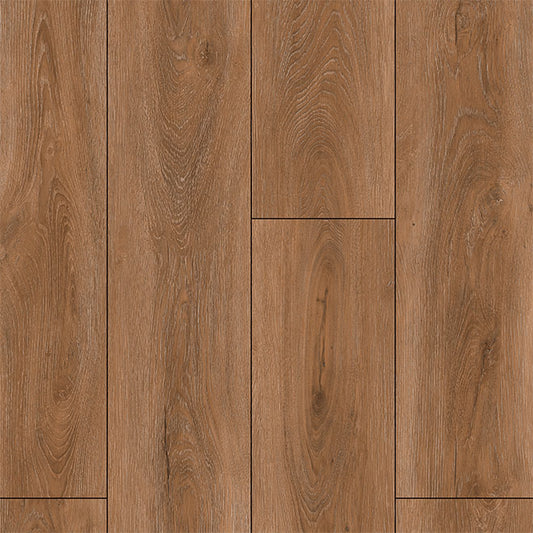

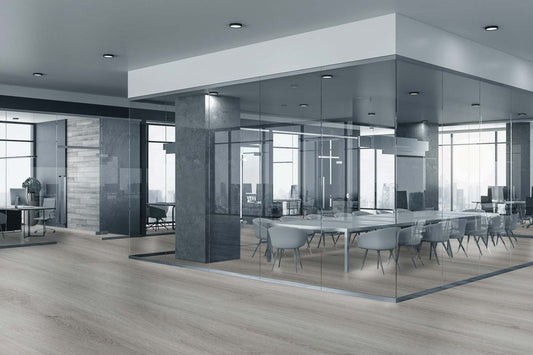
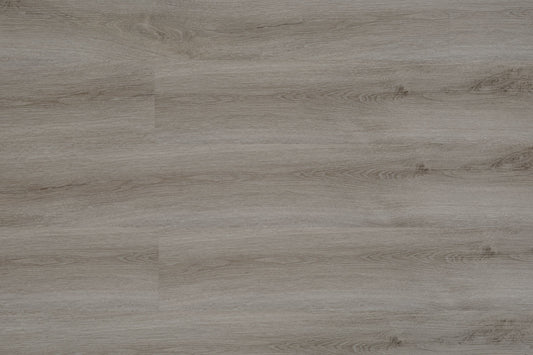
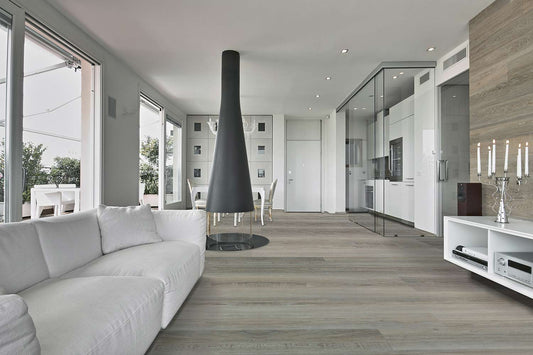




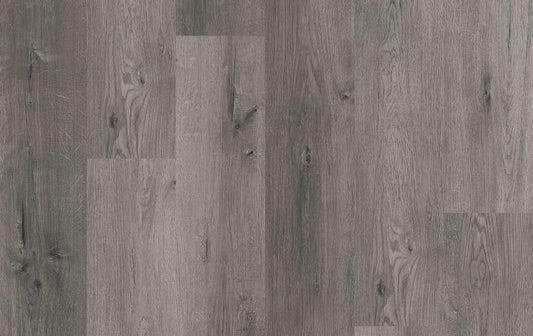

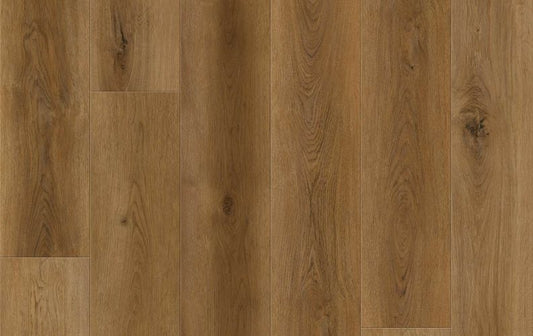

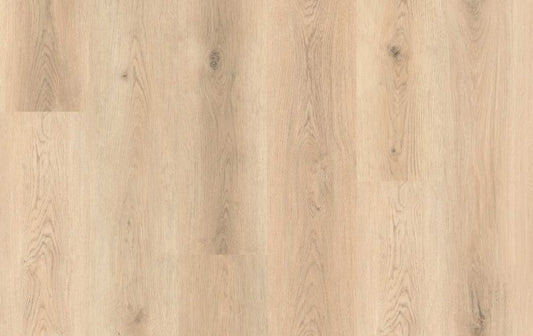

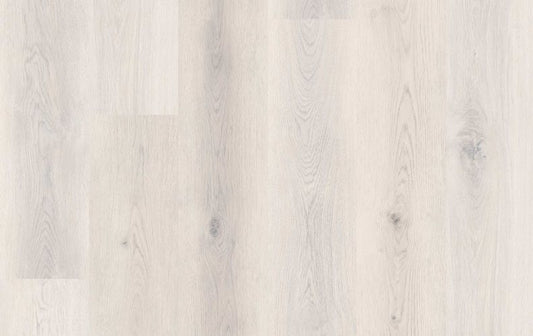
Glue-Down LVP for Concrete Basements
Glue-down luxury vinyl plank can be a practical flooring option for basements with properly prepared concrete slabs.
Unlike floating click-lock flooring, glue-down LVP is bonded directly to the subfloor using an approved adhesive.
Potential benefits include:
- Minimal plank movement
- Low finished-floor height
- Firm underfoot performance
- Smooth transitions
- Individual plank replacement
- Stable installation across larger areas
- Realistic wood-look styling
- Easy routine maintenance
Concrete moisture, flatness, pH, and surface condition must be evaluated before installation.
Is Glue-Down LVP Good for Basements?
Glue-down LVP may suit a basement when:
- The product is approved for below-grade use
- The concrete is structurally sound
- Moisture testing is completed
- The slab meets flatness requirements
- The correct adhesive is used
- Active water problems have been resolved
A vinyl plank being waterproof does not mean it can be installed over a wet or moisture-damaged slab.
Why Use Glue-Down LVP Over Concrete?
Glue-down flooring attaches directly to the slab rather than floating above it.
This may provide:
- Firm surface performance
- Less movement beneath furniture
- Low flooring profile
- Easier doorway transitions
- Stable rolling-chair performance
- Easier replacement of isolated damaged planks
It may be particularly useful where floor height is limited.
Basement Moisture Testing
Concrete can release moisture even when it appears dry.
Testing may include:
- Relative humidity testing
- Calcium chloride testing
- pH testing
- Visual inspection
- Moisture-emission evaluation
The results must fall within the limits of both the flooring and adhesive manufacturers.
Waterproof Flooring vs a Waterproof Basement
Luxury vinyl may be made from waterproof materials, but it does not waterproof the basement.
Moisture may still affect:
- Adhesive
- Concrete
- Walls
- Baseboards
- Transitions
- Stored items
- Indoor air quality
Resolve foundation leaks, hydrostatic pressure, drainage problems, and recurring flooding before installing flooring.
Preparing a Concrete Basement Floor
The slab should be:
- Clean
- Flat
- Smooth
- Dry within approved limits
- Structurally sound
- Free from dust
- Free from oil or contaminants
- Free from loose paint or adhesive
- Compatible with the selected installation system
Preparation may include:
- Grinding high areas
- Filling low areas
- Patching cracks
- Skim coating
- Removing adhesive residue
- Applying primer
- Installing moisture mitigation
Why Smoothness Matters
Flexible glue-down vinyl can reveal imperfections beneath the surface.
This is known as telegraphing.
Visible problems may include:
- Patch outlines
- Trowel marks
- Raised cracks
- Adhesive ridges
- Concrete texture
- Uneven joints
- Debris beneath the plank
Proper preparation helps create a smoother finished floor.
Choosing Basement Flooring Adhesive
The adhesive should be approved for:
- The exact flooring product
- Below-grade installation
- Concrete subfloors
- Tested moisture levels
- Tested pH levels
- Expected traffic
- Indoor environmental conditions
Follow instructions for:
- Trowel size
- Spread rate
- Open time
- Working time
- Rolling
- Curing
- Temperature
- Humidity
Glue-Down LVP vs SPC for Basements
Both materials may work over properly prepared concrete.
Glue-down LVP may offer:
- Lower finished-floor height
- Minimal plank movement
- Smooth transitions
- Easier localized repairs
- Firm underfoot feel
SPC may offer:
- Floating click-lock installation
- Greater plank thickness
- Attached-pad options
- Faster installation
- Easier full-floor removal
Neither option should be installed over unresolved moisture.
Glue-Down LVP for Uneven Basement Floors
Glue-down flooring requires a particularly smooth slab.
It should not be used to conceal:
- Deep low spots
- Raised concrete
- Moving cracks
- Uneven patches
- Damaged expansion joints
- Severe surface texture
The slab should be corrected before installation.
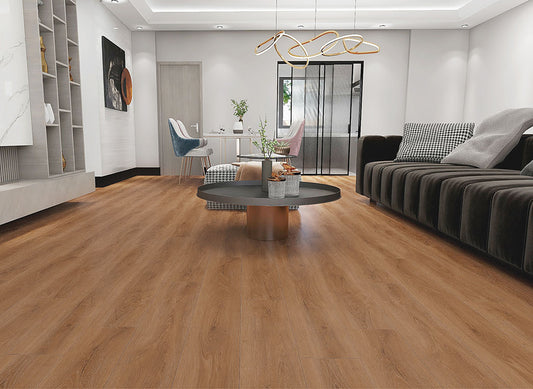
Glue-Down LVP for Finished Basement Living Rooms
Wood-look LVP may help a basement feel more like a finished residential space.
Popular colors include:
- Light oak
- Natural oak
- Warm beige
- Greige
- Medium brown
- Weathered wood
Light and medium colors may make lower-level rooms feel brighter.
Glue-Down LVP for Basement Home Offices
Glue-down LVP may work well beneath:
- Desks
- Filing cabinets
- Rolling chairs
- Shelving
- Exercise equipment
- Media furniture
Use furniture pads and flooring-compatible chair protection.
Glue-Down LVP for Basement Bedrooms
Approved glue-down vinyl may provide:
- Easy dust removal
- Simple pet-hair cleanup
- Low flooring profile
- Compatibility with area rugs
- Wood-look styling
- Straightforward maintenance
Use rugs and rug pads approved for vinyl flooring.
Measuring a Basement Floor
Measure the length and width of each area and calculate total square footage.
Add waste for:
- Cutting
- Alcoves
- Closets
- Irregular walls
- Damaged planks
- Future repairs
The appropriate waste percentage depends on room layout and plank design.
Frequently Asked Questions
Can glue-down LVP be installed directly over basement concrete?
Yes, when the product is approved and the slab meets moisture, pH, smoothness, and flatness requirements.
Does waterproof LVP stop concrete moisture?
No. Waterproof vinyl does not prevent moisture from affecting the adhesive or slab.
Is glue-down LVP better than floating SPC in a basement?
It may offer less movement and a lower profile, while SPC may be quicker to install.
Does concrete need to be perfectly level?
Not always, but it must generally be flat within the manufacturer’s tolerance.
Can glue-down LVP cover cracks?
Minor stable cracks may be repairable, but moving or structural cracks require professional evaluation.
Does glue-down flooring need underlayment?
Usually not. It is normally bonded directly to the prepared subfloor.
Can individual planks be replaced?
Often, yes. This is one advantage of glue-down LVP.
Should I order samples?
Yes. Samples help compare color, texture, thickness, and finish in the basement lighting.
Explore related options in Vinyl Flooring for Basements, SPC Flooring for Basements, and Laminate Flooring for Basements.
Explore related flooring
Browse related flooring collections, brands and styles before making your final choice.