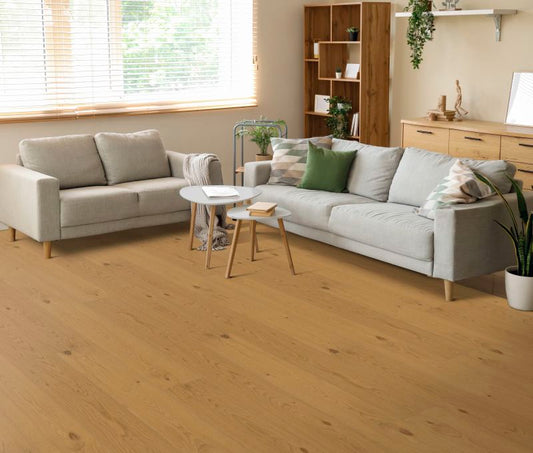
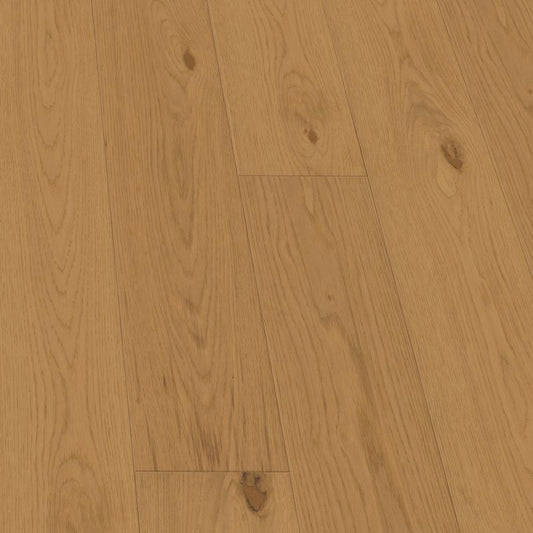
7.5-Inch Wide Engineered Hardwood Flooring
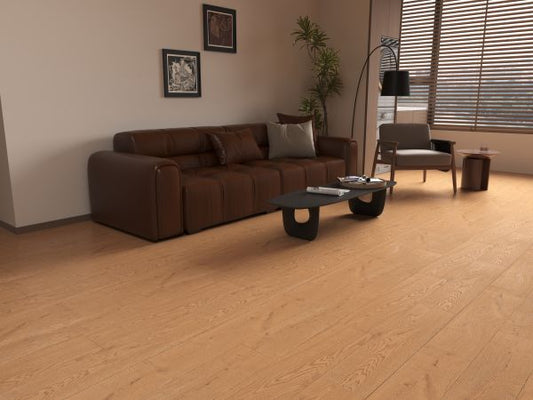
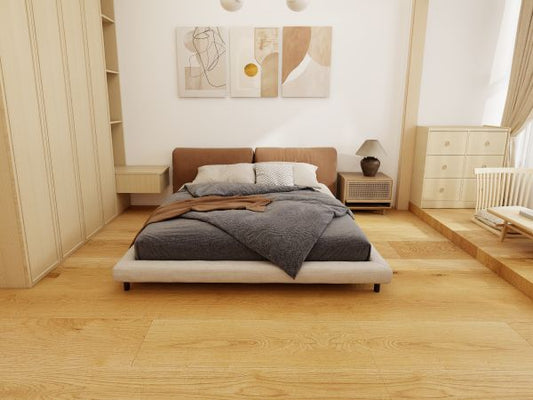
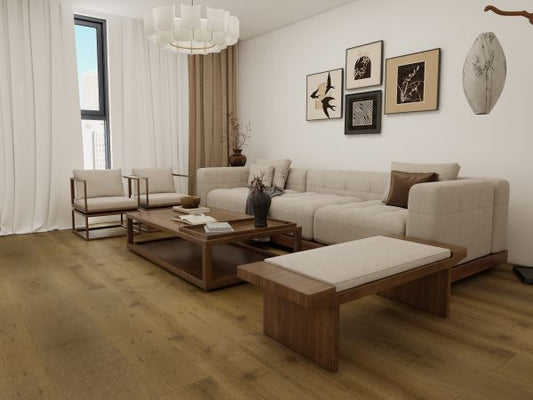
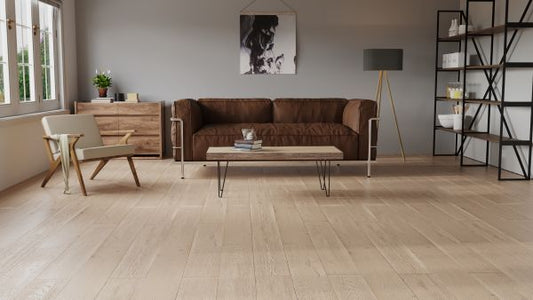
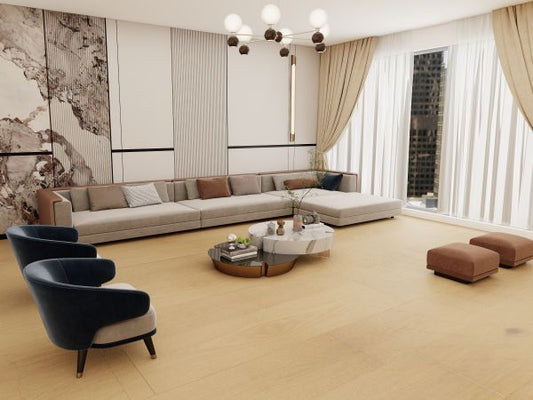
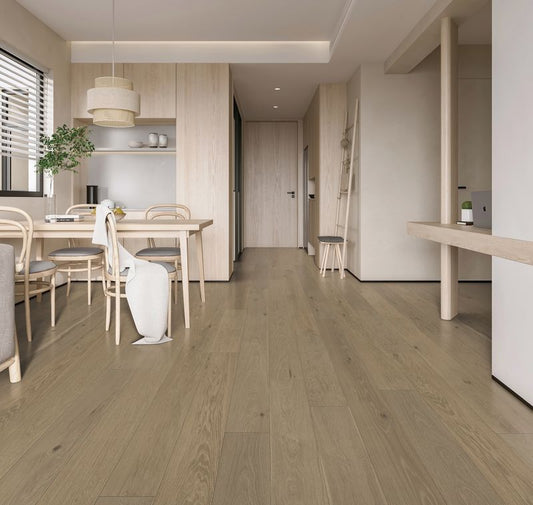
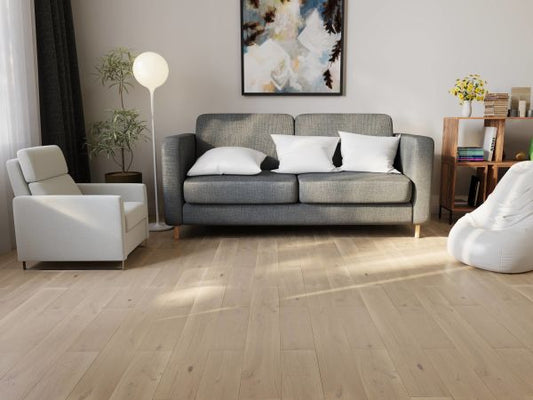
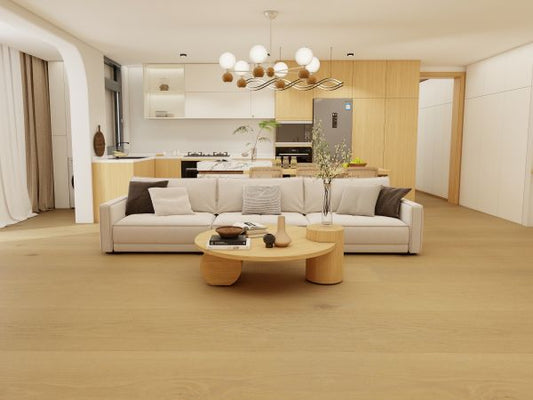
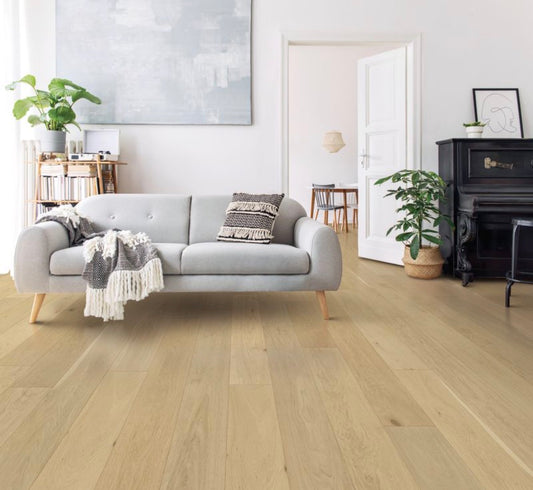
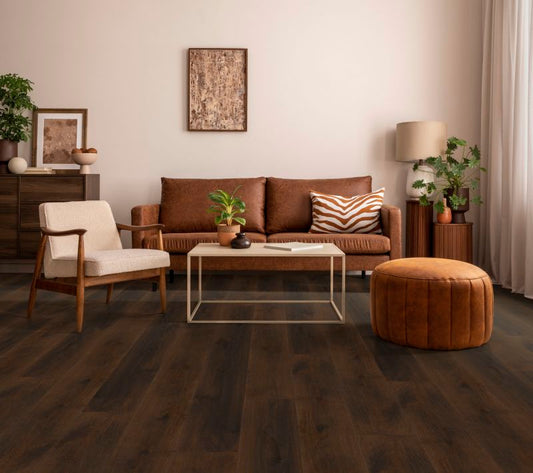
Seven-and-a-half-inch wide engineered hardwood flooring combines genuine wood character with broad plank proportions that work across traditional, transitional, and contemporary interiors.
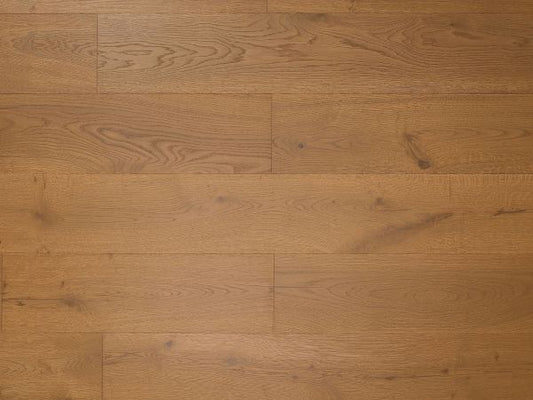
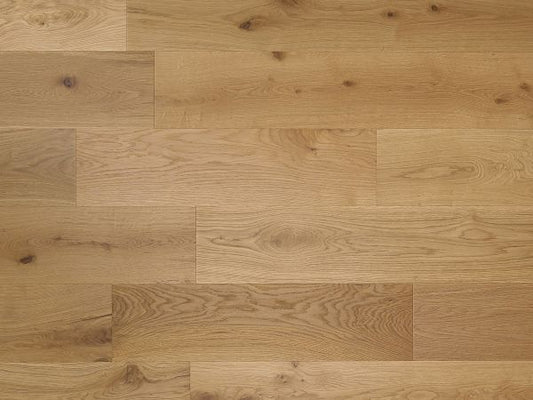
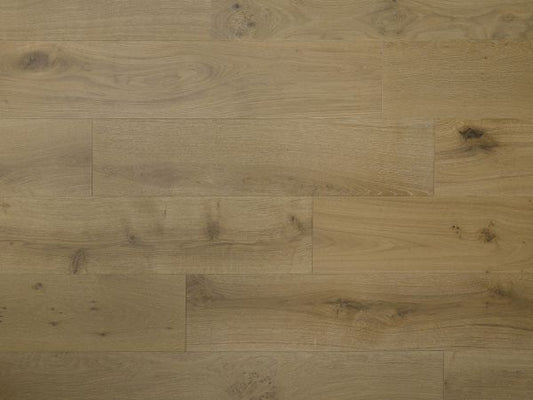
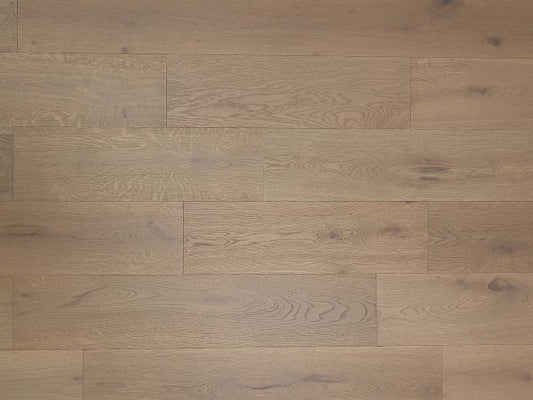
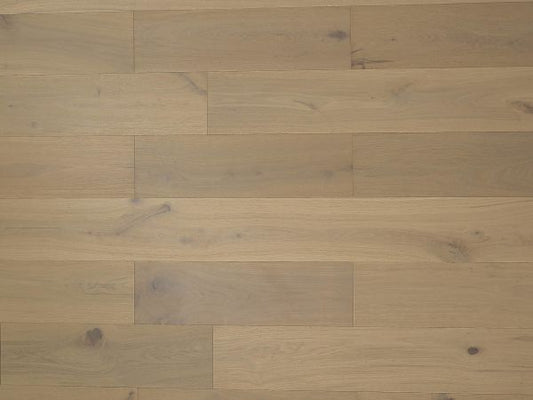
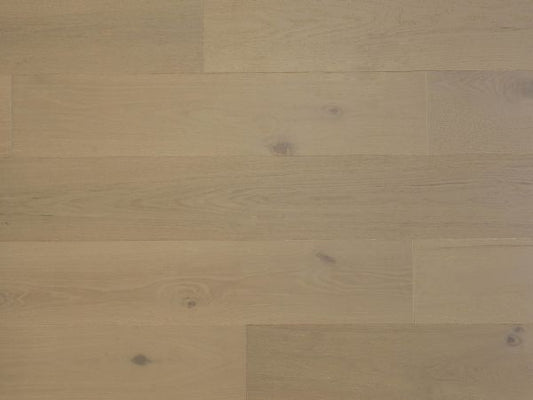
The wider surface displays more grain and natural variation than conventional narrow-strip flooring without reaching the scale of many nine-inch or ten-inch products.
Manufacturers may publish nearby measurements such as 7.48, 7.5, or 7.56 inches. The exact width should remain visible on each product page.
Why Choose 7.5-Inch-Wide Flooring?
Depending on the species, length, grade, and color, 7.5-inch planks may provide:
- Balanced wide-plank styling
- Greater grain visibility
- Fewer plank rows
- Longer visual sightlines
- Premium residential appearance
- Compatibility with multiple room sizes
- Natural oak character
- Modern room-to-room continuity
- Long-plank options
- Multiple installation methods
Width is a visual specification rather than an independent measure of quality.
7.5-Inch Versus Five-Inch Flooring
Five-inch flooring creates more plank rows and can produce a busier, more traditional hardwood layout.
Seven-and-a-half-inch flooring may provide:
- Fewer side seams
- Broader grain display
- More expansive proportions
- Stronger contemporary styling
- More visible natural variation
Five-inch flooring may provide:
- Smaller-scale proportions
- Broader product availability
- More traditional styling
- Different installation options
- Potentially lower material costs
The better width depends on the room, product construction, color, length, and desired appearance.
7.5-Inch Versus Nine-Inch Flooring
A nine-inch plank displays an even broader wood surface and creates fewer rows across the room. Seven-and-a-half-inch flooring offers an intermediate scale that may suit a broader range of spaces.
Compare:
- Room dimensions
- Ceiling height
- Plank length
- Natural light
- Wood grade
- Color variation
- Installation direction
- Furniture scale
- Subfloor condition
- Material cost
Neither width is inherently more durable.
Long-Plank Combinations
Seven-and-a-half-inch widths are commonly paired with plank lengths such as:
- 48 inches
- 60 inches
- 72 inches
- 75 inches
- 86 inches
- Random-length formats
Confirm whether the published measurement represents every plank, an average length, or the maximum included length.
Wide-and-long boards can create extended sightlines but require appropriate storage, handling, and substrate preparation.
Natural Wood Variation
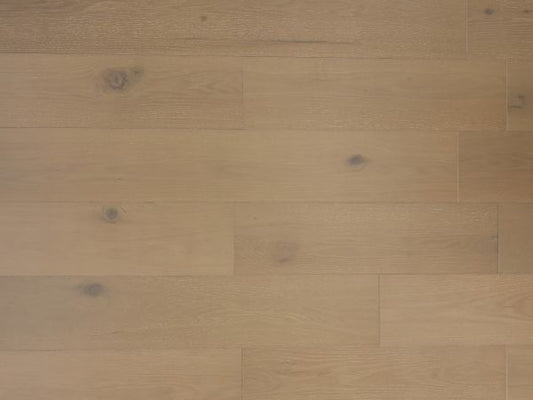
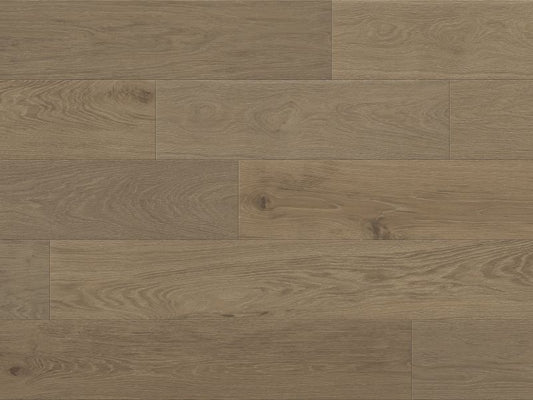
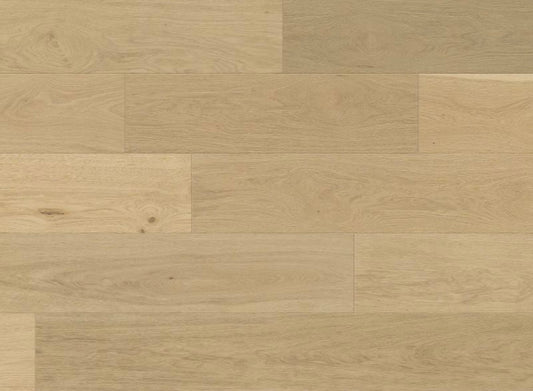
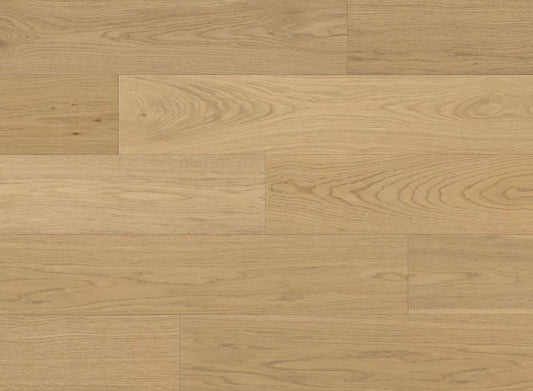
A broad genuine hardwood surface may display:
- Knots
- Mineral streaks
- Sapwood
- Filled cracks
- Grain movement
- Tonal transitions
- Character marks
- Reactive-stain differences
- Texture variation
- Board-to-board color changes
Review the manufacturer’s grading description and mix boards from several cartons during installation.
A small sample cannot represent the variation across a complete floor.
Subfloor Flatness
Wide boards require a properly prepared substrate. High and low areas can contribute to movement, hollow spots, poor adhesive transfer, edge stress, or locking-system problems.
The substrate should be:
- Structurally sound
- Flat within tolerance
- Clean
- Dry
- Securely fastened
- Free from active moisture
- Properly patched
- Compatible with the selected installation
A wide or thick plank will not correct an uneven subfloor.
Installation Methods
Selected products may support:
- Full-spread glue-down
- Nail-down
- Staple-down
- Glue-assisted nail-down
- Floating installation
Wide planks may have additional adhesive, fastener, expansion, and humidity requirements.
Follow the product-specific installation guide rather than relying on general hardwood practices.
Direction and Room Appearance
Common plank directions include:
- Along the longest wall
- Toward the primary view
- Parallel to a hallway
- With natural light
- Along the main entrance sightline
- Consistently through connected rooms
Structural conditions, expansion limits, substrate transitions, and installation instructions may restrict the preferred visual direction.
Waste Allowance
Waste depends on:
- Room shape
- Installation direction
- Plank length distribution
- Closets
- Hallways
- Angled walls
- Natural board selection
- Required joint spacing
- Character grading
- Future repair stock
The installer should calculate overage from the actual floor plan and product format.
Frequently Asked Questions
Is 7.5-inch engineered hardwood considered wide plank?
Yes. Flooring approximately 7.5 inches wide is generally considered wide-plank hardwood.
Does 7.5-inch flooring make rooms look larger?
It may create fewer seams and broader visual movement, contributing to a more expansive appearance.
Can 7.5-inch flooring be installed in small rooms?
Yes. Color, direction, length, lighting, and room proportions influence the final appearance.
Are wide planks harder to install?
They can require better substrate preparation, environmental control, handling, and adhesive assistance.
Can 7.5-inch engineered hardwood be nailed down?
Selected products can, although some wide planks also require approved adhesive assistance.
Can it be installed over concrete?
Selected products may be glued or floated over prepared concrete when approved.
Does plank width determine durability?
No. Finish, veneer, species, core, installation, maintenance, and environment determine performance.
Is wide engineered hardwood real wood?
Yes. Qualifying products have genuine hardwood surfaces supported by engineered cores.
Should boards be mixed between cartons?
Yes. Mixing cartons distributes natural grain, color, and character variation.
What specifications should buyers compare?
Compare exact width, length, veneer thickness, total thickness, species, finish, grade, installation method, and warranty.