
Collection: Oak Hardwood Flooring
Discover genuine oak hardwood flooring with natural grain and character. Compare solid and engineered options across red oak, white oak and European oak, then explore widths, textures and finishes. Find a floor that works with your room, subfloor and the style of your home.
-
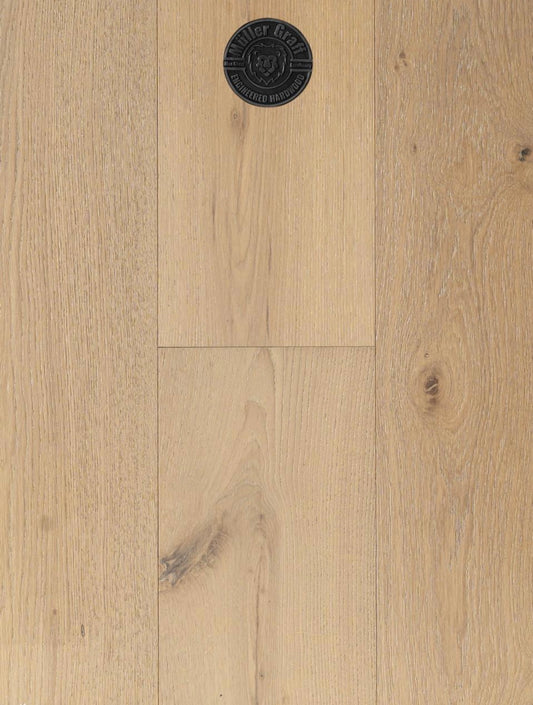
Italia Classics Amalfi European Oak Engineered Hardwood | 4mm wear layer 5/8 (15mm) 9.44” x 86.61” | Muller Graff
Vendor:Muller Graff$8.80 / sq. ft. $200.00 per carton · 22.72 sq. ft. / carton15.0mm9.44x86.61Sale -
Italia Classics Alba European Oak Engineered Hardwood | 4mm wear layer 5/8” 9.44” x 86.61” | Muller Graff
Vendor:Muller Graff$8.80 / sq. ft. $200.00 per carton · 22.72 sq. ft. / carton15.0mm9.44x86.61Sale -
Italia Classics Rivoli European Oak Engineered Hardwood | 4mm wear layer 5/8 (15mm) 9.44” x 86.61” | Muller Graff
Vendor:Muller Graff$8.80 / sq. ft. $200.00 per carton · 22.72 sq. ft. / carton15.0mm9.44x86.61Sale -
Italia Classics Campania European Oak Engineered Hardwood | 4mm wear layer 5/8 (15mm) 9.44” x 86.61” | Muller Graff
Vendor:Muller Graff$8.80 / sq. ft. $200.00 per carton · 22.72 sq. ft. / carton15.0mm9.44x86.61Sale -
Italia Classics Calabria European Oak Engineered Hardwood | 4mm wear layer 5/8 (15mm) 9.44” x 86.61” | Muller Graff
Vendor:Muller Graff$8.80 / sq. ft. $200.00 per carton · 22.72 sq. ft. / carton15.0mm9.44x86.61Sale -
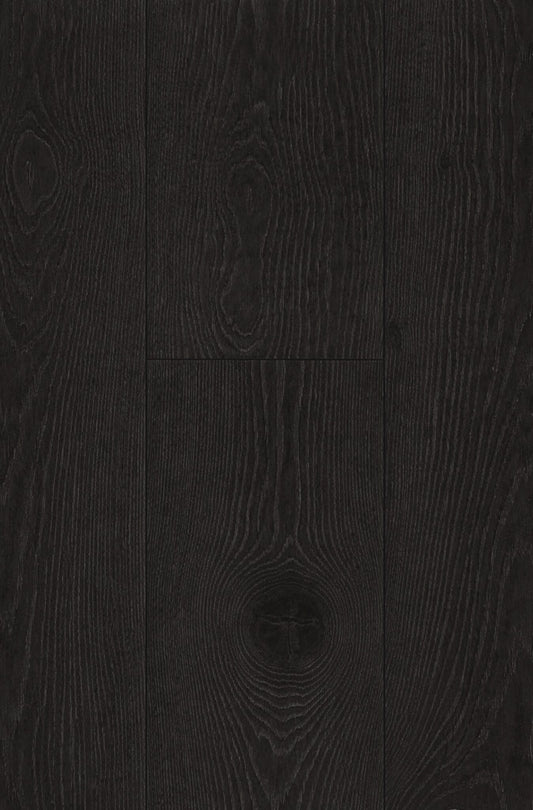
Villa Castle - Hearst | 4mm 3/4” 10.25x96RL European Oak Engineered Hardwood | SLCC
Vendor:SLCC Flooring$11.29 / sq. ft. $303.40 per carton · 26.87 sq. ft. / carton19.0mm10.25x96RL -
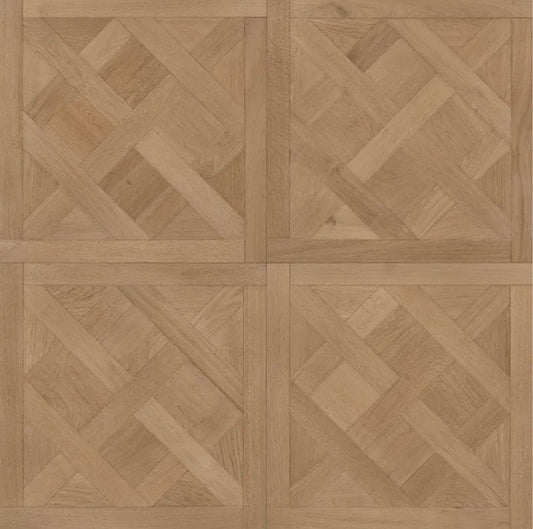
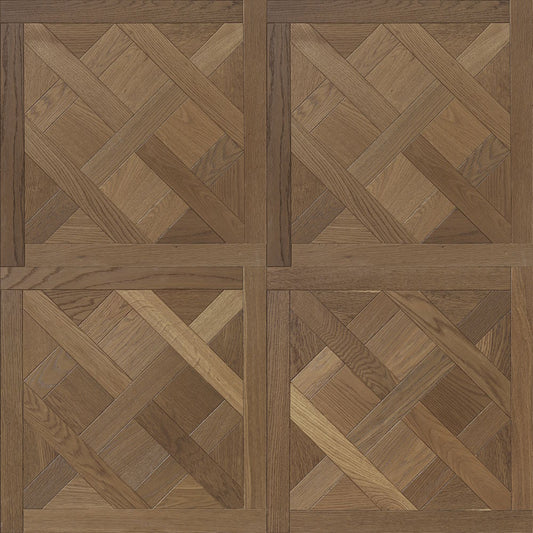
Parquet - Pyrenees (AB) | 5/8” 4mm 31.5x31.5 Engineered Hardwood | Celeste Floors
Vendor:Celeste Floors$21.99 / sq. ft. $606.10 per carton · 27.56 sq. ft. / carton15.0mm4mil31.5x31.5 -
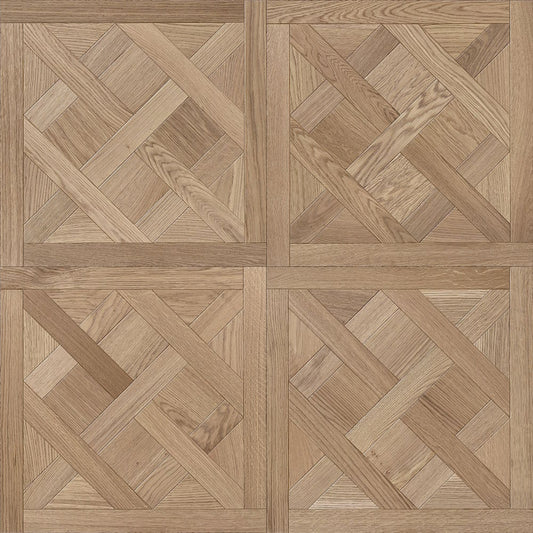
Parquet - Chambers (AB) | 5/8” 4mm 31.5x31.5 Engineered Hardwood | Celeste Floors
Vendor:Celeste Floors$21.99 / sq. ft. $606.10 per carton · 27.56 sq. ft. / carton15.0mm4mil31.5x31.5 -
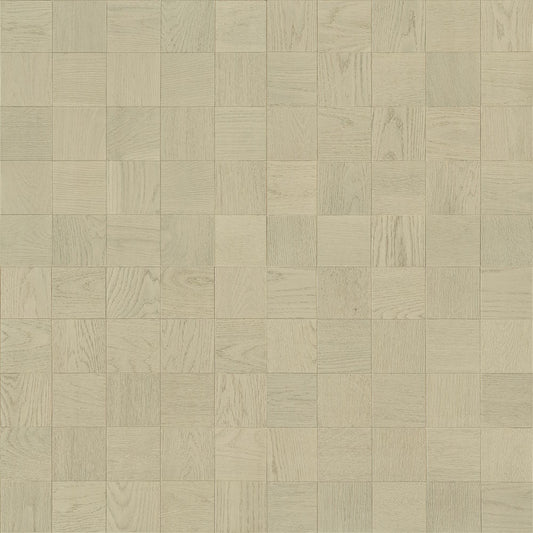
Parquet - Cosmic (AB) | 5/8” 4mm 23.6x23.6 Engineered Hardwood | Celeste Floors
Vendor:Celeste Floors$18.18 / sq. ft. $501.00 per carton · 27.56 sq. ft. / carton15.0mm4mil31.5x31.5 -
Parquet - Kolar (AB) | 5/8” 4mm 23.6x23.6 Engineered Hardwood | Celeste Floors
Vendor:Celeste Floors$18.18 / sq. ft. $501.00 per carton · 27.56 sq. ft. / carton15.0mm4mil31.5x31.5 -
Parquet - Libra (AB) | 5/8” 4mm 23.6x23.6 Engineered Hardwood | Celeste Floors
Vendor:Celeste Floors$18.18 / sq. ft. $501.00 per carton · 27.56 sq. ft. / carton15.0mm4mil31.5x31.5 -
Parquet - Nantes (AB) | 5/8” 4mm 31.5x31.5 Engineered Hardwood | Celeste Floors
Vendor:Celeste Floors$21.99 / sq. ft. $606.10 per carton · 27.56 sq. ft. / carton15.0mm4mil31.5x31.5 -
Parquet - Pluto (AB) | 5/8” 4mm 23.6x23.6 Engineered Hardwood | Celeste Floors
Vendor:Celeste Floors$18.18 / sq. ft. $501.00 per carton · 27.56 sq. ft. / carton15.0mm4mil31.5x31.5 -
Westwind Premium - Bandera | 3/8” 1.5mm 7.5x84RL Engineered Hardwood | SLCC Flooring
Vendor:SLCC Flooring$5.94 / sq. ft. $204.00 per carton · 34.36 sq. ft. / carton9.5mm7.5x84RL -
Westwind Premium - Wimberley | 3/8” 1.5mm 7.5x84RL Engineered Hardwood | SLCC Flooring
Vendor:SLCC Flooring$5.79 / sq. ft. $199.00 per carton · 34.36 sq. ft. / carton9.5mm7.5x84RL -
Hudson - Copper | 3/4” 3.25x12-84RL Red Oak Solid Hardwood | Portercraft
Vendor:Portercraft FloorsRegular price $0.00 USDRegular price












Oak Hardwood Flooring
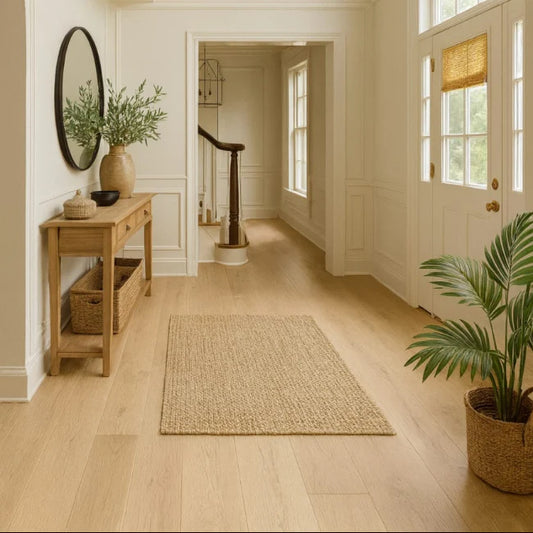
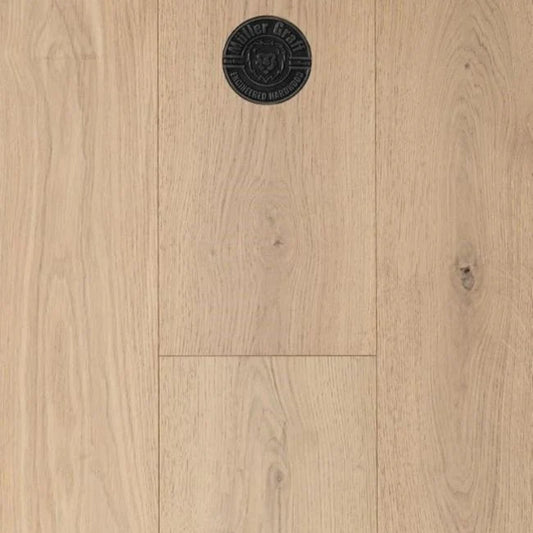
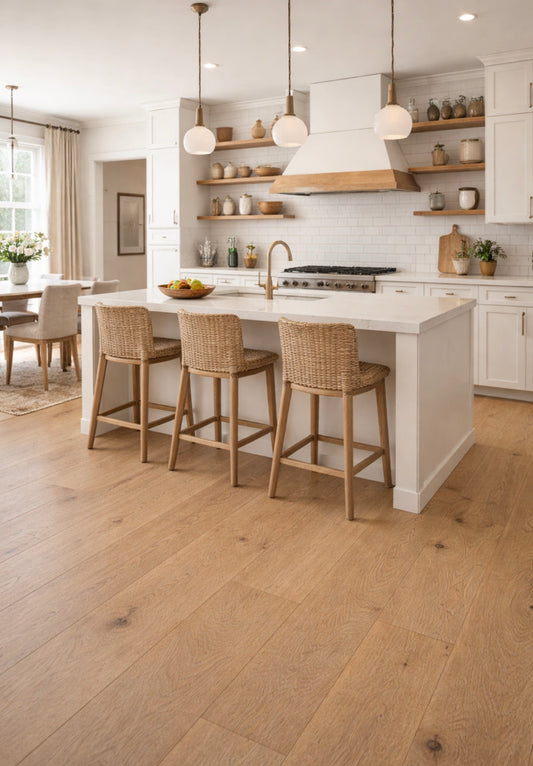
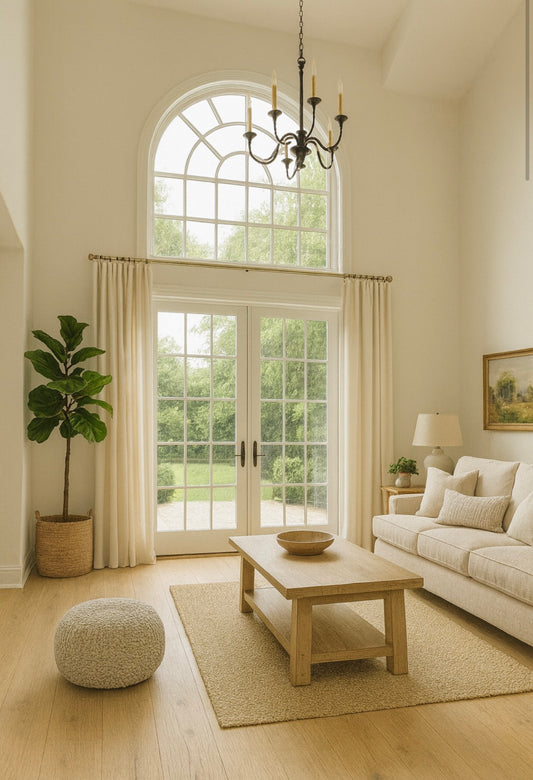
Oak hardwood flooring combines the recognizable grain of genuine oak with a range of constructions and surface treatments. This collection focuses on real oak floors, including verified solid and engineered options. It excludes vinyl and laminate products that use an oak inspired image rather than an actual oak walking surface.
Start with the species and construction, then consider the finish and dimensions. Two oak floors can have very different appearances because staining, brushing, board selection and sheen change what you see. Samples and complete specifications help you compare the material rather than relying on an oak color name.
Red Oak, White Oak and European Oak
Red oak and white oak are different species. Their natural grain and color characteristics influence the finished appearance, but the stain and coating can change how strongly those differences show. An individual board may also look different from another board of the same species.
European oak is another useful product category when the published specification identifies that material. Browse European oak engineered hardwood flooring to compare genuine oak faces across different board formats and finishes.
Do not identify a species solely from a photograph or a product’s decorative color name. Check the stated wood species. A pale finish does not make red oak into white oak, and a wood look vinyl plank does not become hardwood because its design imitates oak.
Solid Oak and Engineered Oak Construction
Solid oak flooring is wood throughout the board thickness. Engineered oak combines an oak face with a layered supporting structure. Both provide a real wood walking surface, while their installation permissions and usable surface thickness can differ.
Explore solid hardwood flooring to compare traditional full wood boards. Confirm the species on each listing because the broader collection also includes other hardwood materials.
Compare engineered hardwood flooring when you want to assess layered real wood constructions. Approval for concrete, floating installation or other applications must be confirmed for the exact board. Engineered construction can broaden the available options, but it does not make every product suitable for every substrate.
Choosing Oak Grain and Natural Variation
Oak grain is part of what makes the material appealing. The finished floor may show more pronounced grain, gentler movement or a range of knots and natural features. Board selection and finish treatment influence the overall effect.
Look at several boards together where possible. A single sample might show a clear section while the full installation contains more variation. Room scenes and published variation guidance can help you understand the intended appearance.
Decide whether you want the grain to stand out or form a quieter foundation beneath furniture. Compare it with cabinet grain and patterned stone. Coordinating materials does not require an exact match, and visible differences in tone or scale can create a more deliberate design.
Light, Natural and Deeper Oak Finishes
Light oak can support bright interiors, pale walls and understated cabinetry. Natural warm finishes may connect with cream, stone and woven materials. Deeper finishes create more contrast and can emphasize the grain differently.
Browse white oak engineered hardwood flooring for a species focused comparison. White oak describes the wood species rather than a promise that every finish will be pale.
Check undertone in your actual room. Warm evening lights and cool daylight can change how the same sample appears. Place it flat beside cabinets, wall finishes and adjoining flooring. Assess sheen as well as color, since reflection can noticeably affect a large installed surface.
Wide Planks and Random Lengths
Wider oak planks display larger areas of grain. They can create a spacious visual effect, particularly across connected rooms. Narrower formats create more board divisions and a different rhythm.
Explore wide plank engineered hardwood flooring when the width is central to the design. Confirm the oak species separately because a width based collection may include more than one hardwood species.
Random length boards add another layout consideration. A published maximum length is not a guarantee that every board reaches that length. Compare the length range and discuss the layout with the installer. Plan cuts and additional material around the actual room shape rather than only its total area.
Brushed Surfaces, Finish and Sheen
Brushing can emphasize the grain texture of oak, while smoother surfaces provide another look and feel. Distressed treatments add further character. These options affect appearance and maintenance preferences, but they do not eliminate normal surface wear.
Compare wire brushed engineered hardwood flooring if grain texture appeals to you. Review a physical sample to assess the surface, bevel and reflection under the room’s lighting.
Choose the finish with daily life in mind. A matte surface and a glossier surface show light differently, and textured wood still needs grit removed regularly. Furniture protection and appropriate cleaning matter across all of these finish choices.
Oak Flooring for Living and Dining Rooms
Oak can form a consistent foundation across a living room, dining room and hallway. Consider the major fixed surfaces first, including fireplaces, cabinets and trim. Then compare the floor with furniture and textiles.
Repeated chair movement in a dining area needs suitable furniture protection. Entry routes need practical ways to reduce tracked grit. Pets and heavy furniture bring additional care considerations that should influence the household routine.
Room suitability should also be checked technically. Real oak responds to moisture and indoor conditions. A beautiful board should be installed only where the construction and manufacturer’s instructions support the application.
Installation, Thickness and Future Care
Review total thickness, installation method and finished height together. Engineered veneer thickness describes the oak face, while overall thickness describes the entire board. Solid hardwood also has limits around the usable material above its joints.
Refinishing potential requires professional assessment. The original specification, previous sanding, surface treatment and board condition all matter. A veneer measurement alone does not promise a particular number of refinishing cycles.
Concrete needs proper moisture testing and preparation where installation is permitted. Wood subfloors need appropriate support and flatness. Check indoor conditions before and after installation, and follow the manufacturer’s care instructions throughout the year.
How to Compare Oak Floors Before Ordering
Use samples to narrow the species, undertone and surface texture. Review them during the day and with the lights you normally use at night. Ask to see a broader representation when the floor has significant variation.
Once the design is settled, confirm the exact board dimensions and construction. Discuss adhesive or fastening requirements, underlayment where permitted, movement details and transitions with the installer. Include these items in the project comparison.
Measure carefully and plan appropriate additional material for cuts and layout. Keep some matching boards for potential repairs. Choosing genuine oak is the start of the decision; checking the installation and care needs makes that decision complete.
Frequently Asked Questions
Is all oak flooring real hardwood?
No. Vinyl and laminate may use oak inspired images. This collection focuses on products with a verified genuine oak surface, either in solid or engineered construction.
Are red oak and white oak the same wood?
No. They are different species with different natural characteristics. Finish treatments can alter their appearance, so check the stated species rather than identifying it only from the color.
Does white oak flooring have to be light?
No. White oak is a species name. It can be supplied with light, natural or deeper finishes, depending on the product’s stain and surface treatment.
Is engineered oak real oak?
Yes, when the board has a genuine oak face. Its supporting layers use a different construction from solid oak, so compare veneer, overall thickness and installation approval separately.
Can oak flooring be installed in a kitchen?
Selected products may permit that room, but real wood needs careful spill management and suitable conditions. Review the exact instructions and your household’s moisture exposure before choosing it.
How do I choose between oak finishes?
Compare samples beside your fixed finishes under real lighting. Evaluate grain, undertone, texture and sheen, then confirm that the board also fits your substrate and installation plan.
Explore related flooring
Browse related flooring collections, brands and styles before making your final choice.