European Oak Engineered Hardwood Flooring
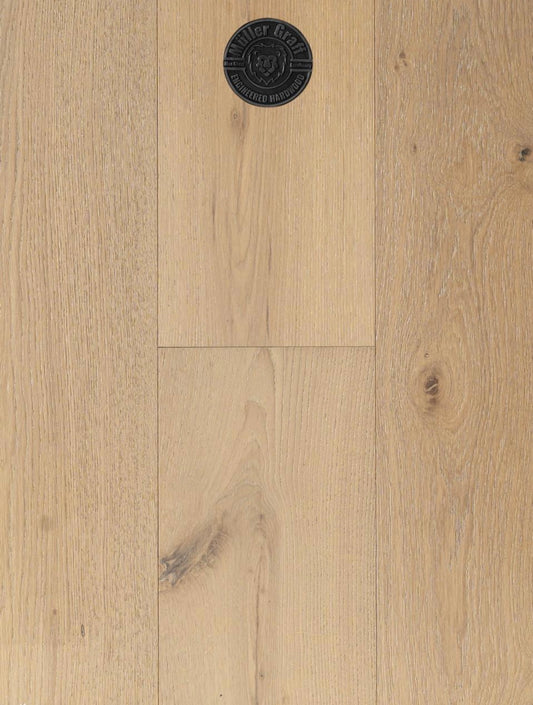
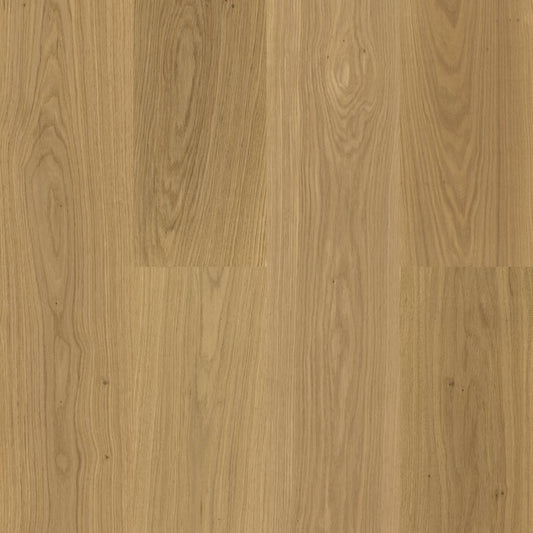
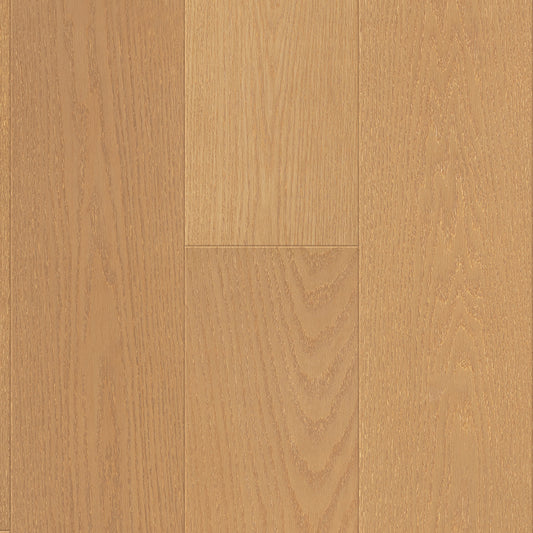
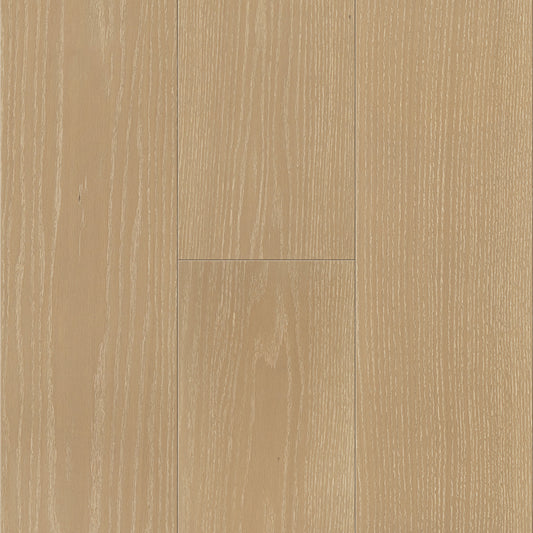
European oak engineered hardwood flooring combines a genuine European oak surface with a stable multilayer core. It is valued for broad grain patterns, wide-plank availability, natural tonal movement, and the ability to accept a diverse range of stains and finishes.
European oak generally refers to oak sourced from European-grown Quercus species, frequently Quercus robur or Quercus petraea. Origin and species should be verified through manufacturer documentation rather than assumed from a color name or visual style.
Products qualifying for this collection should have a confirmed European oak wear layer. Oak-look vinyl, laminate, and products with unspecified wood species belong elsewhere.
What Makes European Oak Distinctive?
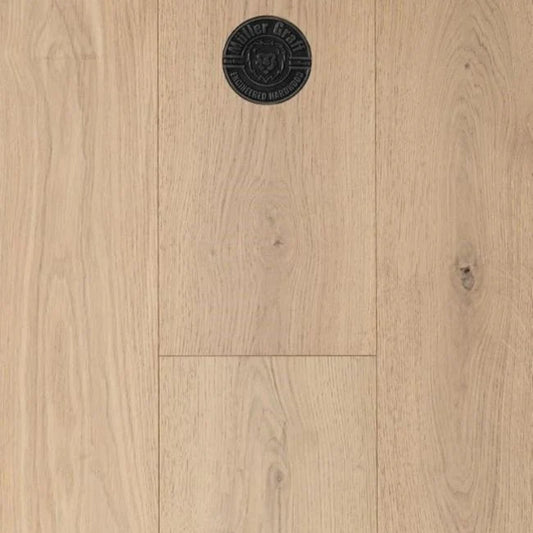
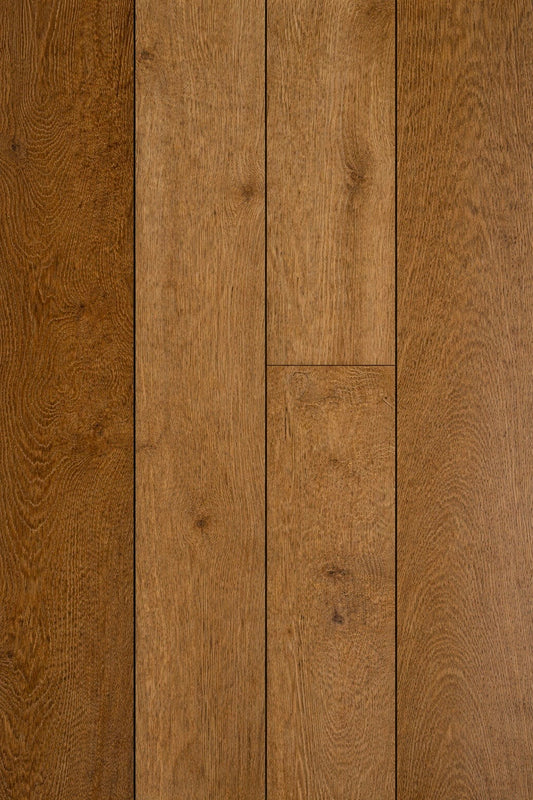
European oak is often cut and graded to emphasize natural character. Depending on the selected grade, planks may display:
- Long flowing grain
- Natural knots
- Mineral streaks
- Color variation
- Filled splits
- Sapwood
- Medullary rays
- Rustic character
- Subtle surface checking
- Hand-finished effects
These characteristics are not necessarily defects. They form part of the intended appearance when allowed by the product grade.
European Oak Versus American White Oak
European oak and American white oak are related but can differ in grain, growth patterns, grading, coloration, and manufacturing traditions.
European oak commonly features:
- Broad natural variation
- Prominent character
- Wide-plank formats
- Long boards
- Neutral and warm stains
- Rustic or select grades
- Smoked or reactive finishes
- Wire-brushed textures
American white oak may offer its own characteristic grain, color, and domestic grading. Neither is universally better.
Engineered Construction
European oak engineered flooring places a genuine oak surface over a layered supporting core. Cross-oriented core layers help reduce the movement associated with solid wide-plank wood.
Construction may include:
- UV lacquer or oil finish
- European oak wear layer
- Adhesive bond
- Multilayer plywood core
- Stabilizing backing
- Tongue-and-groove edge
Engineered construction improves stability but does not make oak waterproof.
Wide European Oak Planks
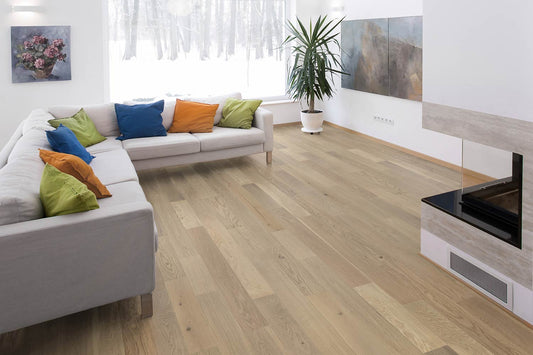
European oak is strongly associated with wide boards. Plank widths may exceed seven, eight, or nine inches, producing expansive grain presentation and fewer seams.
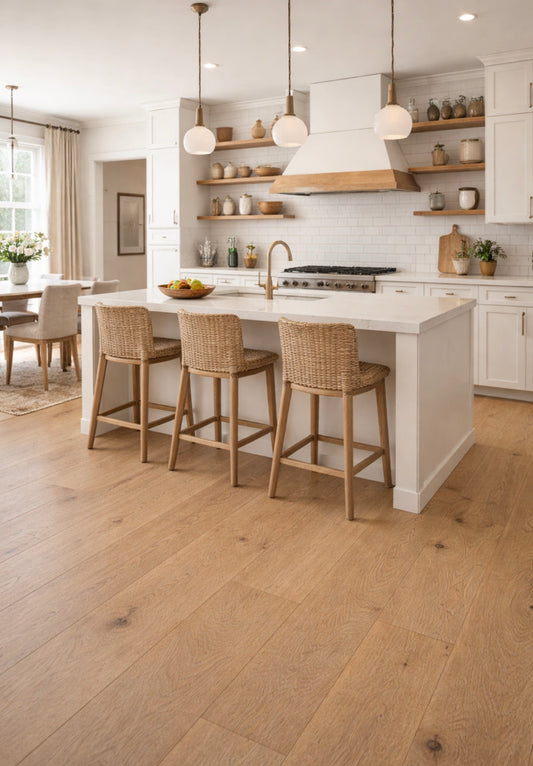
Wide floors can complement:
- Open-plan homes
- Great rooms
- Dining rooms
- Bedrooms
- Contemporary interiors
- Modern farmhouse designs
- European-inspired spaces
- Luxury renovations
Subfloor preparation, indoor humidity, and installation quality become increasingly important as plank width grows.
Long European Oak Boards
Long boards may create uninterrupted grain and reduce end-joint frequency. Products can include fixed lengths, random lengths, or maximum-length specifications.
Before ordering, confirm:
- Exact length
- Average length
- Short-board percentage
- Fixed versus random format
- Carton composition
- Square feet per carton
- Installation waste
- Required end-joint spacing
A product advertised as reaching 86 inches may contain boards of several lengths.
European Oak Grades
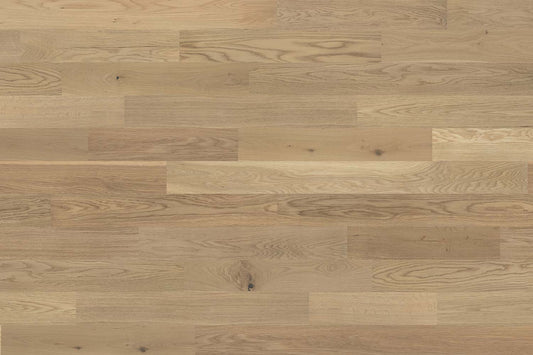
Grading influences the amount of natural character visible in the flooring. Names differ by manufacturer, but common categories may resemble select, natural, character, rustic, or country grade.
Select grades may contain:
- More consistent color
- Fewer large knots
- Limited sapwood
- Cleaner visual movement
Character or rustic grades may feature:
- Larger knots
- Filled cracks
- Strong color variation
- Mineral streaks
- Visible sapwood
- More dramatic grain
Review multiple samples and installed-room photography before buying.
Popular European Oak Colors
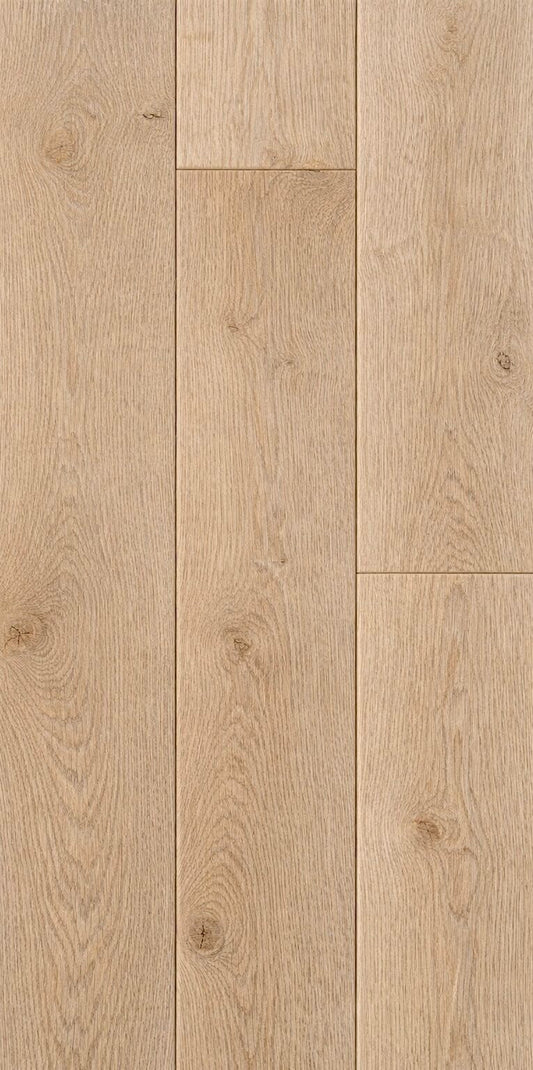
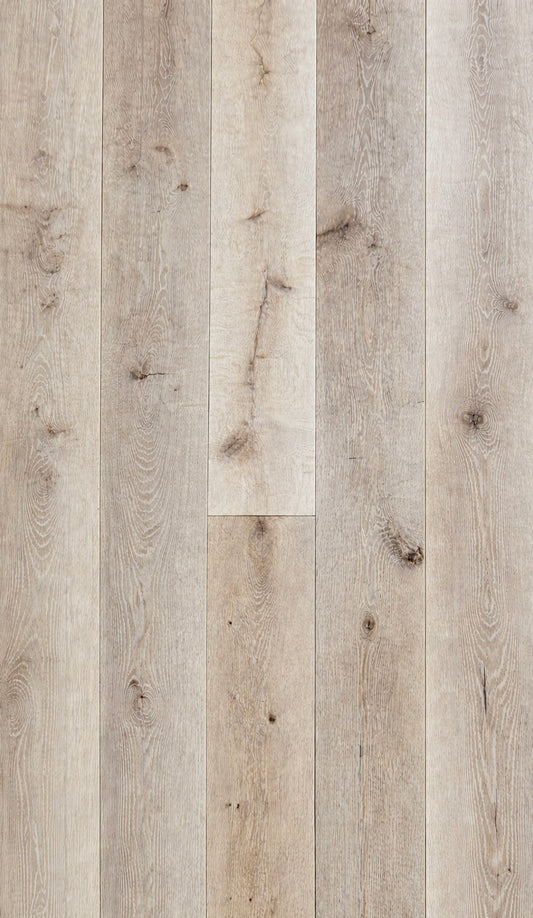
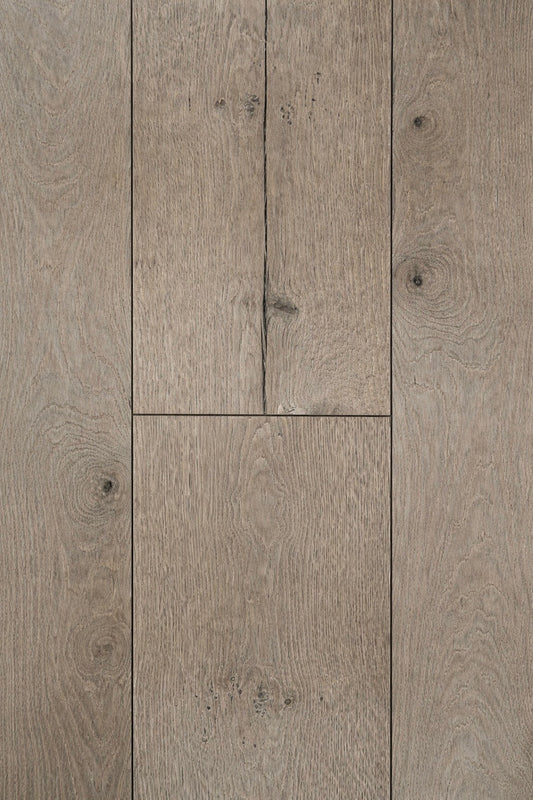
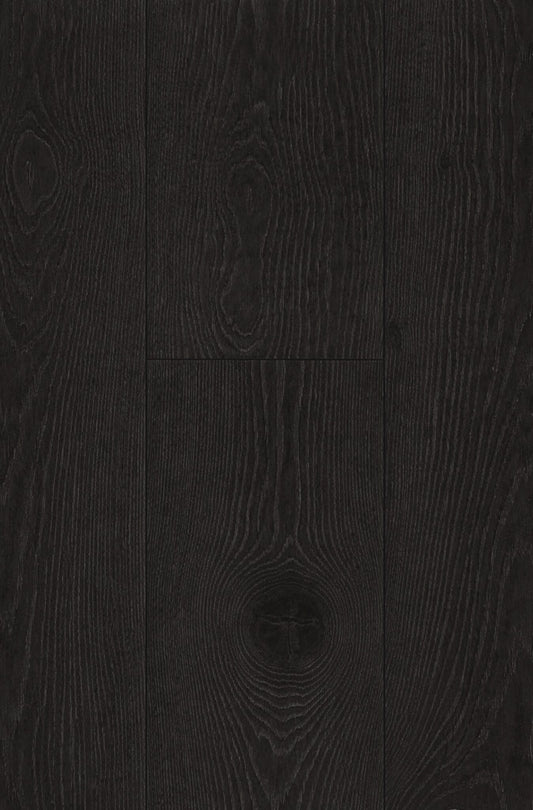
European oak can be finished in many tones, including:
- Natural oak
- Pale beige
- Whitewashed oak
- Honey
- Warm tan
- Greige
- Smoked brown
- Medium walnut
- Deep espresso
- Muted gray-brown
Color can change under daylight, warm LEDs, cool LEDs, and surrounding cabinet finishes. Physical samples should be examined in the intended room.
Wire-Brushed European Oak
Wire brushing removes portions of softer grain and emphasizes the harder grain structure. This produces tactile character and may help disguise small surface marks.
Wire-brushed floors can suit:
- Pet-friendly homes
- Active households
- Rustic interiors
- Transitional designs
- Matte finishes
- Natural-oak colors
The texture does not make the floor scratch-proof. Deep brushing may also require more detailed cleaning.
Finish Options
European oak may use UV lacquer, UV oil, hardwax oil, urethane, or other factory systems.
UV lacquer may provide:
- Factory-cured protection
- Consistent coating
- Straightforward maintenance
- Matte or low-luster appearance
- Resistance to ordinary stains
Oiled floors may provide:
- Natural tactile character
- Penetrating protection
- Localized maintenance possibilities
- Lower-build appearance
Care requirements differ significantly, so the correct cleaning system is essential.
Installation Over Concrete
Selected European oak engineered hardwood can be glued over prepared concrete. The slab must be moisture tested and meet the manufacturer’s tolerances.
Check:
- Slab moisture
- Flatness
- Approved adhesive
- Moisture-control requirements
- Grade-level approval
- Surface contamination
- Crack treatment
- Perimeter expansion
- Indoor temperature
- Humidity
Waterproof adhesive does not make the wood surface waterproof.
Frequently Asked Questions
Is European oak engineered hardwood real wood?
Yes. Qualifying flooring has a genuine European oak surface bonded to an engineered core.
What makes European oak different from white oak?
It may differ in species, sourcing, grain, grading, plank proportions, and finishing traditions.
Is European oak durable?
It can provide durable residential performance when paired with a quality finish, suitable construction, and proper maintenance.
Is European oak waterproof?
No. Engineered European oak contains real wood and requires moisture control.
Why is European oak commonly sold in wide planks?
Its grain and engineered construction work well with expansive plank proportions, although stability requirements still apply.
Do knots count as defects?
Not when they fall within the published grade and are part of the intended natural character.
Can European oak be refinished?
Selected products may be refinished depending on wear-layer thickness, construction, and manufacturer guidance.
Can it be installed over concrete?
Many engineered products can be glued over properly prepared and moisture-tested concrete.
Does European oak change color?
Yes. Genuine wood can mature or shift in tone through oxidation and light exposure.
Should I order samples?
Yes. Natural variation, lighting, texture, and surrounding finishes can make physical samples look different from online images.