
Collection: Wide Plank Engineered Hardwood Flooring
Shop wide plank engineered hardwood flooring with broad genuine wood surfaces. Compare actual board width, length, veneer thickness and finish, then choose proportions that suit your room and installation plan.
-
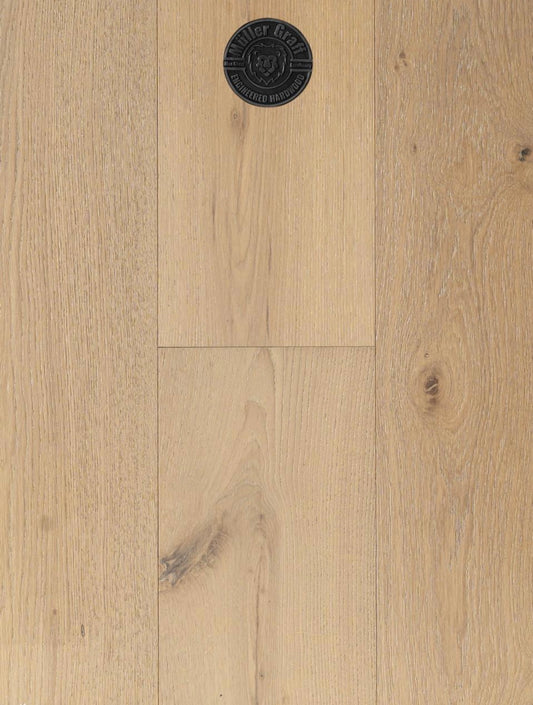
Italia Classics Amalfi European Oak Engineered Hardwood | 4mm wear layer 5/8 (15mm) 9.44” x 86.61” | Muller Graff
Vendor:Muller Graff$8.70 / sq. ft. $197.60 per carton · 22.72 sq. ft. / carton15.0mm9.44x86.61 -
Italia Classics Alba European Oak Engineered Hardwood | 4mm wear layer 5/8” 9.44” x 86.61” | Muller Graff
Vendor:Muller Graff$8.70 / sq. ft. $197.60 per carton · 22.72 sq. ft. / carton15.0mm9.44x86.61 -
Italia Classics Rivoli European Oak Engineered Hardwood | 4mm wear layer 5/8 (15mm) 9.44” x 86.61” | Muller Graff
Vendor:Muller Graff$8.70 / sq. ft. $197.60 per carton · 22.72 sq. ft. / carton15.0mm9.44x86.61 -
Italia Classics Campania European Oak Engineered Hardwood | 4mm wear layer 5/8 (15mm) 9.44” x 86.61” | Muller Graff
Vendor:Muller Graff$8.70 / sq. ft. $197.60 per carton · 22.72 sq. ft. / carton15.0mm9.44x86.61 -
Italia Classics Calabria European Oak Engineered Hardwood | 4mm wear layer 5/8 (15mm) 9.44” x 86.61” | Muller Graff
Vendor:Muller Graff$8.70 / sq. ft. $197.60 per carton · 22.72 sq. ft. / carton15.0mm9.44x86.61 -
Villa Castle - Hearst | 4mm 3/4” 10.25x96RL European Oak Engineered Hardwood | SLCC
Vendor:SLCC Flooring$11.29 / sq. ft. $303.40 per carton · 26.87 sq. ft. / carton19.0mm10.25x96RL -
Westwind Premium - Wimberley | 3/8” 1.5mm 7.5x84RL Engineered Hardwood | SLCC Flooring
Vendor:SLCC Flooring$5.79 / sq. ft. $199.00 per carton · 34.36 sq. ft. / carton9.5mm7.5x84RL -
Milky Way Select - Gemini | 4mm veneer 5/8” 9.5x84 RL | Celeste Floors
Vendor:Celeste Floors$12.59 / sq. ft. $429.30 per carton · 34.11 sq. ft. / carton15.0mm9.5x84RL -
Milky Way Select - Galia | 4mm veneer 5/8” 9.5x84 RL | Celeste Floors
Vendor:Celeste Floors$12.59 / sq. ft. $429.30 per carton · 34.11 sq. ft. / carton15.0mm9.5x84RL -
Milky Way Select - Kyber | 4mm veneer 5/8” 9.5x84 RL | Celeste Floors
Vendor:Celeste Floors$12.59 / sq. ft. $429.30 per carton · 34.11 sq. ft. / carton15.0mm9.5x84RL -
Villa Castle - Westminster | 4mm 3/4” 10.25x96RL European Oak Engineered Hardwood | SLCC
Vendor:SLCC Flooring$11.29 / sq. ft. $303.40 per carton · 26.87 sq. ft. / carton19.0mm10.25x96RL -
Villa Castle - Sagrada | 4mm 3/4” 10.25x96RL European Oak Engineered Hardwood | SLCC
Vendor:SLCC Flooring$11.29 / sq. ft. $303.40 per carton · 26.87 sq. ft. / carton19.0mm10.25x96RL -
Villa Castle - Milan | 4mm 3/4” 10.25x96RL European Oak Engineered Hardwood | SLCC
Vendor:SLCC Flooring$11.29 / sq. ft. $303.40 per carton · 26.87 sq. ft. / carton19.0mm10.25x96RL -
Villa Castle - Cologne | 4mm 3/4” 10.25x96RL European Oak Engineered Hardwood | SLCC
Vendor:SLCC Flooring$11.29 / sq. ft. $303.40 per carton · 26.87 sq. ft. / carton19.0mm10.25x96RL -
Villa Castle - Boldt | 4mm 3/4” 10.25x96RL European Oak Engineered Hardwood | SLCC
Vendor:SLCC Flooring$11.29 / sq. ft. $303.40 per carton · 26.87 sq. ft. / carton19.0mm10.25x96RL -
Italia Classics Brescia European Oak Engineered Hardwood | 2.2mm wear layer 9/16” (14mm) 8.66” x 86.61” | Muller Graff
Vendor:Muller Graff$8.49 / sq. ft. $176.90 per carton · 20.83 sq. ft. / carton14.0mm8.66x86.61
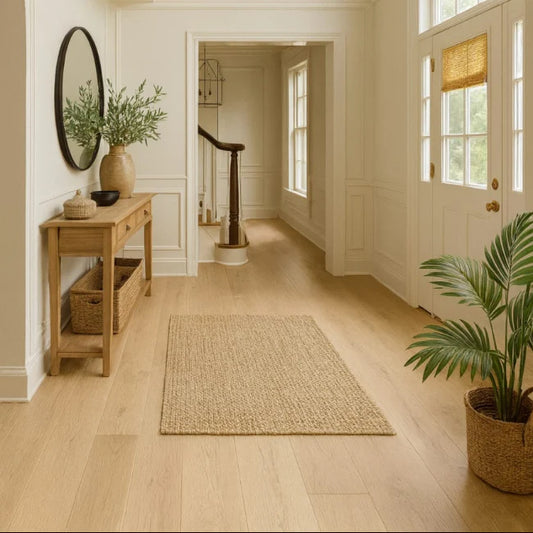
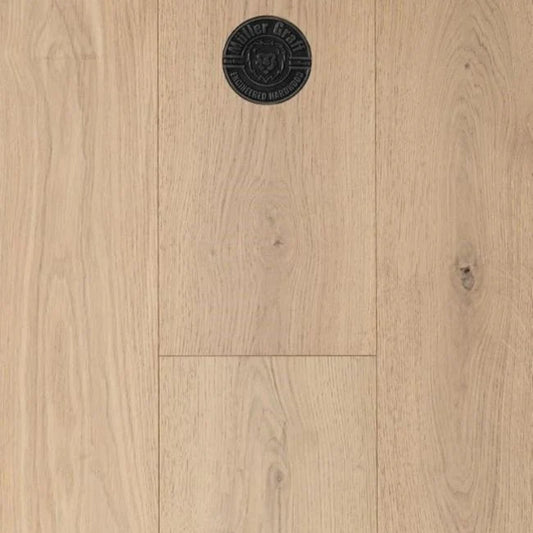


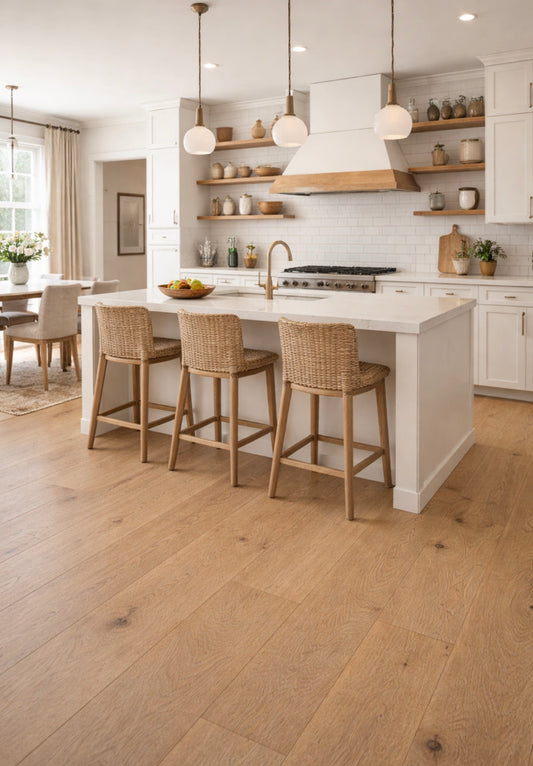
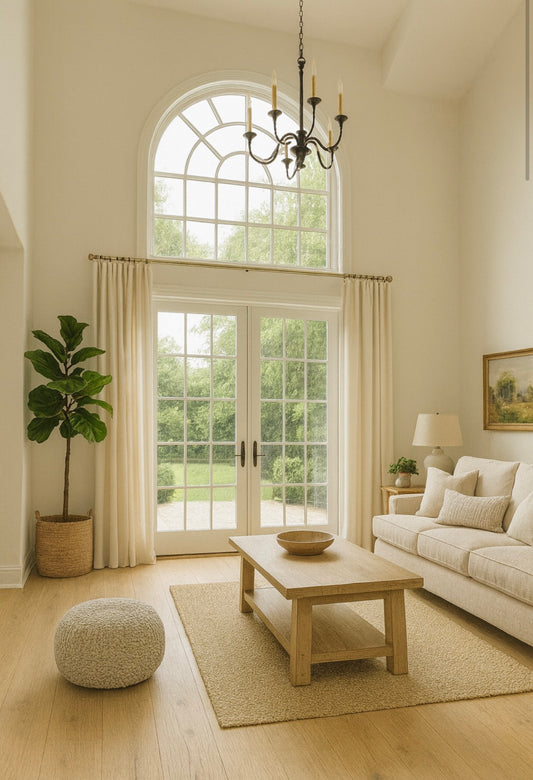





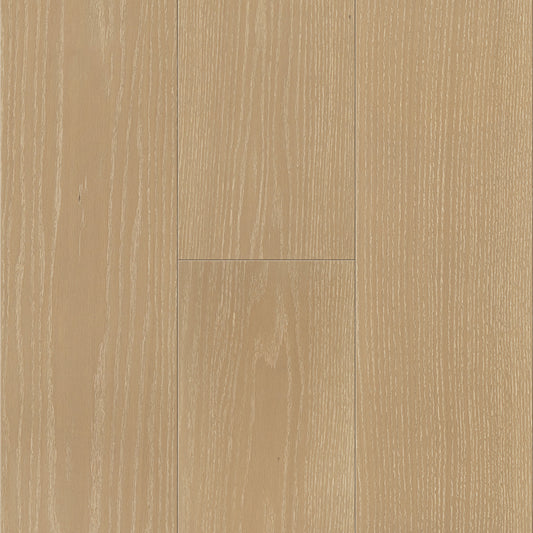

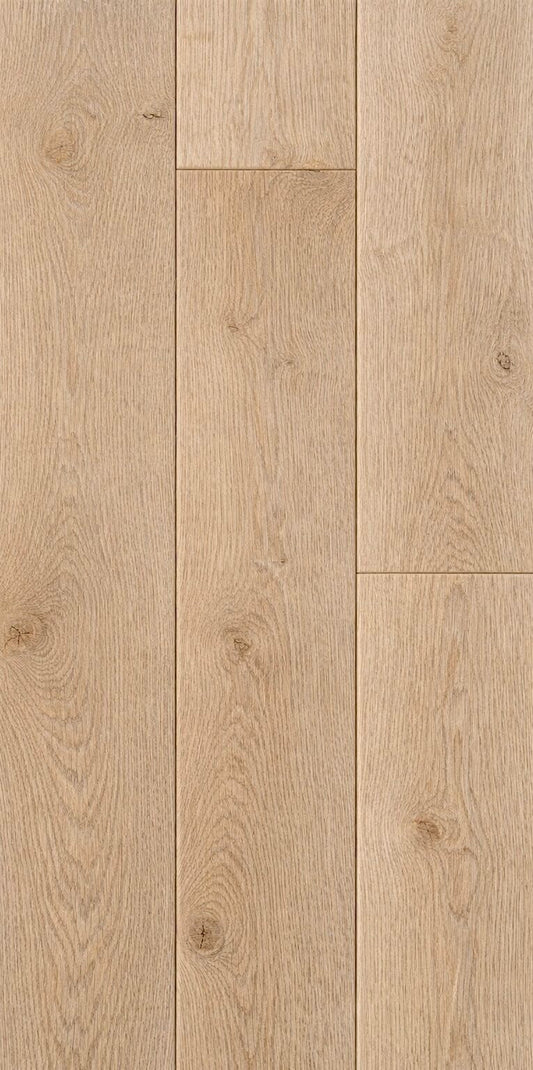

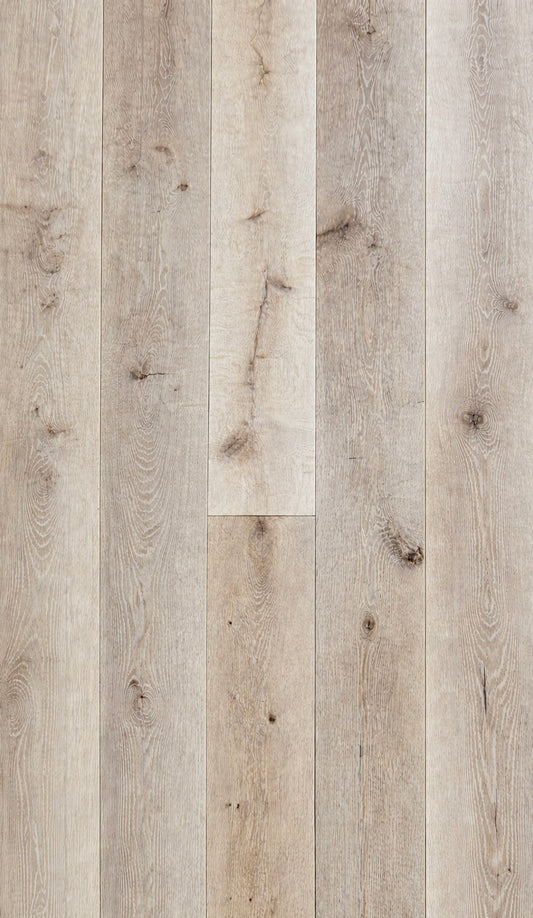

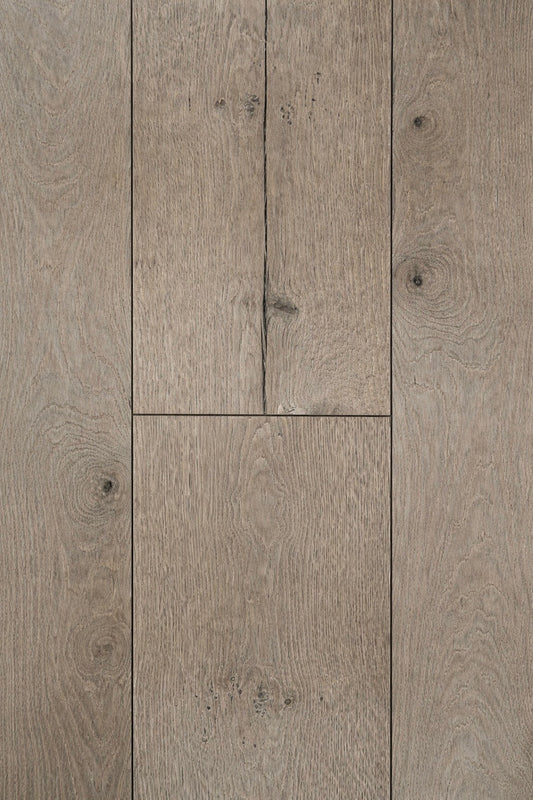

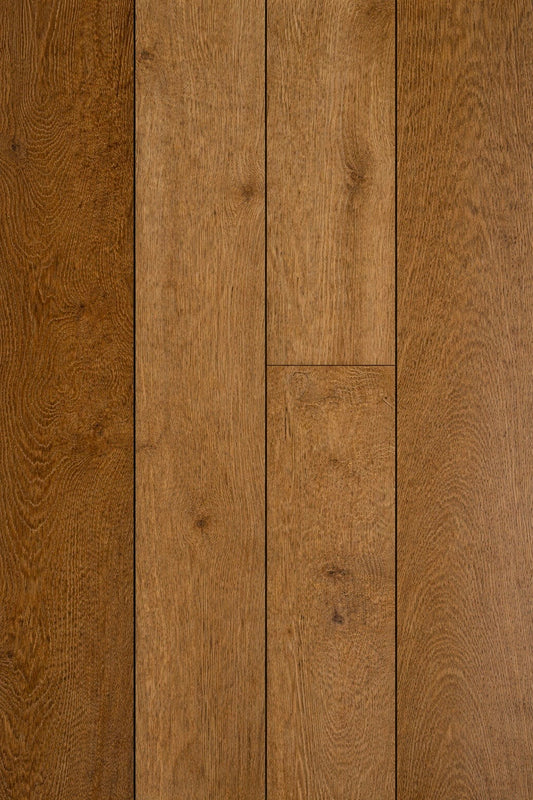


Choosing Wide Plank Engineered Hardwood Flooring
Shop wide plank engineered hardwood flooring with broad genuine wood surfaces. Compare actual board width, length, veneer thickness and finish, then choose proportions that suit your room and installation plan.
Choose proportions using actual dimensions
Wide boards show more grain across each plank and change the rhythm of the installed floor. Compare the stated widths rather than relying on the word wide alone. Review whether lengths are fixed or random and how the boards will meet hallways and doorways. Full-room photographs help you assess scale alongside a physical finish sample.
Plan for support and indoor conditions
Wide engineered hardwood still responds to moisture and seasonal conditions. Confirm the product's required indoor humidity, subfloor moisture limits and approved installation method. Review adhesive or fastening requirements for that specific width. Check finished height and transitions as well as veneer thickness before ordering your project quantity.
Questions before ordering
Is wide plank flooring only for large rooms?
No. It can work in smaller spaces when the layout is planned well. Compare board proportions with the room and avoid awkwardly narrow rows at the perimeter.
Does wide plank mean a thicker veneer?
No. Plank width and veneer thickness are independent specifications. Check both, together with the supporting construction and finish.
Samples, quantities and delivery
Request free samples from eligible product pages to compare the finish at home. Measure your rooms, agree a cutting allowance with your installer and round up using the exact carton coverage. Confirm supplier availability before scheduling installation. Retail delivery options are $199 residential curbside delivery with liftgate or $99 terminal pickup.
Explore related flooring
Browse Engineered Hardwood.
Browse European Oak Engineered Hardwood Flooring.
Explore related flooring
Browse related flooring collections, brands and styles before making your final choice.