9-Inch Wide Engineered Hardwood Flooring
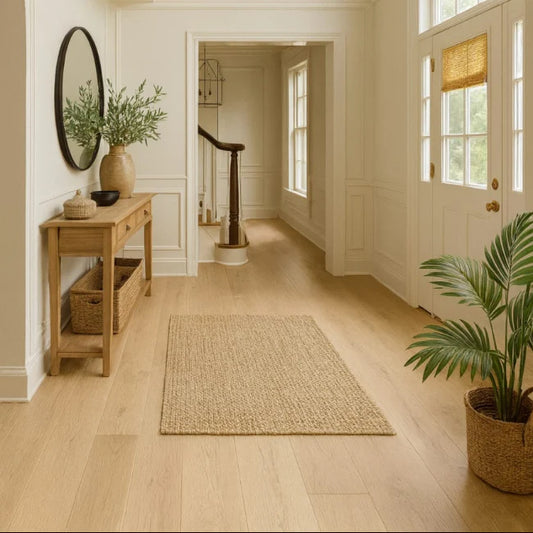
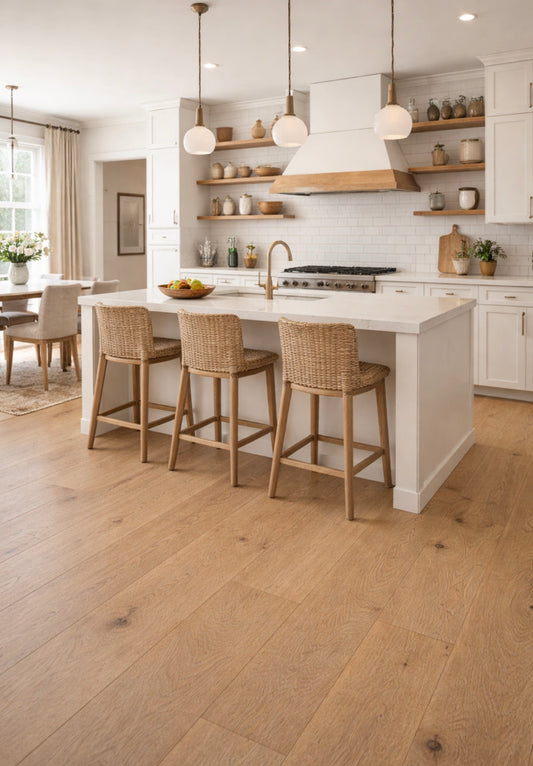
Nine-inch wide engineered hardwood flooring combines a genuine wood surface with expansive wide-plank proportions. A nine-inch board displays more uninterrupted grain than conventional narrow-strip flooring and creates fewer plank rows across an installed room.
Manufacturers may publish nearby measurements such as 8.86, 8.9, 9, or 9.4 inches. Products should qualify only when their documented width is reasonably classified within the nine-inch category. The exact measurement should remain visible on every product page rather than being replaced by a rounded collection label.
Why Choose Nine-Inch-Wide Hardwood?
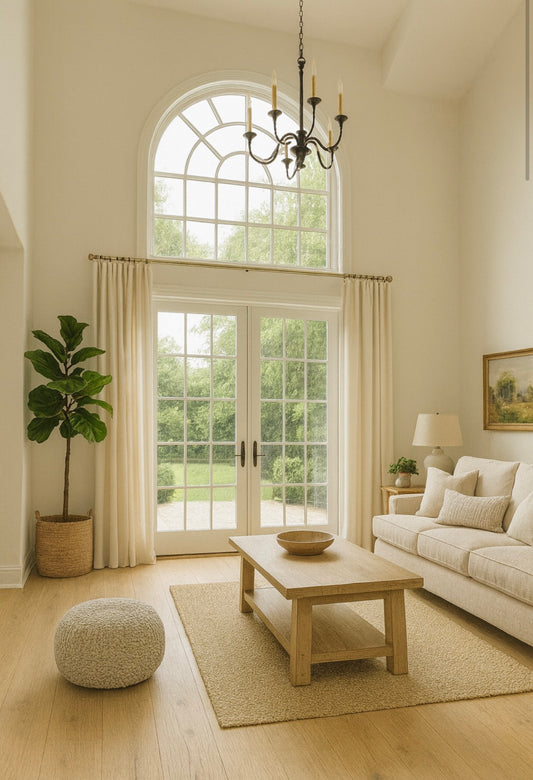
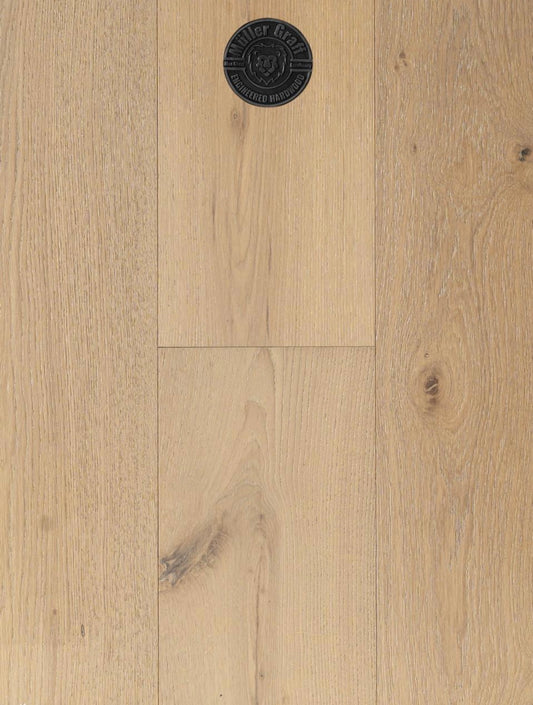
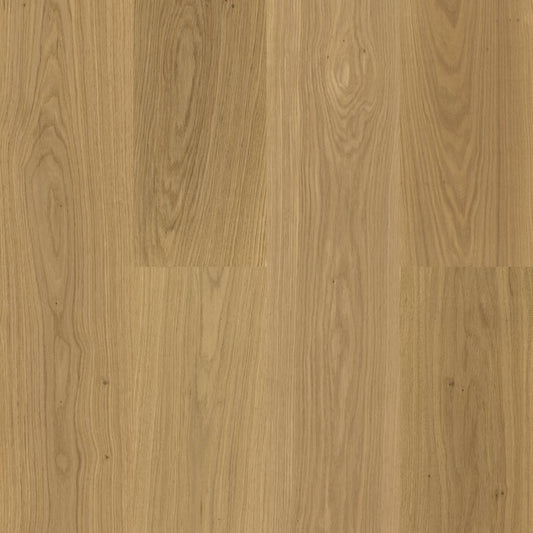
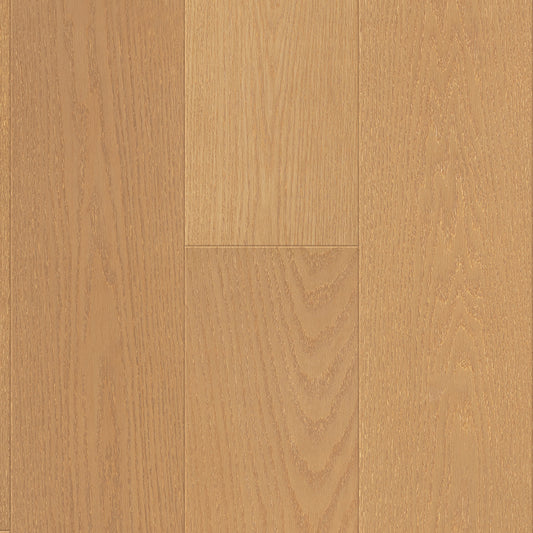
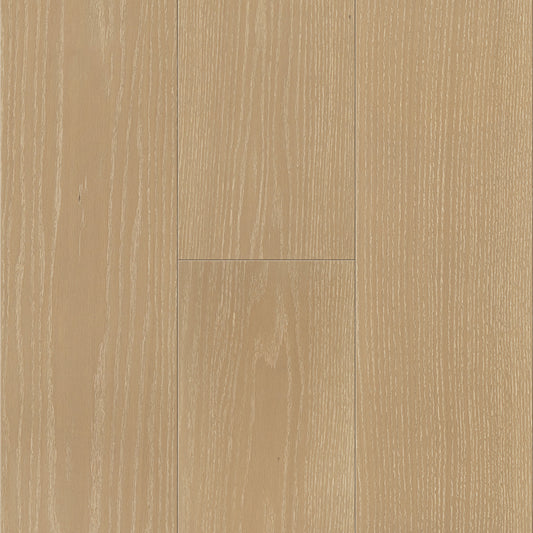
Nine-inch engineered hardwood can create a substantial architectural appearance in open living rooms, kitchens, dining spaces, bedrooms, and connected main levels. Wider boards allow knots, grain movement, mineral streaks, and tonal transitions to appear across a broader genuine wood surface.
Depending on the product, potential benefits include:
- Expansive wide-plank styling
- Fewer seams across the room
- Greater grain visibility
- Long-plank availability
- Strong room-to-room continuity
- Contemporary or traditional design options
- Genuine hardwood character
- Factory-applied finishes
- Multiple installation methods
- Selected professional refinishing potential
Width is primarily a dimensional and visual specification. It does not independently determine quality, stability, finish performance, or longevity.
Nine-Inch Versus Seven-Inch Planks
Seven-inch engineered hardwood is still considered wide plank, but it creates more rows and side seams across a room than a comparable nine-inch product.
Nine-inch planks may offer:
- Broader grain display
- Fewer plank rows
- Larger-scale proportions
- Stronger visual continuity
- A more expansive installed pattern
Seven-inch planks may provide:
- Wider product availability
- More moderate proportions
- Different price options
- Easier handling
- Greater suitability for some compact spaces
The better choice depends on the room, plank length, species, grade, color, budget, and installation conditions.
Nine-Inch Versus Ten-Inch Planks
The difference between nine- and ten-inch flooring is visually noticeable but relatively modest compared with the difference between wide planks and conventional narrow strips.
Compare:
- Exact published width
- Plank length
- Veneer thickness
- Total construction
- Wood grade
- Natural variation
- Subfloor requirements
- Installation instructions
- Material cost
- Room scale
A well-constructed nine-inch floor may be more appropriate than an unsuitable ten-inch product. Wider is not automatically better.
Plank Length and Proportion
Nine-inch widths are often paired with long boards to create balanced proportions. However, the published length may describe a fixed size, maximum size, average, or random-length mixture.
Confirm:
- Minimum length
- Maximum length
- Average length
- Fixed-length percentage
- Short-board percentage
- Carton distribution
- End-joint requirements
- Installation-rack instructions
Longer boards can reduce end joints and extend sightlines. They also require adequate delivery access, flat storage, careful handling, and a properly prepared substrate.
Genuine Wood Variation
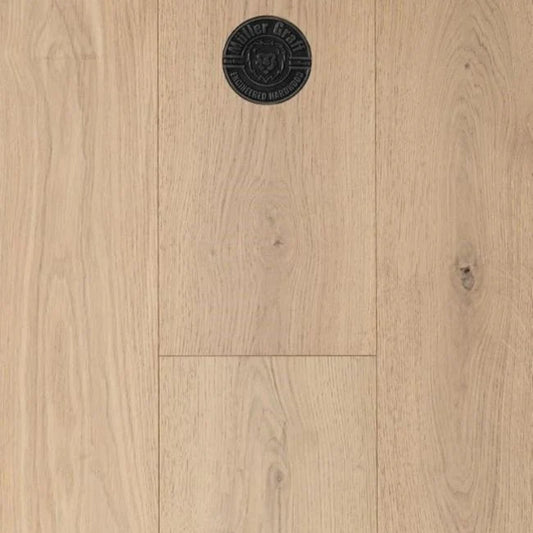
A nine-inch-wide hardwood surface may display more visible natural character within each board. Depending on species and grade, this may include:
- Knots
- Mineral streaks
- Sapwood
- Heartwood
- Grain changes
- Filled cracks
- Natural checking
- Reactive-stain variation
- Texture differences
- Board-to-board color movement
A small sample cannot represent the complete installed range. Open and mix several cartons during installation unless the manufacturer directs otherwise.
Species and Grade
Common wide-plank species may include white oak, European oak, hickory, maple, walnut, acacia, and other verified hardwoods.
Grade affects the amount of visible character. Select-grade products generally provide cleaner boards and more controlled variation. Character or rustic grades may include more knots, mineral markings, sapwood, and tonal contrast.
Grade terminology is not standardized. Review the manufacturer’s written grading description rather than assigning a grade from photographs.
Veneer Thickness
Veneer thickness describes the depth of genuine hardwood above the supporting core. It is separate from the nine-inch width and the total plank thickness.
A thicker veneer may provide greater professional refinishing potential, but refinishing also depends on:
- Bevel depth
- Surface texture
- Finish chemistry
- Existing damage
- Remaining wood above the tongue
- Installation method
- Manufacturer instructions
Do not promise a specific number of sanding cycles without written product guidance.
Subfloor Flatness
Wide and long planks require a flat substrate. High and low areas can contribute to movement, poor adhesive contact, locking-system stress, hollow spots, noise, and uneven joints.
The substrate should be:
- Structurally sound
- Dry
- Clean
- Securely fastened
- Flat within the published tolerance
- Free from active moisture
- Properly patched
- Compatible with the chosen installation
A nine-inch plank will not bridge or correct an uneven subfloor.
Installation Methods
Depending on the product, approved methods may include:
- Full-spread glue-down
- Nail-down
- Staple-down
- Glue-assisted nail-down
- Floating installation
Wide tongue-and-groove boards may require adhesive assistance even when they are mechanically fastened. Floating products may have room-size, underlayment, and transition requirements.
Use the exact manufacturer installation guide rather than general wide-plank assumptions.
Moisture and Indoor Humidity
Engineered hardwood remains genuine wood. Wide boards can respond visibly to unsuitable environmental conditions.
Maintain the manufacturer’s required temperature and relative-humidity range before, during, and after installation. Excessive or insufficient moisture may contribute to:
- Gapping
- Cupping
- Crowning
- Checking
- Edge movement
- Finish stress
- Delamination
- Permanent plank damage
Active moisture problems should be corrected before material is delivered.
Planning the Layout
A nine-inch floor should be planned around major sightlines, walls, islands, fireplaces, stairs, and connected rooms.
Review:
- Starting-wall straightness
- Final-row width
- Plank direction
- End-joint spacing
- Doorway transitions
- Board variation
- Feature areas
- Expansion space
- Stair-nosing dimensions
- Fixed cabinetry
Avoid creating an extremely narrow final row or clustering highly distinctive boards in one area.
Waste Allowance
Waste depends on room shape, board length, installation direction, natural board selection, closets, hallways, angled walls, and required joint staggering.
Complex layouts may require more material than simple rectangular rooms. Include appropriate attic stock for possible future repairs, since replacement colors and dimensions may change.
Cleaning and Care
Routine care may include:
- Vacuuming loose grit
- Using a hardwood-floor attachment
- Cleaning spills promptly
- Damp cleaning with approved products
- Protecting furniture feet
- Using compatible rug pads
- Avoiding steam mops
- Avoiding excessive water
- Maintaining indoor humidity
- Following finish-specific instructions
Frequently Asked Questions
Is nine-inch engineered hardwood considered wide plank?
Yes. A plank approximately nine inches wide is firmly within the wide-plank category.
Does nine-inch flooring make a room look larger?
Fewer seams and broader grain movement may create a more expansive visual effect, although color, direction, lighting, and furniture also matter.
Can nine-inch planks be installed in small rooms?
Yes. Wide flooring can work in small rooms when the color, plank length, layout, and proportions are appropriate.
Are nine-inch planks less stable?
Width alone does not determine stability. Core construction, species, moisture control, installation, and environment all matter.
Can nine-inch engineered hardwood be nailed down?
Selected products can, although adhesive assistance may also be required.
Can it be installed over concrete?
Selected products may be glued or floated over prepared concrete when expressly approved.
Does a wider board require a flatter subfloor?
Wide and long boards make substrate preparation especially important. Follow the product’s published flatness tolerance.
Is nine-inch hardwood waterproof?
No. Genuine hardwood requires moisture control and prompt spill cleanup.
Should boards be mixed between cartons?
Yes, unless directed otherwise. Mixing distributes natural color, grain, and character variation.
What should buyers compare besides width?
Compare length, veneer thickness, total thickness, species, grade, finish, core, installation approval, and environmental requirements.