
Collection: Floating Engineered Hardwood Flooring
Explore floating engineered hardwood flooring with genuine wood surfaces and manufacturer-approved floating installation. Compare colors, veneer thicknesses, plank sizes, joint systems, and finishes for your next flooring project.
-
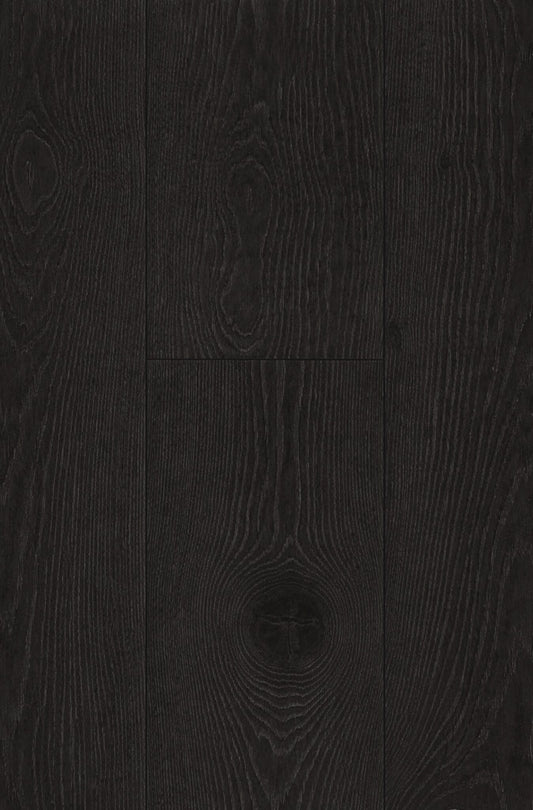
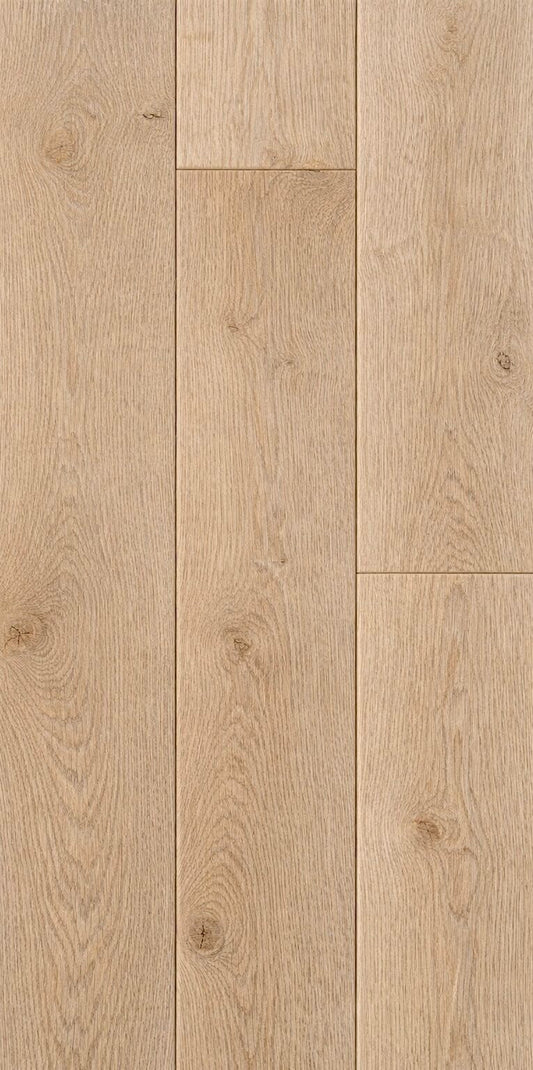
Villa Castle - Hearst | 4mm 3/4” 10.25x96RL European Oak Engineered Hardwood | SLCC
Vendor:SLCC Flooring$11.29 / sq. ft. $303.40 per carton · 26.87 sq. ft. / carton19.0mm10.25x96RL -
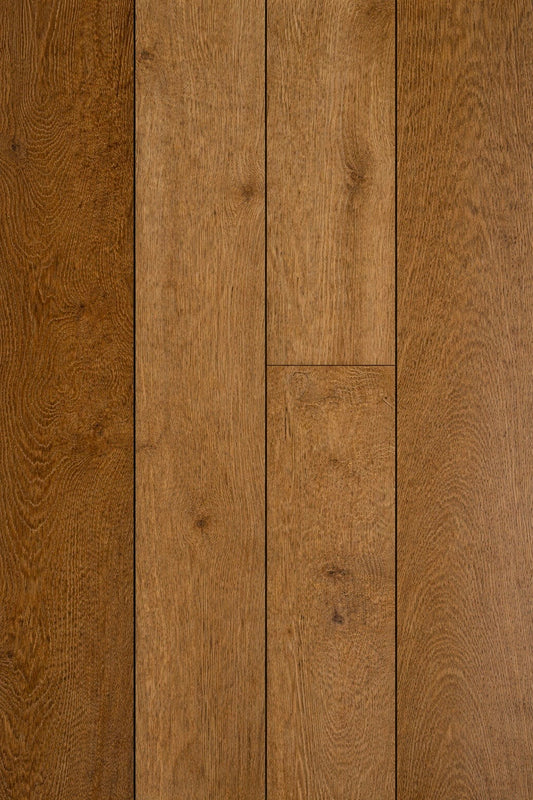
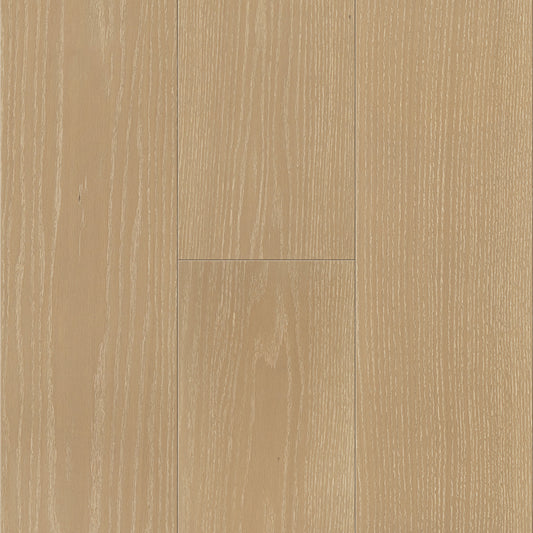
Villa Castle - Cologne | 4mm 3/4” 10.25x96RL European Oak Engineered Hardwood | SLCC
Vendor:SLCC Flooring$11.29 / sq. ft. $303.40 per carton · 26.87 sq. ft. / carton19.0mm10.25x96RL -
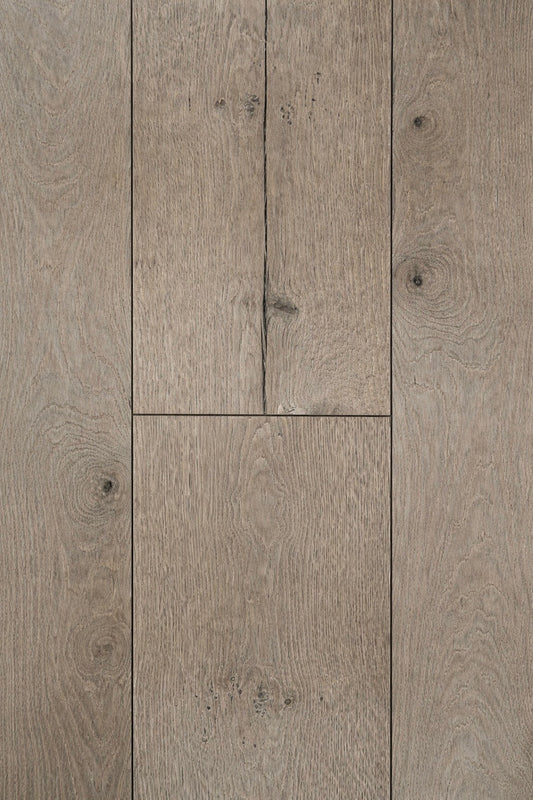
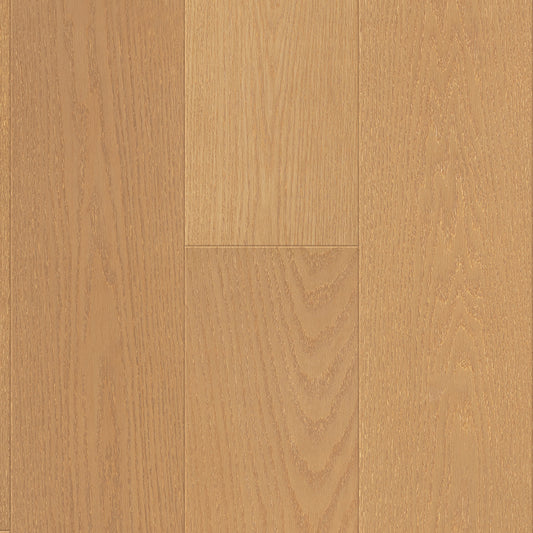
Villa Castle - Milan | 4mm 3/4” 10.25x96RL European Oak Engineered Hardwood | SLCC
Vendor:SLCC Flooring$11.29 / sq. ft. $303.40 per carton · 26.87 sq. ft. / carton19.0mm10.25x96RL -
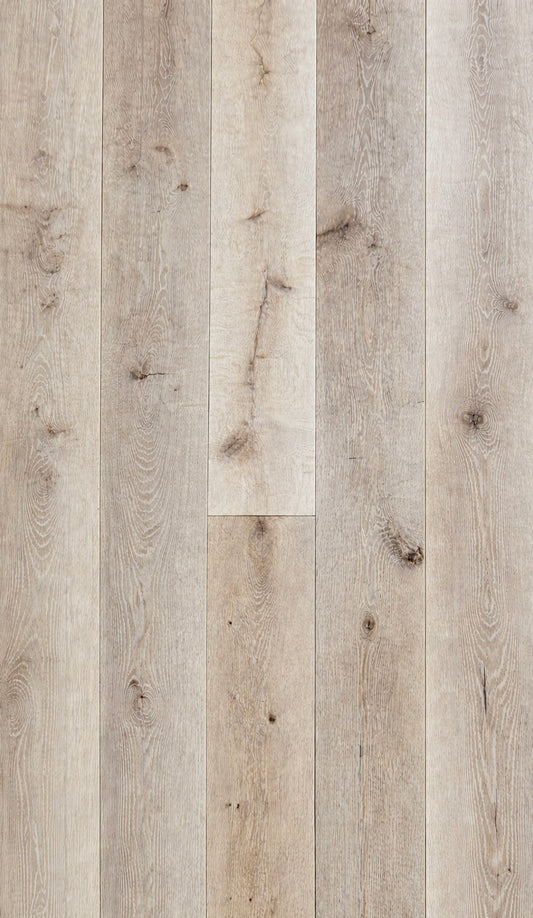
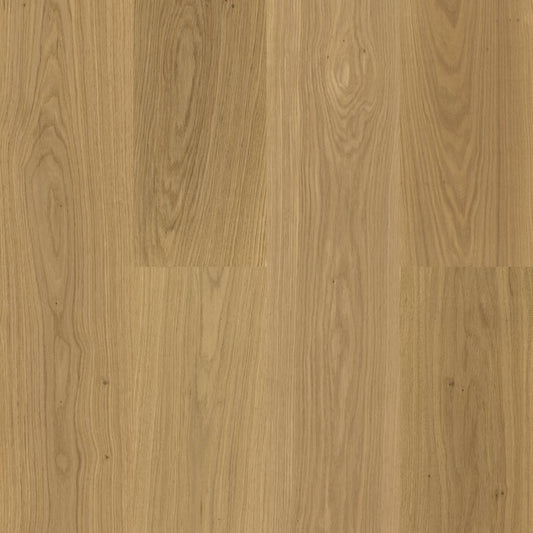
Villa Castle - Sagrada | 4mm 3/4” 10.25x96RL European Oak Engineered Hardwood | SLCC
Vendor:SLCC Flooring$11.29 / sq. ft. $303.40 per carton · 26.87 sq. ft. / carton19.0mm10.25x96RL -
Villa Castle - Westminster | 4mm 3/4” 10.25x96RL European Oak Engineered Hardwood | SLCC
Vendor:SLCC Flooring$11.29 / sq. ft. $303.40 per carton · 26.87 sq. ft. / carton19.0mm10.25x96RL -
Milky Way Select - Kyber | 4mm veneer 5/8” 9.5x84 RL | Celeste Floors
Vendor:Celeste Floors$12.59 / sq. ft. $429.30 per carton · 34.11 sq. ft. / carton15.0mm9.5x84RL -
Milky Way Select - Galia | 4mm veneer 5/8” 9.5x84 RL | Celeste Floors
Vendor:Celeste Floors$12.59 / sq. ft. $429.30 per carton · 34.11 sq. ft. / carton15.0mm9.5x84RL -
Milky Way Select - Gemini | 4mm veneer 5/8” 9.5x84 RL | Celeste Floors
Vendor:Celeste Floors$12.59 / sq. ft. $429.30 per carton · 34.11 sq. ft. / carton15.0mm9.5x84RL








Floating Engineered Hardwood Flooring
Floating engineered hardwood flooring is installed as a connected floor that rests above the subfloor without each board being nailed or glued directly to it. The surface is genuine wood, while the engineered supporting layers provide the plank's structure.
This collection brings together products whose published installation information includes floating installation. Compare the joint system, veneer thickness, dimensions, finish and required underlayment before choosing a floor for your project.
How Does a Floating Hardwood Floor Work?
The boards join together to form a continuous surface. Depending on the product, the connection may use a locking joint or an approved tongue-and-groove system with adhesive applied to the joints.
That connection is different from bonding the entire underside of each board to the subfloor. Follow the exact installation instructions because joint adhesive, expansion gaps and layout requirements vary by product.
Does Floating Mean Click-Lock?
No. “Floating” describes the installation method, while “click-lock” describes a joint system. A floor may use glued tongue-and-groove joints and still be installed as a floating surface.
Browse tongue-and-groove engineered hardwood flooring to compare joint formats, but verify floating approval for the exact product. Tongue-and-groove construction alone does not establish which installation methods are permitted.
Why Consider Floating Engineered Hardwood?
An approved floating floor can provide genuine wood character without fastening every board directly to the substrate. It may suit projects where this installation method fits the subfloor and site requirements.
Compare it with the broader range of engineered hardwood flooring. The best method depends on the product, room layout, subfloor, sound requirements and installer assessment.
Floating Versus Glue-Down Hardwood
In a floating installation, the connected floor rests above the substrate. In a glue-down installation, the flooring is bonded to the prepared subfloor using the specified adhesive system.
Glue-down and floating methods can have different preparation, acoustic and expansion requirements. Some products approve more than one method. Explore glue-down engineered hardwood flooring when comparing alternatives, and choose the method approved for both your floor and site.
SLCC and Celeste Floors Options
SLCC Villa Castle products such as Hearst, Westminster, Sagrada, Milan and Cologne list floating, glue-down and nail-down installation. Their specifications include a 4mm European Oak surface, 3/4-inch overall thickness and 10.25-inch-wide boards with random lengths up to 96 inches.
Celeste Floors Milky Way Select Kyber, Galia and Gemini also list floating installation. Compare their individual dimensions, finishes and full instructions. Approval of a method does not make the installation requirements identical across brands.
Can Floating Hardwood Go Over Concrete?
Some products permit floating installation above prepared concrete. The slab must still meet the required moisture, cleanliness, structural and flatness conditions.
Use the specified vapor protection and underlayment system. An underlayment does not repair an uneven slab, and an engineered core does not remove the need for moisture testing. Browse engineered hardwood flooring over concrete for additional comparison.
Choosing Underlayment
Underlayment must be compatible with the exact flooring. Excessive cushioning can put unwanted movement into the joints, so adding a thicker pad is not automatically beneficial.
If a condominium or apartment has acoustic requirements, compare tested assemblies and obtain building approval. A pad's marketing claim alone does not establish that the complete floor meets a required sound rating.
Expansion Space and Fixed Objects
A floating floor needs the expansion space specified by the manufacturer. Plan around walls, door frames, pipes, cabinets and other fixed structures.
Do not trap the connected floor beneath fixed objects where the instructions prohibit it. Follow the stated limits for continuous runs, doorway transitions and room connections. These details matter even when the visible surface appears to fit neatly.
Floating Hardwood for Upstairs Rooms
Approved floating engineered wood may suit upstairs bedrooms, living areas or offices. The subfloor needs to meet preparation requirements, and sound transfer should be considered.
Explore engineered hardwood flooring for upstairs while comparing species, widths and finishes. Where sound performance matters, evaluate the complete floor, underlayment and building structure rather than one material in isolation.
Choosing a Real Wood Surface
Compare color, grain, grade, texture and sheen alongside installation specifications. Wide planks can show more natural character, while random lengths create a varied layout.
Place samples flat and view them beside your furniture and wall colors. Hardwood has natural variation, so several boards give a better impression than one small sample.
Everyday Care
Remove grit regularly, protect furniture contact points and clean spills promptly. Follow the finish manufacturer's cleaning instructions and keep indoor humidity within the prescribed range.
Floating installation does not make engineered hardwood waterproof. Avoid standing water, unapproved wet cleaning and steam cleaning. Check rugs and mats so moisture does not become trapped underneath.
Frequently Asked Questions
What is floating engineered hardwood?
It is engineered wood installed as a connected surface above the subfloor, without directly fastening every board to the substrate.
Does floating installation require click-lock joints?
No. Some approved floating floors use tongue-and-groove joints with adhesive in the joints.
Can any engineered hardwood floor be floated?
No. The exact product must approve floating installation.
Is floating hardwood the same as glue-down hardwood?
No. Glue-down bonds boards to the subfloor, while a floating floor rests above it as a connected surface.
Can a floating floor cover an uneven subfloor?
The subfloor must still meet the stated flatness requirements. Underlayment does not replace proper preparation.
Does floating installation make wood waterproof?
No. Installation method does not change the wood surface's moisture classification.
Are transitions always optional?
No. Follow the product's doorway, room connection and continuous-run requirements.
What should I check before ordering?
Check floating approval, joint system, underlayment, moisture protection, subfloor preparation, expansion space and finished-floor height.
Compare Related Flooring Options
Compare this genuine wood construction with compatible vinyl and laminate options in floating flooring. The installation method can be shared across materials, but moisture behavior, care and substrate requirements should be checked separately.
Explore related flooring
Browse related flooring collections, brands and styles before making your final choice.