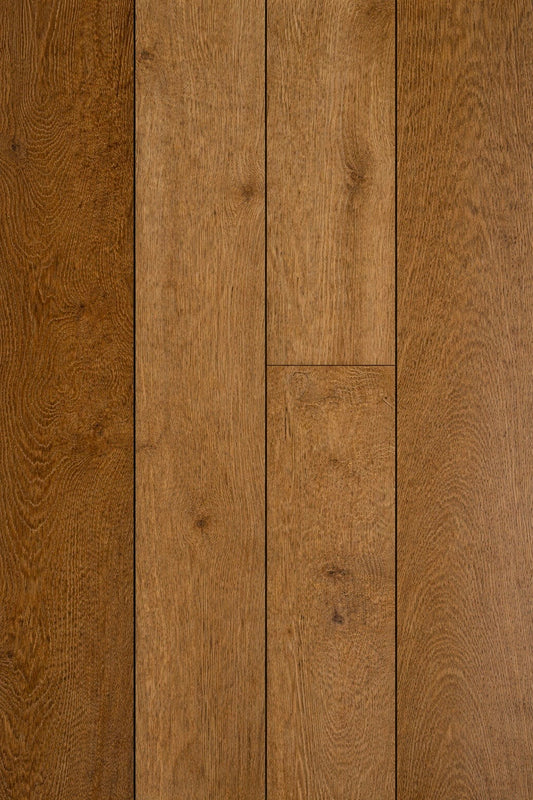
10-Inch Wide Engineered Hardwood Flooring
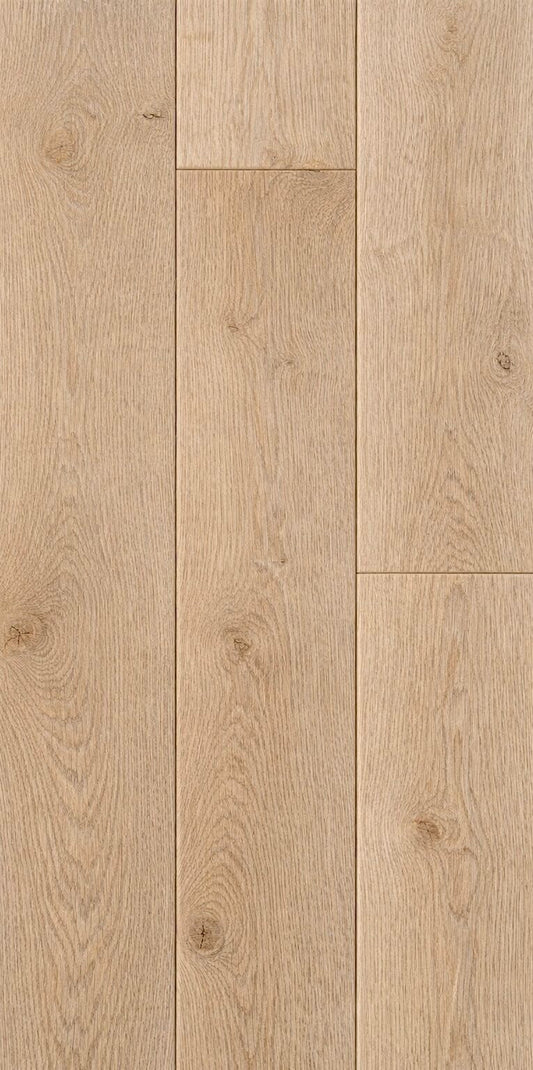
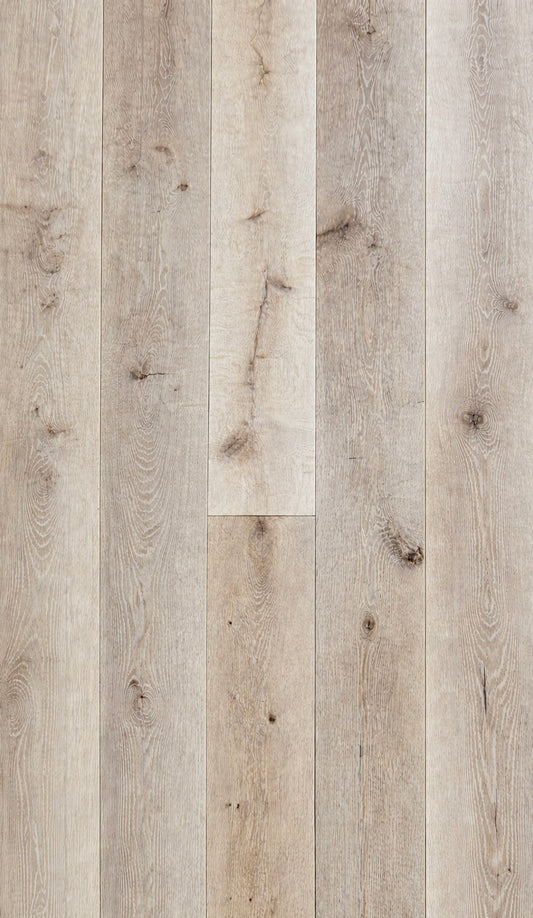
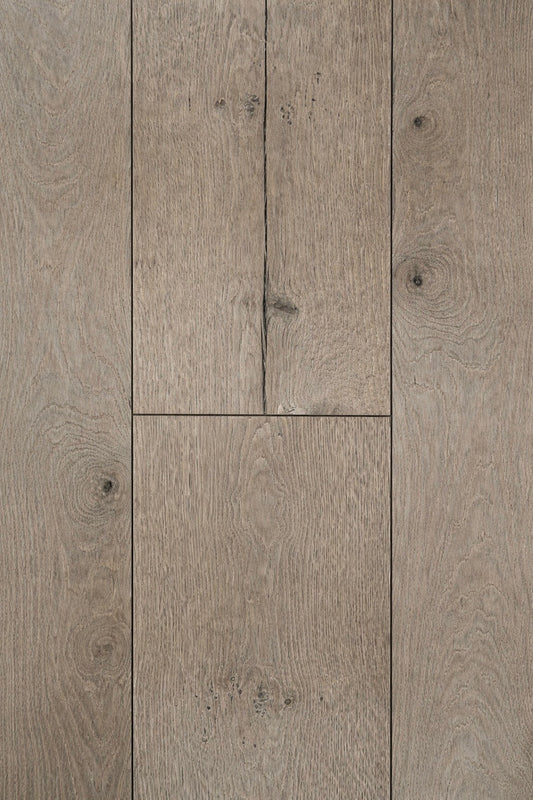
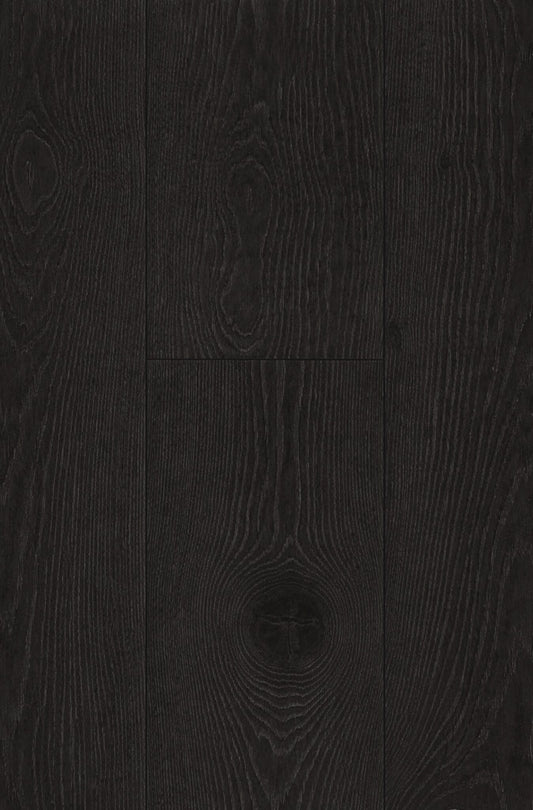
Ten-inch wide engineered hardwood flooring uses a genuine hardwood surface and extra-wide plank proportions to create a substantial installed appearance. A ten-inch board presents a broad section of natural grain and produces significantly fewer plank rows than conventional narrow hardwood.
Exact measurements vary. Manufacturers may describe nearby widths such as 9.8, 10, 10.2, or another close dimension as ten-inch flooring. Products should be included only when their published measurement reasonably fits this category, and the exact size should remain visible on the product page.
Why Choose Ten-Inch-Wide Flooring?
Extra-wide engineered hardwood can create strong architectural impact in open-plan homes, large living rooms, dining spaces, primary bedrooms, and high-end residential interiors.
Potential visual and practical characteristics include:
- Broad genuine wood surfaces
- Fewer side seams
- Strong grain presentation
- Extra-wide-plank styling
- Long-plank combinations
- Natural character visibility
- Room-to-room continuity
- Contemporary or heritage-inspired design
- Factory-applied finish options
- Multiple installation systems where approved
Ten-inch width does not automatically establish superior quality. Buyers should evaluate the complete construction, veneer, finish, core, dimensions, and installation requirements.
Ten-Inch Versus Nine-Inch Hardwood
Both sizes create a wide-plank appearance. Ten-inch boards provide approximately one additional inch of surface width, resulting in slightly fewer rows across a room.
Compare the two using:
- Exact width
- Plank length
- Veneer depth
- Total thickness
- Core construction
- Species
- Grade
- Finish
- Subfloor requirements
- Installation method
A product’s quality and project suitability matter more than a one-inch difference.
Ten-Inch Versus Traditional Narrow Hardwood
Traditional narrow flooring produces more seams and a busier repeating pattern. Ten-inch planks create broader visual fields and display more variation within individual boards.
Narrow flooring may offer:
- Traditional proportions
- More plank rows
- Broader product availability
- Easier handling
- Different price points
Ten-inch flooring may offer:
- Fewer seams
- Larger-scale proportions
- More visible knots and grain
- Stronger long-board styling
- A premium custom-floor appearance
Neither format is universally more durable.
Room Size and Scale
Extra-wide planks can work in both large and small rooms. The final effect depends on plank length, color, variation, ceiling height, furniture scale, and installation direction.
In large rooms, ten-inch planks can reinforce broad proportions. In smaller rooms, they may create a simplified pattern with fewer seams.
Evaluate full-size samples whenever possible. Small sample pieces cannot accurately represent the scale of an installed ten-inch board.
Plank Length
Extra-wide flooring is often paired with longer boards, but the actual length structure must be verified.
Product formats may include:
- Fixed lengths
- Random lengths
- Nested lengths
- Maximum-length descriptions
- Mixed-length cartons
- Specified average lengths
Ask how many short boards may be present and whether every carton contains the same length distribution. This information affects appearance, layout, waste, and installation time.
Natural Variation
A broad genuine wood face may reveal:
- Cathedral grain
- Straight grain
- Knots
- Mineral streaks
- Sapwood
- Heartwood
- Filled cracks
- Reactive color changes
- Surface checking
- Tonal transitions
Variation is not automatically a defect. Review the official grade and visual-range documentation before ordering.
Character-grade ten-inch floors may create dramatic board individuality. Select-grade products may offer a calmer appearance while still retaining genuine wood variation.
Engineered Core Construction
The supporting core is especially important in an extra-wide product. Core designs may use cross-layered plywood, hardwood layers, or another documented engineered structure.
Compare:
- Number of core layers
- Core material
- Total thickness
- Balancing layer
- Edge profile
- Manufacturing tolerances
- Moisture requirements
- Installation approvals
Do not assume every wide engineered plank uses the same core quality or construction.
Veneer Thickness
Veneer thickness indicates the amount of genuine hardwood above the core. It should not be confused with total thickness.
A thicker veneer can be valuable, but it does not independently guarantee a specific refinishing schedule. Texture, bevels, finish, damage, and remaining wood above the tongue also affect professional refinishing.
Subfloor Requirements
Ten-inch planks require careful substrate assessment. Even small high or low areas can create poor adhesive transfer, movement, noise, edge stress, or joint problems.
Concrete should be evaluated for:
- Moisture
- Flatness
- Cracks
- Surface strength
- Sealers
- Curing compounds
- Existing adhesive
- Contamination
- Vapor conditions
Wood subfloors should be evaluated for:
- Panel type
- Panel thickness
- Joist spacing
- Deflection
- Moisture content
- Fastening
- Damage
- Flatness
Installation Methods
Depending on the exact product, methods may include:
- Full-spread glue-down
- Glue-assisted nail-down
- Nail-down
- Staple-down
- Floating installation
Many extra-wide tongue-and-groove planks require adhesive assistance over wood subfloors. Fasteners alone should not be assumed sufficient.
Floating systems may establish continuous-area limits, underlayment requirements, and mandatory transitions. Follow all written instructions.
Expansion and Environmental Control
Ten-inch engineered hardwood still responds to changes in moisture and humidity. Maintain the required interior climate before, during, and after installation.
Adequate expansion space should remain around:
- Walls
- Columns
- Pipes
- Cabinets
- Islands
- Fireplaces
- Door frames
- Fixed objects
A floating floor must not be trapped beneath permanent fixtures unless expressly approved.
Layout and Board Selection
The broader each plank becomes, the more visually important individual board placement can be.
Installers should:
- Open several cartons
- Review the visual range
- Blend light and dark boards
- Distribute prominent knots
- Plan focal areas
- Avoid obvious clusters
- Maintain end-joint spacing
- Check final-row width
- Preserve expansion space
- Follow rack and fastening instructions
Cost Considerations
Ten-inch engineered hardwood may carry higher material, freight, handling, and installation costs than common narrower formats. Costs can also be affected by veneer thickness, species, grade, finish, plank length, and country of manufacture.
Compare total project cost rather than square-foot material price alone. Include preparation, adhesive, underlayment, transitions, waste, delivery, and installation.
Cleaning and Maintenance
Protect the factory finish through:
- Frequent grit removal
- Approved hardwood cleaner
- Prompt spill cleanup
- Suitable entry mats
- Furniture protectors
- Compatible rug pads
- Controlled indoor humidity
- Avoidance of steam
- Avoidance of standing water
- Finish-specific maintenance
Frequently Asked Questions
Is ten-inch engineered hardwood considered extra wide?
Yes. Ten-inch boards are generally considered extra-wide hardwood planks.
Are ten-inch planks only for large rooms?
No. They can work in smaller spaces, although length, color, layout, and furniture proportions influence the appearance.
Are ten-inch planks harder to install?
They can require more careful handling, substrate preparation, layout, adhesive use, and environmental control.
Can ten-inch flooring be nailed down?
Selected products can, but wide boards commonly require adhesive assistance.
Can it be installed over concrete?
Selected products may be glued or floated over properly prepared concrete when approved.
Does extra-wide flooring show more variation?
Each board displays more wood surface, so grain, knots, and tonal variation may be more visible.
Is ten-inch engineered hardwood waterproof?
No. It contains genuine wood and requires moisture management.
Can it be refinished?
Selected products may be professionally refinished depending on veneer thickness, texture, and manufacturer guidance.
Does extra width mean better quality?
No. Quality depends on veneer, core, finish, milling, installation compatibility, and documentation.
Should buyers order full-size samples?
Yes. A larger sample provides a better understanding of plank scale, texture, color, and variation.