
Collection: Engineered Hardwood Flooring for South Carolina Homes
Bring real wood warmth to your South Carolina home with engineered hardwood flooring. Compare species, veneer thicknesses, plank widths and finishes for living rooms, dining areas and bedrooms. Choose the natural character you love while checking the installation and indoor conditions for your project.
-
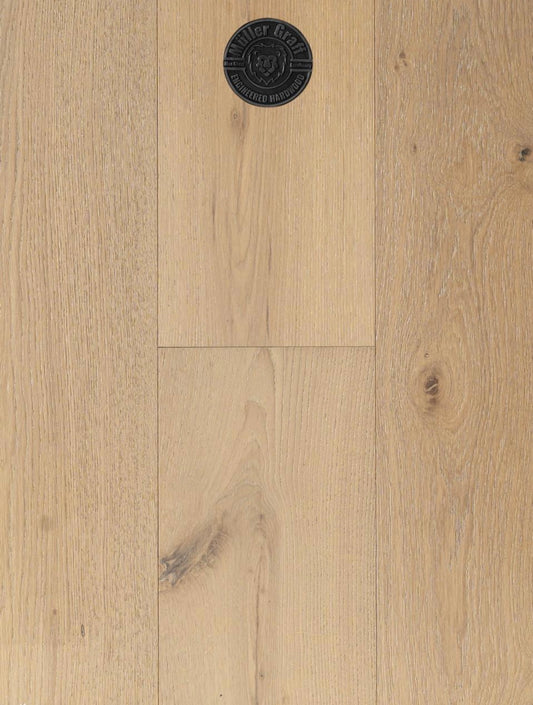
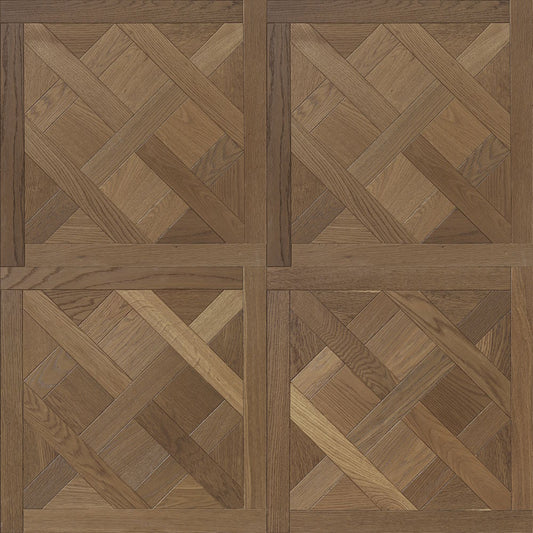
Italia Classics Amalfi European Oak Engineered Hardwood | 4mm wear layer 5/8 (15mm) 9.44” x 86.61” | Muller Graff
Vendor:Muller Graff$8.80 / sq. ft. $200.00 per carton · 22.72 sq. ft. / carton15.0mm9.44x86.61Sale -
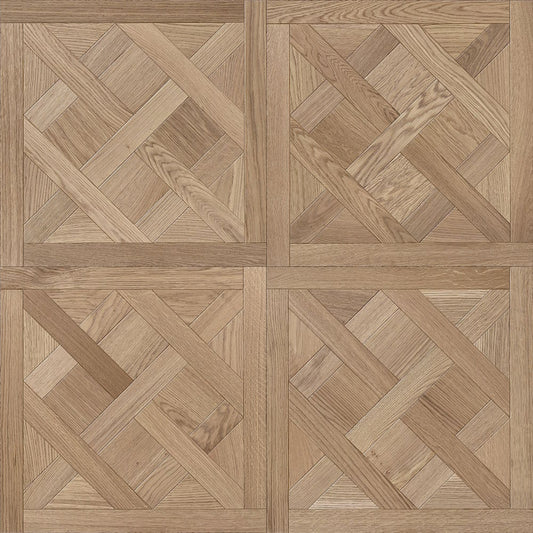
Italia Classics Alba European Oak Engineered Hardwood | 4mm wear layer 5/8” 9.44” x 86.61” | Muller Graff
Vendor:Muller Graff$8.80 / sq. ft. $200.00 per carton · 22.72 sq. ft. / carton15.0mm9.44x86.61Sale -
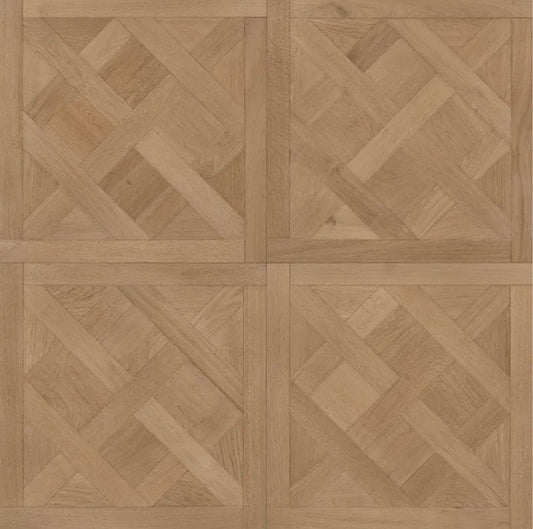
Italia Classics Rivoli European Oak Engineered Hardwood | 4mm wear layer 5/8 (15mm) 9.44” x 86.61” | Muller Graff
Vendor:Muller Graff$8.80 / sq. ft. $200.00 per carton · 22.72 sq. ft. / carton15.0mm9.44x86.61Sale -
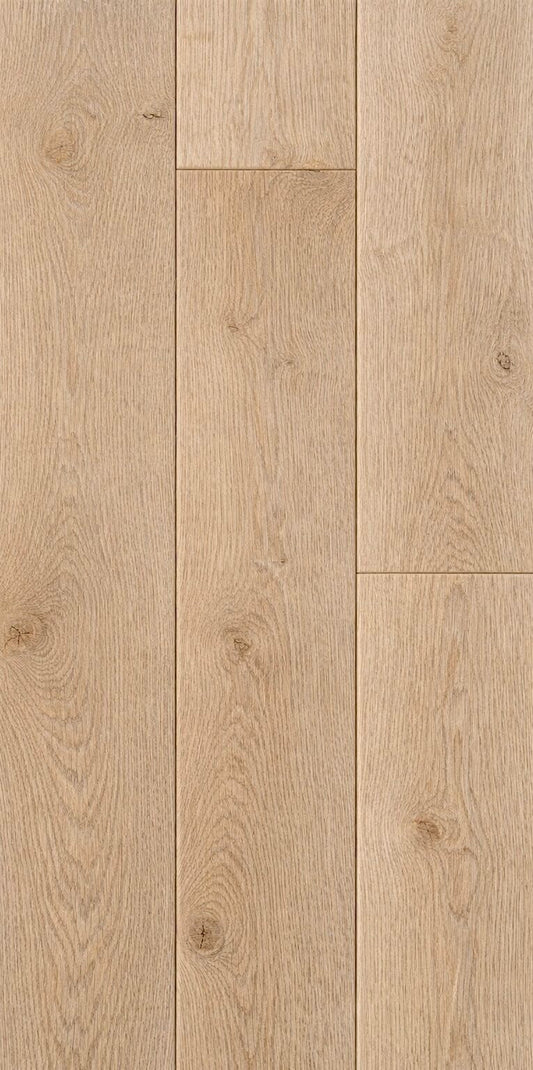
Italia Classics Campania European Oak Engineered Hardwood | 4mm wear layer 5/8 (15mm) 9.44” x 86.61” | Muller Graff
Vendor:Muller Graff$8.80 / sq. ft. $200.00 per carton · 22.72 sq. ft. / carton15.0mm9.44x86.61Sale -
Italia Classics Calabria European Oak Engineered Hardwood | 4mm wear layer 5/8 (15mm) 9.44” x 86.61” | Muller Graff
Vendor:Muller Graff$8.80 / sq. ft. $200.00 per carton · 22.72 sq. ft. / carton15.0mm9.44x86.61Sale -
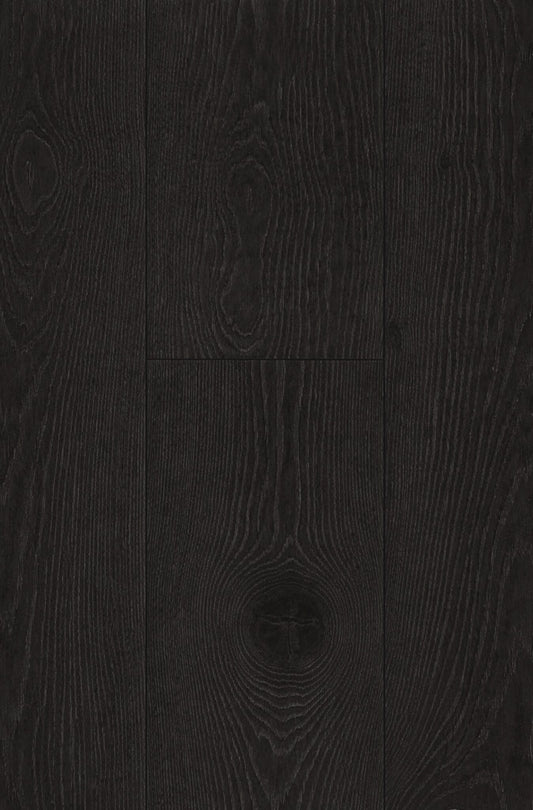
Villa Castle - Hearst | 4mm 3/4” 10.25x96RL European Oak Engineered Hardwood | SLCC
Vendor:SLCC Flooring$11.29 / sq. ft. $303.40 per carton · 26.87 sq. ft. / carton19.0mm10.25x96RL -
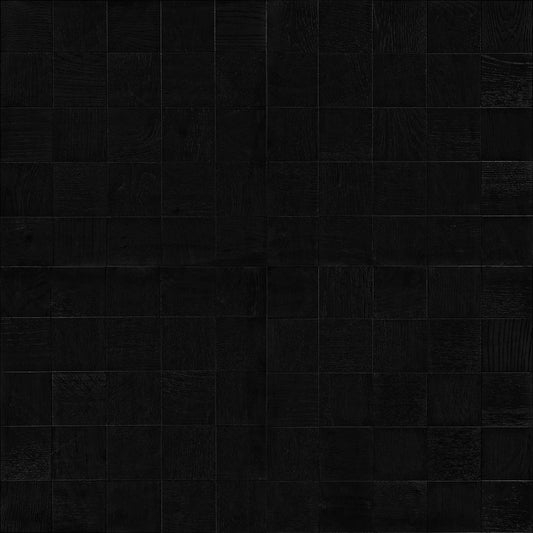
Parquet - Pluto (AB) | 5/8” 4mm 23.6x23.6 Engineered Hardwood | Celeste Floors
Vendor:Celeste Floors$18.18 / sq. ft. $501.00 per carton · 27.56 sq. ft. / carton15.0mm4mil31.5x31.5 -
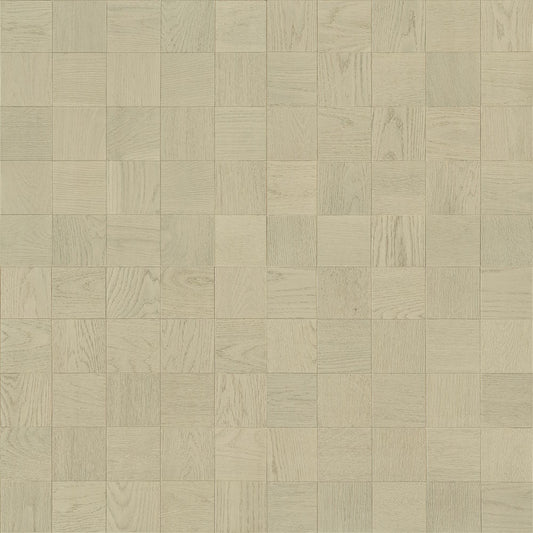
Parquet - Nantes (AB) | 5/8” 4mm 31.5x31.5 Engineered Hardwood | Celeste Floors
Vendor:Celeste Floors$21.99 / sq. ft. $606.10 per carton · 27.56 sq. ft. / carton15.0mm4mil31.5x31.5 -
Parquet - Libra (AB) | 5/8” 4mm 23.6x23.6 Engineered Hardwood | Celeste Floors
Vendor:Celeste Floors$18.18 / sq. ft. $501.00 per carton · 27.56 sq. ft. / carton15.0mm4mil31.5x31.5 -
Parquet - Kolar (AB) | 5/8” 4mm 23.6x23.6 Engineered Hardwood | Celeste Floors
Vendor:Celeste Floors$18.18 / sq. ft. $501.00 per carton · 27.56 sq. ft. / carton15.0mm4mil31.5x31.5 -
Parquet - Cosmic (AB) | 5/8” 4mm 23.6x23.6 Engineered Hardwood | Celeste Floors
Vendor:Celeste Floors$18.18 / sq. ft. $501.00 per carton · 27.56 sq. ft. / carton15.0mm4mil31.5x31.5 -
Parquet - Chambers (AB) | 5/8” 4mm 31.5x31.5 Engineered Hardwood | Celeste Floors
Vendor:Celeste Floors$21.99 / sq. ft. $606.10 per carton · 27.56 sq. ft. / carton15.0mm4mil31.5x31.5 -
Westwind Premium - Wimberley | 3/8” 1.5mm 7.5x84RL Engineered Hardwood | SLCC Flooring
Vendor:SLCC Flooring$5.79 / sq. ft. $199.00 per carton · 34.36 sq. ft. / carton9.5mm7.5x84RL -
Westwind Premium - Bandera | 3/8” 1.5mm 7.5x84RL Engineered Hardwood | SLCC Flooring
Vendor:SLCC Flooring$5.94 / sq. ft. $204.00 per carton · 34.36 sq. ft. / carton9.5mm7.5x84RL -
Villa Castle - Westminster | 4mm 3/4” 10.25x96RL European Oak Engineered Hardwood | SLCC
Vendor:SLCC Flooring$11.29 / sq. ft. $303.40 per carton · 26.87 sq. ft. / carton19.0mm10.25x96RL -
Villa Castle - Sagrada | 4mm 3/4” 10.25x96RL European Oak Engineered Hardwood | SLCC
Vendor:SLCC Flooring$11.29 / sq. ft. $303.40 per carton · 26.87 sq. ft. / carton19.0mm10.25x96RL
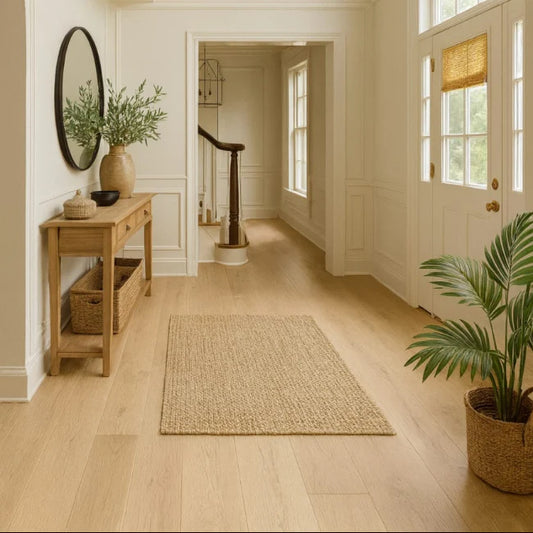
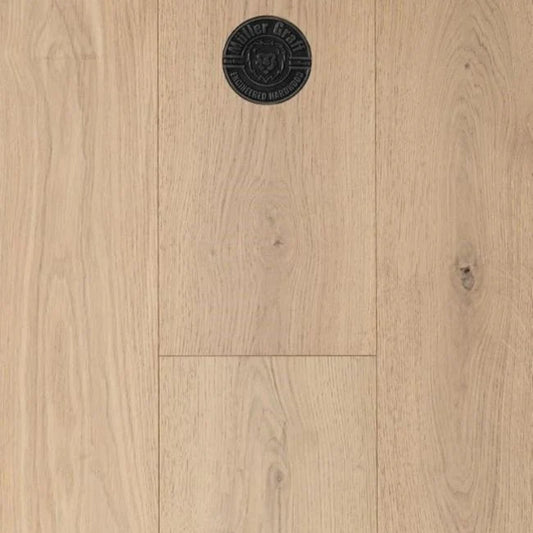


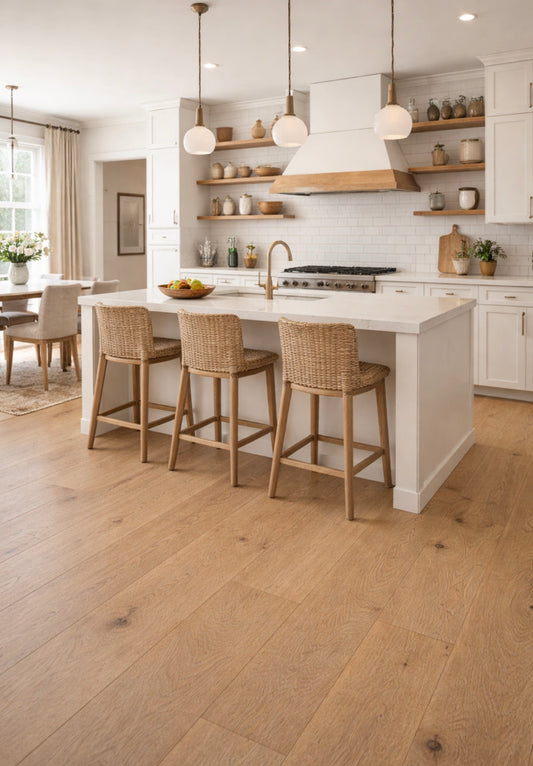
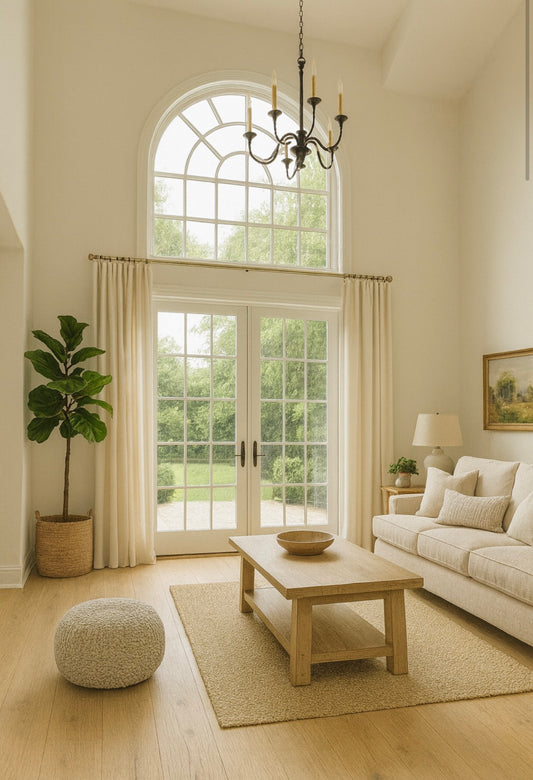










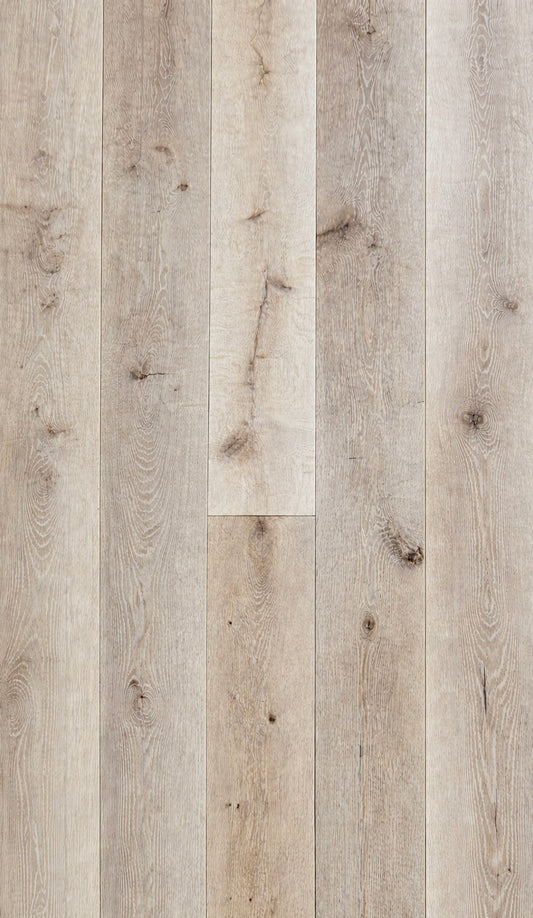
Engineered Hardwood Flooring for South Carolina Homes
Engineered hardwood brings a genuine wood surface into a South Carolina home through a layered board construction. Natural grain and variation can give living rooms, dining areas and bedrooms the warmth and character many homeowners want.
Selection should bring the appearance and the installation together. Review wood species, face veneer, overall thickness, plank dimensions and the approved fitting method. The product should suit the conditions maintained inside the property.
What Engineered Hardwood Provides
A real wood face is the defining distinction between engineered hardwood and a printed wood-look floor. The supporting construction beneath that face varies by product and influences the installation options.
Engineered does not mean unaffected by moisture or automatically waterproof. Real wood responds to its surroundings, so the environmental requirements remain part of the purchasing decision.
Compare flooring options for South Carolina homes if you are weighing real wood against vinyl or laminate. Choose the material first, then narrow the design and construction.
Maintaining Suitable Indoor Conditions
South Carolina homeowners should assess the indoor environment throughout the year, including rooms used less frequently. Heating, cooling and humidity control affect the conditions surrounding the floor.
Use the exact product's required temperature and humidity range. Do not substitute a general statewide rule or assume that layered construction removes the need for moisture management.
Check conditions below the room as well. A damp crawl space or moisture problem in the substrate should be corrected before installation, rather than expecting engineered wood to tolerate an unsuitable foundation.
Choosing a Species and Undertone
Species influence the visible grain and natural character. Finish and surface treatment further affect texture, color and reflection. Compare actual samples beside cabinets and furnishings.
Our white oak engineered hardwood flooring collection provides one versatile species to review. Check how its undertone relates to the room rather than assuming every oak finish looks alike.
Several boards give a more useful impression than a small sample alone. Natural variation should be part of the design decision, including the amount of character you want across an open space.
Face Veneer and Total Board Thickness
The face veneer is the real wood layer at the surface. Overall thickness includes that layer and the supporting construction beneath it. Compare the two measurements separately.
Explore 4mm veneer engineered hardwood flooring if face-layer thickness is important to the project. Review the complete board construction and finish as well as the measurement.
Future refinishing requires a product-specific assessment. Veneer thickness can be relevant, but bevels, joint position, remaining usable wood and the finish determine what surface work is appropriate.
Wide Planks and Connected Living Areas
Wide boards can create a calm visual foundation across a living room or dining area. Board length and natural variation also influence how the installation looks.
Browse wide-plank engineered hardwood flooring when comparing dimensions. Check whether lengths are fixed or varied and plan how the layout continues through doorways.
The floor should coordinate with furniture and cabinetry without needing an exact match. A clear difference in shade or grain can help real wood surfaces remain distinct while sharing compatible undertones.
Engineered Hardwood Over Concrete
Selected engineered products permit installation over concrete using a specified assembly. The exact board determines whether adhesive, floating installation or another approved method applies.
Compare engineered hardwood flooring over concrete when the room sits on a slab. Moisture testing and flatness preparation are essential parts of the project.
The required moisture-control system should match the flooring and installation method. A slab that looks dry cannot establish suitability, and a finish floor cannot correct an ongoing moisture problem.
Raised Floors and Crawl-Space Conditions
Wood subfloors need to be structurally sound, properly supported and within the flooring's moisture requirements. Movement or unevenness should be addressed before the boards are installed.
Where a crawl space sits beneath the room, assess its condition as part of the project. Moisture from below can affect the flooring environment even when the living space feels comfortable.
The required preparation depends on the exact product and fitting method. Follow those instructions rather than assuming all engineered hardwood can be nailed, glued or floated interchangeably.
Bedrooms, Dining Areas and Moisture Exposure
Engineered hardwood can be appealing where real material character matters most. Bedrooms and living rooms often provide opportunities to enjoy that character with less routine water exposure than an entrance or sink area.
Spills should still be removed promptly. Avoid persistent moisture around pet bowls and frequently wet doorways. Choose the room application using the exact product's approval.
Where waterproof materials are the main priority, compare SPC flooring for South Carolina homes. That provides a different construction rather than a waterproof substitute label for real wood.
Sunlight, Samples and Surface Care
Place samples flat in the room and review them at different times of day. The apparent undertone can change beside painted walls, stone countertops and warm evening lighting.
Real wood may change in appearance with exposure over time. Consider concentrated window light and how rugs or furniture cover parts of the floor. Follow the selected finish's care instructions.
Remove grit regularly and protect furniture contact points. Use approved cleaners and avoid cleaning methods that leave unnecessary moisture on the wood surface.
Preparing to Order Engineered Hardwood
Review the exact acclimation requirements and prepare the building before installation. Requirements may depend on actual site and material conditions rather than a fixed number of waiting days.
Plan doors, transitions, stair details and appliance clearance against the finished height. Measure the space and allow material for cuts, layout and board selection.
A suitable engineered hardwood floor combines natural appearance with compatible indoor conditions and a properly prepared installation. That is the basis for choosing real wood for your home.
Frequently Asked Questions
Can engineered hardwood be used in South Carolina homes?
It can suit approved rooms when the home and substrate meet the exact product's temperature, humidity, moisture and installation requirements.
Is engineered hardwood waterproof?
It should not be assumed waterproof. Review the product's moisture guidance and remove spills promptly.
What does veneer thickness describe?
It describes the genuine wood face layer. Overall thickness also includes the supporting structure beneath it.
Can engineered hardwood go over concrete?
Selected products permit concrete installation with an approved method and moisture-control assembly.
Should crawl-space conditions be checked before installation?
Yes. Moisture and structural conditions below a raised floor can affect the substrate and the flooring installed above it.
Can engineered hardwood be refinished?
Some products permit refinishing. The exact veneer, finish, bevels and remaining usable wood should be evaluated before sanding is planned.
Explore related flooring
Browse related flooring collections, brands and styles before making your final choice.