
Collection: SPC Flooring for South Carolina Homes
Explore SPC flooring for South Carolina homes with waterproof planks, realistic wood looks and a firm rigid-core feel. Compare wear layers, thicknesses, sizes and attached backing for kitchens, hallways and connected living areas. Choose a style that suits your home and check the right installation details.
-
Bambino Chambery 12mil 5mm 7x48 SPC Vinyl Plank | Lions Floor
Vendor:Lions Floor$2.99 / sq. ft. $70.68 per carton · 23.64 sq. ft. / carton5.0mm12mil7x48 -
Saint Augustine Brisbane 22mil 7.5mm 9x60 SPC 100% Waterproof Vinyl Plank | United Weavers / Caspar Flooring Direct
Vendor:United Weavers$4.09 / sq. ft. $91.58 per carton · 22.39 sq. ft. / carton7.5mm22mil9x60 -
Lions Floor Lone Star Spirit Odessa Palm - 20mil 6mm 7x72 SPC Vinyl Plank
Vendor:Lions Floor$3.59 / sq. ft. $76.36 per carton · 21.27 sq. ft. / carton6.0mm20mil7x72 -
Lions Floor Lone Star Spirit Saddle Brownie - 20mil 6mm 7x72 SPC Vinyl Plank
Vendor:Lions Floor$3.39 / sq. ft. $72.11 per carton · 21.27 sq. ft. / carton6.0mm20mil7x72 -
Lions Floor Lone Star Spirit More Mesa - 20mil 6mm 7x72 SPC Vinyl Plank
Vendor:Lions Floor$3.59 / sq. ft. $76.36 per carton · 21.27 sq. ft. / carton6.0mm20mil7x72 -
Heirloom Eskimo 20mil 6mm 9x48 SPC Vinyl Plank | United Weavers
Vendor:United Weavers$3.69 / sq. ft. $77.50 per carton · 20.99 sq. ft. / carton6.0mm20mil9x48 -
Lions Reservation Morning Mirage 20mil 6mm 7x60 SPC Vinyl Plank | Lions Floor
Vendor:Lions Floor$3.39 / sq. ft. $80.95 per carton · 23.88 sq. ft. / carton6.0mm20mil7x60 -
Indoor Delight Castle Forge 20mil 6.5mm 9x72 SPC Vinyl Plank | Lions Floor
Vendor:Lions Floor$3.99 / sq. ft. $90.37 per carton · 22.65 sq. ft. / carton6.5mm20mil9x72 -
Summer Lake Collection Ivory Fantasy 20mil 5mm 7”x48” SPC MAX | Republic Floor
Vendor:Republic Floors$2.99 / sq. ft. $71.88 per carton · 24.04 sq. ft. / carton5.0mm20mil7x48 -
Darcy imperial 20mil 5mm 9x60 SPC Vinyl Plank | United Weavers / Caspar Flooring Direct
Vendor:United Weavers$3.19 / sq. ft. $83.00 per carton · 25.99 sq. ft. / carton5.0mm20mil9x60 -
Hemingway Moon Crater 12 mil 4.2mm 7x48 SPC Vinyl plank | Aperion / Caspar Flooring Direct
Vendor:Aperion$2.29 / sq. ft. $65.00 per carton · 28.36 sq. ft. / carton4.2mm12mil7x48 -
Old London - District | 22mil 6.5mm 7x48 Vinyl Plank SPC | Monarch Floors
Vendor:Monarch Floors$3.79 / sq. ft. $90.57 per carton · 23.896 sq. ft. / carton6.5mm22mil7x48 -
Bryant Old Mill Gray 8mil 4.2mm 7x48 SPC Vinyl Plank | United Weavers / Caspar Flooring Direct
Vendor:United Weavers$1.99 / sq. ft. $66.61 per carton · 33.47 sq. ft. / carton4.2mm8mil7x48Sale -
Eden Luxe 20mil 6mm 9x60 SPC Vinyl Plank | United Weavers / Caspar Flooring Direct
Vendor:United Weavers$3.49 / sq. ft. $77.76 per carton · 22.28 sq. ft. / carton6.0mm20mil9x60 -
BevelMark Millwork Maple 20mil 8mm 9x72 SPC Vinyl Plank | Lions Floor
Vendor:Lions Floor$4.09 / sq. ft. $110.10 per carton · 26.92 sq. ft. / carton8.0mm20mil9x72 -
Indoor Delight Fortress Dawn 20mil 6.5mm 9x72 SPC Vinyl Plank | Lions Floor
Vendor:Lions Floor$3.99 / sq. ft. $90.37 per carton · 22.65 sq. ft. / carton6.5mm20mil9x72

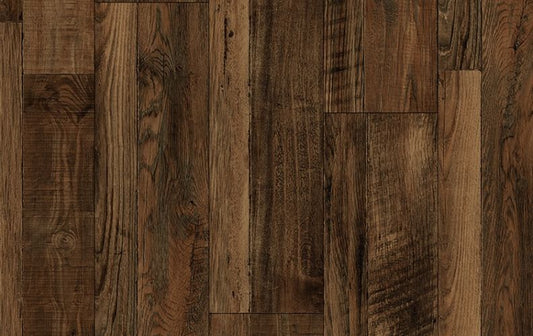
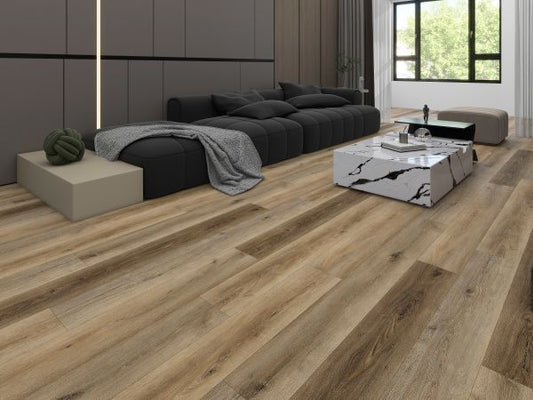
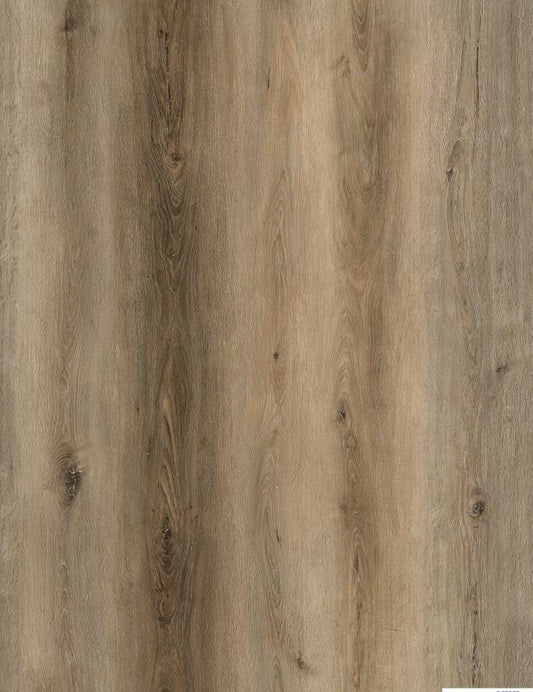

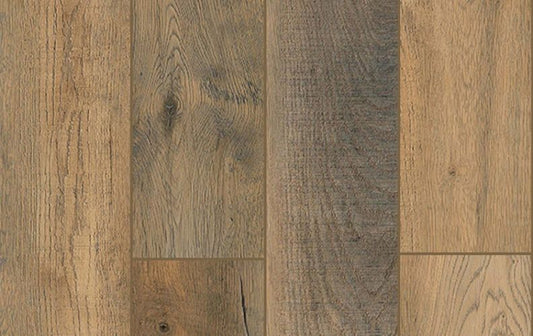
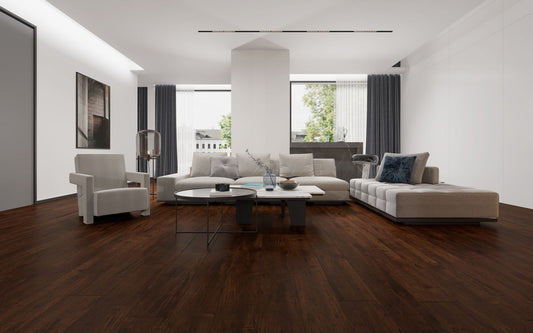
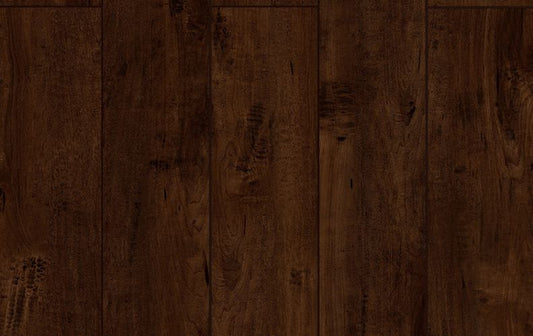

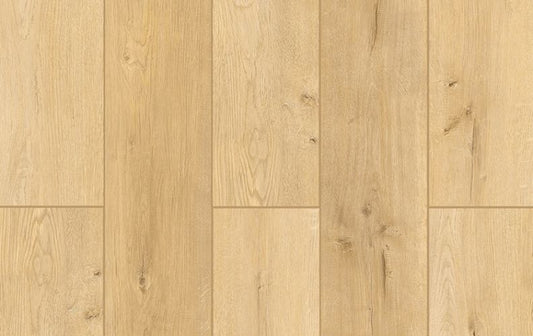
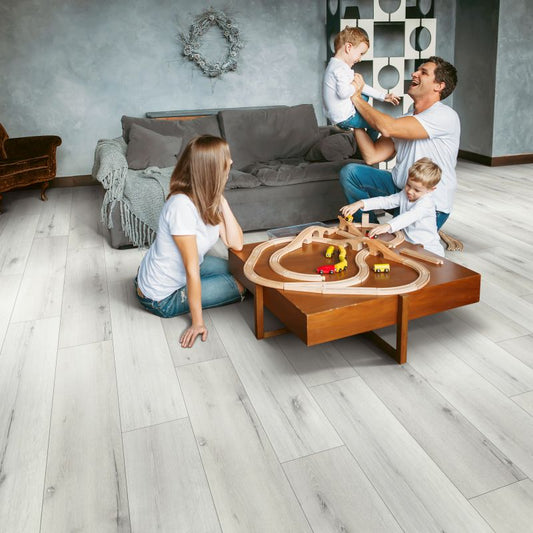
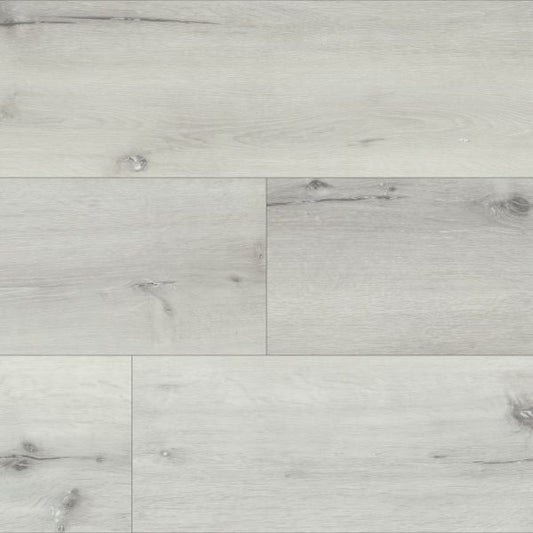
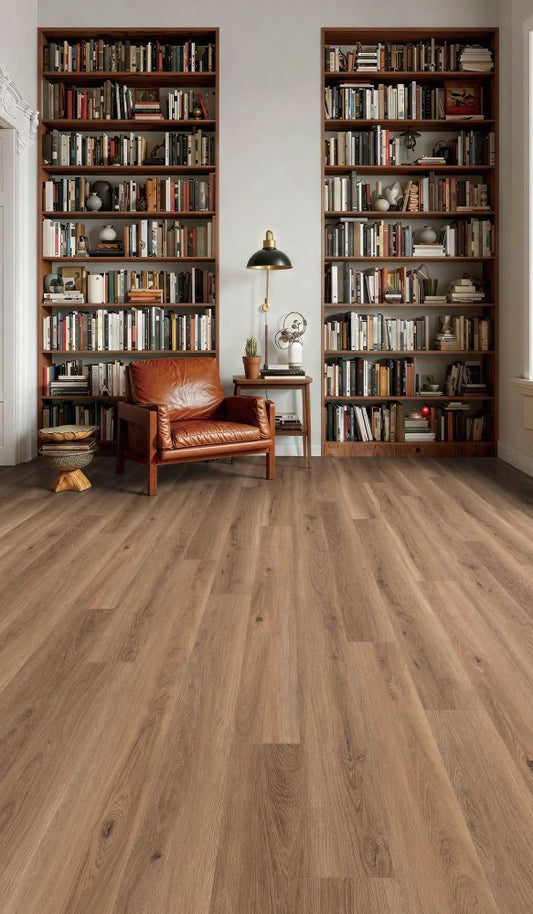
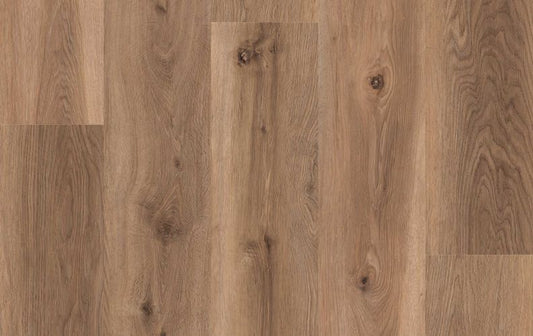
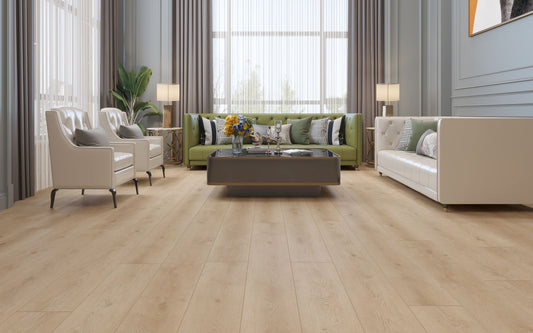
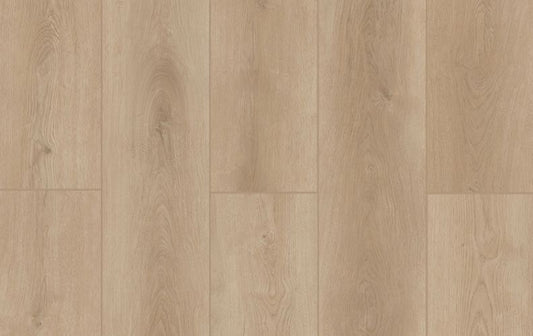
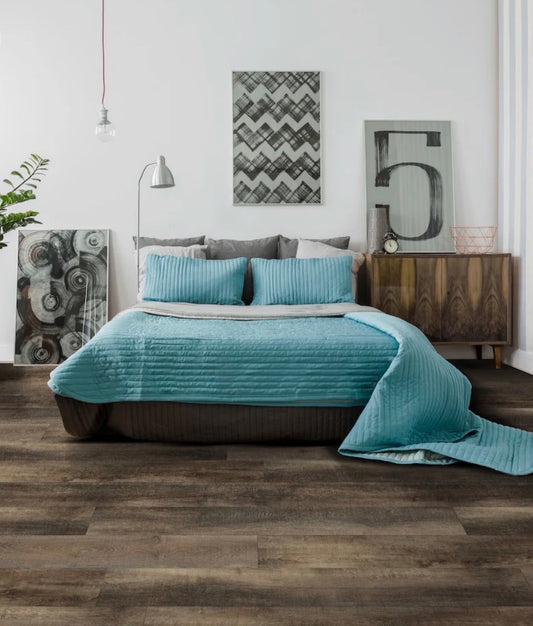
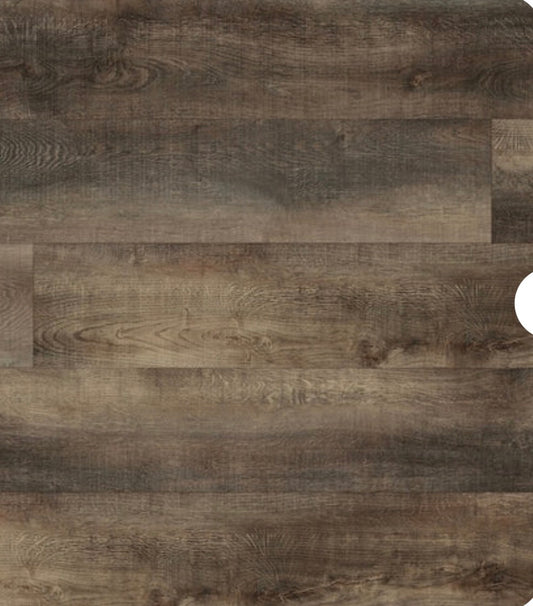
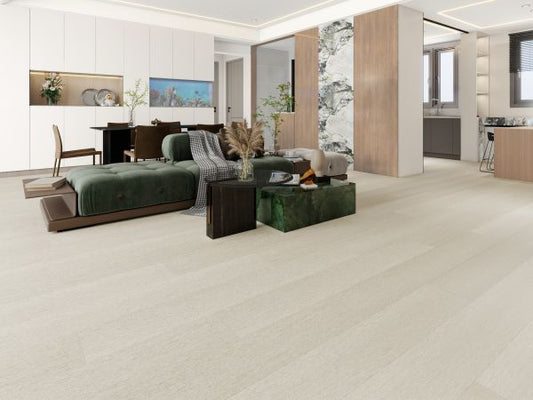
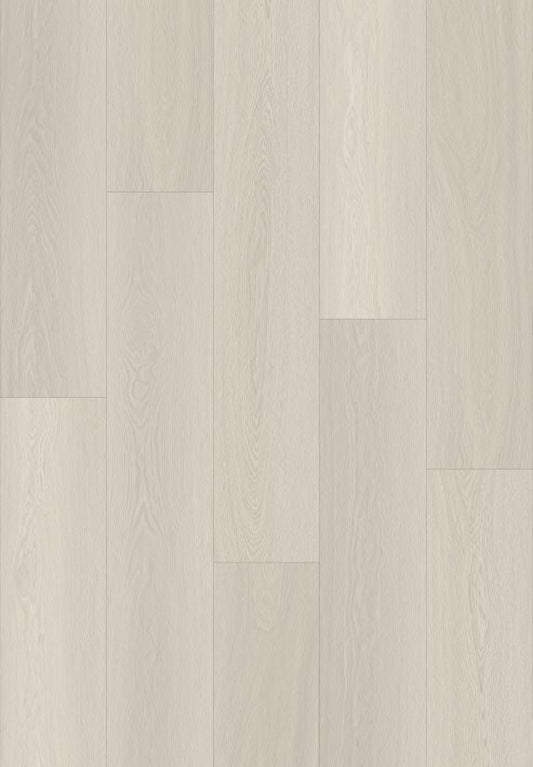


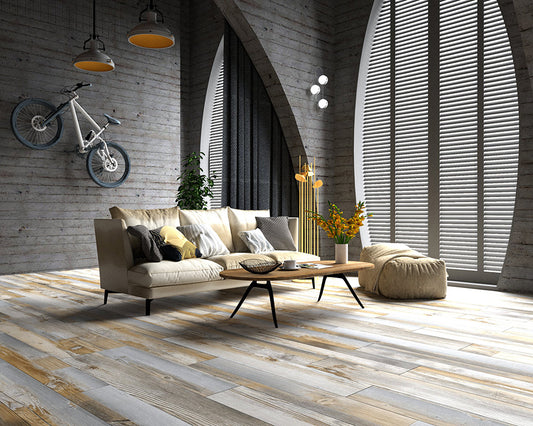
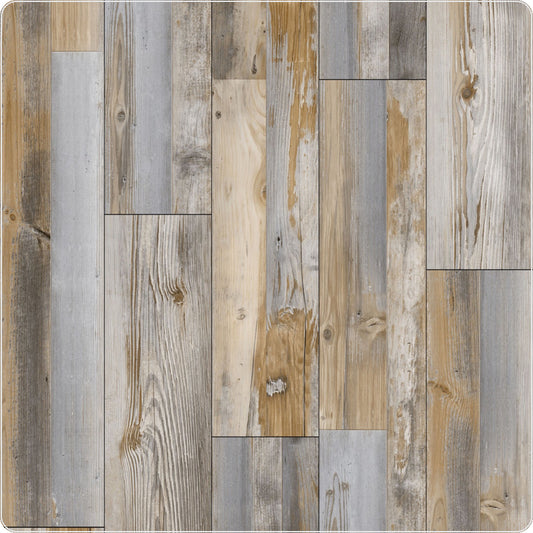
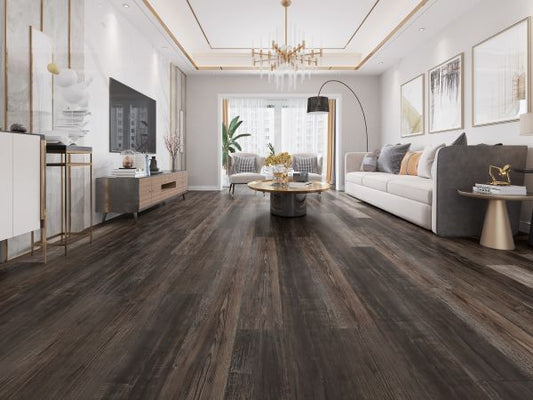
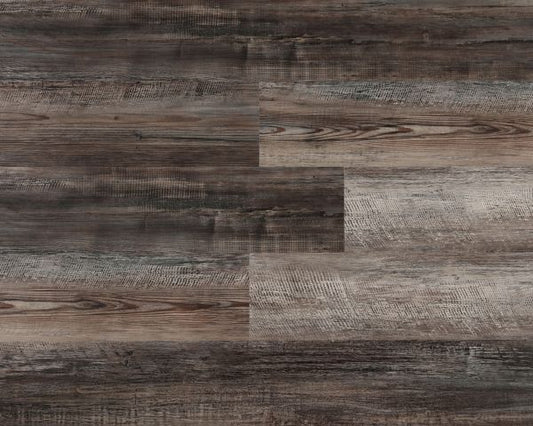
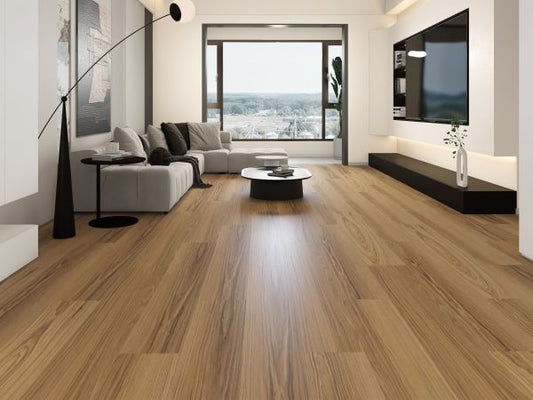
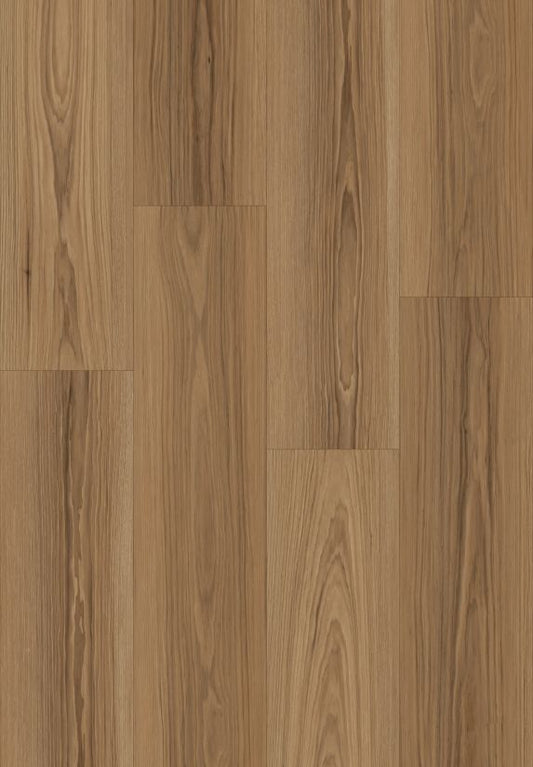
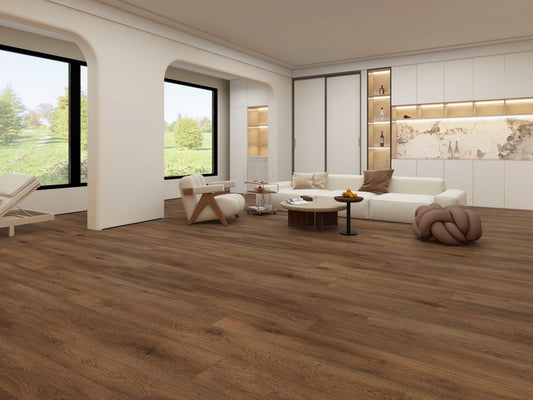
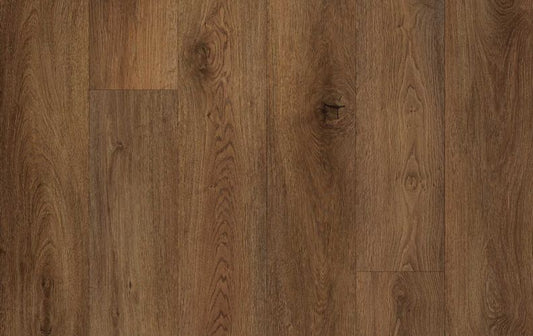

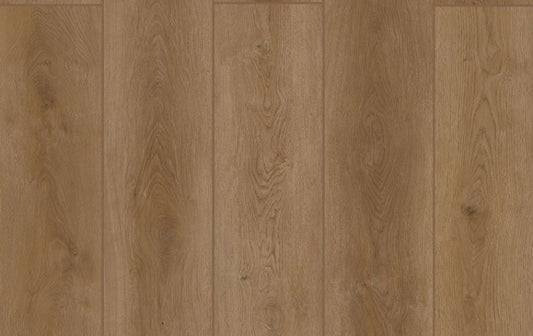
SPC Flooring for South Carolina Homes
SPC flooring combines a dense stone-polymer composite core with a decorative surface and protective wear layer. It is a useful option for South Carolina homeowners comparing waterproof wood-look planks for kitchens, hallways and connected living spaces.
A suitable floor should match the room and the installation conditions. Check total thickness, surface protection, backing and board dimensions, then review the product's environmental limits and subfloor requirements.
Why Choose a Rigid-Core Floor?
SPC's dense core produces a firm underfoot character. Selected products include attached backing and click-lock connections, giving homeowners several profiles and plank formats to compare.
The material name is only the starting point. Two SPC floors can differ in wear layer, core construction, coating and installed height. Those differences matter when choosing for a busy household.
If you are still comparing materials, visit flooring options for South Carolina homes. SPC is particularly useful to evaluate where waterproof plank construction and a firm feel are priorities.
Waterproof Materials and Humidity Are Different Questions
A waterproof plank is designed to withstand water exposure within its stated classification. That does not make the finished room waterproof or remove the product's temperature and humidity requirements.
Maintain the indoor conditions specified for the exact flooring. Ventilation and air conditioning should be considered as part of the home's environment, including rooms that are used less frequently.
Moisture underneath the floor is a separate issue. A leak, damp substrate or crawl-space problem should be addressed before installation rather than covered by waterproof flooring.
Comparing SPC Wear Layers
A wear layer is the transparent protective layer above the design. Its thickness is commonly measured in mil, while overall plank thickness is usually measured in millimeters.
Our 20 mil SPC flooring collection offers one surface specification to compare for demanding household use. Review the coating and published use classification as well as the measurement.
Wear layers do not make a surface scratch-proof. Grit and furniture movement can still mark flooring, so practical protection and regular cleaning remain useful parts of household care.
Core Thickness, Attached Pad and Finished Height
Overall thickness may include the core, surface layers and attached backing. Check the breakdown before assuming the entire measurement describes the rigid core itself.
Browse SPC flooring with attached pad when comparing backing options. The pad can influence feel and sound, but it does not automatically establish a required acoustic rating.
Finished height matters at doors, stairs, transitions and appliances. Plan the complete profile before ordering, and add extra underlayment only when the manufacturer permits the assembly.
Installing SPC Over Concrete
Concrete should be tested for moisture, checked for flatness and prepared for the approved installation. Cleanliness and structural condition also matter, especially when old flooring or adhesive has been removed.
Explore SPC flooring for concrete slabs for a ground-floor project. Follow the exact requirements for vapor protection and the treatment of cracks and joints.
A rigid plank does not make an uneven slab acceptable. Unsupported areas can place stress on the connections. Prepare the concrete to the required tolerance instead of relying on the flooring thickness to hide variation.
Kitchens, Islands and Appliance Access
SPC can carry a wood-look design through a kitchen and adjoining dining area. Waterproof materials make it useful to compare for ordinary spills and regular cleanup.
Our SPC flooring for kitchens collection helps narrow that use case. Check the installation sequence around fixed cabinets and islands before deciding on a floating layout.
Appliances need enough clearance for future removal. The dishwasher, refrigerator and nearby doorways should be considered alongside the new floor height, rather than after the flooring has been fitted.
Entrances and Surface Care
Where shoes bring in grit or sand, suitable mats and regular debris removal help protect the floor. The entrance routine can matter as much as the chosen wear-layer number.
Use cleaners and methods approved for the surface. Clean spills promptly and protect furniture contact points. Avoid leaving persistent moisture beneath mats or around fixed fixtures.
A textured finish can provide a realistic wood appearance, but texture is not a tested slip rating. Check specific performance data when a project requires a particular slip classification.
Open Rooms, Light and Color Selection
SPC designs can range from pale neutrals to deeper wood looks. The right undertone should coordinate with cabinets, countertops and furniture across the spaces the floor will connect.
View samples horizontally under the home's actual lighting. Strong daylight can reveal grain and color differently from evening lamps. Compare several boards when the design has noticeable variation.
Direct sunlight may also create concentrated surface heat. Review exposure limits and manage strong window light where appropriate. An enclosed porch is a different application from a conditioned living room.
When to Compare WPC Instead
SPC generally feels firmer than WPC. If comfort is the main priority in a bedroom or lounge, a different core construction may deserve consideration before choosing the final design.
Compare WPC flooring for South Carolina homes alongside SPC samples. Look at the complete construction, installed profile and substrate requirements of each.
For upstairs rooms, review any building acoustic requirements against the tested floor assembly. A backing description or marketing phrase alone cannot confirm compliance.
Planning the Complete SPC Installation
Check expansion spacing, continuous installation dimensions and doorway transitions before ordering. Those requirements determine how a floating floor can move through a connected layout.
Measure the rooms and allow material for cuts and the chosen pattern. Check suitable stair details and transitions to existing tile, carpeted areas or wood without assuming one profile works everywhere.
SPC can provide a useful mix of waterproof construction and wood-look design. The right product and prepared installation should suit the way the home is occupied and maintained.
Frequently Asked Questions
Is SPC suitable for South Carolina homes?
It can suit approved indoor rooms when environmental, subfloor and installation requirements are met for the exact flooring.
Is SPC flooring waterproof?
Qualifying SPC products have waterproof plank materials. The subfloor, perimeter and neighboring building surfaces are not automatically waterproof.
Does humidity control still matter with SPC?
Yes. The exact product has environmental requirements even when its plank materials are waterproof.
Can SPC be installed over concrete?
Many products permit concrete installation after moisture testing and preparation, with the required vapor-protection assembly.
Does attached padding fix an uneven floor?
No. The substrate must meet the stated flatness requirements regardless of the attached pad or plank thickness.
Can SPC run underneath fixed kitchen cabinets?
Follow the exact product instructions. Fixed cabinetry must not interfere with the movement required by a floating floor.
Explore related flooring
Browse related flooring collections, brands and styles before making your final choice.