
Collection: Eight-Foot-Long Engineered Hardwood Flooring
Explore eight-foot-long engineered hardwood flooring with genuine wood surfaces and boards reaching approximately 96 inches. Compare European oak, extra-wide planks, veneer thicknesses, textures, finishes, colors, fixed and varied lengths, and installation methods.
-
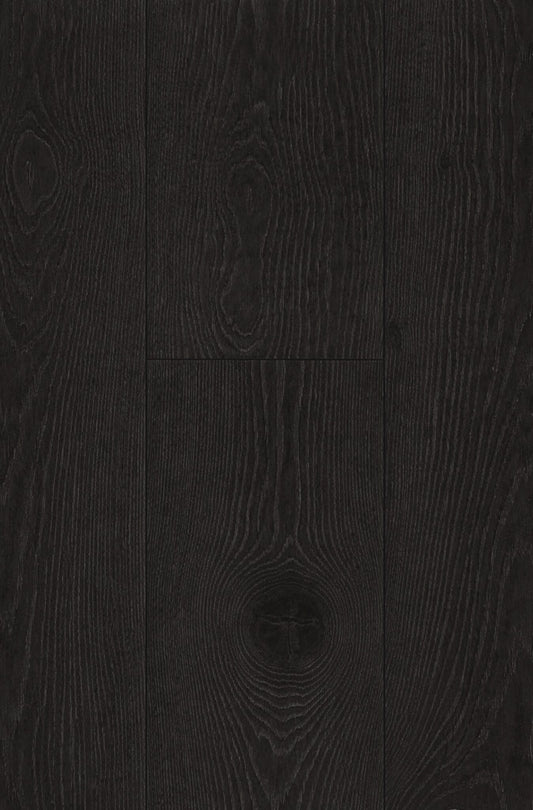
Villa Castle - Hearst | 4mm 3/4” 10.25x96RL European Oak Engineered Hardwood | SLCC
Vendor:SLCC Flooring$11.29 / sq. ft. $303.40 per carton · 26.87 sq. ft. / carton19.0mm10.25x96RL -
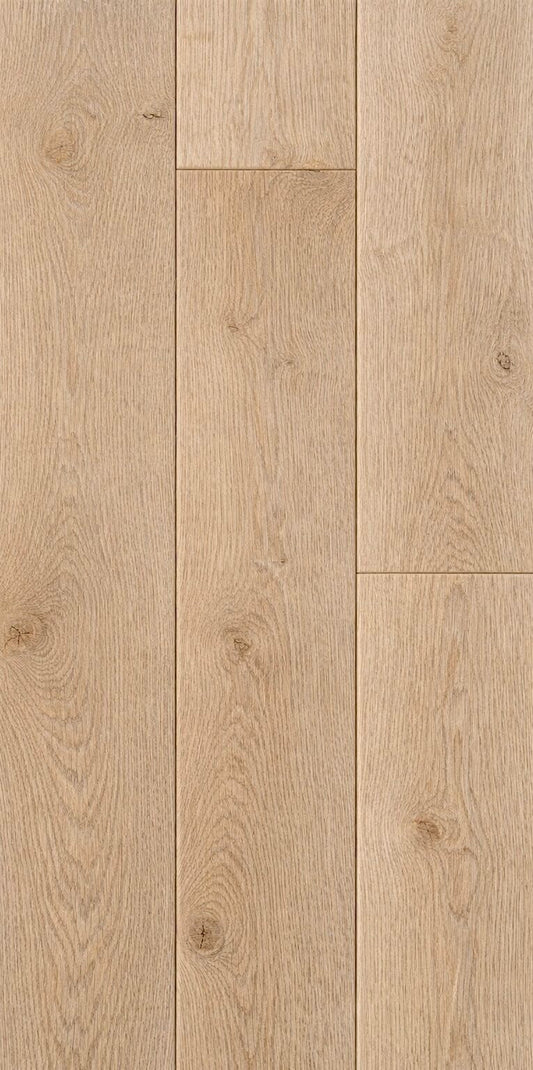
Villa Castle - Westminster | 4mm 3/4” 10.25x96RL European Oak Engineered Hardwood | SLCC
Vendor:SLCC Flooring$11.29 / sq. ft. $303.40 per carton · 26.87 sq. ft. / carton19.0mm10.25x96RL -
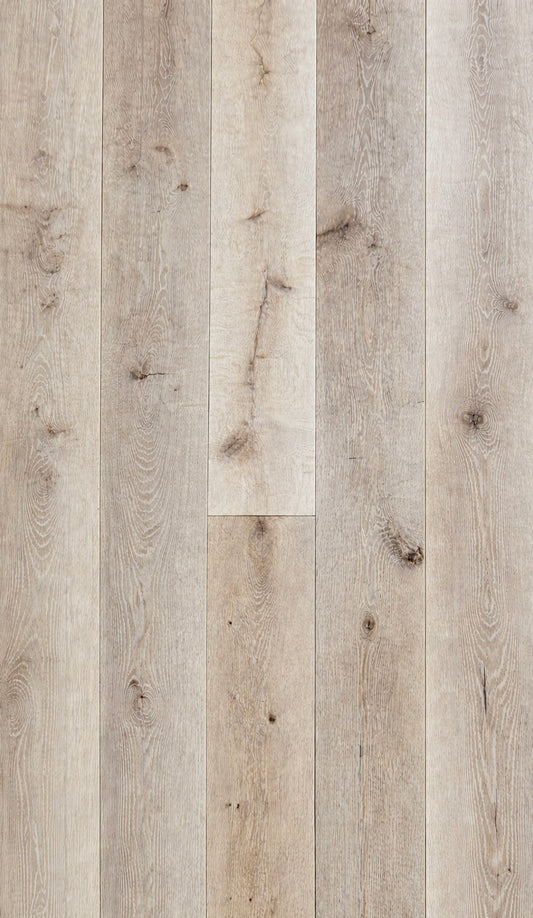
Villa Castle - Sagrada | 4mm 3/4” 10.25x96RL European Oak Engineered Hardwood | SLCC
Vendor:SLCC Flooring$11.29 / sq. ft. $303.40 per carton · 26.87 sq. ft. / carton19.0mm10.25x96RL -
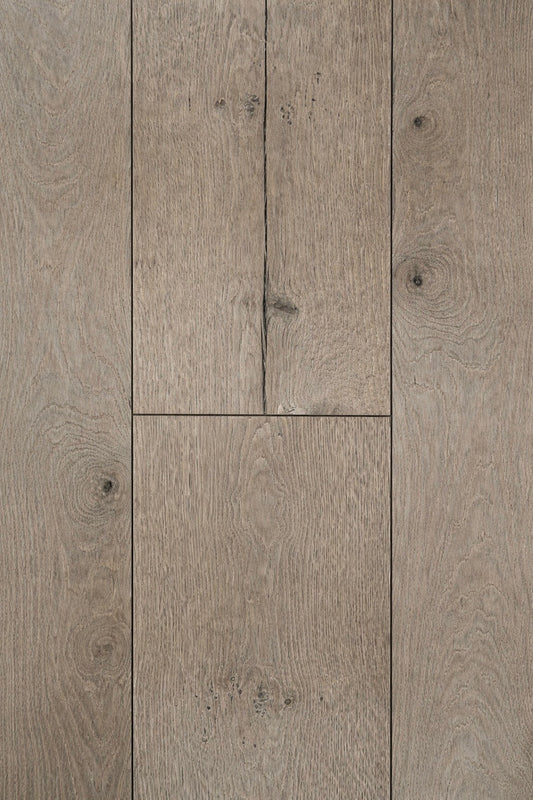
Villa Castle - Milan | 4mm 3/4” 10.25x96RL European Oak Engineered Hardwood | SLCC
Vendor:SLCC Flooring$11.29 / sq. ft. $303.40 per carton · 26.87 sq. ft. / carton19.0mm10.25x96RL -
Villa Castle - Cologne | 4mm 3/4” 10.25x96RL European Oak Engineered Hardwood | SLCC
Vendor:SLCC Flooring$11.29 / sq. ft. $303.40 per carton · 26.87 sq. ft. / carton19.0mm10.25x96RL -
Villa Castle - Boldt | 4mm 3/4” 10.25x96RL European Oak Engineered Hardwood | SLCC
Vendor:SLCC Flooring$11.29 / sq. ft. $303.40 per carton · 26.87 sq. ft. / carton19.0mm10.25x96RL





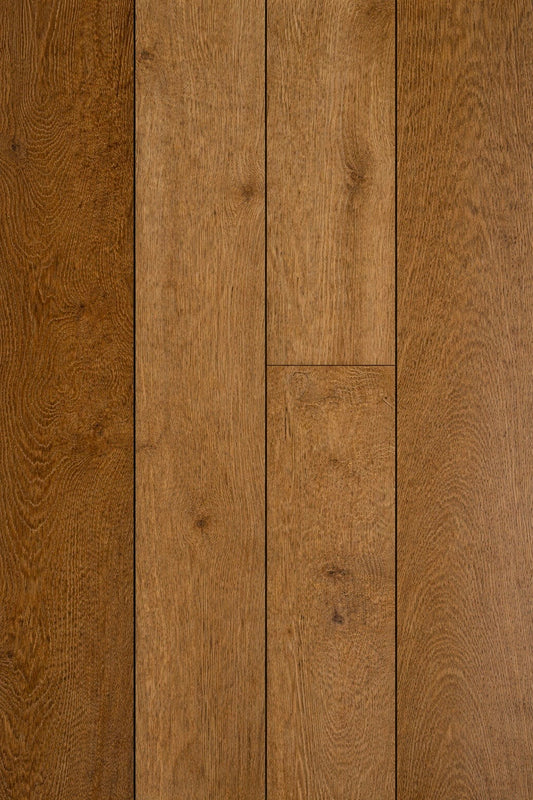

Eight-Foot-Long Engineered Hardwood Flooring
Eight-foot-long engineered hardwood flooring includes genuine wood planks reaching approximately 96 inches in length. These extended boards create long grain lines, reduce the number of visible end joints, and provide impressive visual scale across open residential interiors.
Extra-long hardwood is especially effective in great rooms, living areas, luxury bedrooms, open kitchens, long hallways, and connected floor plans. When combined with substantial plank widths, eight-foot boards can create a clean architectural foundation while displaying more of the natural grain within each plank.
What Is Eight-Foot-Long Engineered Hardwood?
An eight-foot board measures approximately 96 inches.
However, flooring dimensions require careful interpretation. A product described as eight feet long may use:
- Fixed 96-inch boards
- Random-length boards reaching 96 inches
- Cartons containing a mixture of shorter and longer planks
- Mostly long boards with shorter starter pieces
- Nominal dimensions that differ slightly from exact finished measurements
Before ordering, confirm whether 96 inches describes the fixed length, maximum length, or one component of a random-length package.
Is Eight-Foot Engineered Hardwood Made From Real Wood?
Yes. Qualifying engineered hardwood has a genuine hardwood surface veneer.
The surface may display natural:
- Grain patterns
- Knots
- Mineral streaks
- Color variation
- Character markings
- Sapwood and heartwood differences
- Textural movement
The genuine wood veneer is bonded to a layered supporting core. This construction is designed to provide greater dimensional stability than a traditional solid plank while preserving the appearance and texture of real hardwood.
Explore the complete engineered hardwood flooring collection for additional lengths, widths, species, and constructions.
Benefits of Eight-Foot Hardwood Planks
Extra-long boards may provide several visual and practical advantages:
- Fewer visible end joints
- Longer uninterrupted grain patterns
- A more expansive appearance
- Strong proportions in large rooms
- Greater visual continuity
- Compatibility with wide-plank designs
- A premium architectural character
- Less fragmented floor layouts
These advantages are primarily visual. Board length alone does not determine overall product quality. Veneer thickness, core construction, milling precision, finish, installation, and subfloor preparation remain equally important.
Eight-Foot Versus Standard-Length Hardwood
Standard engineered hardwood commonly uses shorter fixed or random-length boards. These can create more end joints and a more traditional plank pattern.
Eight-foot boards produce longer lines and may feel more contemporary or luxurious. They are often particularly effective when installed parallel to the longest wall or the primary direction of natural light.
The best option depends on:
- Room dimensions
- Desired plank pattern
- Installation direction
- Subfloor condition
- Delivery access
- Storage space
- Budget
- Preferred level of visual continuity
Extra-Long and Extra-Wide Hardwood
Eight-foot engineered hardwood is frequently paired with wide or extra-wide boards.
The combination can:
- Display more natural grain
- Reduce the total number of seams
- Create greater visual scale
- Complement high ceilings
- Suit large open rooms
- Support modern and European-inspired interiors
Extra-wide flooring also requires careful subfloor preparation. Wider and longer boards provide less tolerance for uneven substrates and inaccurate starting lines.
Compare 10-inch-wide engineered hardwood flooring and the broader wide-plank engineered hardwood collection.
European Oak Eight-Foot Flooring
European oak is particularly well suited to wide and long plank formats because its grain, knots, natural movement, and character remain visible across the larger surface.
Available European oak colors may include:
- Pale natural oak
- Whitewashed oak
- Warm beige
- Honey
- Balanced greige
- Medium brown
- Smoked brown
- Deep natural tones
European oak can complement contemporary, transitional, Scandinavian, modern farmhouse, coastal, organic-modern, and luxury interiors.
Browse European oak engineered hardwood flooring to compare additional formats.
Fixed-Length Versus Random-Length Boards
Fixed-length flooring uses boards of the same stated length, apart from cut pieces created during installation.
Random-length flooring contains multiple board lengths within the cartons. This produces a less uniform pattern and may resemble traditional site-finished hardwood layouts.
Neither format is automatically superior.
Fixed lengths may create:
- Consistent visual rhythm
- Predictable board dimensions
- Longer repeated sight lines
- Easier layout calculations in some rooms
Random lengths may create:
- More varied end-joint placement
- A traditional hardwood appearance
- Reduced repetition
- Greater flexibility around room dimensions
Always check the manufacturer’s packaging information before calculating layout and waste.
Veneer Thickness and Total Plank Thickness
Veneer thickness and total thickness describe different measurements.
The veneer is the genuine wood surface. Total thickness includes the veneer, supporting core, and stabilizing layers.
A substantial veneer provides more real wood above the supporting core. However, refinishing potential depends on:
- Veneer thickness
- Surface texture
- Existing finish
- Bevel depth
- Installation method
- Floor condition
- Approved refinishing procedure
Do not assume every engineered floor can be sanded or refinished.
Customers prioritizing a substantial wood surface can compare 4mm wear-layer engineered hardwood flooring.
Subfloor Preparation for Long Boards
Subfloor flatness becomes especially important with long and wide flooring.
Before installation, verify:
- Flatness across the complete area
- Structural condition
- Concrete moisture
- Wood-subfloor moisture
- Cleanliness
- Crack and joint treatment
- Loose panels or movement
- Approved patching materials
- Installation-grade approval
A deviation that appears minor beneath a short plank may become more noticeable when an eight-foot board spans it.
Handling and Delivery
Eight-foot cartons require additional planning before delivery.
Confirm:
- Truck access
- Unloading requirements
- Doorway dimensions
- Stair access
- Elevator dimensions
- Indoor storage space
- Turning clearance
- Protection from weather
- Jobsite environmental conditions
Long cartons may not fit easily inside small elevators, narrow staircases, compact vehicles, or rooms with restricted access.
Installation Methods
Depending on the product, eight-foot engineered hardwood may permit:
- Glue-down installation
- Nail-down installation
- Staple-down installation
- Floating installation
- More than one approved method
The installation method must match the specific plank, subfloor, building grade, and environmental conditions.
Long boards require accurate alignment at the starting wall. Small layout errors can become increasingly visible across a large installation.
Layout and Waste Planning
Additional material is needed for cuts, board selection, natural variation, and future repairs.
Waste requirements may increase with:
- Diagonal layouts
- Irregular room shapes
- Narrow hallways
- Numerous doorways
- Closets
- Fixed-length boards
- Selective board placement
- Complex open-plan layouts
Dry-lay several rows before permanent installation so color, grain, knots, and end-joint placement remain balanced.
Best Rooms for Eight-Foot Hardwood
Extra-long engineered hardwood can work particularly well in:
- Great rooms
- Large living rooms
- Open kitchens
- Dining rooms
- Primary bedrooms
- Long hallways
- Luxury residential interiors
- Connected open-plan spaces
- High-ceiling rooms
- Design-led renovations
Smaller rooms can still use long boards, but the plank dimensions should be assessed against the room’s proportions and installation direction.
Choosing the Right Color
Light natural oak can emphasize board length and make the room feel bright and open.
Medium brown provides greater definition while retaining visible grain.
Greige can connect warm cabinetry with gray stone, black hardware, or stainless appliances.
Dark and smoked finishes create dramatic contrast but may show dust, pet hair, scratches, and direct-light reflections more visibly.
Place samples flat in the room and review them during morning, afternoon, and evening lighting.
Frequently Asked Questions
How long is an eight-foot flooring plank?
Approximately 96 inches.
Are all boards exactly eight feet long?
Not necessarily. Some products use fixed lengths, while others include random lengths reaching a maximum of approximately eight feet.
Is eight-foot engineered hardwood real wood?
Yes. Qualifying engineered hardwood has a genuine hardwood surface veneer supported by a layered core.
Do extra-long planks make a room look larger?
They can create longer sight lines and fewer visible end joints, which may make an open room appear more continuous.
Are eight-foot planks harder to install?
Their size requires additional handling, accurate layout, sufficient access, and particularly careful subfloor preparation.
Can eight-foot engineered hardwood go over concrete?
Selected products may be installed over properly prepared and moisture-tested concrete when the individual instructions approve the method.
Does long flooring create less waste?
Not automatically. Waste depends on room shape, board format, layout, cutting, and whether the product uses fixed or random lengths.
Should I inspect several boards before installation?
Yes. Natural hardwood varies in grain, color, knots, and character. Several cartons should be blended during installation.
Explore related flooring
Browse related flooring collections, brands and styles before making your final choice.