
Collection: Dark Wood Flooring
Shop dark wood flooring with a genuine hardwood surface and a deep, near black finish. Compare natural grain, plank dimensions and surface texture, then check the installation requirements. Review samples alongside your room’s light, cabinets and furniture before making the final choice.
-
Villa Castle - Hearst | 4mm 3/4” 10.25x96RL European Oak Engineered Hardwood | SLCC
Vendor:SLCC Flooring$11.29 / sq. ft. $303.40 per carton · 26.87 sq. ft. / carton19.0mm10.25x96RL

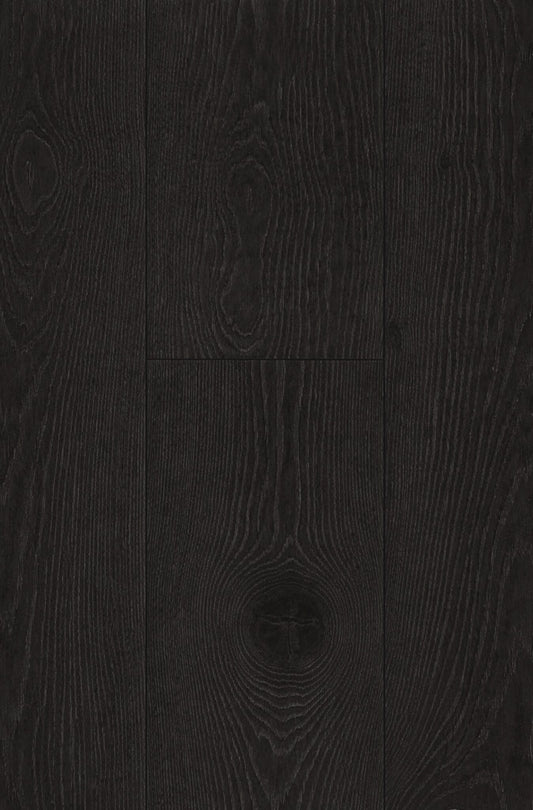
Dark Wood Flooring
Dark wood flooring brings depth and natural character to an interior. This collection focuses on genuine hardwood products whose published color information confirms a deeper brown or near black appearance. It offers a targeted selection for buyers who want a darker real wood surface rather than a printed wood look.
Darkness is only one part of the design. The grain, undertone, sheen and board scale determine how the floor relates to the room. Compare those features together and use samples under your actual lighting. A deep finish that looks balanced in a bright showroom can feel different in a shaded living space.
What Counts as Dark Wood Flooring?
Dark wood includes deeper stained or finished hardwood surfaces where the overall appearance is visibly darker than a light or medium natural wood palette. Brown, amber influenced brown and near black finishes can produce different effects even when they sit within the same broad category.
A dark finish does not identify the wood species. Check the published species and construction rather than assuming that a dark brown board is walnut or that a blackened board contains a different type of wood.
This collection keeps the material distinction clear. Browse engineered hardwood flooring for a wider real wood comparison. Vinyl and laminate with dark wood images belong to separate material categories and should be evaluated using their own specifications.
Deep Brown and Near Black Undertones
Deep brown can create a warm foundation beside cream walls, natural stone and traditional furniture. A near black finish can produce a more dramatic effect, particularly with lighter cabinetry and contemporary interiors.
Look for the undertones visible in the actual sample. Some deeper browns reveal amber warmth, while other dark finishes appear more neutral. Grain variation may also change the way the color reads across several boards.
Compare the sample with the largest permanent surfaces in the room. Flooring, cabinetry and stone do not need to match, but their undertones should form a combination you enjoy. Assess the floor beside both the cabinet face and countertop, not only against a wall paint swatch.
Balancing Dark Flooring With Natural Light
A dark floor can work in a bright room or a more intimate space, but the lighting changes its impact. Generous windows may make grain and tonal variation more visible. Shaded areas can make the same surface appear more uniform.
Check morning, afternoon and evening conditions. Look at the sample close to a window and deeper inside the room. This helps you understand whether the color remains readable across the space.
Lighter walls, rugs and upholstery can provide useful separation from a deeper floor. Choose these relationships deliberately rather than assuming a dark surface requires an entirely light room. Personal preference and the room’s proportions are part of the design.
Dark Wood With Light and Dark Cabinets
Light cabinets can create clear contrast above a dark floor. Warm whites and creams may work differently from cool bright whites, so compare the actual paint or finish alongside the sample.
Darker cabinets can also work, particularly when the floor and cabinetry are visibly distinct in tone, texture or grain scale. An attempted near match may be harder to coordinate than a deliberate difference. Consider the backsplash and wall color as part of that decision.
Explore flooring for natural wood cabinets for a broader coordination comparison. Use that guidance to assess the full palette while keeping the selected hardwood’s technical suitability separate from its visual appeal.
Wide Planks and Natural Grain
Wide boards show larger sections of grain and can give a dark floor a strong visual presence. The effect depends on the room size, board length and surface variation. More width does not automatically make a room feel larger.
Browse wide plank engineered hardwood flooring if the plank scale is central to your design. Compare the actual dimensions and note whether lengths are fixed or random.
Grain and tonal movement help distinguish a dark hardwood surface from a uniform dark coating. Review several boards where possible so you understand the intended variation. A photograph of one board may not show how the floor looks across an entire living room.
Surface Texture and Sheen
Texture changes how a dark floor reflects light. Brushed or distressed surfaces can emphasize grain and create a more tactile appearance. Smoother surfaces offer a different visual character.
Compare distressed engineered hardwood flooring when you prefer an aged or textured finish. Distressing is a surface style, not a guarantee that future scratches will be invisible.
Sheen also matters. Reflections from large windows can look more noticeable on some finishes. Review a sample from different angles and compare it with your typical lighting. Choose a surface you like seeing every day rather than selecting color without considering reflection.
Dark Wood in Living Rooms and Bedrooms
A deeper hardwood floor can provide a warm backdrop in bedrooms and a stronger architectural foundation in living rooms. Rugs and furniture help define the space while leaving areas of wood visible.
Explore engineered hardwood for living rooms when planning a connected family space. Assess entry routes, furniture movement and the indoor conditions as well as the color.
For quieter rooms, compare engineered hardwood for bedrooms. Consider how the floor will look beside bedside furniture and soft furnishings. The room’s use may be gentler than a main hallway, but the substrate and installation still need to meet the product requirements.
Dust, Scratches and Routine Maintenance
Some dark surfaces make pale dust or certain marks more visible because of contrast. The exact effect depends on grain, texture, sheen and lighting. A highly varied dark floor may look different from a more uniform dark finish.
Remove grit regularly and use appropriate furniture protection. Avoid dragging chairs or heavy objects across the surface. Clean spills promptly with the method permitted for the product.
Dark color does not make hardwood waterproof or scratch proof. Use the same careful approach to moisture and cleaning that genuine wood requires in any color. If visibility of everyday debris is a major concern, assess a sample in the area where the floor will receive the most use.
Construction and Installation Before You Buy
Color should not distract from the board specification. Check the total thickness, genuine wood face, installation method and approved application. Engineered products may permit different methods, but approval must be confirmed for each board.
Review finished height beside adjoining flooring and at doors. Concrete needs the required moisture testing and preparation where the product permits that application. Wood substrates need appropriate strength and flatness.
Measure the full area and discuss additional material for cuts, layout and selection. Keep some matching boards for possible repairs. A targeted dark wood selection works best when the design decision is supported by a complete installation plan.
Frequently Asked Questions
Does dark wood flooring make a room look smaller?
It can change the room’s visual balance, but the effect depends on lighting, wall color, furnishings and layout. Review samples in the actual room rather than making the decision from color alone.
Is dark wood flooring always walnut?
No. Dark describes the finished appearance, not the species. Check the published wood species and construction for the exact board.
Does dark hardwood show more dust?
Pale dust can be more noticeable against some dark surfaces. Grain variation, texture, sheen and lighting affect the result. Samples help you assess how the finish looks in your home.
Can dark wood work with dark cabinets?
Yes, when the overall palette provides a combination you enjoy. Compare undertone and grain scale, and consider a deliberate difference between floor and cabinetry rather than an uncertain near match.
Is dark engineered hardwood real wood?
Yes, when it has a genuine hardwood face. A deeper finish changes appearance but does not change the material into vinyl or laminate.
How should dark hardwood be cleaned?
Follow the product’s cleaning instructions, remove abrasive debris and clean spills promptly. Use furniture protection and avoid leaving moisture on the surface, just as you would with other genuine wood floors.
Explore related flooring
Browse related flooring collections, brands and styles before making your final choice.