Engineered Hardwood Flooring for Bedrooms
Engineered hardwood flooring for bedrooms combines a genuine wood surface with a stable supporting core and a factory-applied finish.
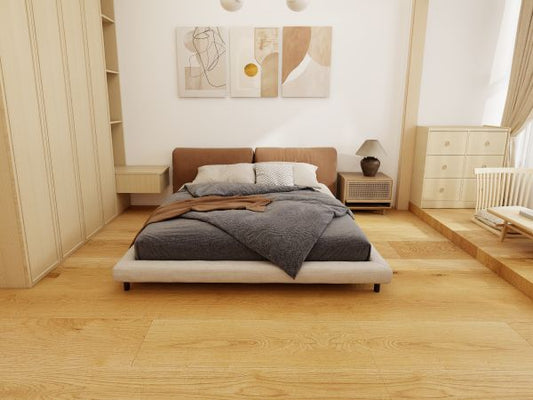
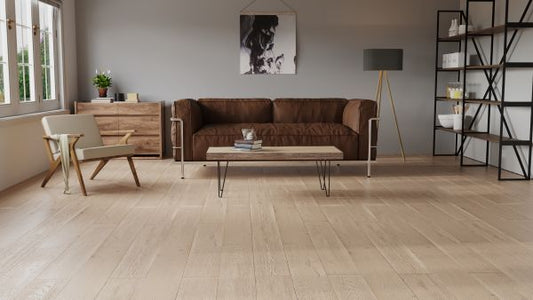
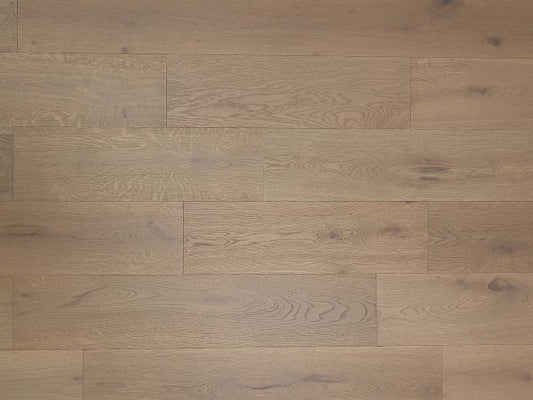
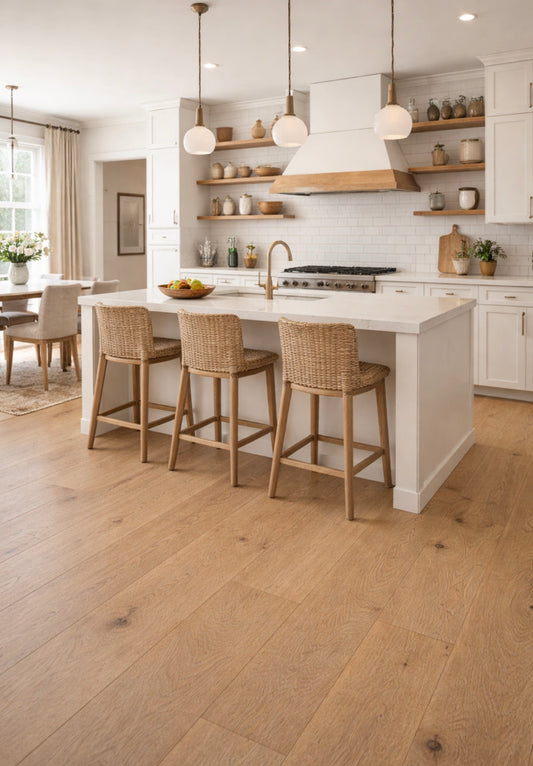
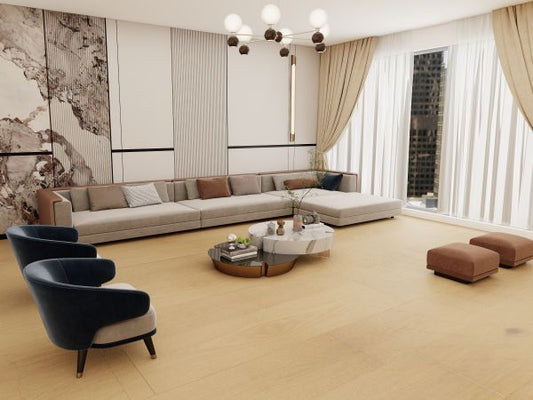
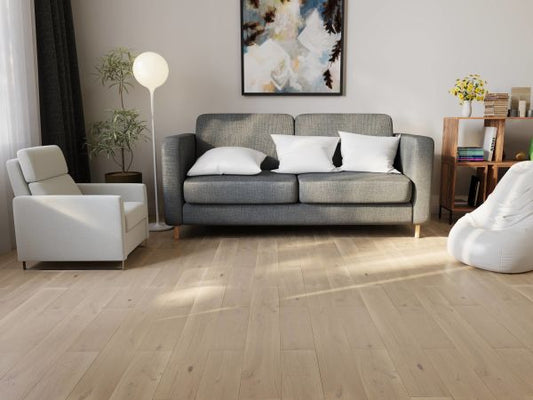
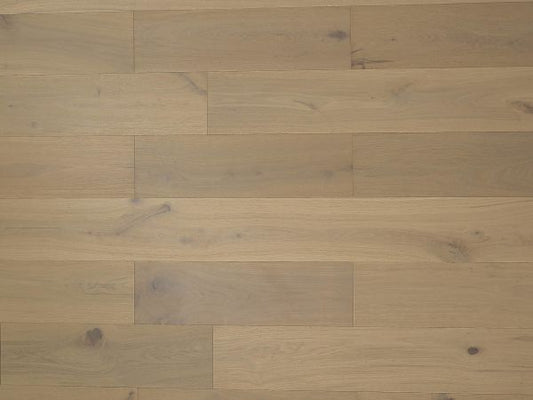
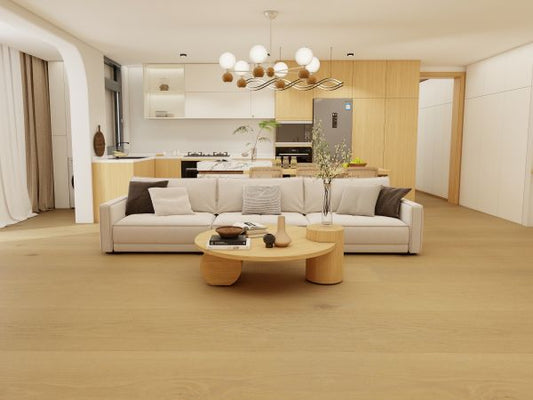
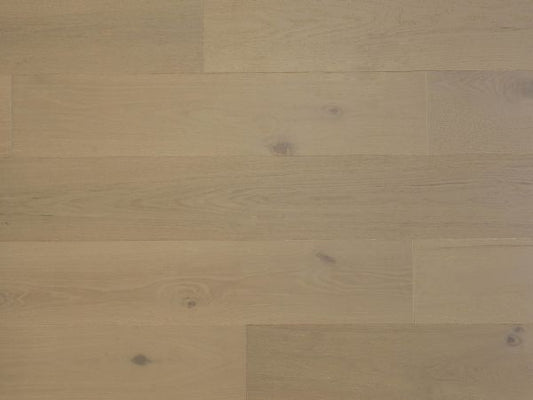
Natural grain, warm coloring, and a broad choice of plank dimensions can create bedrooms ranging from light and minimalist to rich and traditional.
Suitability depends on the complete product, subfloor, installation method, room environment, and household needs.
Benefits in Bedrooms
Depending on the selected floor, engineered hardwood may provide:
- Genuine wood appearance
- Warm residential character
- Natural grain variation
- Light and dark color options
- Wide-plank styling
- Long-plank formats
- Matte and low-gloss finishes
- Smooth or textured surfaces
- Multiple installation methods
- Room-to-room continuity
Genuine wood still requires appropriate environmental control and maintenance.
Choosing a Bedroom Color
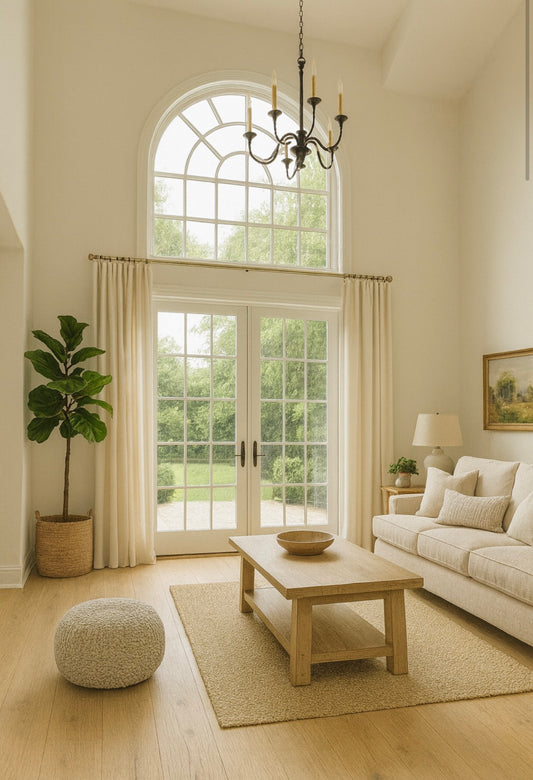
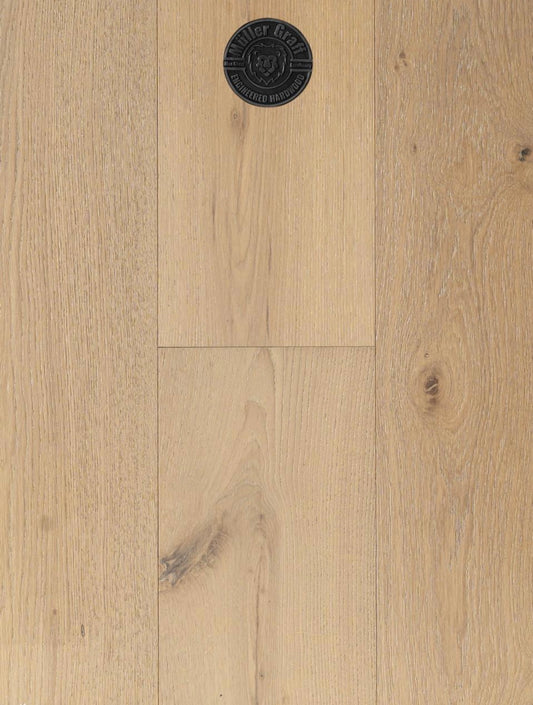
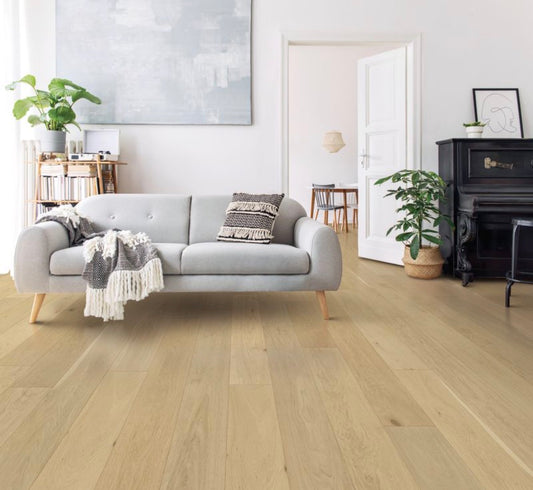
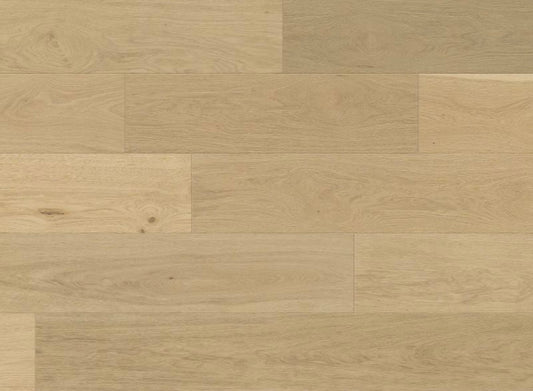
Light colors may create:
- Airy visual character
- Calming interiors
- Scandinavian styling
- Strong contrast with dark furniture
- Brighter compact bedrooms
- Relaxed coastal designs
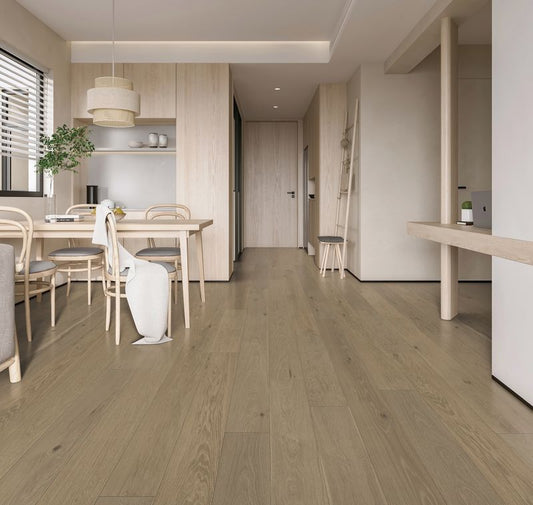
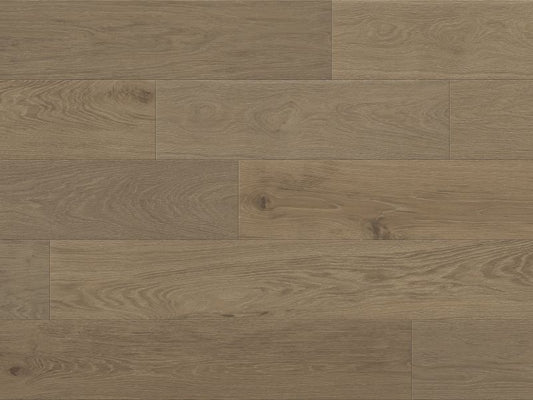
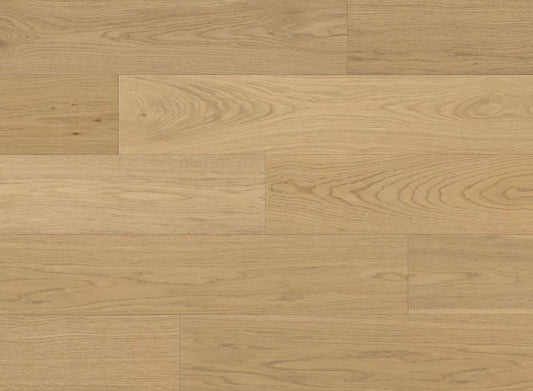
Medium colors may provide:
- Natural warmth
- Broad furniture compatibility
- Balanced contrast
- Traditional or transitional styling
- A forgiving everyday appearance
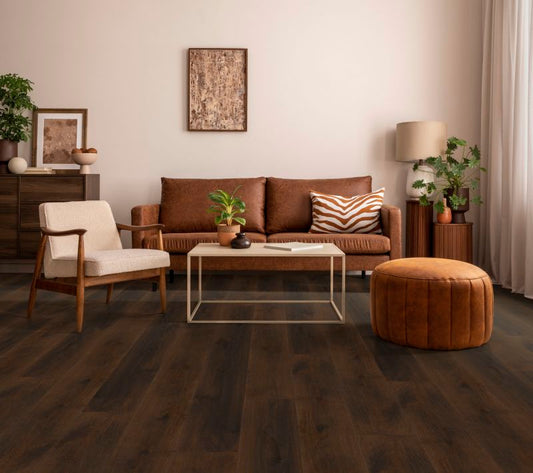
Dark colors may create:
- Rich visual depth
- Formal styling
- Strong contrast with pale walls
- Dramatic primary bedrooms
- Greater visibility of dust in some lighting
Physical samples should be viewed in both daylight and evening light.
Plank Width and Room Size
Wide planks can create fewer seams and broader visual movement. Narrower planks may create a busier or more traditional layout.
Consider:
- Bedroom dimensions
- Ceiling height
- Furniture scale
- Plank length
- Natural light
- Installation direction
- Closet layout
- Connected hallways
- Color variation
- Desired interior style
Wide boards can work in small bedrooms when the color and layout are carefully selected.
Sound and Underfoot Response
Sound performance depends on the installation system.
Floating installations may use approved acoustic underlayment. Glue-down installations may produce a firmer response with less hollow sound. Nail-down installations depend on the wood subfloor and complete assembly.
For upper-floor bedrooms, confirm:
- Underlayment approval
- Impact-insulation rating
- Sound-transmission rating
- Building requirements
- Homeowners-association rules
- Subfloor construction
- Transition requirements
- Finished-floor height
- Installation method
- Manufacturer instructions
Do not assign acoustic ratings without documented test results.
Area Rugs
Area rugs may add comfort and protect high-use areas around beds and dressers.
Use rug pads compatible with the factory finish and consider:
- Dye transfer
- Rubber or latex restrictions
- Moisture retention
- Air circulation
- Rug movement
- Sunlight exposure
- Cleaning access
- Floor discoloration
Moving rugs periodically may encourage more even color development.
Furniture Protection
Bedroom furniture can create substantial concentrated loads.
Protect the floor by:
- Using suitable furniture pads
- Checking bedframe supports
- Protecting dresser feet
- Lifting furniture during moves
- Avoiding dragging
- Keeping caster wheels clean
- Using broad load-distribution pads
- Inspecting protectors regularly
- Removing trapped grit
- Retaining spare planks
Cleaning and Care
Routine bedroom care may include:
- Vacuuming loose dust
- Using a hardwood-floor attachment
- Cleaning with approved products
- Removing spills promptly
- Avoiding excessive water
- Avoiding steam mops
- Using clean microfiber pads
- Maintaining indoor humidity
- Protecting high-traffic paths
- Following finish-specific instructions
Frequently Asked Questions
Is engineered hardwood suitable for bedrooms?
Yes. It provides genuine wood character and is widely used in residential bedrooms.
What color works best in a small bedroom?
Light and medium colors may create an open appearance, although furniture, lighting, and wall colors also matter.
Are wide planks suitable for bedrooms?
Yes. Wide planks can reduce the number of seams and create calm visual movement.
Can an area rug be placed over engineered hardwood?
Yes, with a rug pad approved for the flooring’s finish.
Is engineered hardwood noisy upstairs?
Sound depends on the subfloor, installation method, underlayment, and complete floor-ceiling assembly.
Can bedroom hardwood be installed over carpet?
No. Carpet and cushion normally need to be removed before installing engineered hardwood.
Can it be installed over concrete?
Selected products may be glued or floated over properly prepared concrete.
Is engineered hardwood waterproof?
No. Spills should be cleaned promptly and excessive moisture avoided.
Can it be refinished?
Selected products may be professionally refinished depending on veneer thickness and manufacturer guidance.
Should samples be ordered before choosing?
Yes. View samples beside the bed, furniture, walls, and textiles under the room’s actual lighting.