
Collection: Engineered Hardwood Flooring for Idaho Homes
Explore engineered hardwood for Idaho homes with the warmth, grain and character of real wood. Compare species, veneer thicknesses, board widths and finishes for living rooms, dining areas and bedrooms. Find a floor that suits your style and the conditions maintained inside your home.
-
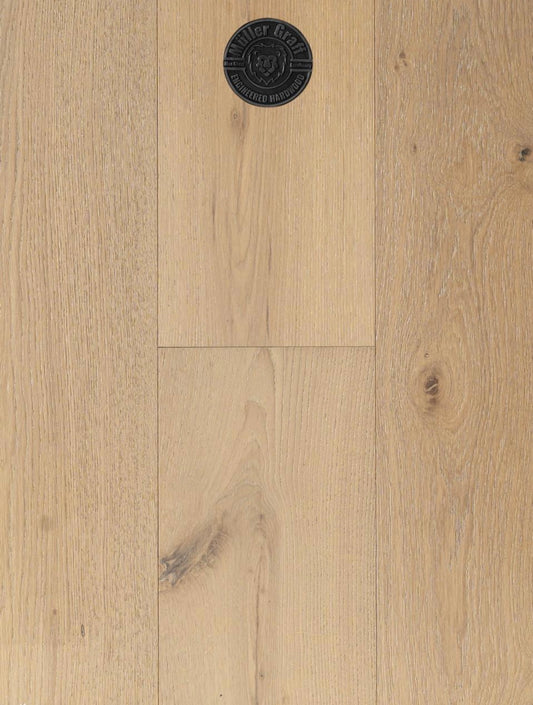
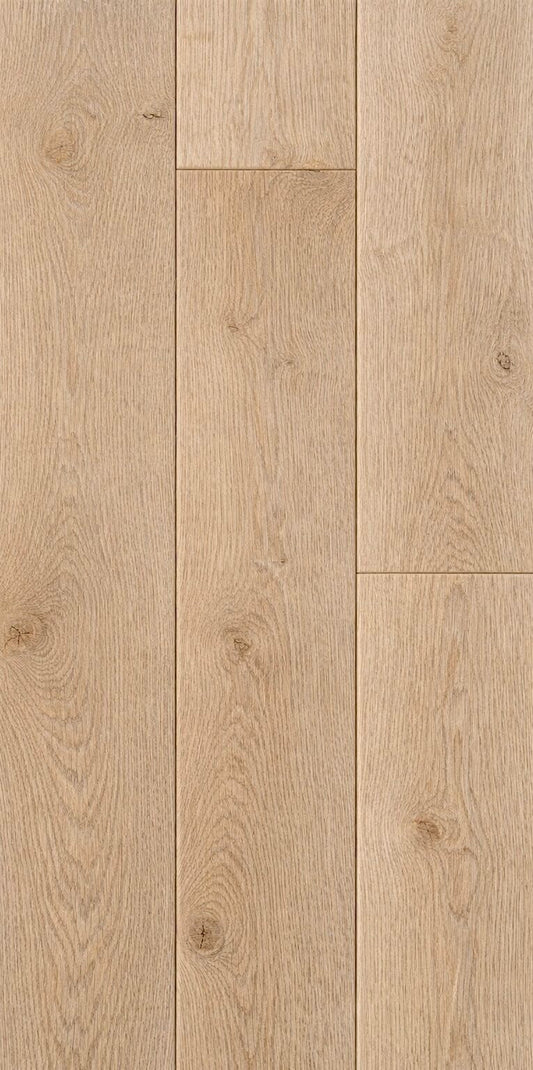
Italia Classics Amalfi European Oak Engineered Hardwood | 4mm wear layer 5/8 (15mm) 9.44” x 86.61” | Muller Graff
Vendor:Muller Graff$8.80 / sq. ft. $200.00 per carton · 22.72 sq. ft. / carton15.0mm9.44x86.61Sale -
Italia Classics Alba European Oak Engineered Hardwood | 4mm wear layer 5/8” 9.44” x 86.61” | Muller Graff
Vendor:Muller Graff$8.80 / sq. ft. $200.00 per carton · 22.72 sq. ft. / carton15.0mm9.44x86.61Sale -
Italia Classics Rivoli European Oak Engineered Hardwood | 4mm wear layer 5/8 (15mm) 9.44” x 86.61” | Muller Graff
Vendor:Muller Graff$8.80 / sq. ft. $200.00 per carton · 22.72 sq. ft. / carton15.0mm9.44x86.61Sale -
Italia Classics Campania European Oak Engineered Hardwood | 4mm wear layer 5/8 (15mm) 9.44” x 86.61” | Muller Graff
Vendor:Muller Graff$8.80 / sq. ft. $200.00 per carton · 22.72 sq. ft. / carton15.0mm9.44x86.61Sale -
Italia Classics Calabria European Oak Engineered Hardwood | 4mm wear layer 5/8 (15mm) 9.44” x 86.61” | Muller Graff
Vendor:Muller Graff$8.80 / sq. ft. $200.00 per carton · 22.72 sq. ft. / carton15.0mm9.44x86.61Sale -
Villa Castle - Hearst | 4mm 3/4” 10.25x96RL European Oak Engineered Hardwood | SLCC
Vendor:SLCC Flooring$11.29 / sq. ft. $303.40 per carton · 26.87 sq. ft. / carton19.0mm10.25x96RL -
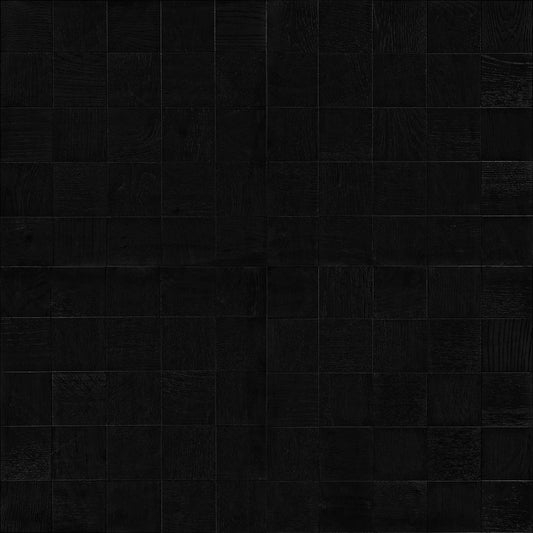
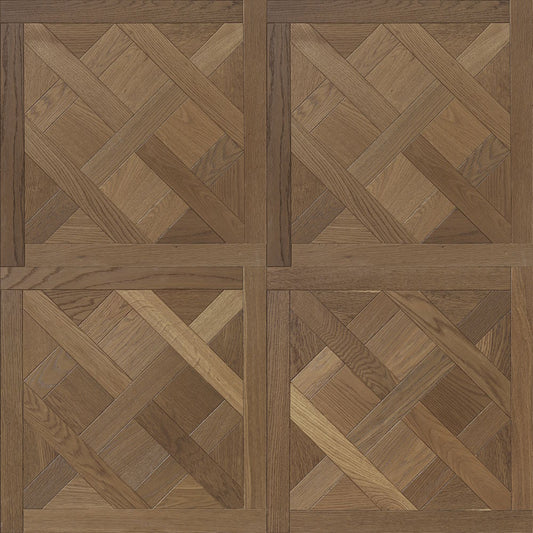
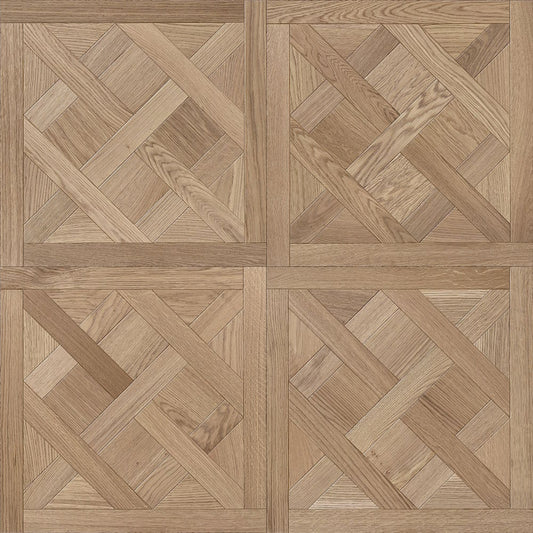
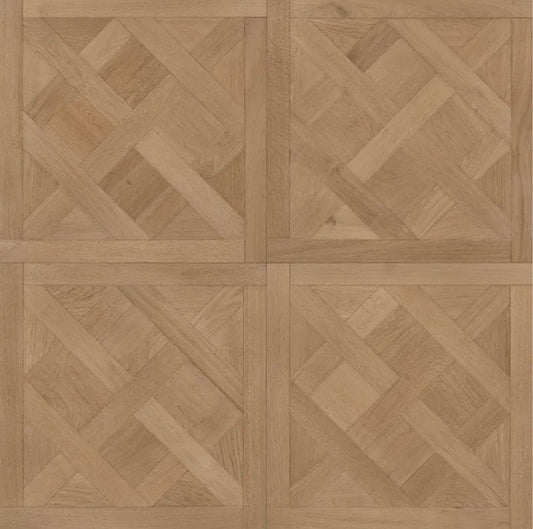
Parquet - Pluto (AB) | 5/8” 4mm 23.6x23.6 Engineered Hardwood | Celeste Floors
Vendor:Celeste Floors$18.18 / sq. ft. $501.00 per carton · 27.56 sq. ft. / carton15.0mm4mil31.5x31.5 -
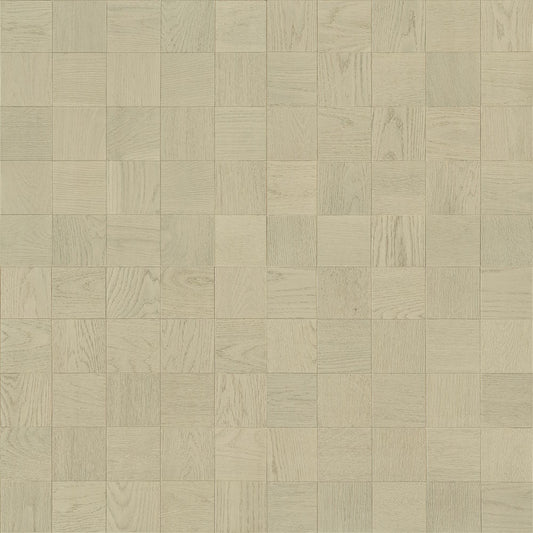
Parquet - Nantes (AB) | 5/8” 4mm 31.5x31.5 Engineered Hardwood | Celeste Floors
Vendor:Celeste Floors$21.99 / sq. ft. $606.10 per carton · 27.56 sq. ft. / carton15.0mm4mil31.5x31.5 -
Parquet - Libra (AB) | 5/8” 4mm 23.6x23.6 Engineered Hardwood | Celeste Floors
Vendor:Celeste Floors$18.18 / sq. ft. $501.00 per carton · 27.56 sq. ft. / carton15.0mm4mil31.5x31.5 -
Parquet - Kolar (AB) | 5/8” 4mm 23.6x23.6 Engineered Hardwood | Celeste Floors
Vendor:Celeste Floors$18.18 / sq. ft. $501.00 per carton · 27.56 sq. ft. / carton15.0mm4mil31.5x31.5 -
Parquet - Cosmic (AB) | 5/8” 4mm 23.6x23.6 Engineered Hardwood | Celeste Floors
Vendor:Celeste Floors$18.18 / sq. ft. $501.00 per carton · 27.56 sq. ft. / carton15.0mm4mil31.5x31.5 -
Parquet - Chambers (AB) | 5/8” 4mm 31.5x31.5 Engineered Hardwood | Celeste Floors
Vendor:Celeste Floors$21.99 / sq. ft. $606.10 per carton · 27.56 sq. ft. / carton15.0mm4mil31.5x31.5 -
Westwind Premium - Wimberley | 3/8” 1.5mm 7.5x84RL Engineered Hardwood | SLCC Flooring
Vendor:SLCC Flooring$5.79 / sq. ft. $199.00 per carton · 34.36 sq. ft. / carton9.5mm7.5x84RL -
Westwind Premium - Bandera | 3/8” 1.5mm 7.5x84RL Engineered Hardwood | SLCC Flooring
Vendor:SLCC Flooring$5.94 / sq. ft. $204.00 per carton · 34.36 sq. ft. / carton9.5mm7.5x84RL -
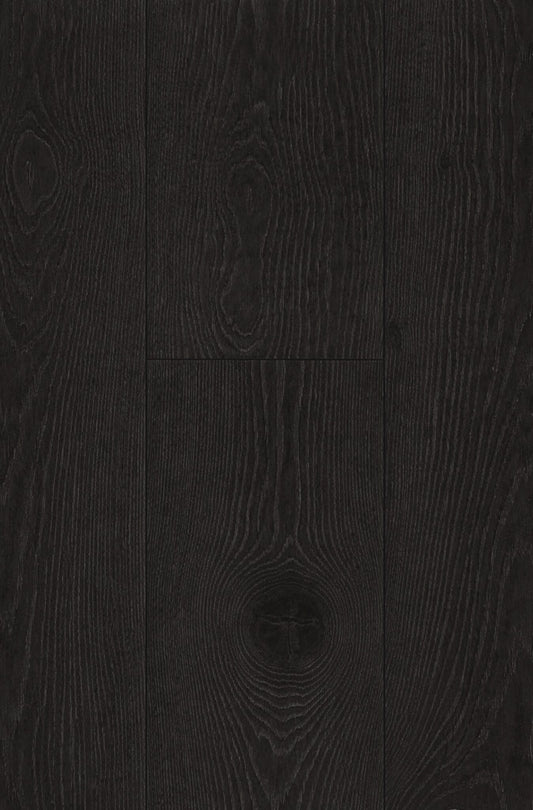
Villa Castle - Westminster | 4mm 3/4” 10.25x96RL European Oak Engineered Hardwood | SLCC
Vendor:SLCC Flooring$11.29 / sq. ft. $303.40 per carton · 26.87 sq. ft. / carton19.0mm10.25x96RL -
Villa Castle - Sagrada | 4mm 3/4” 10.25x96RL European Oak Engineered Hardwood | SLCC
Vendor:SLCC Flooring$11.29 / sq. ft. $303.40 per carton · 26.87 sq. ft. / carton19.0mm10.25x96RL
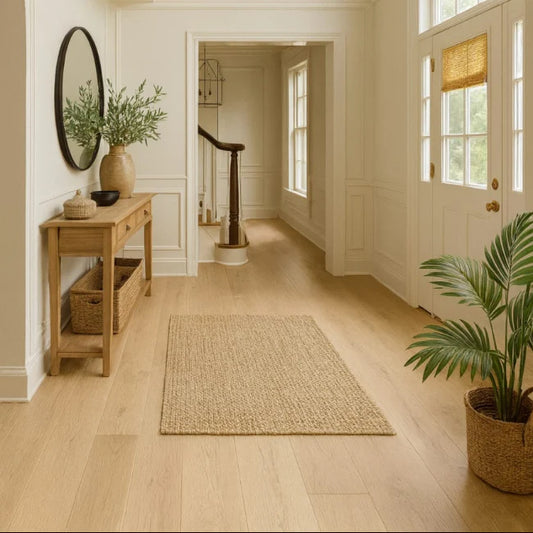
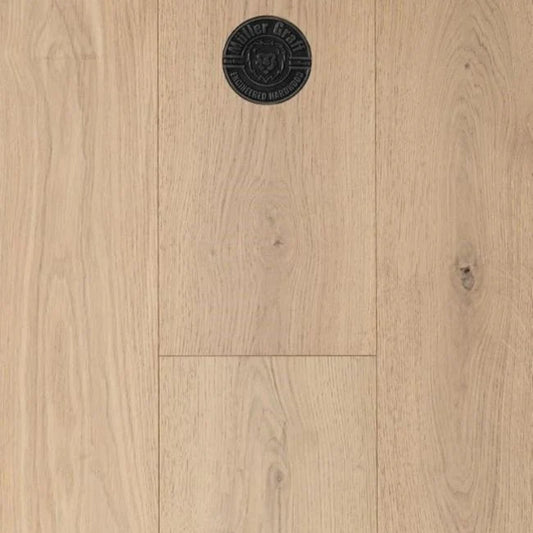


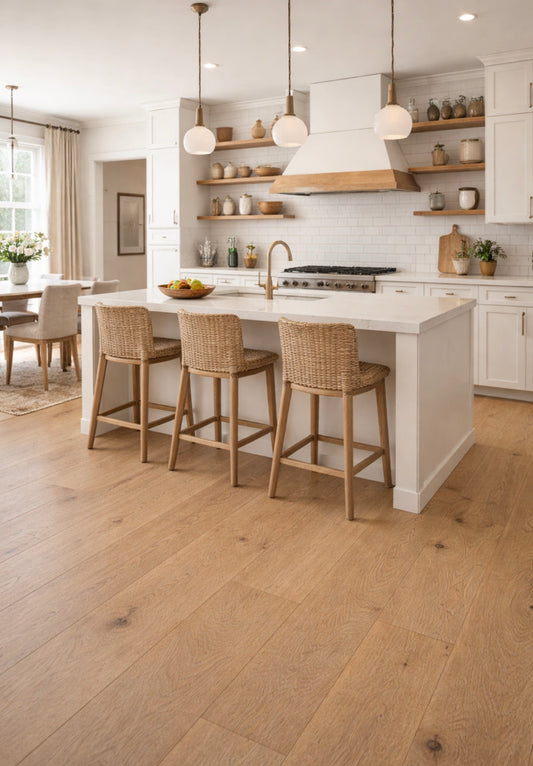
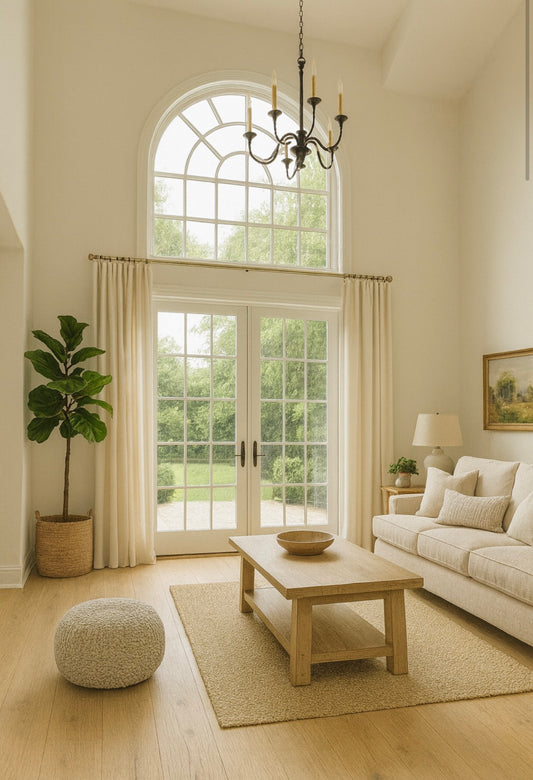










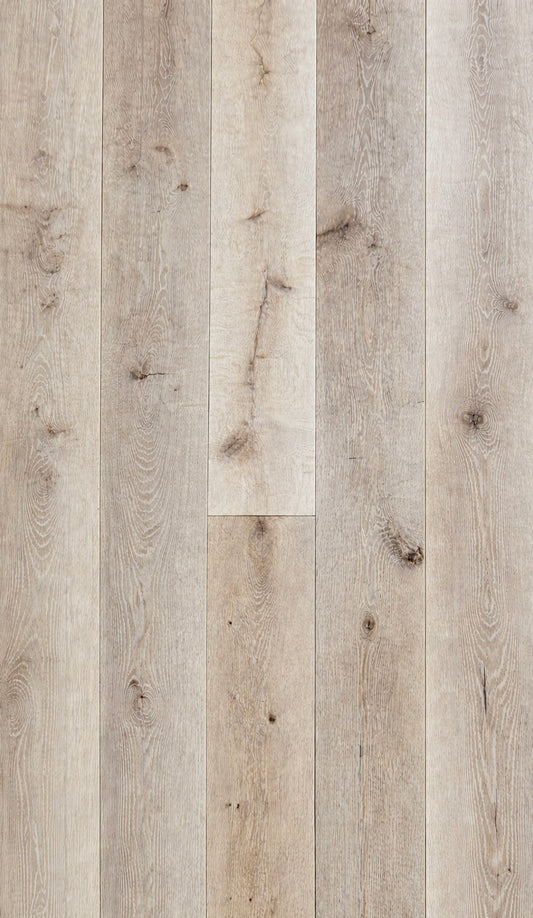
Engineered Hardwood Flooring for Idaho Homes
Engineered hardwood gives an Idaho home a genuine wood surface with natural grain, texture and variation. It is an appealing category for homeowners furnishing living rooms, dining spaces and bedrooms where the material itself is part of the design.
The choice should bring appearance and construction together. Compare wood species, veneer thickness, overall profile, plank width and the permitted installation method. Check the product against the indoor conditions maintained in the property throughout the year.
Why Choose a Real Wood Surface?
A real wood face gives each board individual character. Grain movement and natural tonal differences can bring warmth to a room with painted walls, stone surfaces or upholstered furniture. The floor does not need to match every other wood finish exactly.
Engineered construction combines that visible wood layer with supporting layers beneath it. The construction can provide useful installation options, but the exact product determines where and how it may be used.
For a full material comparison, explore flooring choices for Idaho homes. Engineered hardwood suits shoppers who value real wood and are prepared to maintain the conditions that support it.
Species, Texture and Coordinating Finishes
Start by considering the grain and undertone you want in the room. Some woods show stronger variation, while others create a more restrained appearance. Finish and brushing can also change how the surface feels and reflects light.
Compare white oak engineered hardwood flooring when evaluating a versatile species for living areas and bedrooms. Review the floor beside actual cabinets, wall colors and furniture rather than choosing from an isolated image.
Look at several boards if possible. Natural wood variation is part of the material, so one small sample cannot show the entire installation. Decide whether you prefer quieter grain or more pronounced character before purchasing.
Face Veneer and the Overall Board
The veneer is the real wood layer visible at the surface. Overall thickness includes both that layer and the structure beneath it. These measurements serve different purposes in a comparison.
Our 4mm veneer engineered hardwood flooring collection helps you review products with that stated face-layer thickness. Check the finish, bevels and full construction as well as the veneer measurement.
Refinishing should be assessed for the exact board. A thicker veneer can be relevant, but it does not independently guarantee a particular number of sanding cycles. The remaining usable wood, joint position and finish all matter.
Board Lengths and the Layout of a Room
Board dimensions affect the rhythm of a wood floor. Longer boards can create visual continuity, while mixed lengths produce a more varied arrangement. Width also changes how many seams are visible across the room.
Browse random-length engineered hardwood flooring when a varied board layout is part of your design. Check the published length range and how boards will be distributed through the installation.
Plan the direction of the floor in relation to prominent walls, doors and adjoining rooms. A thoughtful layout makes the grain and natural variation feel balanced rather than concentrated in one area.
Living Rooms, Dining Areas and Upstairs Bedrooms
Engineered hardwood can suit rooms where natural material character is the main priority. In a living room, compare the wood beside large furniture pieces. In a dining area, consider furniture protection and the way chairs move across the surface.
Upstairs installations need attention to the subfloor and any acoustic requirements. Review engineered hardwood flooring for upstairs rooms when planning bedrooms or other upper-level spaces.
The installation assembly matters as much as the board. Underlayment, adhesive or fastening requirements should follow the exact product instructions. Do not assume all engineered hardwood can be floated, glued or nailed interchangeably.
Concrete Installation and Moisture Preparation
Selected engineered hardwood products permit installation over concrete. The approved method and any moisture-control system depend on the exact flooring. Check these requirements before selecting the product for a slab-based room.
Explore engineered hardwood flooring over concrete for that application. Test the slab for moisture and prepare it for flatness, structural soundness and cleanliness.
A concrete surface that looks dry is not enough to approve an installation. The selected floor and installation system need conditions within their stated limits. Resolve moisture problems before covering the substrate.
Heating Seasons and Indoor Humidity
Heating during colder periods can change indoor humidity, while cooling and changing occupancy patterns can create further variation. Engineered hardwood should be evaluated against the conditions inside the home, including rooms that are used less often.
Follow the specified acclimation process. Requirements may depend on the building, material and subfloor conditions rather than a fixed waiting time. Installation should begin only when the necessary conditions have been met.
Seasonal properties need particular care. If an Idaho home is left unheated or without humidity control, confirm that the exact flooring allows that environment. Engineered construction does not make real wood unaffected by moisture and temperature changes.
Radiant Heat and Concentrated Sunlight
A radiant-heating installation requires explicit flooring approval for the selected system. The permitted surface temperature, heating procedure and installation assembly must be reviewed before ordering.
Strong sunlight should also be considered. Place samples near the windows and compare them at different times of day. Window coverings can help manage concentrated exposure, and furniture placement influences which parts of the floor receive light.
Real wood may change in appearance over time. Consider how rugs and covered areas affect that visual change. Product care instructions are the best guide for protecting the finish and managing exposure.
Everyday Care for a Real Wood Floor
Engineered hardwood is not automatically waterproof. Remove spills promptly and avoid leaving water around entrances, sinks or pet bowls. Repeated moisture exposure should be addressed as part of the room's routine.
Remove grit regularly, protect furniture contact points and use cleaners approved for the finish. Dragging furniture or using an unsuitable cleaning method can affect the surface even when the board has a substantial veneer.
Before ordering, plan transitions, doors, stairs and the finished floor height. Allow material for cuts and the chosen layout, and inspect boards so their natural variation can be distributed thoughtfully across the room.
Frequently Asked Questions
Is engineered hardwood suitable for Idaho homes?
It can suit approved interiors when the home maintains the temperature and humidity conditions required by the exact product.
Does engineered hardwood contain real wood?
Yes. Its visible face is genuine wood over a layered supporting construction. Species and veneer thickness vary by product.
Is engineered hardwood waterproof?
It should not be assumed waterproof. Check the exact product's moisture guidance and remove spills promptly.
Can engineered hardwood go upstairs?
Selected products suit upstairs applications. Subfloor preparation, installation method and any building acoustic requirements should be verified.
Can engineered hardwood be installed on a concrete slab?
Some products permit this with an approved assembly. Moisture testing and slab preparation are essential parts of that decision.
Can engineered hardwood be used in a seasonal Idaho home?
Only when the exact flooring permits the conditions maintained throughout the year, including periods when the property is unoccupied.
Explore related flooring
Browse related flooring collections, brands and styles before making your final choice.