
Collection: WPC Flooring for North Carolina Homes
Explore WPC flooring for North Carolina homes when you want comfortable wood-look planks and practical spill cleanup. Compare waterproof options for bedrooms, family rooms and open living spaces. Review wear layers, backing, plank sizes and finished heights to choose the right fit for your rooms.
-
United Weavers Heritage Grace- 22mil 10mm 9x60 Waterproof WPC Vinyl Plank flooring
Vendor:United Weavers$4.49 / sq. ft. $65.31 per carton · 14.53 sq. ft. / carton10.0mm22mil9x60 -
Seaside Summit Sandstone whisper 30mil 10mm 9.5x84 WPC Vinyl Plank
Vendor:Lions Floor$4.39 / sq. ft. $142.30 per carton · 32.41 sq. ft. / carton10.0mm30mil9.5x84 -
Seaside Summit Pebble Shimmer 30mil 10mm 9.5x84 WPC Vinyl Plank
Vendor:Lions Floor$4.39 / sq. ft. $142.30 per carton · 32.41 sq. ft. / carton10.0mm30mil9.5x84 -
United Weavers Heritage Cityscape- 22mil 10mm 9x60 Waterproof WPC Vinyl Plank flooring
Vendor:United Weavers$4.49 / sq. ft. $65.31 per carton · 14.53 sq. ft. / carton10.0mm22mil9x60 -
Revival Midtown 30 mil 12mm 9X60 WPC | United Weavers / Caspar Flooring Direct
Vendor:United Weavers$4.99 / sq. ft. $72.55 per carton · 14.54 sq. ft. / carton12.0mm30mil9x60 -
Ocean Crest - Summit Drift | 20mil 8mm 9x60 WPC Vinyl Plank | Lions Floor
Vendor:Lions Floor$4.98 / sq. ft. $149.00 per carton · 29.9 sq. ft. / carton8.0mm20mil9x60 -
Wayne Parc Macland 22mil 10mm 9x60 WPC Vinyl Plank | MSI
Vendor:MSI Everlife$4.01 / sq. ft. $90.05 per carton · 22.465 sq. ft. / carton10.0mm22mil9x60 -
Seaside Summit Sunshine Sparkle 30mil 10mm 9.5x84 WPC Vinyl Plank
Vendor:Lions Floor$4.39 / sq. ft. $142.30 per carton · 32.41 sq. ft. / carton10.0mm30mil9.5x84 -
Wayne Parc Elwood 22mil 10mm 9x60 WPC Vinyl Plank | MSI
Vendor:MSI Everlife$4.01 / sq. ft. $90.05 per carton · 22.465 sq. ft. / carton10.0mm22mil9x60 -
Canyon Coast - Alpine Ambiance | 20mil 10mm 9x72 WPC Vinyl Plank | Lions Floor
Vendor:Lions Floor$5.14 / sq. ft. $159.40 per carton · 30.99 sq. ft. / carton10.0mm20mil9x72 -
Seaside Summit Seashell radiance 30mil 10mm 9.5x84 WPC Vinyl Plank
Vendor:Lions FloorRegular price From $0.00 USDRegular priceUnit price $4.39/ft² -
United Weavers Heritage Artisan - 22mil 10mm 9x60 Waterproof WPC Vinyl Plank flooring
Vendor:United Weavers$4.49 / sq. ft. $65.31 per carton · 14.53 sq. ft. / carton10.0mm22mil9x60 -
Revival Haven 30 mil 12mm 9X60 WPC | United Weavers / Caspar Flooring Direct
Vendor:United Weavers$4.99 / sq. ft. $72.55 per carton · 14.54 sq. ft. / carton12.0mm30mil9x60 -
Revival Realm 30 mil 12mm 9X60 WPC | United Weavers / Caspar Flooring Direct
Vendor:United Weavers$5.49 / sq. ft. $79.80 per carton · 14.54 sq. ft. / carton12.0mm30mil9x60 -
Ocean Crest - Morning Tide | 20mil 8mm 9x60 WPC Vinyl Plank | Lions Floor
Vendor:Lions Floor$4.98 / sq. ft. $149.00 per carton · 29.9 sq. ft. / carton8.0mm20mil9x60 -
Seaside Summit Seaglass luster30mil 10mm 9.5x84 WPC Vinyl Plank
Vendor:Lions Floor$4.39 / sq. ft. $142.30 per carton · 32.41 sq. ft. / carton10.0mm30mil9.5x84
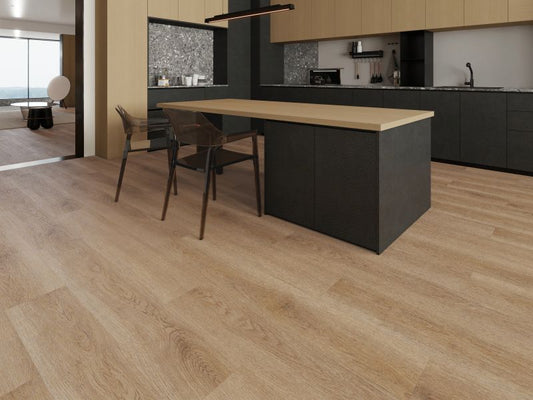
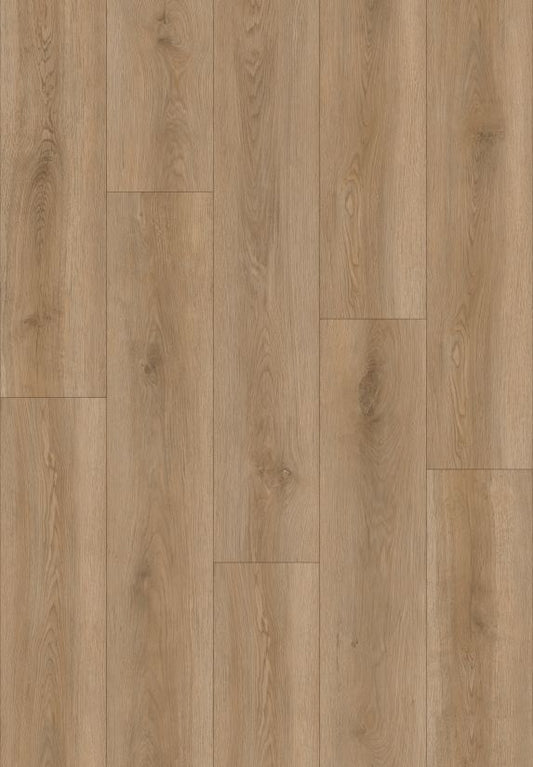

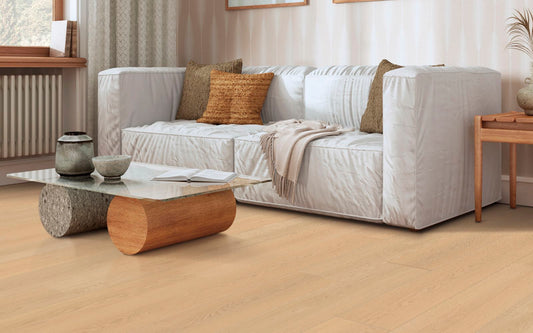

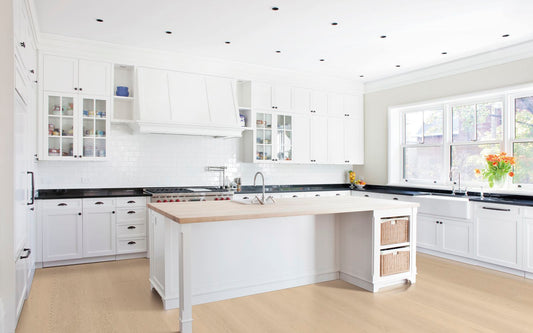
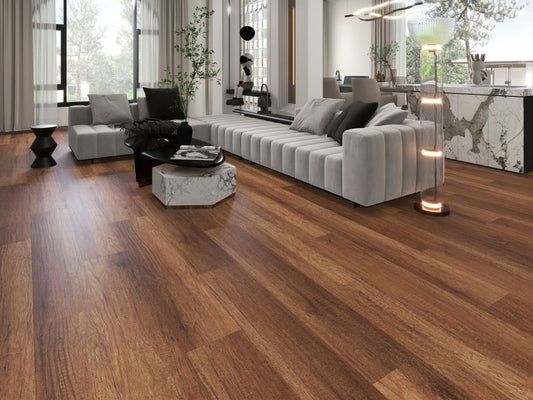
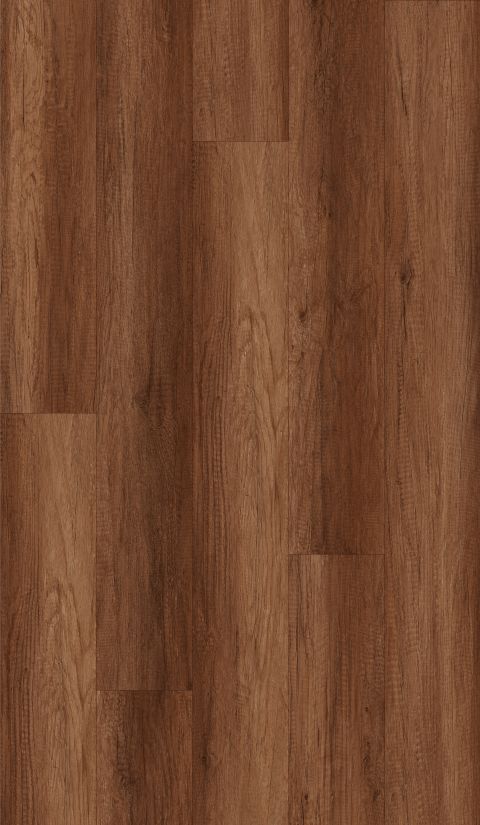
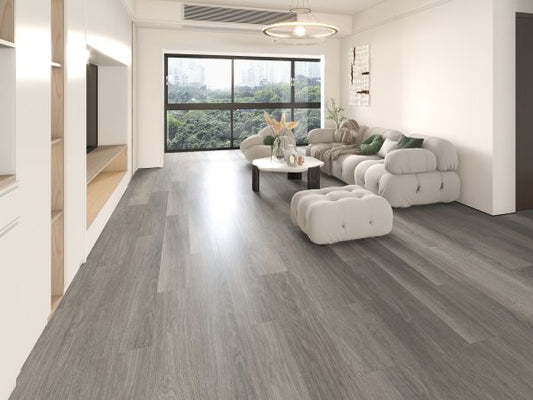
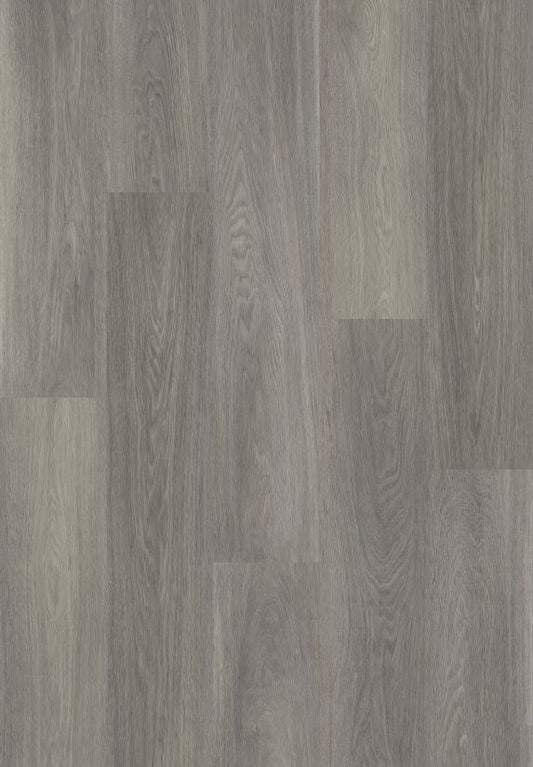
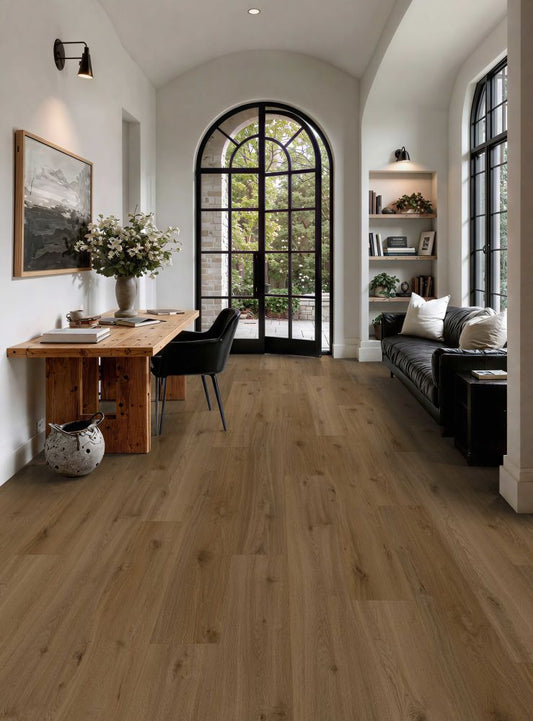
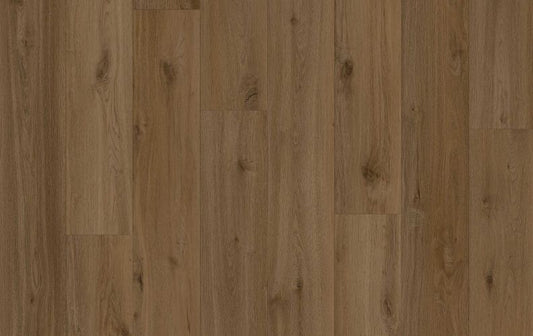

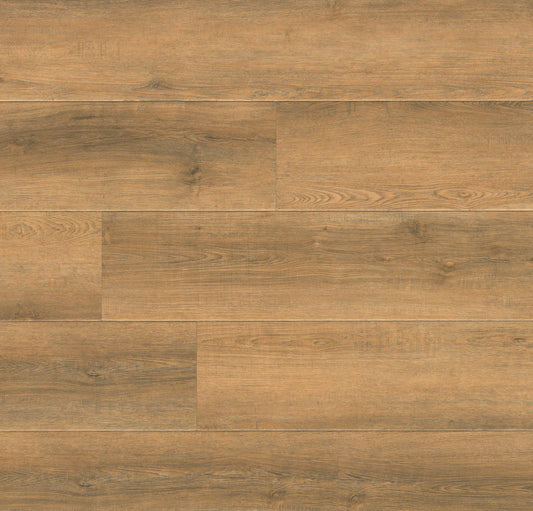
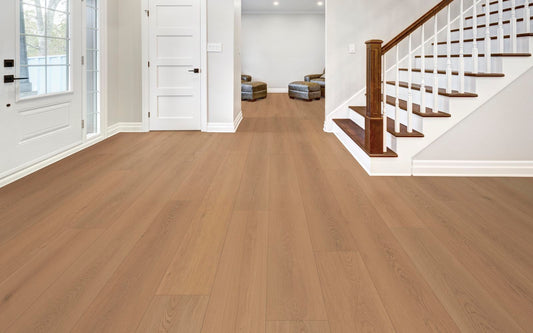
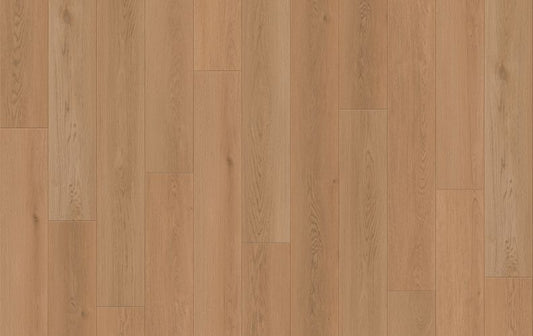
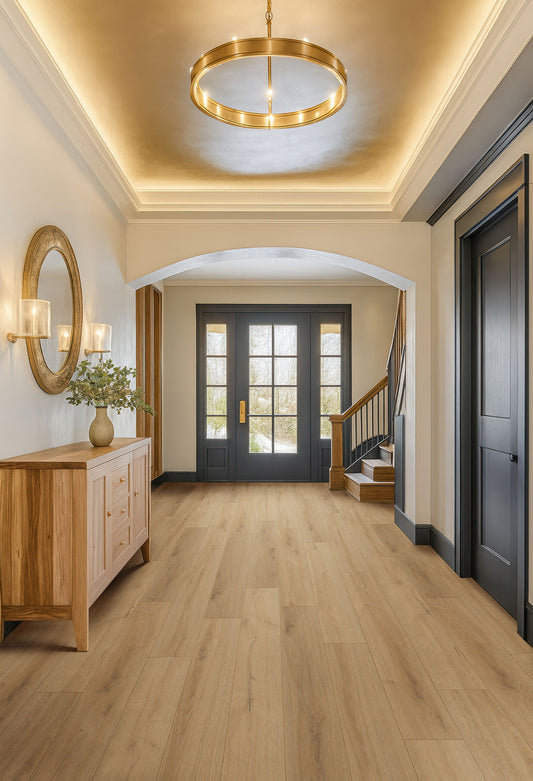
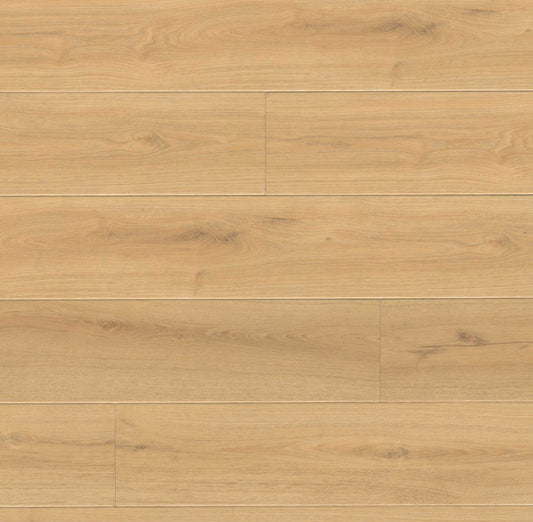
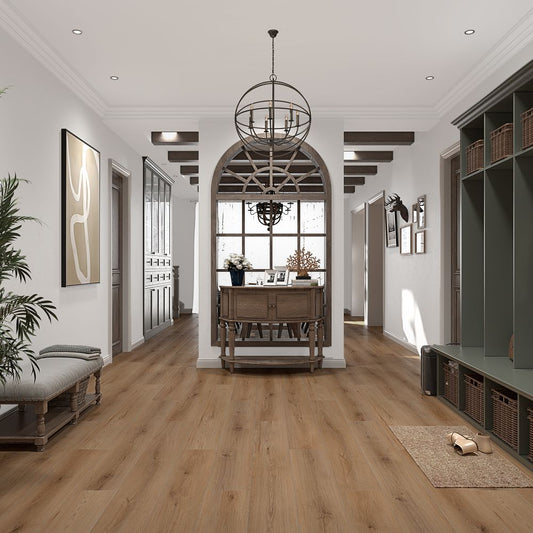
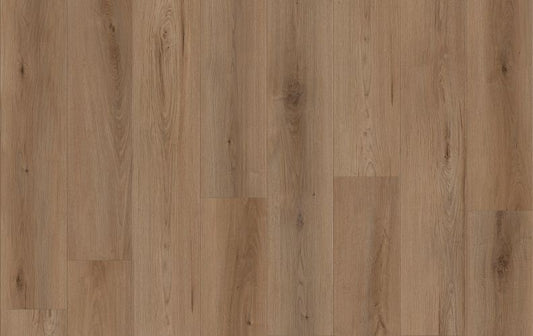

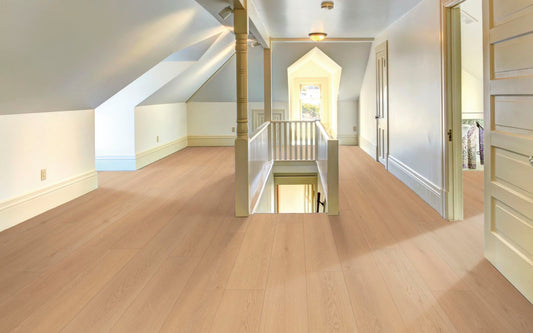
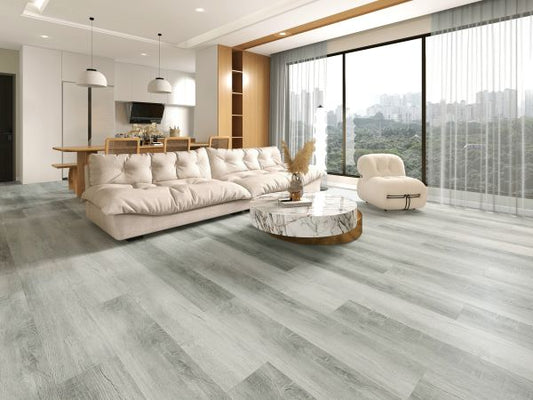
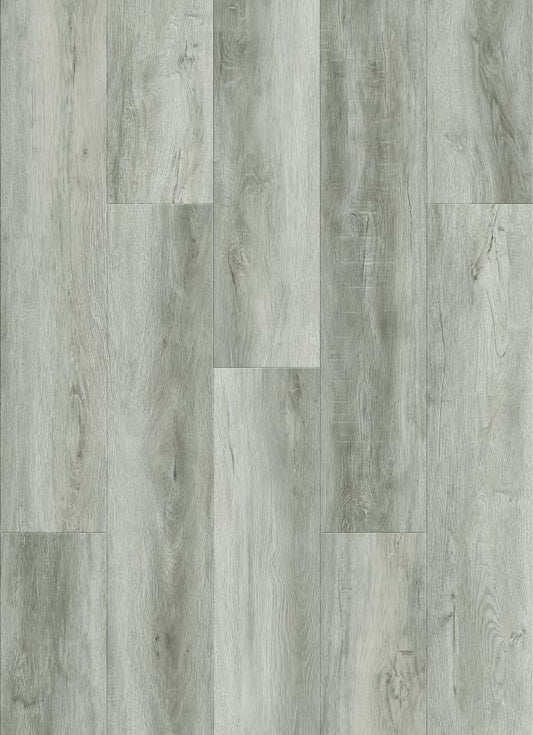
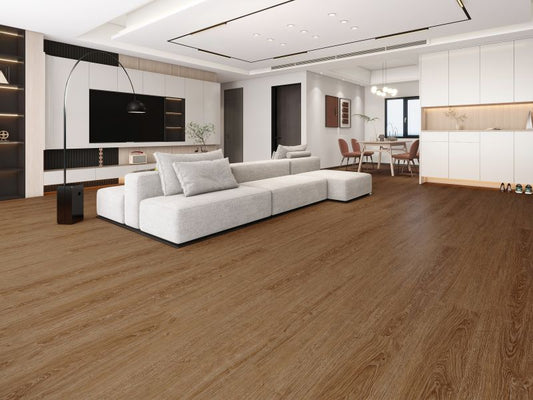
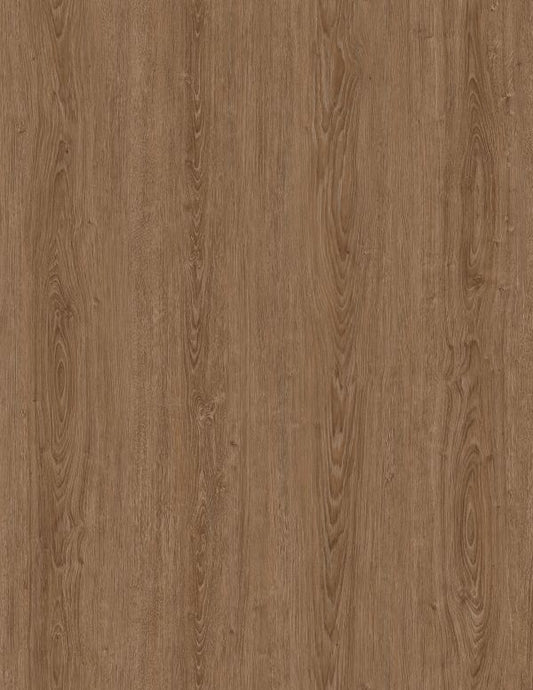
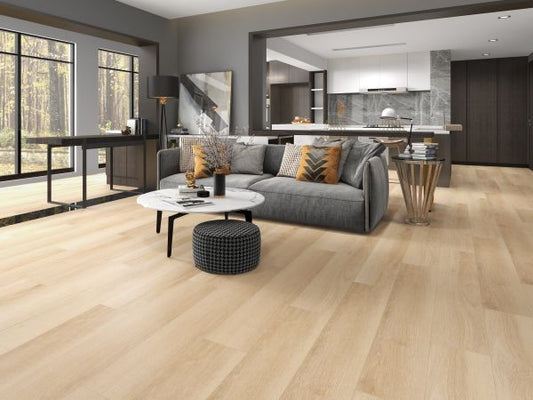
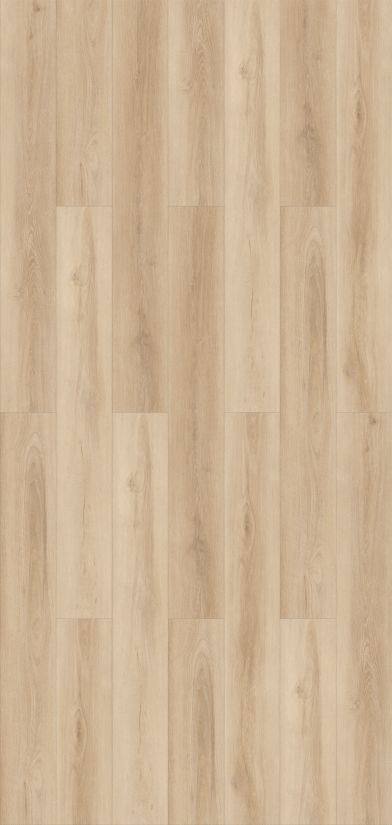

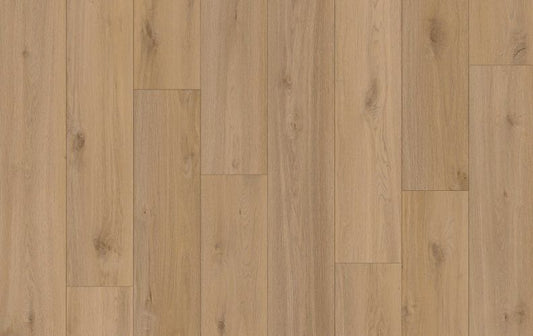

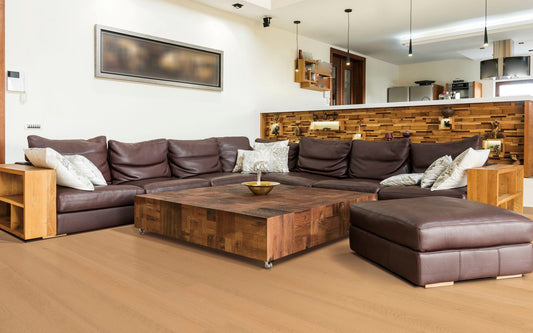
WPC Flooring for North Carolina Homes
WPC flooring combines waterproof plank materials with a composite core and wood-look design. It is useful to compare for North Carolina homes where comfortable daily use matters in bedrooms, family rooms and connected living spaces.
Its underfoot character is generally more forgiving than dense SPC, but the complete flooring system determines the result. Review the core, backing, wear layer and installation assembly alongside the design.
Choosing WPC for the Rooms You Use Most
A family room or bedroom can put comfort and visual calm at the center of the flooring decision. WPC offers a way to compare those priorities with waterproof plank construction for ordinary household spills.
The exact product determines permitted applications. Its material category does not independently approve every room, building or installation method.
Explore flooring options for North Carolina homes when considering other materials. Compare the room's needs before choosing the final plank style.
Upstairs Bedrooms and Underfoot Feel
An upstairs bedroom may need a different evaluation from a ground-floor entrance. Consider the installed feel, how the flooring looks beside furnishings and any sound requirements for the building.
Browse WPC flooring for upstairs rooms when the project is an upper-level space. Review substrate preparation and the approved assembly as well as the surface appearance.
Backing can contribute to sound performance, but it does not independently establish a required rating. The tested floor assembly should match any acoustic requirements imposed by the building.
Comparing WPC Wear Layers
A wear layer protects the decorative design. It is commonly measured in mil and should be considered separately from the overall plank thickness in millimeters.
Our 30 mil WPC flooring collection provides one surface specification to compare. Review coating, construction and the exact use classification alongside the measurement.
A larger wear-layer number is not a scratch-proof claim. Pets, furniture and debris still require practical care and suitable protection.
Thickness and Finished-Floor Heights
WPC can have a substantial profile, sometimes including attached backing in the quoted thickness. Check the breakdown before assuming the entire measurement describes the core.
Finished height affects doors, stair details, reducers and appliance removal. Measure these points before selecting a thick floor for a connected layout.
Extra underlayment is not automatically permitted. Excess or incompatible padding can change support beneath the plank connections, so follow the exact installation instructions.
Wide Boards for Open Living Areas
Wide planks can create fewer visible divisions across a family room or open kitchen connection. Board length and grain movement further influence the floor's appearance.
Compare wide-plank WPC flooring when the proportions are part of your design decision. Check how the layout enters hallways and adjoining rooms.
Review several boards or a larger sample to understand the design variation. A single small piece cannot show every grain pattern that may appear across the installation.
Kitchens and Everyday Water Exposure
Waterproof WPC materials can be useful around ordinary spills where a family room connects with the kitchen. Cleanability should be considered alongside the cabinet and appliance layout.
The plank classification does not make the kitchen a waterproof assembly. Clean spills promptly, investigate leaks and review the installation requirements at the perimeter and fixed fixtures.
Floating flooring needs its specified movement space. Check how islands, cabinets and appliance clearances interact with the installed floor before work begins.
Family Rooms, Pets and Daily Maintenance
A room used frequently benefits from a practical cleaning routine. Regular debris removal helps limit the grit moved across the floor, while suitable mats reduce what travels in from entrances.
Explore high-traffic WPC flooring when frequent household use is part of the decision. Confirm the actual wear layer, coating and product classification rather than relying only on a category name.
Protect furniture contact points and use cleaners approved for the surface. Waterproof materials do not eliminate the need for routine care or prompt spill removal.
Concrete and Wood Subfloor Preparation
WPC needs a sufficiently flat, clean and structurally sound substrate. Its more forgiving feel does not mean it can be installed over unsupported or uneven areas.
Concrete should be tested for moisture and prepared with the specified vapor protection. An attached pad does not automatically fulfill those requirements.
A wood subfloor needs appropriate support and moisture conditions. Where it sits above a crawl space, inspect the environment beneath the room as part of the preparation.
Indoor Conditions Across North Carolina Properties
Choose the floor for the conditions maintained inside the home. The property's location does not replace the product's temperature, humidity and sunlight limits.
Seasonal occupancy needs attention. Determine the environment when heating or cooling is reduced, especially in a property used for occasional visits. An unheated space requires explicit approval.
Radiant heat also needs a product-specific check. Confirm the selected system, operating limits and heating procedure before fitting WPC over it.
When a Firmer Floor May Suit the Room
WPC and SPC can have similar wood looks while feeling different underfoot. WPC generally feels more forgiving, while dense SPC usually feels firmer.
Compare SPC flooring for North Carolina homes when deciding which core construction suits the space. Review total thickness, backing and the approved assembly together.
Neither core name determines every aspect of quality. A suitable floor is selected by matching the complete product to the room and household.
Ordering and Sample Review
Place samples flat beside cabinets, walls and furniture. Compare them during daylight and evening lighting so the undertone works in the conditions in which the room will be used.
Measure the space and allow material for cuts and the chosen layout. Check expansion spacing, continuous installation dimensions and doorway transitions before ordering.
The strongest WPC choice brings appearance, comfortable daily use and an approved installation together. Those details help the floor work across the rooms you are updating.
Frequently Asked Questions
Is WPC suitable for North Carolina homes?
It can suit approved interior rooms when the home's conditions and installation meet the requirements for the exact product.
Is WPC more comfortable than SPC?
WPC generally feels more forgiving than dense SPC. Core design, backing and the supporting floor also influence the installed feel.
Can WPC be used upstairs?
Selected products may permit upstairs installation. Verify room approval and any tested acoustic requirements for the building.
Does WPC flooring make a kitchen waterproof?
No. Qualifying products have waterproof plank materials, but the surrounding room and substrate are not automatically waterproof.
Can WPC go over concrete?
Many products permit prepared concrete. Moisture testing, flatness and required vapor protection must be addressed.
Does WPC need additional padding?
Only when the exact product permits or requires it. Adding incompatible underlayment can affect support beneath the joints.
Explore related flooring
Browse related flooring collections, brands and styles before making your final choice.