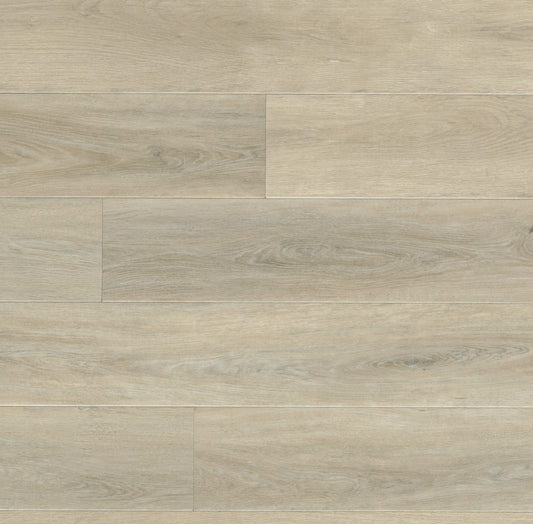
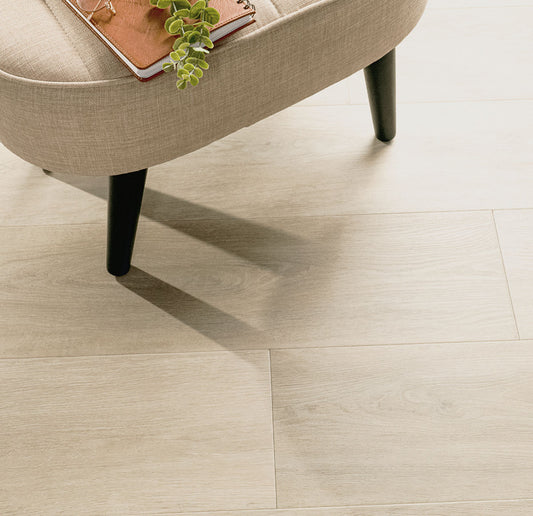
WPC Flooring for Upstairs
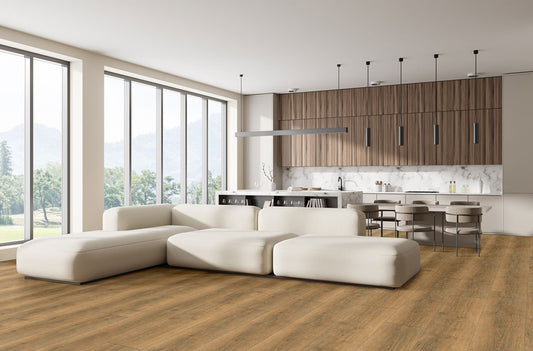
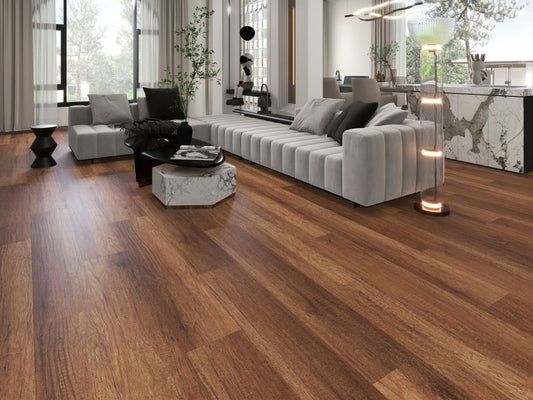
WPC flooring for upstairs rooms combines waterproof plank construction with a more cushioned core than traditional SPC. This softer composite structure may create a warmer, quieter underfoot experience for second-story bedrooms, hallways, lofts, offices, and living areas.
Qualifying products should be approved for above-grade residential installation and checked individually for sound ratings, attached backing, total thickness, wear layer, and subfloor requirements.
Why Choose WPC Flooring Upstairs?
Second-story flooring affects both the room where it is installed and the space directly below it. Footsteps, children, pets, furniture movement, and dropped objects can transmit sound through the floor-and-ceiling assembly.
Depending on the complete construction, WPC may provide:
- More cushioned underfoot performance than dense SPC
- Reduced footfall sound
- Waterproof plank materials
- Attached acoustic backing where specified
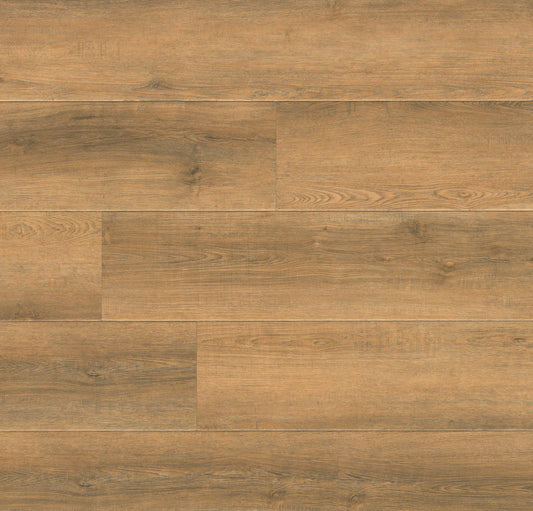
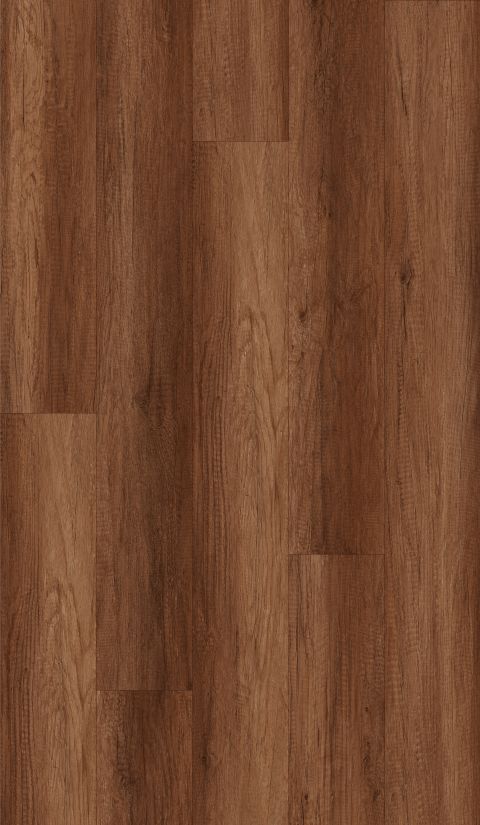
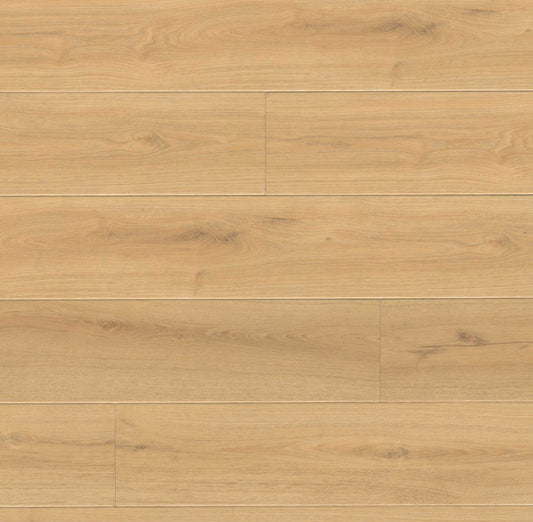
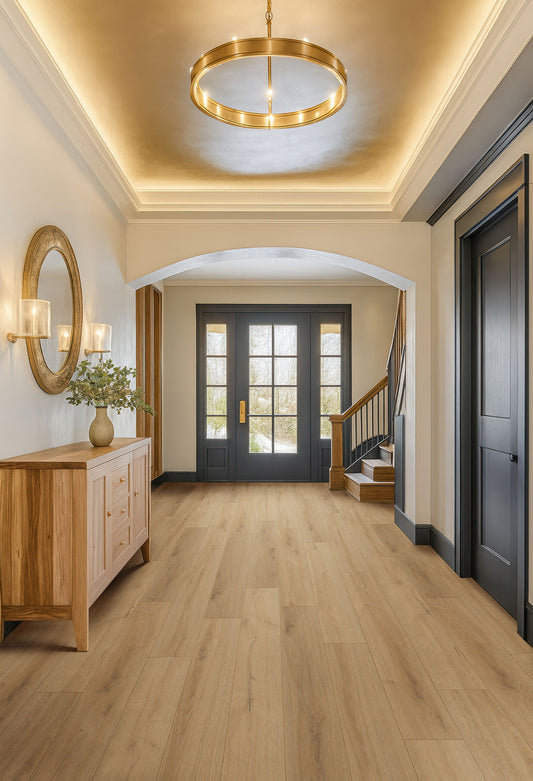
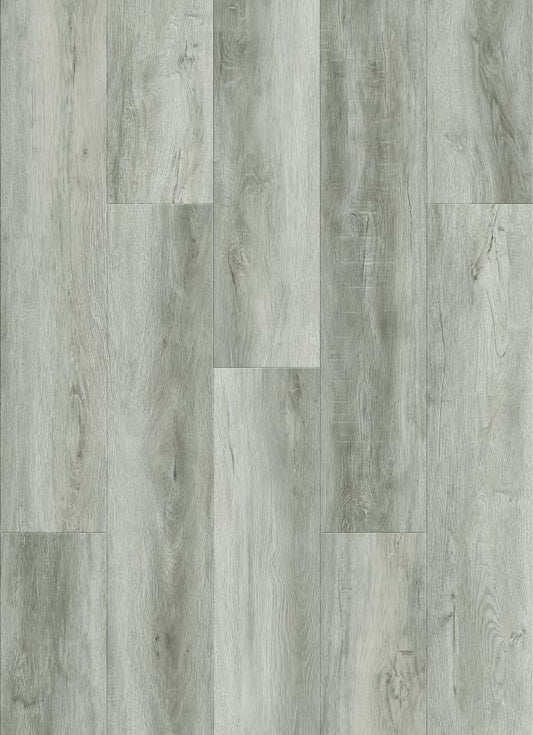
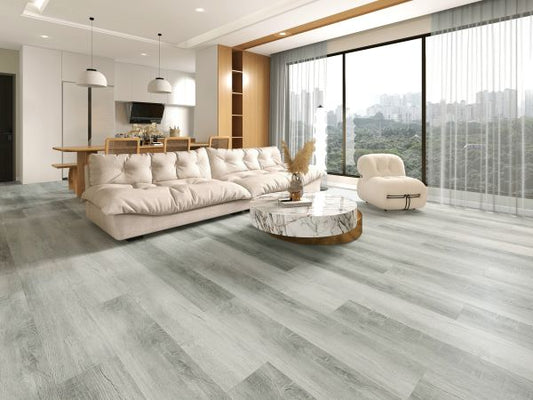
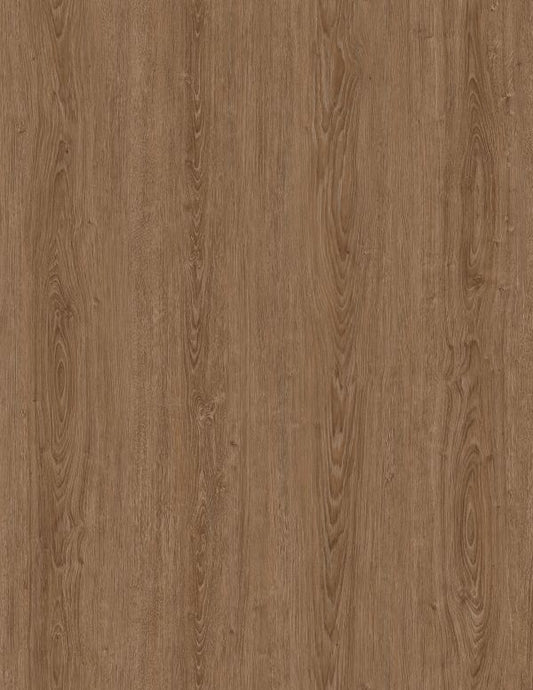
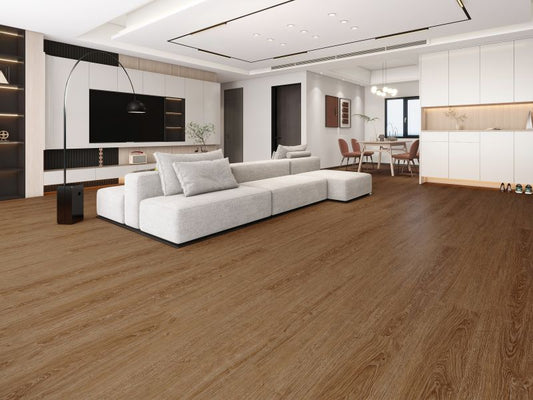
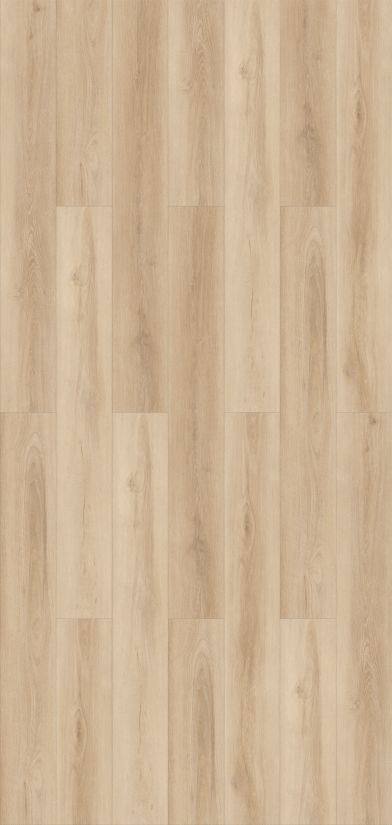
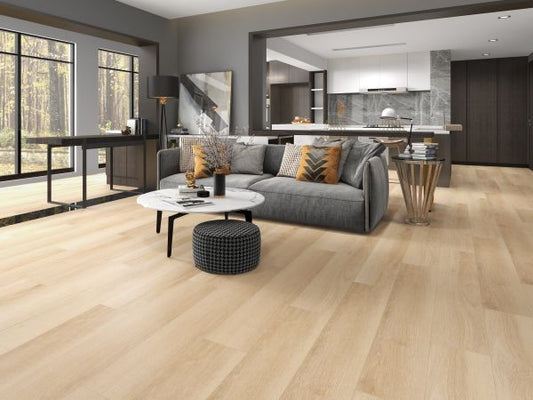
- Warm wood-inspired visuals
- Wide and extra-long plank options
- Comfortable bedroom flooring
- Click-lock installation
- Easy routine maintenance
- A continuous look across several upstairs rooms
WPC flooring is not soundproof. Performance depends on the flooring, backing, subfloor, ceiling, insulation, and complete building assembly.
WPC Versus SPC for an Upstairs Floor
SPC uses a dense stone-composite core that feels firm underfoot. WPC generally uses a lighter, more resilient composite core that may feel warmer and quieter.
WPC may be preferred upstairs when the priorities include:
- Comfort
- Reduced footfall noise
- Bedroom use
- A softer walking surface
- Acoustic performance
- Warmth underfoot
SPC may be selected when core density, indentation resistance, or a lower finished-floor profile is the main priority.
The correct choice depends on the individual product and project.
Sound Ratings for Upstairs Flooring
Published acoustic specifications may include:
- IIC rating
- STC rating
- Delta IIC
- Tested subfloor assembly
- Tested ceiling assembly
- Attached-pad details
- Additional underlayment requirements
A high laboratory rating cannot be applied automatically to every home. Results depend on the construction used during testing.
Subfloor Preparation Upstairs
Before installation, the wood subfloor should be:
- Structurally secure
- Flat within manufacturer tolerances
- Clean
- Dry
- Free from squeaks where practical
- Properly fastened
- Free from protruding nails or screws
- Compatible with floating WPC
- Repaired where damaged
- Prepared according to installation instructions
WPC should not be used to conceal movement or structural weakness.
Upstairs Hallways and Bedrooms
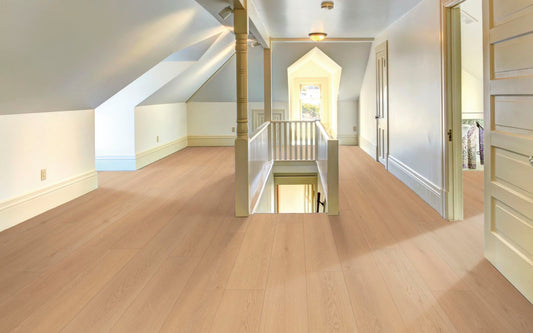
WPC may be especially appealing in upstairs hallways and bedrooms because it can create a consistent surface without switching between carpet and hard flooring.
Consider:
- Door clearance
- Closet transitions
- Stair-nosing compatibility
- Hallway direction
- Bedroom furniture
- Expansion spacing
- Floor vents
- Bathroom transitions
- Adjoining carpet height
- Natural-light direction
Plan all transitions before beginning installation.
Frequently Asked Questions
Is WPC quieter than SPC upstairs?
WPC generally has a more resilient core that may produce a quieter and more cushioned feel, but published acoustic data should be compared.
Can WPC flooring reduce footsteps downstairs?
It may reduce some impact sound, especially with suitable attached backing, but it cannot make the floor-and-ceiling assembly soundproof.
Is WPC waterproof?
Qualifying planks should use waterproof materials. This does not waterproof the subfloor or complete upper level.
Can WPC be installed over an upstairs wood subfloor?
Selected products may be installed over a properly prepared wood subfloor when manufacturer requirements are followed.
Does WPC need additional underlayment?
Only when the manufacturer permits or requires it. Extra cushioning may damage locking joints when it is not approved.
Can WPC connect directly to stairs?
Appropriate stair noses and transition components are required. Confirm compatible accessories before purchasing.
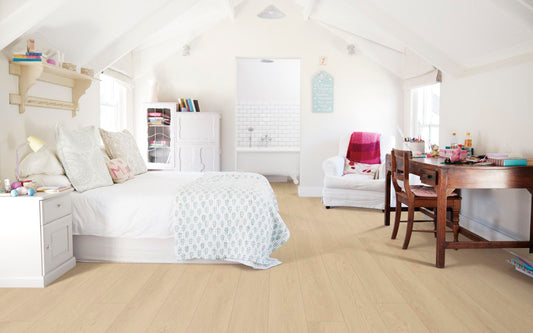
Is WPC suitable for upstairs bedrooms?
Yes, selected WPC can provide waterproof construction, wood-look style, and comfortable underfoot performance for bedrooms.