
Collection: SPC Flooring for North Carolina Homes
Find SPC flooring for North Carolina homes with waterproof planks and realistic wood-inspired designs. Compare options for busy kitchens, entrances and connected family spaces. Review wear layers, plank dimensions, thicknesses and backing, with practical guidance for slabs, everyday cleaning and indoor conditions.
-
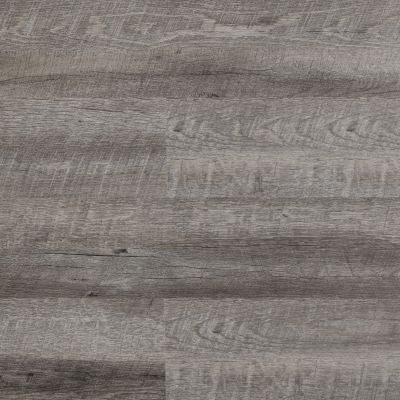
Bella - Aurora | 20 mil 5mm 7x48 SPC Vinyl Plank | United Weavers
Vendor:United Weavers$2.79 / sq. ft. $66.77 per carton · 23.89 sq. ft. / carton5.0mm20mil7x48 -
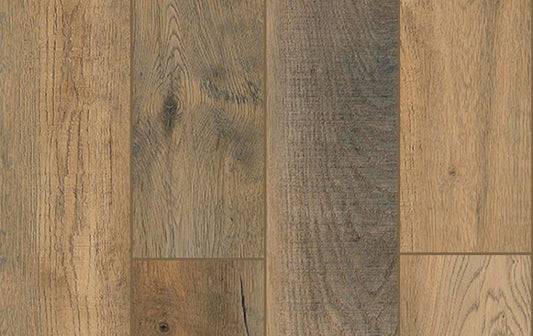
Bambino Chambery 12mil 5mm 7x48 SPC Vinyl Plank | Lions Floor
Vendor:Lions Floor$2.96 / sq. ft. $70.00 per carton · 23.64 sq. ft. / carton5.0mm12mil7x48 -
Bella - Hershey | 20 mil 5mm 7x48 SPC Vinyl Plank | United Weavers
Vendor:United Weavers$2.89 / sq. ft. $69.00 per carton · 23.89 sq. ft. / carton5.0mm20mil7x48 -
Saint Augustine Brisbane 22mil 7.5mm 9x60 SPC 100% Waterproof Vinyl Plank | United Weavers / Caspar Flooring Direct
Vendor:United Weavers$3.79 / sq. ft. $84.90 per carton · 22.39 sq. ft. / carton7.5mm22mil9x60Sale -
Bella - Tavern | 20 mil 5mm 7x48 SPC Vinyl Plank | United Weavers
Vendor:United Weavers$2.79 / sq. ft. $66.77 per carton · 23.89 sq. ft. / carton5.0mm20mil7x48 -
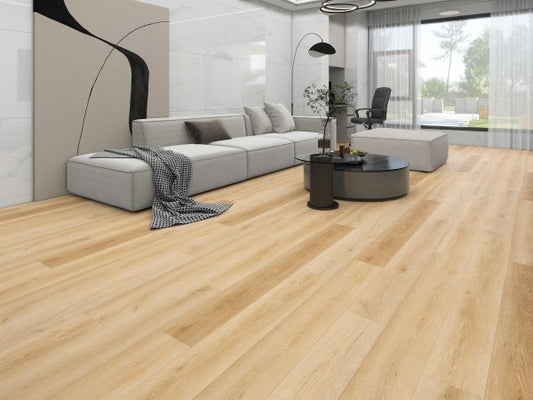
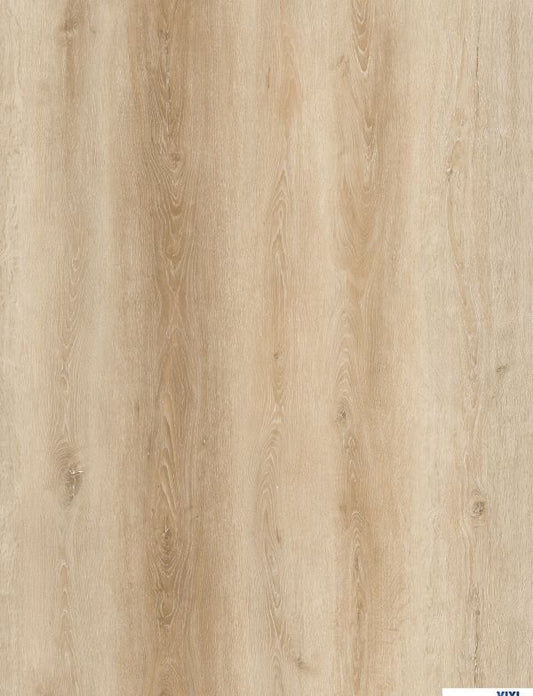
Saint Augustine Dawson 22mil 7.5mm 9x60 SPC Vinyl Plank | United Weavers / Caspar Flooring Direct
Vendor:United Weavers$3.79 / sq. ft. $84.90 per carton · 22.39 sq. ft. / carton7.5mm22mil9x60Sale -
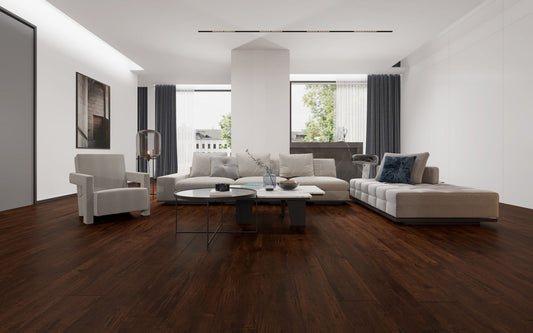
Lions Floor Lone Star Spirit Odessa Palm - 20mil 6mm 7x72 SPC Vinyl Plank
Vendor:Lions Floor$3.59 / sq. ft. $76.30 per carton · 21.27 sq. ft. / carton6.0mm20mil7x72 -
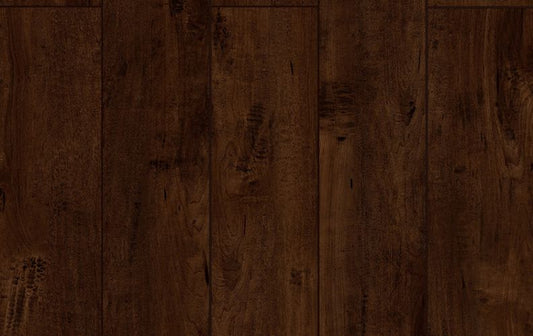
Lions Floor Lone Star Spirit Saddle Brownie - 20mil 6mm 7x72 SPC Vinyl Plank
Vendor:Lions Floor$3.59 / sq. ft. $76.30 per carton · 21.27 sq. ft. / carton6.0mm20mil7x72 -
Heirloom Navajo 20mil 6mm 9x48 SPC Vinyl Plank | United Weavers / Caspar Flooring Direct
Vendor:United Weavers$3.29 / sq. ft. $69.00 per carton · 20.99 sq. ft. / carton6.0mm20mil9x48 -
Saint Augustine Rio Grande 22mil 7.5mm 9x60 SPC Vinyl Plank | United Weavers / Caspar Flooring Direct
Vendor:United Weavers$3.79 / sq. ft. $84.90 per carton · 22.39 sq. ft. / carton7.5mm22mil9x60Sale -
OUT OF STOCK - Heirloom Eskimo 20mil 6mm 9x48 SPC Vinyl Plank | United Weavers
Vendor:United Weavers$3.49 / sq. ft. $73.20 per carton · 20.99 sq. ft. / carton6.0mm20mil9x48 -
Bella - Honolulu | 20 mil 5mm 7x48 SPC Vinyl Plank | United Weavers
Vendor:United Weavers$2.89 / sq. ft. $69.10 per carton · 23.89 sq. ft. / carton5.0mm20mil7x48 -
Lions Floor Lone Star Spirit More Mesa - 20mil 6mm 7x72 SPC Vinyl Plank
Vendor:Lions Floor$3.59 / sq. ft. $76.30 per carton · 21.27 sq. ft. / carton6.0mm20mil7x72 -
Eden Old World 20mil 6mm 9x60 SPC Vinyl Plank | United Weavers / Caspar Flooring Direct
Vendor:United Weavers$3.21 / sq. ft. $71.50 per carton · 22.28 sq. ft. / carton6.0mm20mil9x60 -
Lions Reservation Morning Mirage 20mil 6mm 7x60 SPC Vinyl Plank | Lions Floor
Vendor:Lions Floor$3.35 / sq. ft. $80.00 per carton · 23.88 sq. ft. / carton6.0mm20mil7x60 -
Hemingway Moon Crater 12 mil 4.2mm 7x48 SPC Vinyl plank | Aperion / Caspar Flooring Direct
Vendor:Aperion$2.96 / sq. ft. $84.00 per carton · 28.36 sq. ft. / carton4.2mm12mil7x48
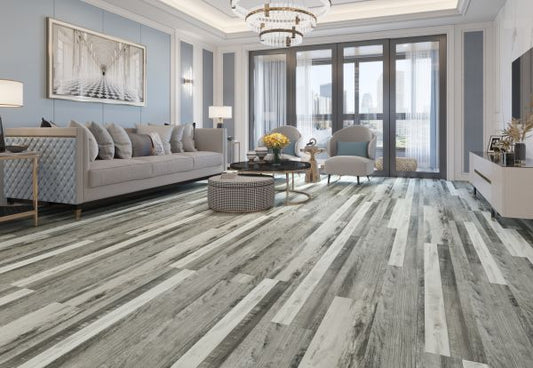


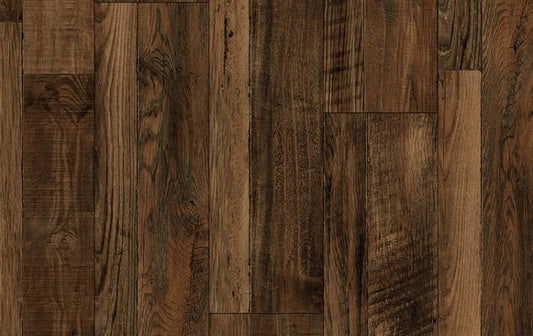

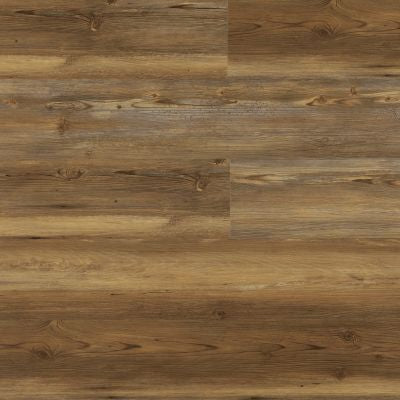
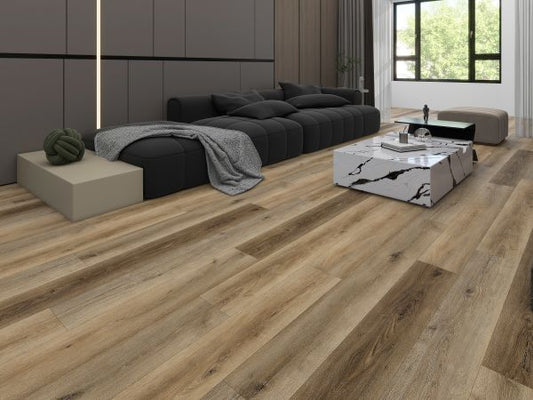
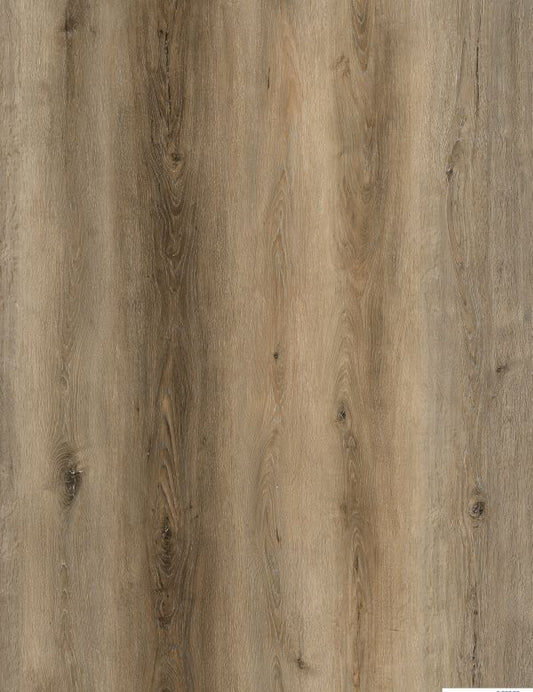
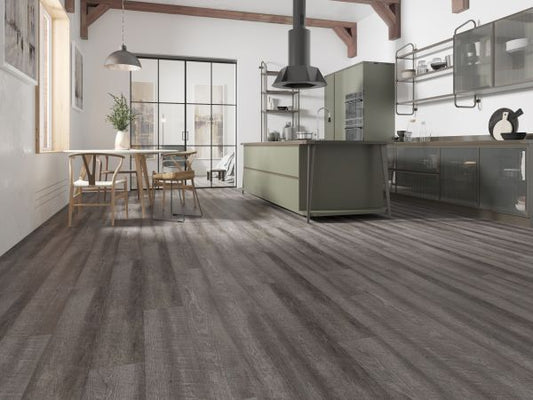


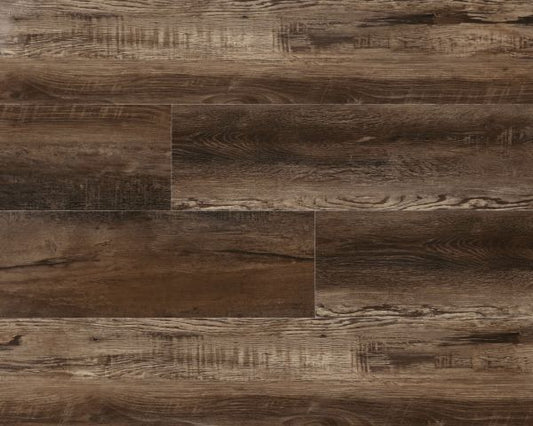
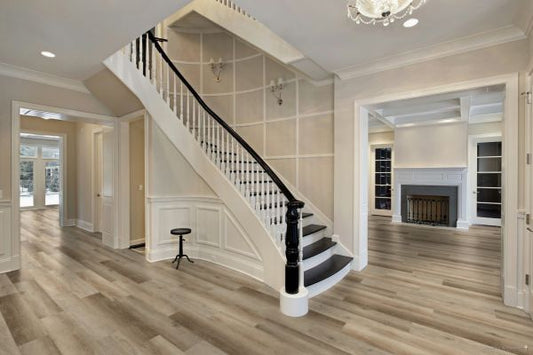
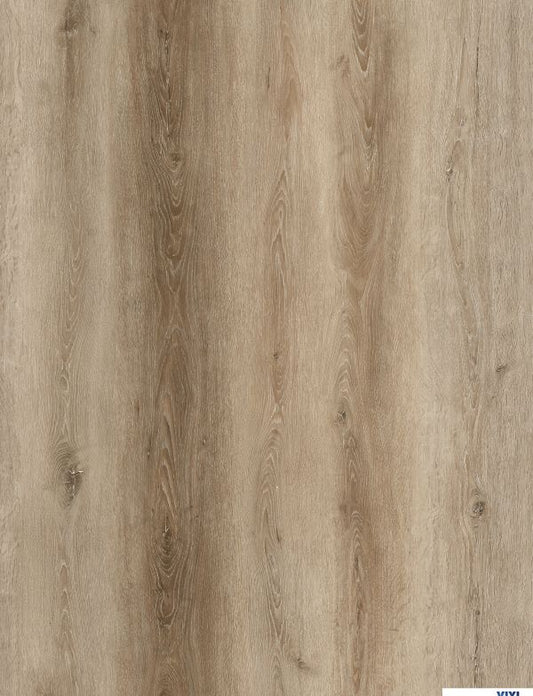
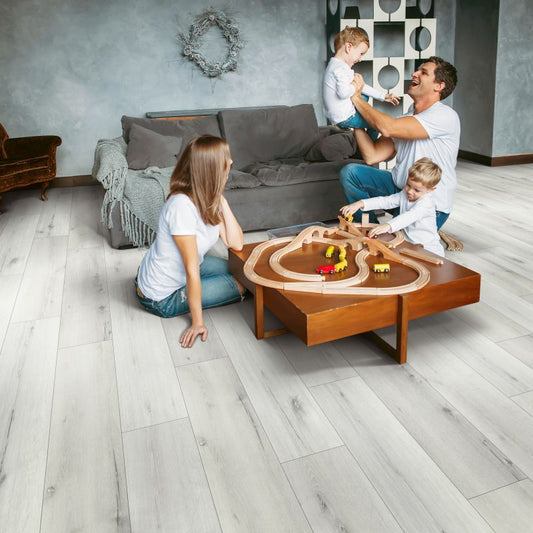
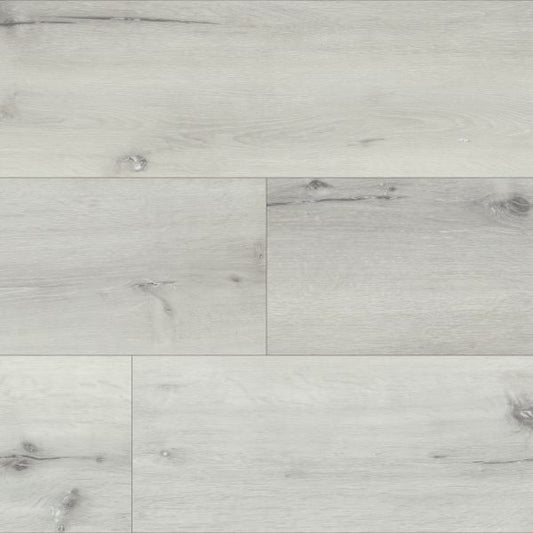
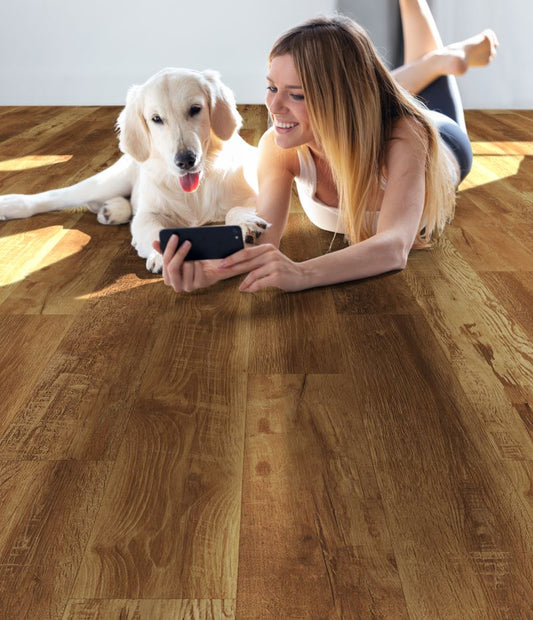

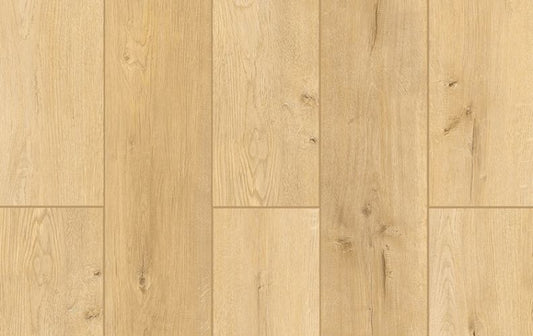

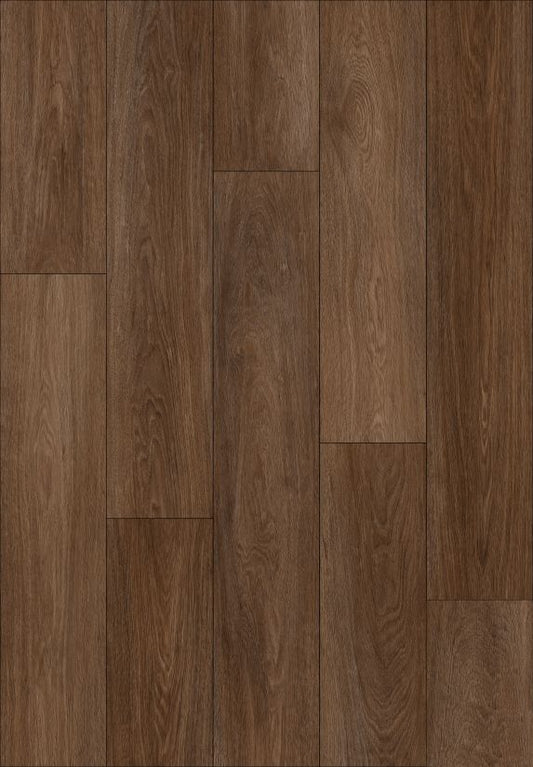
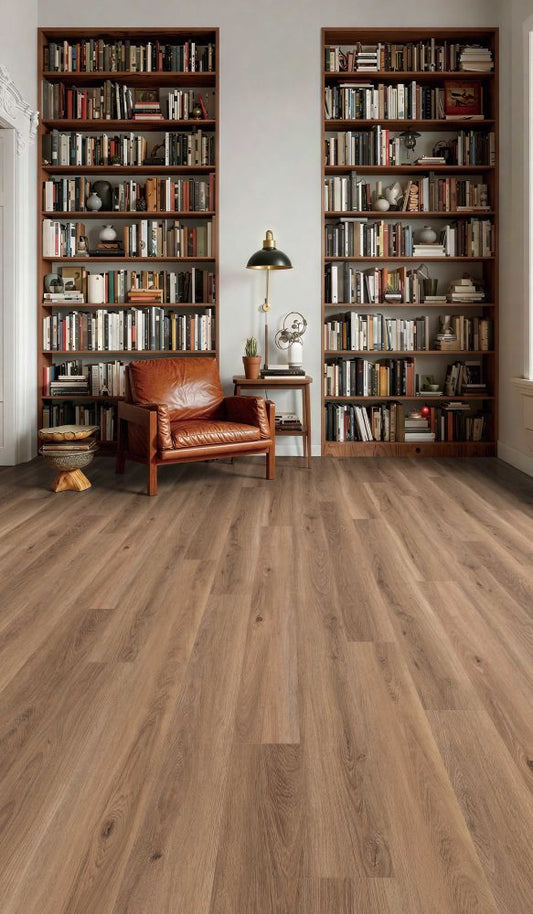
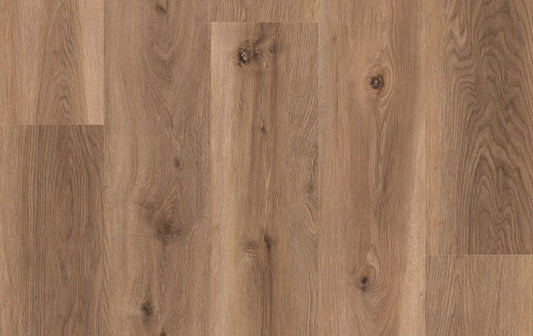


SPC Flooring for North Carolina Homes
SPC flooring offers a dense rigid core, wood-inspired design and waterproof plank materials. It is a useful category for North Carolina homeowners who want to compare floors for kitchens, entrances and connected family living areas.
The choice should match the actual project. Wear-layer thickness, overall profile, backing and plank dimensions help describe the product, while room approval and installation instructions determine how it can be used.
What SPC Construction Means
SPC stands for stone-polymer composite. The rigid core supports the plank beneath a decorative surface and protective wear layer. Selected products include attached backing and click-lock connections.
The dense core usually provides a firm feel. That can suit shoppers who prefer a solid underfoot character, but it should be compared with other materials where comfort is the main priority.
Start with flooring choices for North Carolina homes if the material decision is still open. Choose the construction that fits the room before narrowing the design.
Kitchens and Open Family Layouts
SPC can provide one wood-look style across a kitchen, dining space and living room. Waterproof plank materials make it useful to compare for ordinary spills and regular cleanup.
Explore SPC flooring for kitchens when that room drives the decision. Check the exact instructions around fixed cabinets, islands and appliance clearances.
A floating floor needs the movement space specified for the product. Connecting several rooms with one design does not remove expansion or doorway transition requirements.
Wear Layers for Busy Household Use
A vinyl wear layer is commonly measured in mil. It protects the decorative surface and is separate from total plank thickness in millimeters.
Compare 22 mil SPC flooring when reviewing one surface-protection specification. Consider the coating, texture and published use classification alongside the measurement.
Pets and furniture can still mark the floor. Use suitable pads and remove grit regularly rather than assuming a substantial wear layer makes the surface scratch-proof.
Thickness, Core and Attached Backing
Overall thickness may include the core and attached pad as well as the surface layers. Review the construction breakdown before comparing two floors by their total measurement.
Backing can influence feel and sound, but it does not flatten the substrate. Extra padding is not automatically permitted and may affect joint support if incompatible with the installation.
Plan the finished height at stairs, doors, transitions and appliances. A thicker profile should fit the room's practical clearances, not just the desired appearance.
Concrete Slabs and Ground-Floor Installations
A slab should be checked for moisture, flatness, cleanliness and structural condition before SPC is fitted. The exact product determines the permitted installation assembly.
Browse SPC flooring for concrete slabs when the room sits on concrete. Review vapor-protection requirements and the treatment of cracks or joints.
A rigid plank cannot correct unsupported areas beneath it. Prepare the slab to the product's flatness tolerance rather than relying on board thickness to bridge an uneven surface.
Basements and Moisture Below the Floor
Some SPC products permit below-grade installation, but approval must be checked for the exact flooring. The condition of the lower level is as important as the material choice.
Compare SPC flooring for basements for that application. Address persistent leaks, drainage problems or dampness before installation.
Waterproof plank materials do not eliminate substrate moisture limits. An attached pad also does not automatically replace the required vapor retarder or moisture-control system.
Raised Wood Floors and Structural Support
A wood subfloor needs adequate support, suitable moisture conditions and the required flatness. Movement or damage should be addressed before the finish floor is installed.
Where the room sits above a crawl space, assess the conditions beneath the substrate. Moisture originating below can affect the flooring assembly even when the living space feels comfortable.
Follow the exact instructions for the permitted substrate and preparation. A floating format should not be treated as permission to cover any old or unstable surface.
Entrances, Pets and Routine Cleaning
Where shoes bring in sand or grit, suitable mats and regular cleaning help protect the surface. Remove debris before it is dragged through the main rooms.
Use the approved cleaning method and remove spills promptly. Furniture protection is particularly useful where chairs or tables are moved regularly.
SPC texture can create realistic wood character, but it does not establish a tested slip rating. Review specific performance data where the project requires one.
Windows, Heating and Seasonal Properties
The environment inside the building matters across coastal, Piedmont and mountain homes. Check the floor's required temperature and humidity conditions, including times when the property is unoccupied.
Strong sunlight can create concentrated warmth near windows. Review exposure limits and use window coverings where appropriate. An enclosed porch may have conditions different from a regularly conditioned room.
Do not assume waterproof SPC is approved for an unheated mountain property. Radiant heating also requires confirmation of the exact product and system, including operating limits and startup procedure.
Comparing SPC With a More Forgiving Core
SPC generally feels firmer than WPC. A bedroom or lounge where feel matters more than a dense-core character may deserve a side-by-side comparison.
Explore WPC flooring for North Carolina homes to review that alternative. Compare the complete core, backing and installed profile rather than using one specification as a quality ranking.
For upstairs rooms, check any required sound performance against the tested assembly. The backing description by itself does not confirm a building's acoustic requirement.
Preparing the Order and Installation
View samples flat in the room beside cabinets, walls and furnishings. Compare several boards where possible to understand grain movement and the amount of visible variation.
Measure carefully and allow additional material for cuts and the layout. Check transitions, stairs and appliance access before ordering. Follow the exact acclimation instructions where they apply.
The right SPC floor combines useful waterproof construction, a coordinated design and an installation suited to the actual home. Those details support practical daily use after the project is complete.
Frequently Asked Questions
Is SPC flooring suitable for North Carolina homes?
It can suit approved interiors when the product's environmental, substrate and installation requirements are met.
Is SPC waterproof?
Qualifying products have waterproof plank materials. This does not make the whole room or subfloor waterproof.
Can SPC be installed in a finished basement?
Selected products permit below-grade installation. Verify approval and prepare the slab for moisture and flatness first.
Does a thicker SPC floor need less substrate preparation?
No. The supporting floor must meet the specified flatness and structural requirements regardless of plank thickness.
Can SPC be used with radiant heat?
Only when the exact flooring is approved for the selected system. Check operating limits and heating procedures before installation.
Is SPC approved for an unheated mountain cabin?
Not automatically. The exact product must permit the temperature and humidity maintained throughout the year.
Explore related flooring
Browse related flooring collections, brands and styles before making your final choice.