Collection: Vinyl Flooring for Basements | Waterproof Wood-Look LVP

Shop practical vinyl flooring for basements in realistic wood-look styles designed for finished lower-level living spaces. Explore easy-care LVP suitable for concrete subfloors, family rooms, home gyms, offices, and basement renovations.

Vinyl Flooring for Basements With Practical Wood-Look Style

Vinyl flooring for basements offers homeowners a practical way to create a warm, finished living space over a concrete or wood subfloor.

Finished basements may be used as family rooms, home offices, guest spaces, playrooms, home gyms, entertainment rooms, or additional bedrooms. Luxury vinyl plank can be well suited to these areas because many products combine realistic wood visuals with water-resistant materials, easy maintenance, and installation systems designed for properly prepared below-grade spaces.

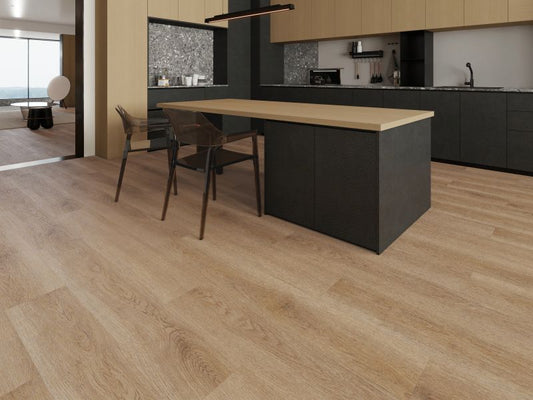
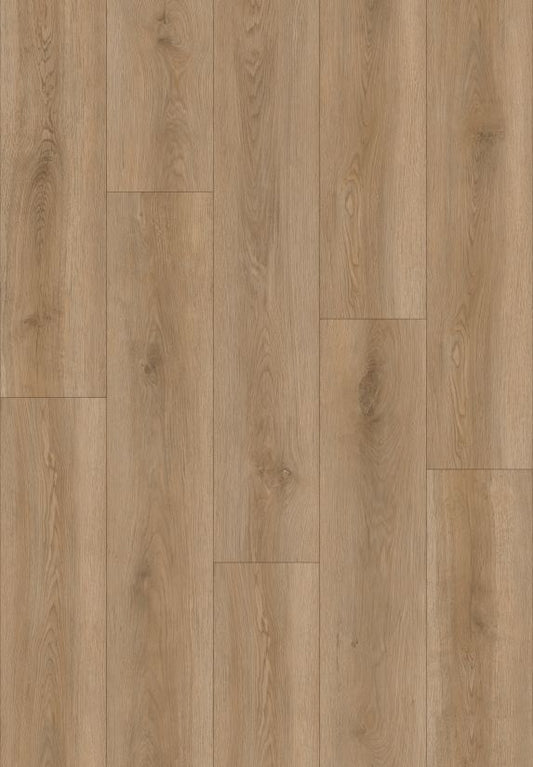
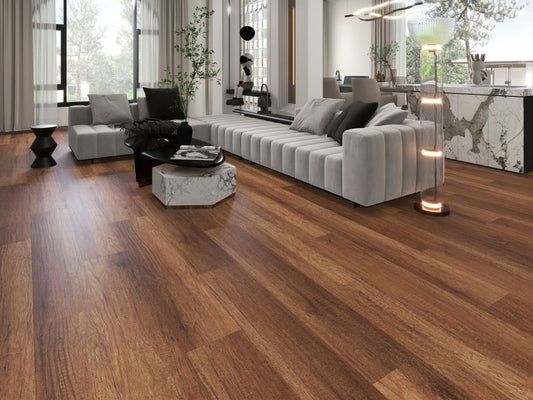
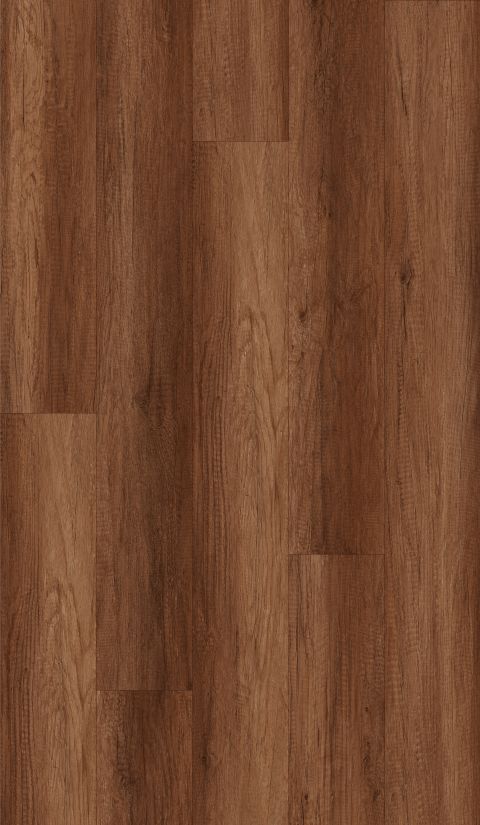
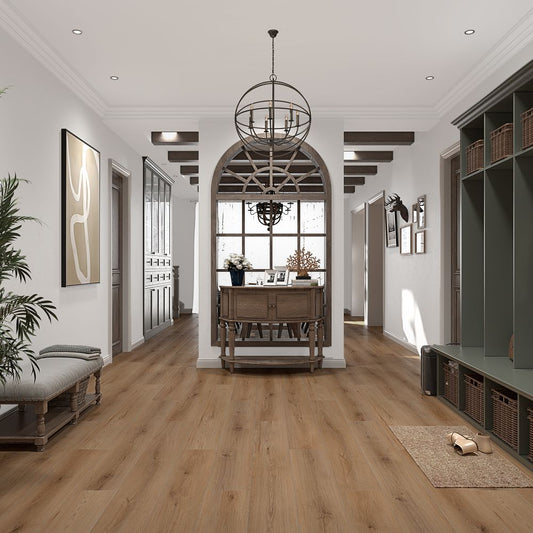
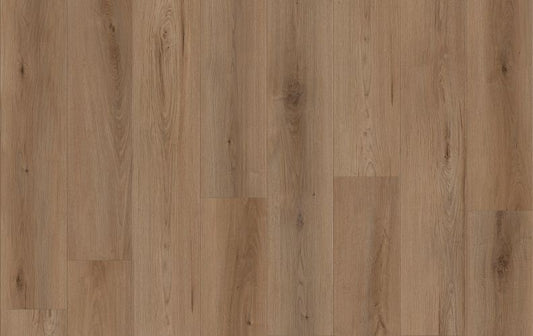
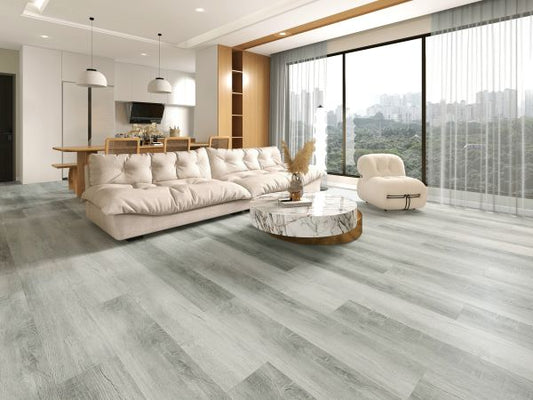
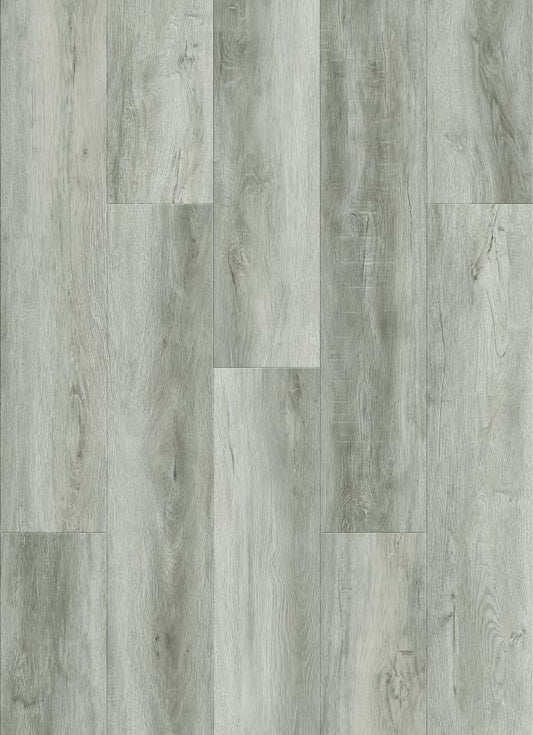
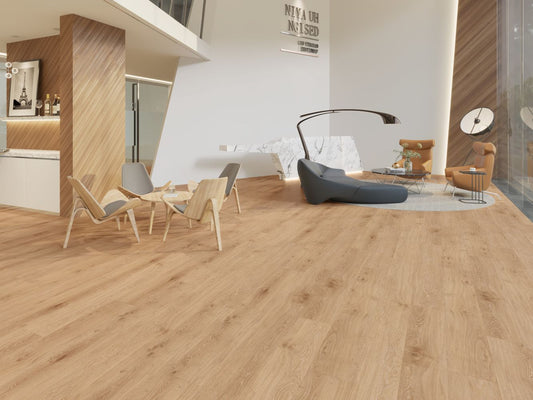
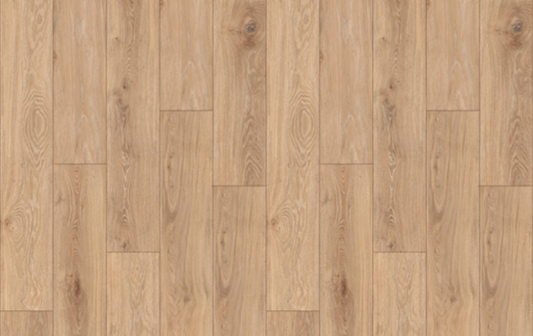
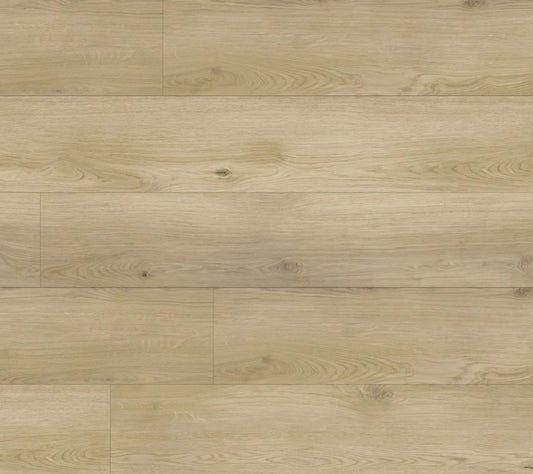
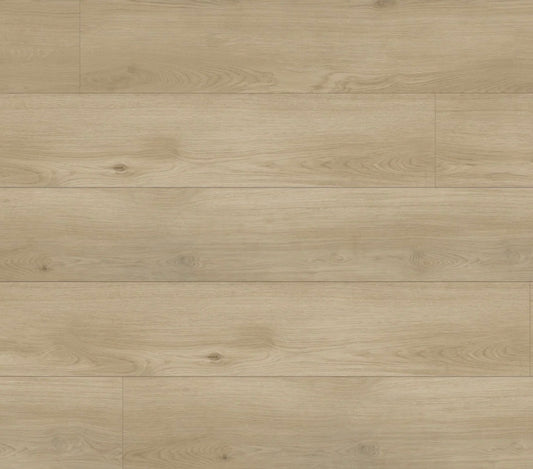
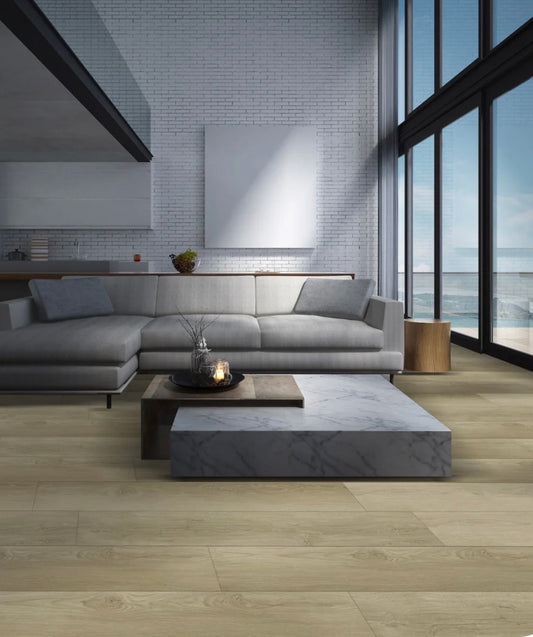
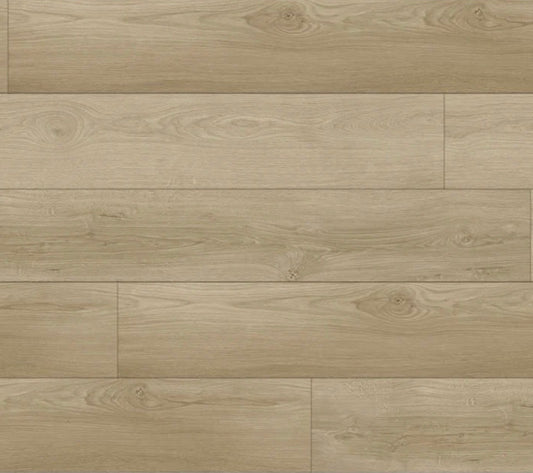
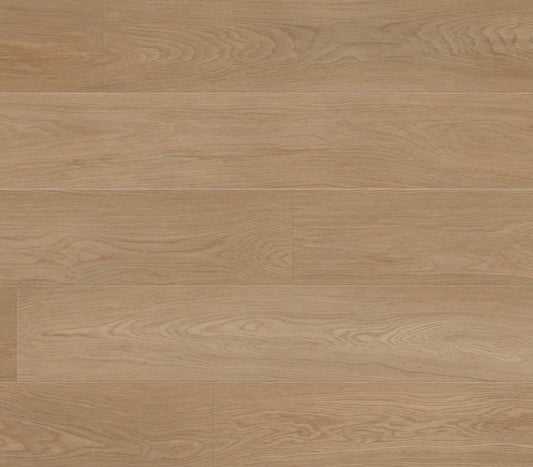
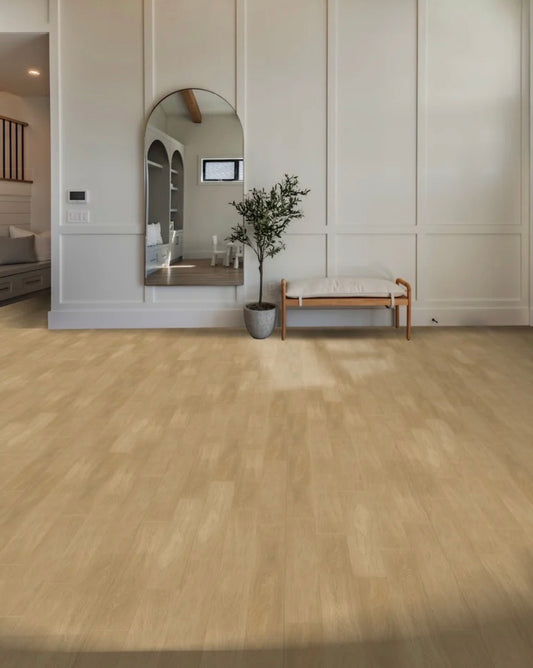
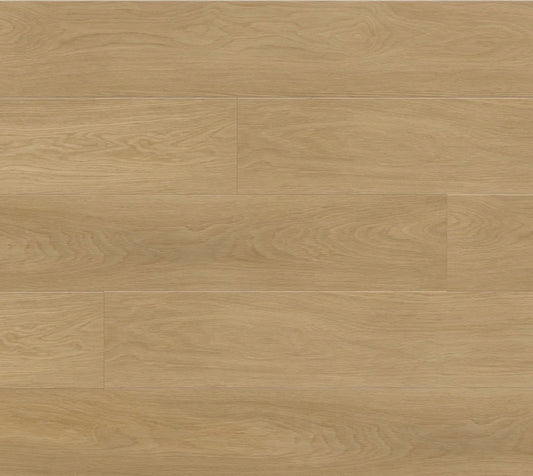
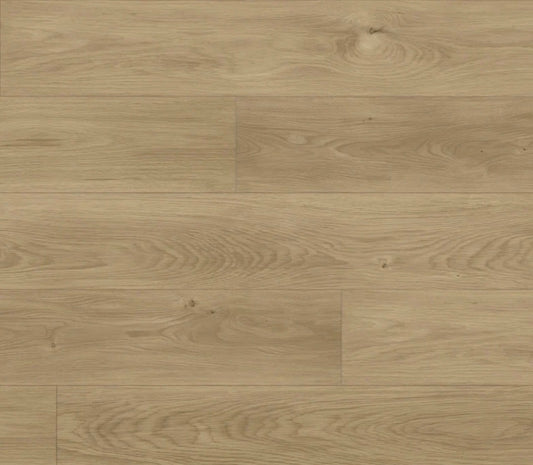
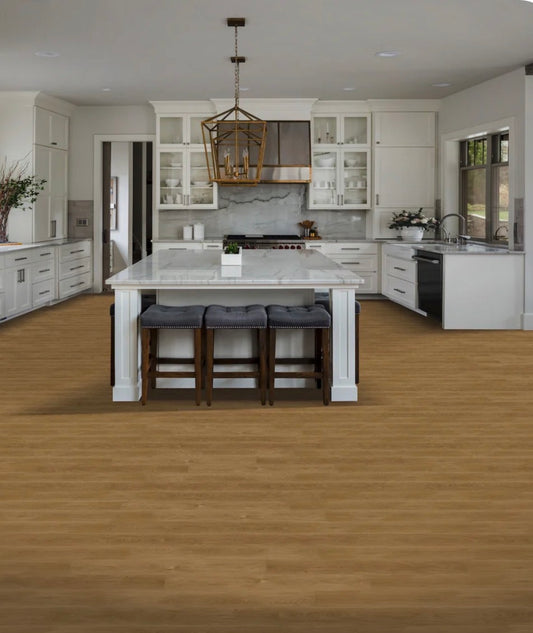
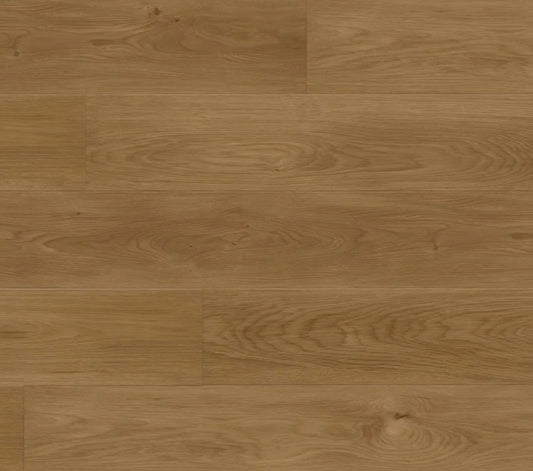
This collection includes basement-suitable vinyl plank flooring in light oak, natural oak, white oak, warm brown, gray, greige, and contemporary wood-look styles.

Is Vinyl Plank Flooring Good for Basements?

Yes. Vinyl plank flooring can be a strong choice for finished basements when the specific product is approved for below-grade installation and the subfloor is correctly prepared.

Homeowners may choose basement LVP because it can offer:

  • Waterproof or water-resistant plank materials
  • Compatibility with properly prepared concrete
  • Realistic hardwood appearance
  • Easier maintenance than carpet
  • Greater moisture resistance than many wood-based floors
  • Click-lock or glue-down installation
  • Multiple colors and plank sizes
  • Simple cleanup after everyday spills
  • A more finished appearance than bare concrete
  • Compatibility with several basement room types

The product itself may resist water, but flooring should not be installed over an unresolved moisture or drainage problem.

What Does Below-Grade Flooring Mean?

Below grade refers to rooms located partly or fully beneath ground level.

Basements may be exposed to different conditions than upper floors, including:

  • Concrete slab moisture
  • Higher humidity
  • Cooler temperatures
  • Limited ventilation
  • Groundwater pressure
  • Plumbing equipment
  • Foundation cracks
  • Seasonal moisture changes

A flooring product approved for below-grade installation has been identified by the manufacturer as suitable for these environments when all installation conditions are followed.

Always confirm below-grade approval before purchasing.

Waterproof Vinyl Flooring for Basements

Many basement vinyl flooring products are marketed as waterproof because the plank materials do not absorb water like hardwood, laminate, or carpet.

This can make LVP practical for:

  • Minor surface spills
  • Damp shoes
  • Pet accidents
  • Everyday cleaning
  • Basement entryways
  • Laundry areas
  • Family rooms
  • Home gyms

Waterproof planks do not make the basement waterproof.

Water may still reach the subfloor through:

  • Perimeter gaps
  • Damaged joints
  • Plumbing leaks
  • Foundation cracks
  • Floor drains
  • Appliance failures
  • Open transitions
  • Moisture vapor from concrete

Any ongoing water intrusion should be corrected before flooring is installed.

Check for Basement Moisture Before Installation

Moisture testing is one of the most important parts of a basement flooring project.

A concrete slab can appear dry while still releasing moisture vapor.

Depending on the flooring and adhesive system, testing may include:

  • Relative humidity testing
  • Calcium chloride testing
  • Manufacturer-approved moisture meters
  • pH testing for glue-down installations
  • Visual inspection
  • Checking for condensation
  • Reviewing previous water damage

The manufacturer’s limits must be followed.

Excessive moisture can lead to:

  • Adhesive failure
  • Odors
  • Mold beneath the flooring
  • Loose planks
  • Subfloor damage
  • Discoloration
  • Moisture trapped beneath floating floors

Do not install flooring until the source and level of moisture are understood.

Signs of a Basement Moisture Problem

Possible warning signs include:

  • Water staining
  • White mineral deposits
  • Musty odors
  • Damp walls
  • Condensation
  • Peeling paint
  • Mold or mildew
  • Soft baseboards
  • Previous flood damage
  • Standing water
  • Cracks that remain wet

A dehumidifier may help manage ordinary humidity, but it will not solve active water intrusion, foundation leaks, or drainage problems.

Consult an appropriate professional when structural or persistent moisture issues are present.

Click-Lock Vinyl Flooring for Basements

Click-lock vinyl planks connect at the edges and float over the prepared subfloor.

Potential benefits may include:

  • Faster installation
  • No full-spread flooring adhesive
  • Waterproof rigid-core options
  • Attached backing on selected products
  • Easier removal of the complete floor
  • Realistic wood-plank appearance
  • Compatibility with large finished areas

The concrete still needs to be flat, clean, dry, and structurally sound.

A vapor barrier may be required depending on the product and slab conditions.

Do not add an unapproved underlayment beneath flooring with attached backing.

Glue-Down LVP for Basements

Glue-down luxury vinyl plank is installed directly to the prepared subfloor using an approved adhesive.

Potential advantages may include:

  • Minimal plank movement
  • Low overall floor height
  • Firm underfoot feel
  • Smooth transitions
  • Easier individual plank replacement
  • Stable performance in larger rooms

Glue-down installation requires careful moisture testing and subfloor preparation.

The adhesive must be approved for:

  • The selected flooring
  • Below-grade use
  • The concrete moisture level
  • Basement temperature conditions
  • The required warranty
  • The specific subfloor

Excess moisture or high pH can weaken the adhesive and cause the flooring to release.

Does Basement Vinyl Flooring Need a Vapor Barrier?

Some basement flooring systems require a vapor barrier over concrete, while others do not.

The answer depends on:

  • Flooring construction
  • Attached backing
  • Installation method
  • Concrete moisture level
  • Manufacturer instructions
  • Local building conditions
  • Product warranty

A vapor barrier can help limit moisture movement from the concrete into the flooring system.

However, adding the wrong layer may create excessive movement or violate the warranty.

Follow the exact instructions for the selected product.

Preparing a Concrete Basement Floor

The concrete subfloor should generally be:

  • Clean
  • Dry
  • Flat
  • Smooth
  • Structurally sound
  • Free from loose paint
  • Free from oil and contaminants
  • Within manufacturer moisture limits
  • Within flatness tolerances
  • Free from unresolved cracks

Preparation may include:

  • Grinding raised areas
  • Filling low areas
  • Repairing cracks
  • Removing old adhesive
  • Applying patching compound
  • Skim coating
  • Cleaning dust and debris
  • Using an approved moisture-control system

Do not rely on rigid-core flooring to correct severe unevenness.

Can Vinyl Flooring Go Over a Cracked Basement Floor?

Minor stable cracks may sometimes be repaired before installation.

However, active, expanding, or moisture-related cracks may indicate a larger issue.

Before covering a cracked concrete slab:

  • Determine whether the crack is stable
  • Check for moisture
  • Repair it with an approved material
  • Confirm the surface is flat
  • Follow the flooring manufacturer’s guidance
  • Avoid covering structural movement without investigation

Flooring installed over a moving crack may separate, lift, or develop visible irregularities.

Can Vinyl Flooring Go Over Painted Concrete?

Some vinyl flooring may be installed over painted concrete, but the paint must be secure, compatible, clean, and approved by the manufacturer.

Loose or peeling paint should be removed.

Glue-down flooring may require mechanical preparation because adhesive may not bond reliably to painted or sealed concrete.

Floating flooring may still require confirmation that the surface is stable and free from contaminants.

Always follow the installation guide.

Can Vinyl Flooring Go Over Basement Tile?

Some vinyl plank products may be installed over secure and level tile.

Before installation:

  • Repair loose or cracked tiles
  • Fill deep grout lines when required
  • Correct raised edges
  • Check overall flatness
  • Confirm moisture conditions
  • Review added floor height
  • Check door and stair clearances
  • Confirm manufacturer approval

Flexible glue-down LVP may require skim coating to stop tile patterns or grout lines from showing through.

Vinyl Flooring for Basement Family Rooms

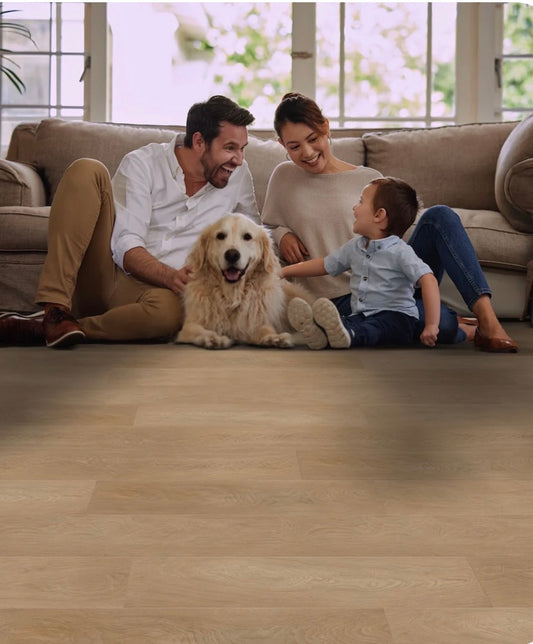
Basement family rooms often need flooring that can handle furniture, children, pets, entertainment equipment, and daily activity.

Useful features may include:

  • Durable wear layers
  • Waterproof construction
  • Easy cleaning
  • Textured finishes
  • Comfortable attached backing
  • Medium-tone colors
  • Wide-plank designs
  • Strong residential warranties

Natural oak, white oak, greige, and warm medium-brown flooring can create a comfortable and finished appearance.

Area rugs may be added for warmth, provided their backing is safe for vinyl.

Vinyl Flooring for Basement Bedrooms

Vinyl plank can create a clean and low-maintenance bedroom floor in a finished basement.

Potential benefits include:

  • Easier cleaning than carpet
  • Reduced moisture sensitivity
  • Realistic wood styling
  • Compatibility with area rugs
  • Multiple color choices
  • Simple replacement of selected planks, depending on installation
  • A consistent look with nearby rooms

Basement bedrooms should also meet local safety, ventilation, and egress requirements.

Flooring does not replace the need for a properly finished and legally compliant room.

Vinyl Flooring for Basement Home Offices

LVP can work well in lower-level offices because it provides a durable surface beneath desks, chairs, and storage furniture.

Consider:

  • A strong wear layer
  • Chair mats approved for vinyl
  • Medium-tone flooring
  • Matte finishes
  • Sound-controlling backing
  • A flat subfloor
  • Comfortable room temperature
  • Protection beneath heavy furniture

Rolling office chairs can create repeated wear.

Use a suitable floor protector or change to softer casters where appropriate.

Vinyl Flooring for Basement Home Gyms

Some vinyl flooring may work in light-use home gyms, but product suitability depends on the equipment and activity.

Consider:

  • Equipment weight
  • Dropped weights
  • Rubber mat compatibility
  • Flooring indentation resistance
  • Moisture and sweat
  • Cleaning requirements
  • Subfloor flatness
  • Product warranty exclusions

Heavy free weights and exercise machines may damage vinyl flooring.

Use manufacturer-approved protective mats and avoid direct impact from dropped weights.

Some rubber mats can discolor vinyl, so compatibility should be checked.

Vinyl Flooring for Basement Playrooms

Vinyl flooring can be practical in basement playrooms because it is easy to clean and available in water-resistant constructions.

Potential benefits include:

  • Simple cleanup
  • Resistance to minor spills
  • Compatibility with rugs and play mats
  • Durable wear-layer options
  • Broad wood-look styling
  • Easy removal of dust and crumbs

Choose approved mats with vinyl-safe backing.

Protective felt pads should be used beneath toy storage, tables, and furniture.

Vinyl Flooring for Basement Laundry Rooms

Some basement vinyl products may be suitable for laundry areas when approved by the manufacturer.

Laundry rooms may be exposed to:

  • Washer leaks
  • Humidity
  • Detergent spills
  • Appliance vibration
  • Floor drains
  • Plumbing failures
  • Heavy appliance movement

Use protective equipment and follow the installation requirements around appliances.

A washer drain pan or leak-detection system may provide additional protection.

Vinyl flooring should not be expected to contain a major appliance leak.

Vinyl Flooring for Walkout Basements

Walkout basements experience more outdoor traffic than fully enclosed lower levels.

Flooring near exterior doors may need to handle:

  • Wet shoes
  • Mud
  • Sand
  • Snow
  • Leaves
  • Pet traffic
  • Frequent entry and exit

Consider:

  • Durable wear layers
  • Textured finishes
  • Medium-tone colors
  • Waterproof plank construction
  • Strong entrance mats
  • Regular grit removal

Grit can scratch the surface, so walk-off mats and routine cleaning are especially important.

Best Basement Flooring Colors

Basements often receive less natural light than upper floors.

The flooring color can significantly affect how open and comfortable the room feels.

Light oak

Light oak can brighten dark basement rooms and create a more open appearance.

White oak

White oak offers beige, tan, and greige tones that feel natural without becoming too pale.

Natural oak

Natural oak adds warmth and works well in family rooms and guest spaces.

Greige

Greige balances gray and beige, making it versatile with both warm and cool décor.

Medium brown

Medium brown creates a cozy appearance and can help large basements feel more inviting.

Gray

Gray can support modern and industrial interiors, but very cool tones may make a dark basement feel colder.

Dark flooring

Dark brown or charcoal can create drama but may make low-light spaces feel smaller.

How to Make a Basement Feel Brighter

Flooring can contribute to a brighter lower-level room.

Consider:

  • Light or medium flooring colors
  • Wide planks
  • Low-contrast grain
  • Consistent flooring across connected rooms
  • Warm white walls
  • Layered lighting
  • Mirrors
  • Light-colored furniture
  • Minimal visual clutter
  • Matte or low-gloss finishes

Extremely pale floors may show dark debris, while very dark floors may show dust and reduce perceived room size.

Light natural oak and warm greige often provide a practical balance.

Warm vs Cool Basement Flooring

Warm flooring may make a basement feel more comfortable and less underground.

Warm options include:

  • Natural oak
  • Beige
  • Honey
  • Warm greige
  • Soft brown
  • Blonde oak

Cool options include:

  • Silver gray
  • Ash
  • Blue-gray
  • Charcoal
  • Weathered cool wood

Cool flooring can work in modern basements with strong lighting and warm furniture.

In dim spaces, warm-neutral flooring may create a more inviting atmosphere.

Best Wear Layer for Basement Flooring

The best wear layer depends on how the basement is used.

Common options include:

  • 12 mil
  • 20 mil
  • 22 mil
  • Manufacturer-specific protective finishes

A 12 mil product may suit guest rooms, offices, and lightly used lower-level spaces.

A 20 mil or 22 mil wear layer may be better for:

  • Family rooms
  • Playrooms
  • Pets
  • Walkout entrances
  • Home offices with rolling chairs
  • Large households
  • Frequently used entertainment spaces

Wear-layer thickness should be considered with the finish, core, installation system, and warranty.

Is Basement Vinyl Flooring Cold?

Vinyl flooring may feel cooler over concrete than it does over a wood subfloor.

Comfort depends on:

  • Flooring thickness
  • Attached backing
  • Approved underlayment
  • Slab temperature
  • Room heating
  • Basement insulation
  • Product construction
  • Area rugs

Vinyl generally feels warmer than ceramic tile or bare concrete.

Approved rugs can add softness and warmth.

Do not add unapproved underlayment simply to increase comfort.

Can Vinyl Flooring Be Used With Radiant Heat?

Some vinyl flooring products are compatible with approved radiant-heating systems.

Check:

  • Maximum surface temperature
  • Approved heating type
  • Installation method
  • Temperature-change limits
  • Acclimation requirements
  • Manufacturer warranty

Temperature should generally be changed gradually.

Do not assume every vinyl product can be installed over radiant heat.

Is Vinyl Flooring Good for Flood-Prone Basements?

Vinyl planks may resist water, but that does not make them ideal for a basement with recurring flooding.

A flood can damage:

  • The subfloor
  • Adhesive
  • Underlayment
  • Baseboards
  • Drywall
  • Furniture
  • Insulation
  • The locking system
  • Materials beneath the floor

Flooring should not be installed until the source of flooding has been corrected.

After a major water event, planks may need to be removed so the underlying materials can be cleaned and dried.

Basement Vinyl Flooring and Mold

Vinyl itself may not provide food for mold, but mold can grow on dirt, adhesive, underlayment, wood, drywall, and organic material beneath or around the floor.

To reduce risk:

  • Correct water intrusion
  • Maintain suitable humidity
  • Use a dehumidifier when needed
  • Test the slab
  • Clean the subfloor
  • Follow vapor-barrier requirements
  • Dry spills promptly
  • Inspect plumbing equipment
  • Avoid trapping moisture

A musty odor or unexplained moisture should be investigated before installation.

Basement Flooring and Dehumidifiers

A dehumidifier can help manage ordinary basement humidity and improve comfort.

It may also support more stable flooring conditions by reducing excess moisture in the air.

However, a dehumidifier will not repair:

  • Foundation leaks
  • Failed drainage
  • Plumbing leaks
  • Groundwater intrusion
  • Wet concrete caused by structural issues
  • Flooding

Humidity should be maintained within the range recommended by the flooring manufacturer.

Basement Stair Transitions

The transition between basement stairs and the finished floor requires careful planning.

Consider:

  • Stair nosing
  • Flooring thickness
  • The final riser height
  • Landing dimensions
  • Existing stair materials
  • Building-code requirements
  • Manufacturer-approved trims

Changing the flooring height can affect the consistency of the final stair riser.

Professional guidance may be appropriate when the flooring meets a stair landing.

Cleaning Basement Vinyl Flooring

Routine maintenance is generally simple.

Recommended care may include:

  • Sweeping regularly
  • Vacuuming with a hard-floor setting
  • Cleaning spills promptly
  • Using a damp microfiber mop
  • Using approved vinyl-floor cleaner
  • Placing mats at exterior doors
  • Using felt pads beneath furniture
  • Monitoring humidity

Avoid abrasive scrubbers, waxes, oil soaps, harsh chemicals, excessive water, and steam mops unless approved by the manufacturer.

Measuring for Basement Flooring

Measure the length and width of every finished area.

Include:

  • Main rooms
  • Closets
  • Hallways
  • Utility-area boundaries
  • Stair landings
  • Alcoves
  • Storage rooms being finished
  • Connected spaces

Add extra flooring for:

  • Cuts
  • Waste
  • Irregular walls
  • Plank arrangement
  • Damaged pieces
  • Future repairs

Approximately 7% to 10% extra is common for straightforward installations.

Basements with support columns, multiple rooms, angled walls, or numerous doorways may require more.

Order Basement Flooring Samples

Basement lighting can change how flooring looks.

Use physical samples to compare:

  • Color in low natural light
  • Warm and cool undertones
  • Grain pattern
  • Surface texture
  • Finish level
  • Compatibility with walls
  • Appearance beside furniture
  • Visibility of dust
  • Daytime and evening appearance

Place the samples flat on the concrete or existing subfloor.

A color that looks neutral upstairs may appear cooler or darker in the basement.

Frequently Asked Questions About Vinyl Flooring for Basements

Is vinyl plank flooring suitable for basements?

Yes. Many vinyl plank products are approved for below-grade installation over properly prepared concrete or wood subfloors.

Is basement vinyl flooring waterproof?

Many products use waterproof plank materials, but the complete basement is not waterproof. Water can still reach the subfloor and surrounding materials.

Does a concrete basement floor need moisture testing?

Yes. Concrete can release moisture vapor even when it appears dry. Follow the flooring manufacturer’s testing requirements.

Does vinyl flooring need a vapor barrier in a basement?

Some products require one and others do not. Follow the exact manufacturer instructions for the selected flooring.

Is click-lock or glue-down vinyl better for basements?

Both may work. Click-lock flooring offers convenient floating installation, while glue-down LVP provides minimal movement and a lower profile. Moisture conditions are critical for both.

Can vinyl flooring go over cracked concrete?

Stable cracks may sometimes be repaired first. Active, wet, or structural cracks should be investigated before flooring is installed.

Can vinyl plank flooring go over basement tile?

Some products can be installed over secure, level tile. Grout lines and uneven areas may need preparation.

Is vinyl flooring warmer than basement tile?

It generally feels warmer and slightly more comfortable than ceramic tile or bare concrete.

What color flooring is best for a dark basement?

Light oak, white oak, warm beige, natural oak, and light greige can help a dark basement feel brighter.

Is vinyl flooring suitable for a basement home gym?

It may be suitable for light exercise areas, but heavy equipment and dropped weights require appropriate protection.

Can vinyl flooring be used in a basement laundry room?

Many products can, when approved by the manufacturer. Appliance leaks, floor drains, and moisture conditions should be considered.

How much extra flooring should I order?

Approximately 7% to 10% extra is common for straightforward installations. More may be needed around columns, irregular walls, and multiple rooms.

Should I order samples before purchasing?

Yes. Basement lighting can make colors appear cooler, darker, or more muted than they look online.