
Collection: Aperion Active Spaces Collection
Choose a practical floor for active interiors with Aperion Active Spaces glue-down vinyl plank. A 20 mil wear layer and low 2.5mm profile combine with versatile 7.25x48 wood-look boards. Compare finishes for homes, offices and other approved commercial spaces where substrate preparation and a fully bonded installation are part of the plan.
-
Active Spaces - Reno | 20 mil 2.5mm 7.25x48 Glue Down LVP | Aperion
Vendor:Aperion$2.28 / sq. ft. $110.00 per carton · 48.34 sq. ft. / carton2.5mm20mil7x48 -
Active Spaces - Riviera Beach | 20 mil 2.5mm 7.25x48 Glue Down LVP | Aperion
Vendor:Aperion$2.28 / sq. ft. $110.00 per carton · 48.34 sq. ft. / carton2.5mm20mil7x48 -
Active Spaces - Rochester | 20 mil 2.5mm 7.25x48 Glue Down LVP | Aperion
Vendor:Aperion$2.28 / sq. ft. $110.00 per carton · 48.34 sq. ft. / carton2.5mm20mil7x48 -
Active Spaces - Baltimore | 20 mil 2.5mm 7.25x48 Glue Down LVP | Aperion
Vendor:Aperion$2.28 / sq. ft. $110.00 per carton · 48.34 sq. ft. / carton2.5mm20mil7x48 -
Active Spaces Dallas 20 mil 2.5mm 7.25x48 Glue Down LVP | Aperion / Caspar Flooring Direct
Vendor:Aperion$2.28 / sq. ft. $110.00 per carton · 48.34 sq. ft. / carton2.5mm20mil7x48 -
Active Spaces Dover 20 mil 2.5mm 7.25x48 Glue Down LVP | Aperion / Caspar Flooring Direct
Vendor:Aperion$2.28 / sq. ft. $110.00 per carton · 48.34 sq. ft. / carton2.5mm20mil7x48 -
Active Spaces - Squaw Valley | 20 mil 2.5mm 7.25x48 Glue Down LVP | Aperion
Vendor:Aperion$2.28 / sq. ft. $110.00 per carton · 48.34 sq. ft. / carton2.5mm20mil7x48 -
Active Spaces - Washington | 20 mil 2.5mm 7.25x48 Glue Down LVP | Aperion
Vendor:Aperion$2.28 / sq. ft. $110.00 per carton · 48.34 sq. ft. / carton2.5mm20mil7x48 -
Active Spaces - New Orleans | 20 mil 2.5mm 7.25x48 Glue Down LVP | Aperion
Vendor:Aperion$2.28 / sq. ft. $110.00 per carton · 48.34 sq. ft. / carton2.5mm20mil7x48 -
Active Spaces - Cyprus | 20 mil 2.5mm 7.25x48 Glue Down LVP | Aperion
Vendor:Aperion$2.28 / sq. ft. $110.00 per carton · 48.34 sq. ft. / carton2.5mm20mil7x48


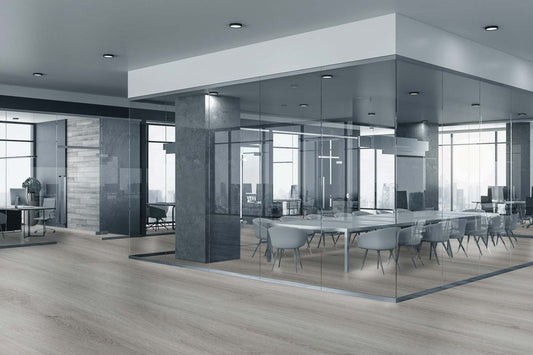
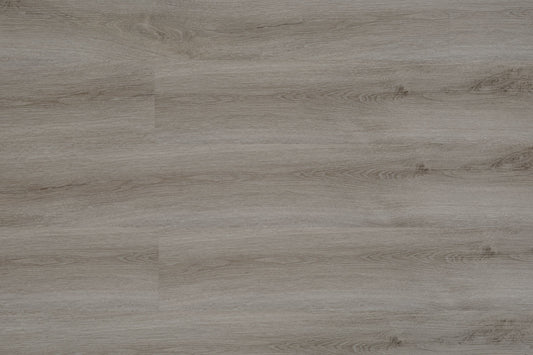
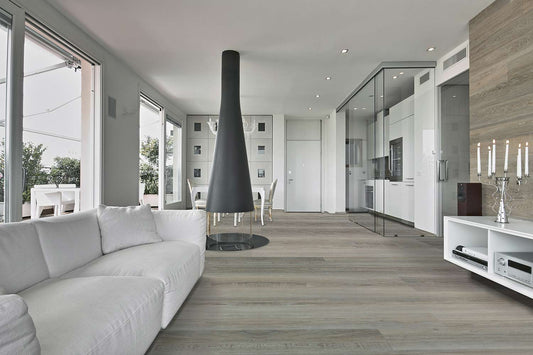
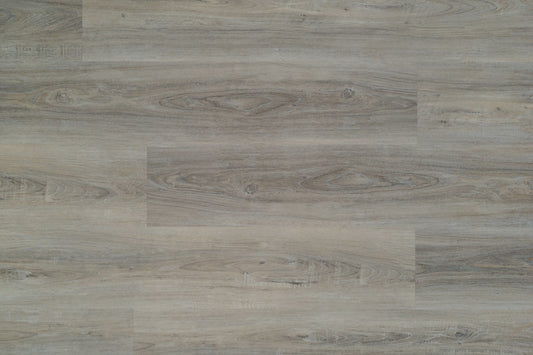


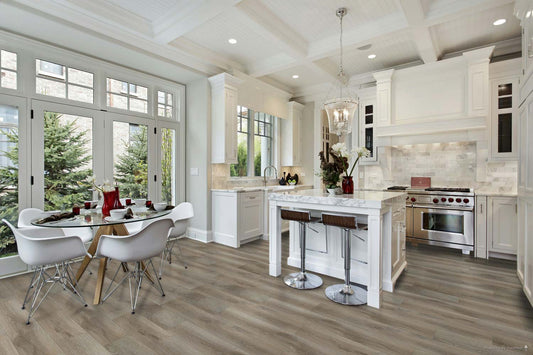
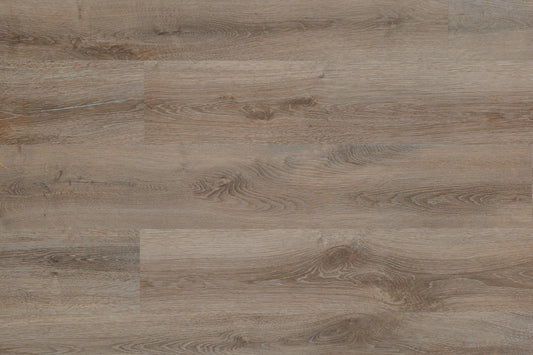
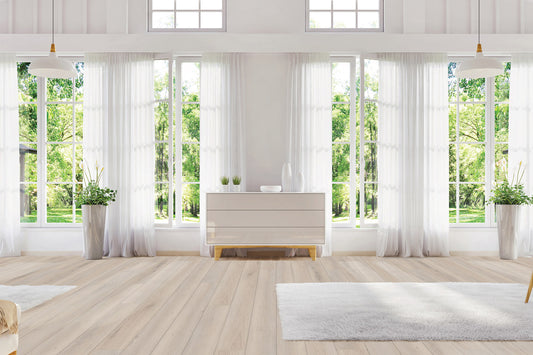
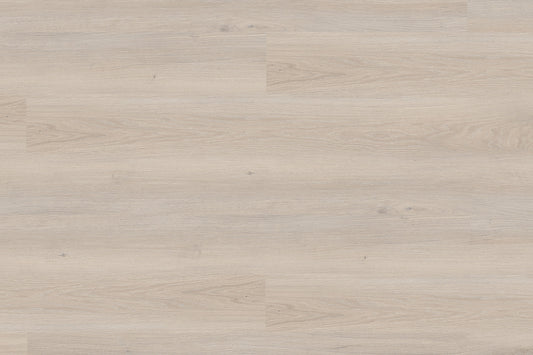
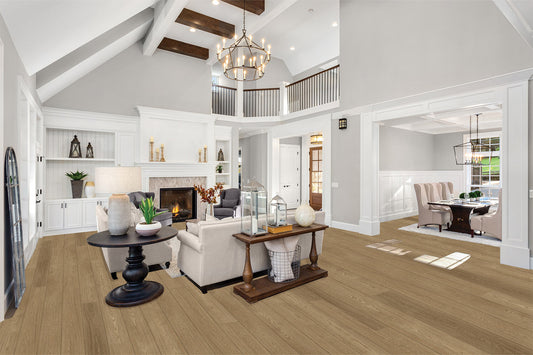
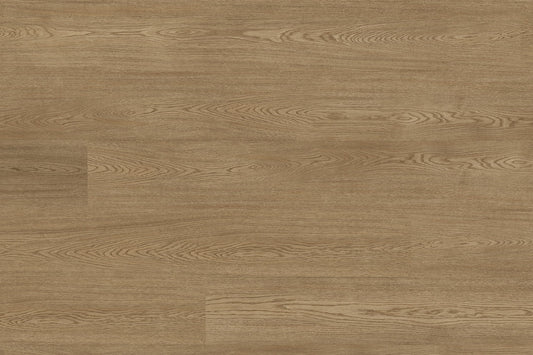
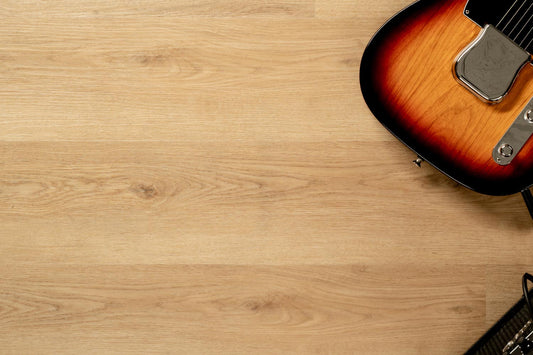
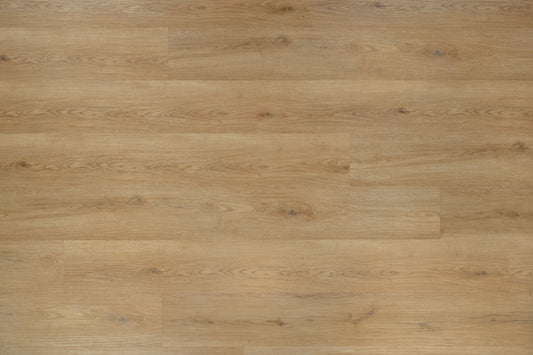
Aperion Active Spaces Collection
Aperion Active Spaces is glue-down luxury vinyl plank flooring with a 20 mil wear layer, 2.5mm thickness and 7.25-by-48-inch dimensions. Its dryback construction is designed to bond to a suitable prepared substrate using an approved adhesive. It does not use a click-lock edge or an attached cushioning pad.
This distinction makes Active Spaces a useful comparison for projects that call for an adhered vinyl floor rather than a floating installation. The low profile and four-foot plank format can support residential and approved commercial interiors, but the substrate and adhesive system are central to the result.
What Is Dryback Luxury Vinyl Plank?
Dryback describes flooring supplied for adhesive installation. The boards bond to the substrate rather than locking together above it. Choosing the adhesive, preparing the base and following the specified installation conditions are therefore part of selecting the complete floor system.
Browse Aperion flooring to compare the manufacturer's installation categories. A glue-down plank and a click SPC plank may share a wood appearance yet differ substantially beneath the surface. Make this distinction early so the project budget includes the correct preparation, materials and installation method.
Understanding the 2.5mm Profile
Active Spaces has a 2.5mm flooring thickness without attached backing. That low profile can be relevant where floor heights need careful coordination with adjoining surfaces. However, adhesive, leveling work and substrate preparation also influence the installed elevation, so the board thickness is only one part of the plan.
The 2.5mm glue-down LVP collection offers a useful comparison category. A thin adhered floor depends heavily on the quality of the base below it. Surface defects or uneven preparation can be more noticeable through the finished flooring than buyers expect from looking at an individual plank.
The 20 Mil Wear Layer
The 20 mil wear layer protects the printed design from ordinary surface wear. It is different from the overall 2.5mm plank thickness. For commercial projects, evaluate that protective layer alongside the expected traffic, furniture loads, cleaning method and specific permitted application.
Compare 20 mil 2.5mm 7.25x48 glue-down LVP when you want a closely matched specification. A wear-layer measurement alone does not establish suitability for every rolling load or public space. The complete flooring and adhesive system should meet the demands of the actual room.
A Versatile Four-Foot Plank Format
The 7.25-inch width and 48-inch length offer a recognizable wood-board scale. This can suit rooms where a strong plank rhythm is preferred over the broad appearance of oversized boards. The format also supports layout planning around doorways, columns and furniture zones.
Browse approximately seven-inch-wide, four-foot glue-down LVP to compare related proportions. Use exact dimensions for final calculations, and plan row widths at opposite walls before installation. An adhered floor still needs a deliberate starting line and careful alignment across connected areas.
Offices and Everyday Commercial Rooms
In an office, a floor should coordinate with desks, seating and lighting while accommodating the room's actual activity. Active Spaces can be compared for approved commercial applications where a fully bonded vinyl installation is preferred. Chair movement and concentrated contact should be evaluated as part of that specification.
Our glue-down vinyl flooring for offices collection offers related options. Check rolling-chair protection and the manufacturer's use requirements rather than assuming that a commercial label covers every condition. Preparation, adhesive selection and the cleaning routine all affect how the installed floor performs.
Residential Uses and Connected Interiors
Glue-down vinyl can also be considered for approved home applications. Buyers may prefer an adhered floor when the project calls for that installation approach, a low profile or particular transition planning. Living areas and bedrooms still need attention to appearance, comfort and the room's maintenance needs.
Consider the wood visual beside permanent finishes and furniture. A floor need not match cabinetry exactly; compatible undertones and a deliberate difference in depth can be more effective. View samples horizontally and under the lighting that will actually be used, especially in rooms with both daylight and warm evening lamps.
Concrete Preparation Is Essential
An adhesive bond needs a substrate that meets the specified conditions for moisture, cleanliness, flatness and surface preparation. Residual coatings, dust or incompatible compounds can interfere with bonding. A slab that looks dry is not necessarily within the flooring and adhesive system's moisture limits.
Compare glue-down LVP for concrete basements when evaluating a below-grade project. The application must be approved, and moisture issues should be addressed before installation. Determine whether a mitigation system is needed rather than expecting a vinyl surface or adhesive to resolve damp concrete.
Selecting the Approved Adhesive
The adhesive should be compatible with the flooring, substrate and expected conditions of use. Follow the prescribed trowel, working time, rolling and curing requirements. An adhesive chosen only because it is readily available may not provide the correct installation system.
Plan room access around curing and the installation instructions. Heavy furniture, traffic and cleaning should not be introduced before the adhesive system permits them. Where rolling loads or unusual exposure are expected, confirm suitability in advance rather than relying on a general description of glue-down flooring.
Spill Resistance and the Building Below
Vinyl flooring can be practical around ordinary household and commercial spills. However, the finished installation should not be treated as a waterproof building system. Water can reach edges, joints or the substrate, and adhesive performance depends on conditions beneath the plank as well as on top.
Remove liquids promptly and repair leaks at their source. For wet rooms or unusual exposure, confirm that the specific floor and adhesive combination is permitted. Moisture coming through a slab is a different issue from a spilled drink and requires its own assessment and preparation.
Planning Repairs, Trim and Maintenance
An adhered plank installation may allow localized replacement, but repairs should follow the approved removal and adhesive procedures. Keep spare material from the project so a future replacement does not depend on matching a different batch. Ensure the substrate remains suitable when replacing an individual board.
Measure the full room area and include cuts for the selected layout. Plan transitions at tile, thresholds and other materials before installation. After completion, remove grit frequently and use approved cleaning methods. Suitable furniture protection helps manage concentrated contact in offices, dining areas and other active spaces.
Frequently Asked Questions
Is Active Spaces click-lock flooring?
No. Active Spaces is dryback glue-down luxury vinyl plank installed with an approved adhesive.
What is its total thickness?
The collection has a 2.5mm plank profile without an attached cushioning pad.
What wear-layer specification does it have?
Active Spaces uses a 20 mil wear layer above the printed design.
How large are the planks?
The published dimensions are 7.25 inches wide by 48 inches long.
Can Active Spaces be considered for commercial projects?
Yes, for approved commercial applications. Match the flooring, adhesive and preparation to the actual traffic and loads.
Can it go directly onto any concrete slab?
No. Concrete must meet the flooring and adhesive requirements for moisture, preparation, flatness and cleanliness before installation.
Explore related flooring
Browse related flooring collections, brands and styles before making your final choice.