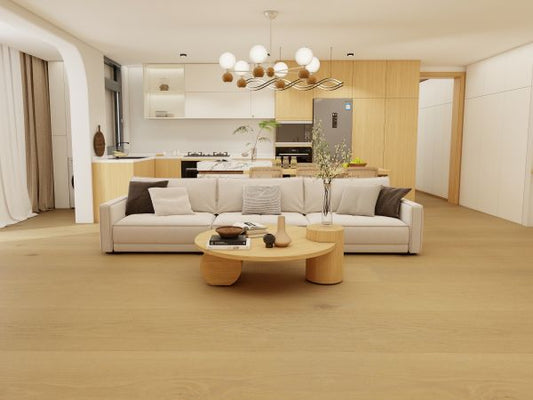
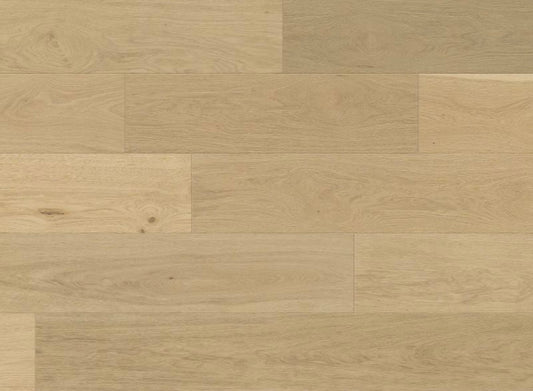
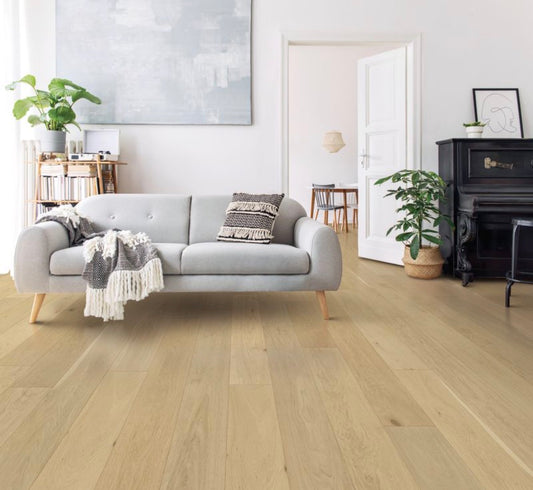
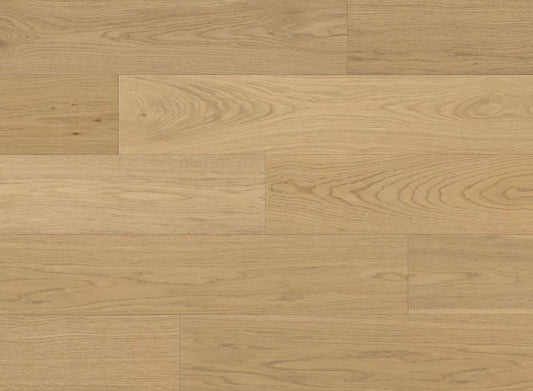
Engineered Hardwood Flooring for Dining Rooms
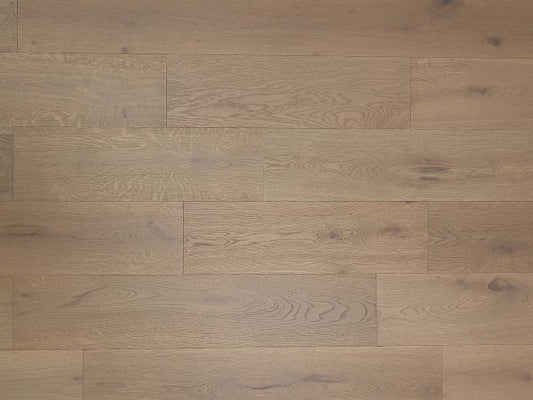
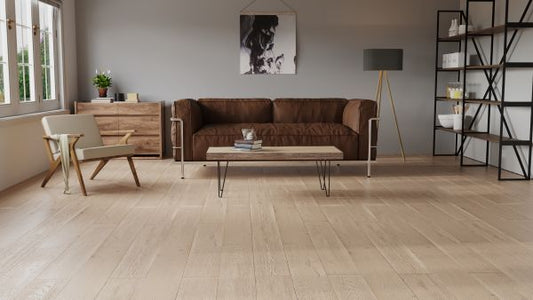
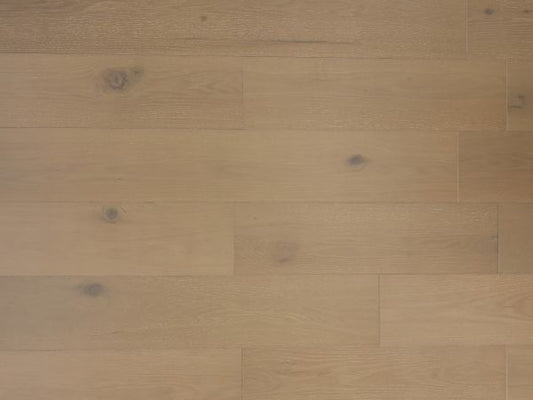
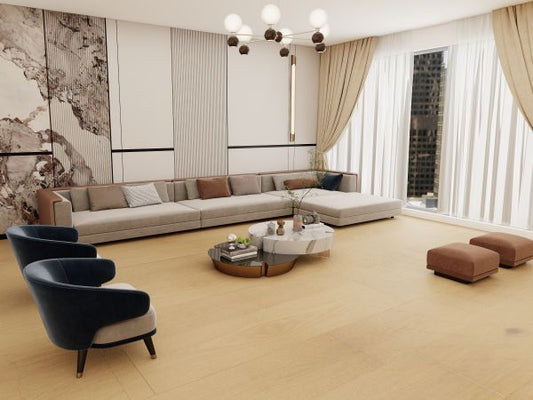
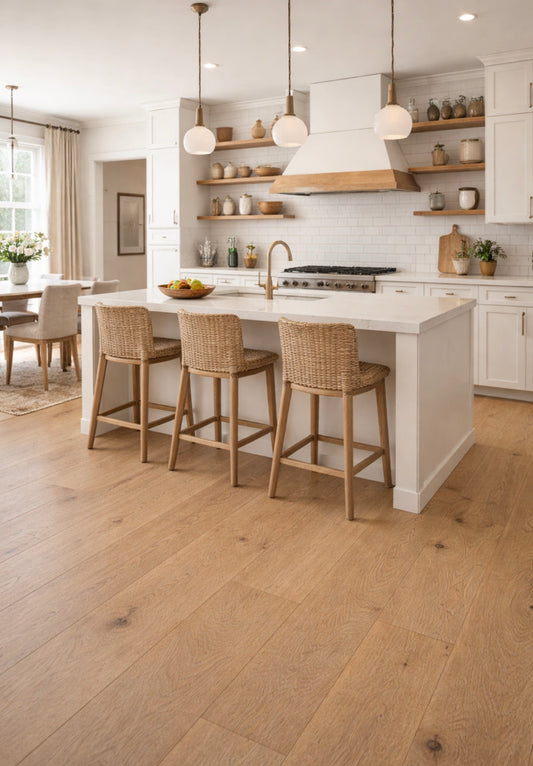
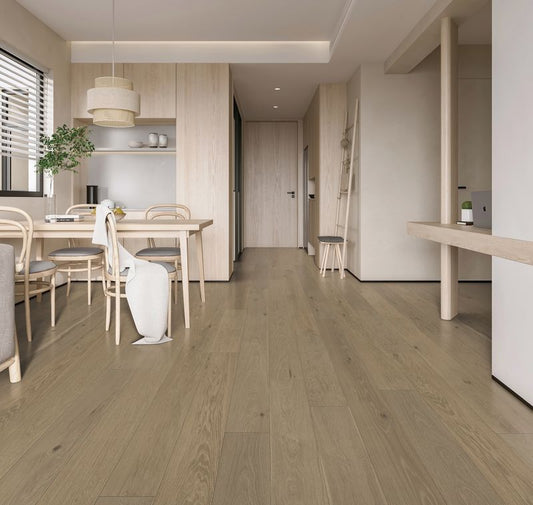
Engineered hardwood flooring for dining rooms combines a genuine wood surface with a layered supporting core, creating an authentic hardwood appearance for spaces used for everyday meals, entertaining, and formal gatherings. Dining rooms often connect visually with kitchens, living rooms, entryways, or open-concept areas, so flooring selection affects more than one isolated room.
The best choice should balance design, construction, finish, maintenance, plank dimensions, and installation compatibility. Engineered hardwood remains genuine wood and can scratch, dent, stain, or react to moisture. No dining-room hardwood should be described as spill-proof, scratch-proof, or maintenance-free.
Why Choose Engineered Hardwood for a Dining Room?
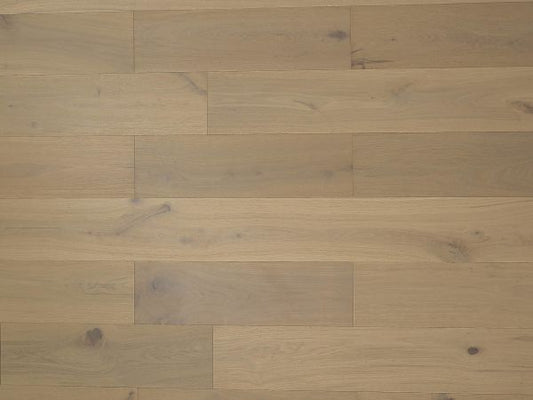
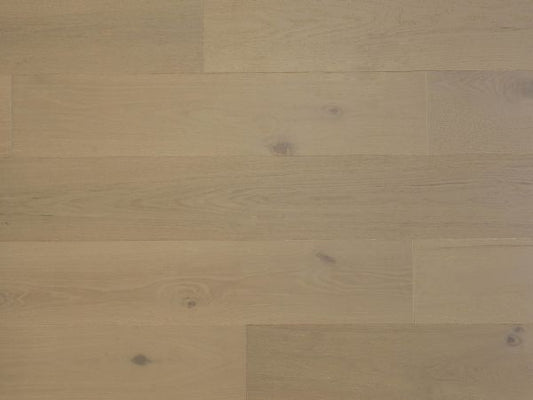
A genuine hardwood surface can provide warmth and natural variation that complements dining furniture, cabinetry, millwork, and decorative finishes. Depending on the selected product, engineered construction may also support wide planks, long boards, concrete installation, and multiple installation methods.
Potential benefits include:
- Authentic wood grain
- Genuine species variation
- Wide-plank options
- Long-plank formats
- Factory-applied finishes
- Multiple color families
- Traditional or contemporary styling
- Installation over approved concrete
- Installation over approved wood subfloors
- Room-to-room visual continuity
The complete product specification matters more than any single feature.
Choosing a Practical Factory Finish
A dining-room floor can encounter chair movement, dropped utensils, food crumbs, grit, and occasional spills. The factory finish is therefore an important part of product selection.
Published finish systems may include:
- UV-cured urethane
- Aluminum-oxide-enhanced urethane
- UV-cured oil
- Hardwax oil
- UV lacquer
- Manufacturer-specific protective coatings
Each system has different care, repair, and recoating requirements. Finish terminology should be taken from official product documentation rather than inferred from photography.
A strong finish does not make the wood beneath it dent-proof. Chair legs and concentrated impacts can still mark genuine hardwood.
Matte Versus Satin Dining-Room Floors
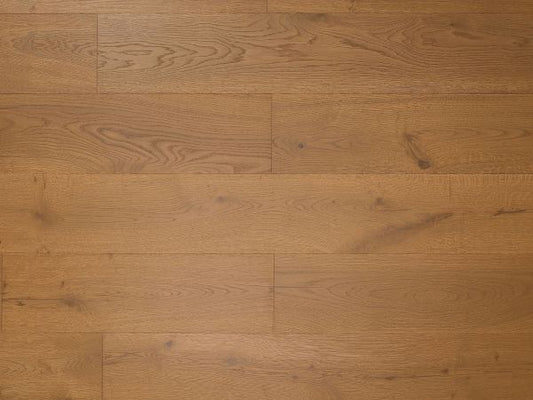
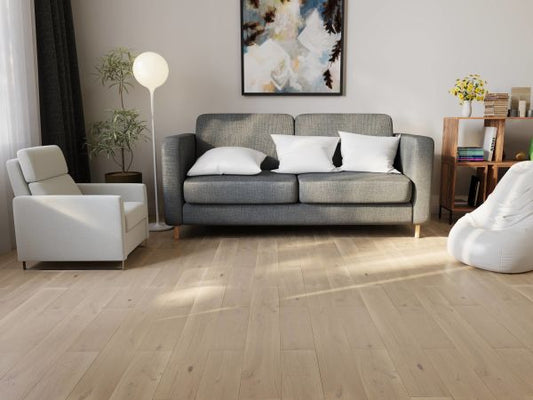
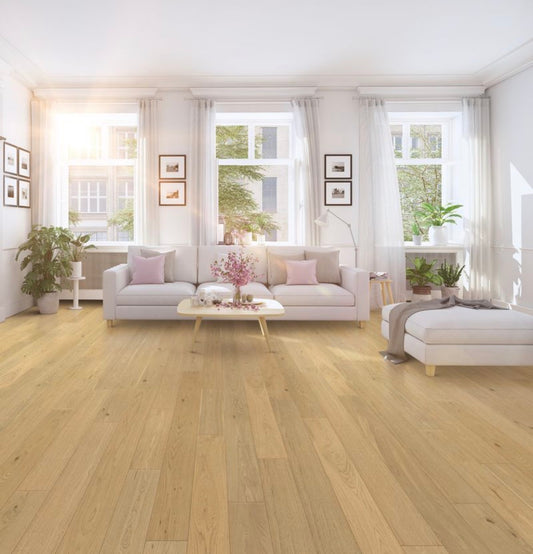
Matte and low-gloss finishes reflect less light and can create a relaxed, natural appearance. They may also make minor dust, footprints, or surface irregularities less visually prominent under certain lighting.
Satin finishes create somewhat more reflection and may provide a more traditionally finished appearance. The same sheen can look different under chandeliers, recessed lighting, daylight, and evening lamps.
Evaluate samples:
- Flat on the floor
- Near the dining table
- In daylight
- Under evening lighting
- Beside cabinetry
- Beside wall colors
- Near adjoining flooring
Gloss terminology varies between manufacturers, making physical samples more reliable than labels alone.
Selecting Dining-Room Colors
Popular color directions may include:
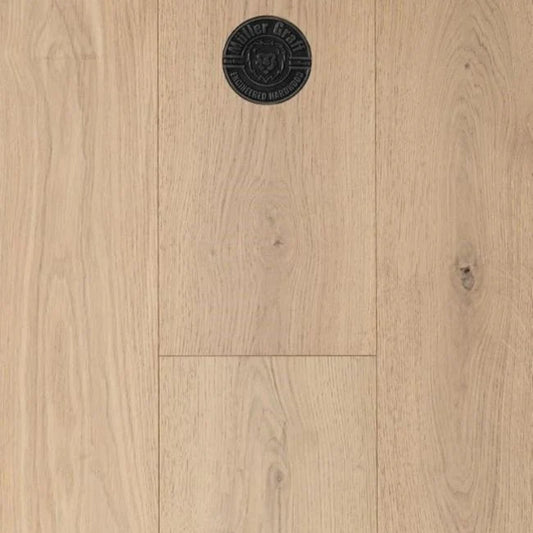
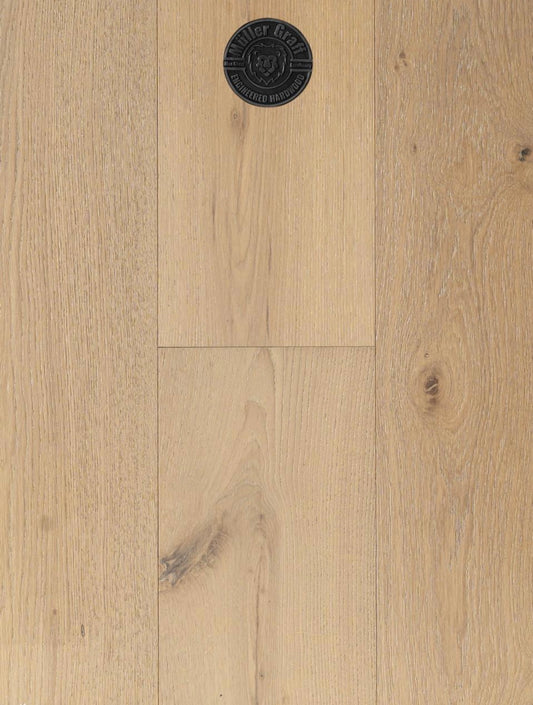
- Natural white oak
- Blonde oak
- Warm beige
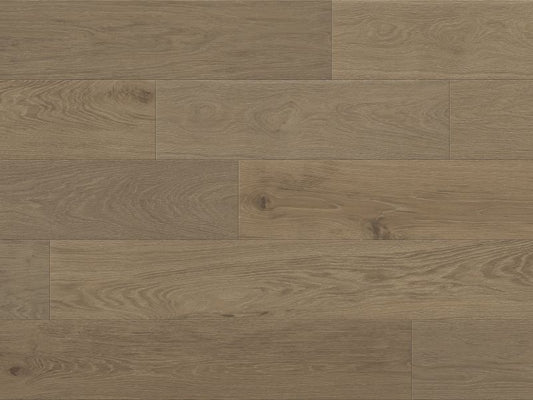
- Soft greige
- Honey brown
- Medium brown
- Smoked oak
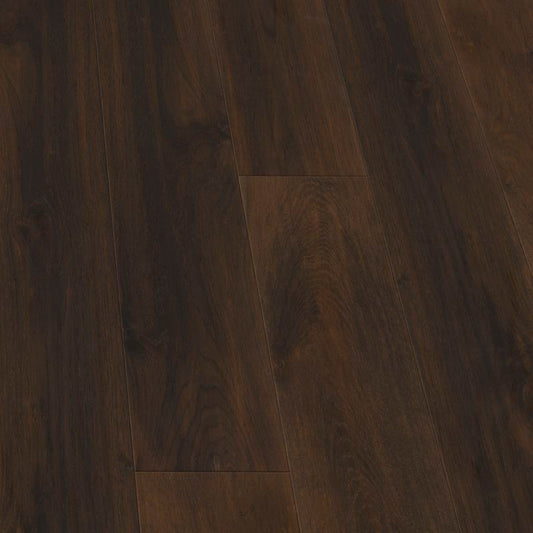
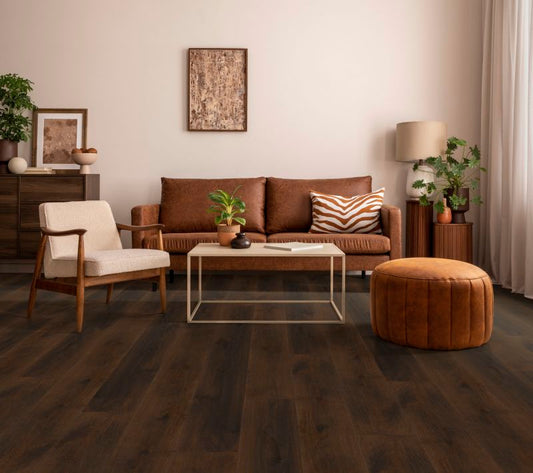
- Dark brown
- Walnut tones
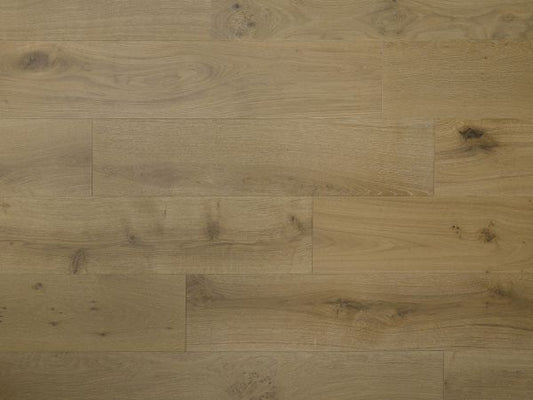
- Character-rich mixed tones
Very dark and extremely pale floors can make certain debris, dust, or marks more noticeable. Mid-tone colors with natural grain variation may create a more forgiving everyday appearance.
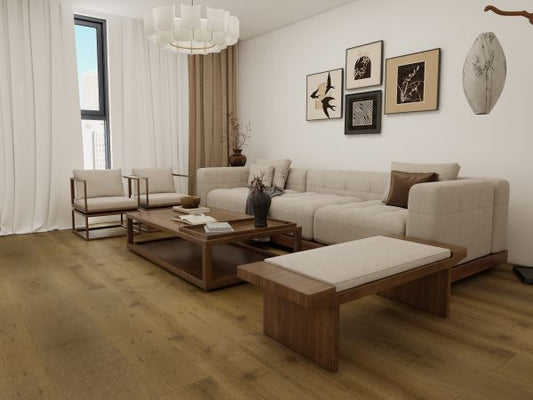
Color should also coordinate with the undertones of the dining table, chairs, cabinets, wall paint, and nearby flooring. Matching every wood element exactly is unnecessary, but competing undertones can create visual conflict.
Plank Width and Dining-Room Proportions
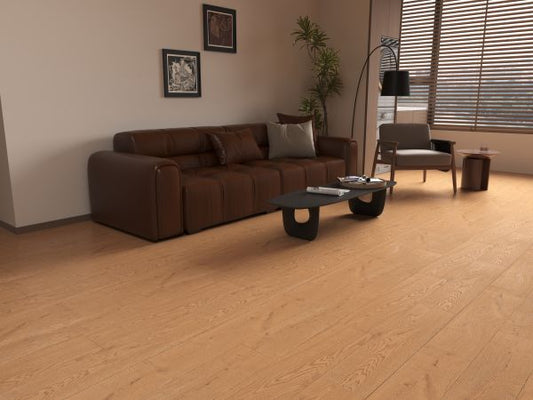
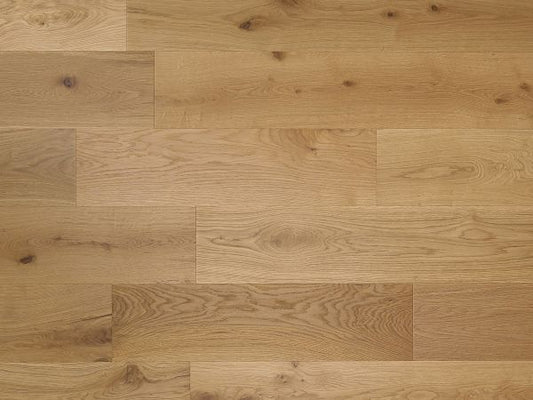
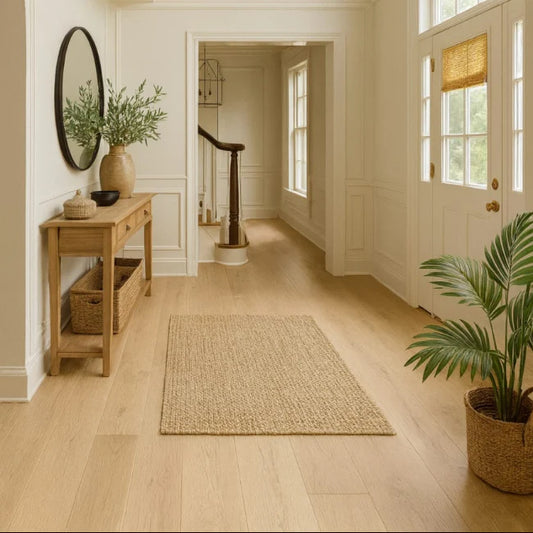
Wide planks create fewer seams and display more uninterrupted grain. They may help a dining room feel visually connected to adjoining spaces, particularly when the same floor continues through an open plan.
Narrower planks create additional rows and can suit traditional interiors or smaller-scale furniture.
Compare width alongside:
- Room dimensions
- Plank length
- Ceiling height
- Furniture scale
- Installation direction
- Natural light
- Doorway placement
- Connected-room layout
Width does not independently determine durability or quality.
Chair and Furniture Protection
Dining chairs can produce repeated concentrated movement across the same areas. Protective furniture pads should be installed beneath chair and table legs and checked regularly.
Practical precautions include:
- Using nonstaining felt protectors
- Replacing compressed or dirty pads
- Lifting furniture instead of dragging it
- Removing grit beneath chair legs
- Avoiding narrow metal contact points
- Using approved rug pads
- Following finish-specific care instructions
Rubber, latex, or plasticized backings may react with selected finishes. Confirm rug-pad compatibility before use.
Area Rugs Under Dining Tables
An area rug can define the dining zone and reduce direct chair contact with the floor. It can also trap grit, retain moisture from spills, or create uneven light exposure.
Choose a rug large enough for chairs to remain on it when pulled away from the table. Clean beneath the rug periodically and address spills immediately.
Genuine wood can change color with light exposure. Covered and uncovered sections may age differently, particularly when a rug remains in one position for an extended period.
Spill Management
Dining-room spills should be cleaned promptly using methods approved for the factory finish. Standing liquid can enter bevels, joints, scratches, or damaged finish areas.
Avoid:
- Steam mops
- Saturated cleaning pads
- Flood mopping
- Abrasive powders
- Universal polish
- Unapproved wax
- Harsh solvents
- Allowing ice or liquids to remain unnoticed
Engineered hardwood construction does not make the genuine wood surface waterproof.
Installation Methods
Depending on the product, dining-room engineered hardwood may support:
- Full-spread glue-down
- Floating installation
- Nail-down
- Staple-down
- Glue-assisted nail-down
The correct method depends on the subfloor, plank dimensions, core, grade level, moisture conditions, and manufacturer instructions.
Glue-down installation may provide a firm response over prepared concrete. Floating installation may use approved underlayment. Nail-down installation requires a compatible wood subfloor assembly.
Connecting Dining Rooms and Kitchens
When hardwood continues between a dining room and kitchen, confirm that the selected product and installation system are approved for both spaces. Kitchen exposure to plumbing, appliances, spills, and exterior doors may create additional considerations.
Plan:
- Plank direction
- Expansion space
- Transition locations
- Cabinet placement
- Appliance clearance
- Finished-floor height
- Moisture protection
- Repair access
- Continuous-installation limits
A visually continuous floor still requires technically correct expansion planning.
Subfloor Preparation
The substrate should be structurally sound, dry, clean, and flat within the manufacturer’s published tolerance. An uneven subfloor can contribute to movement, noise, hollow areas, poor adhesive transfer, locking-system stress, or uneven joints.
Concrete may require moisture testing, crack evaluation, surface preparation, and vapor control. Wood subfloors may require fastening, panel repair, moisture testing, and correction of deflection.
Cleaning and Routine Care
Routine care may include:
- Vacuuming loose grit
- Using a hardwood-floor attachment
- Damp cleaning with an approved product
- Cleaning crumbs from bevels
- Removing spills promptly
- Using clean microfiber pads
- Protecting furniture feet
- Maintaining indoor humidity
- Avoiding excessive water
- Following current manufacturer instructions
Food residue and cleaning-product buildup should not be allowed to accumulate within textured grain or bevels.
Frequently Asked Questions
Is engineered hardwood suitable for dining rooms?
Yes. Manufacturer-approved residential engineered hardwood can provide a genuine wood surface for dining areas when properly installed and maintained.
What finish is best for a dining room?
The best finish depends on expected use, appearance, cleaning preferences, and manufacturer care requirements. Compare documented finish systems rather than gloss alone.
Will dining chairs scratch engineered hardwood?
They can. Use clean, nonstaining furniture protectors and replace them as they wear.
Is matte hardwood practical around a dining table?
A matte finish may make minor dust or marks less visually prominent, but it still requires normal hardwood care.
Can engineered hardwood handle food and drink spills?
Promptly cleaned spills are part of normal household use. Standing liquid can damage genuine wood and should be avoided.
Should an area rug be used beneath the dining table?
It is optional. A compatible rug and pad can protect the surface, but the area beneath it should still be inspected and cleaned.
Can dining-room hardwood continue into the kitchen?
Yes, when the product and installation system are approved for both rooms and the layout addresses moisture, appliances, and expansion.
Are wide planks suitable for dining rooms?
Yes. Wide boards can create fewer seams and broad grain movement when the subfloor and installation conditions are suitable.
Can the flooring be installed over concrete?
Selected products may be glued or floated over prepared concrete when expressly approved.
Is engineered hardwood waterproof?
No. It contains genuine wood and requires prompt spill cleanup and environmental control.