
Collection: WPC Flooring Over Tile
Explore WPC flooring over tile options approved for installation above secure, flat existing ceramic or porcelain surfaces. Compare plank thicknesses, attached pads, locking systems, wear layers, dimensions, and waterproof wood looks.
-
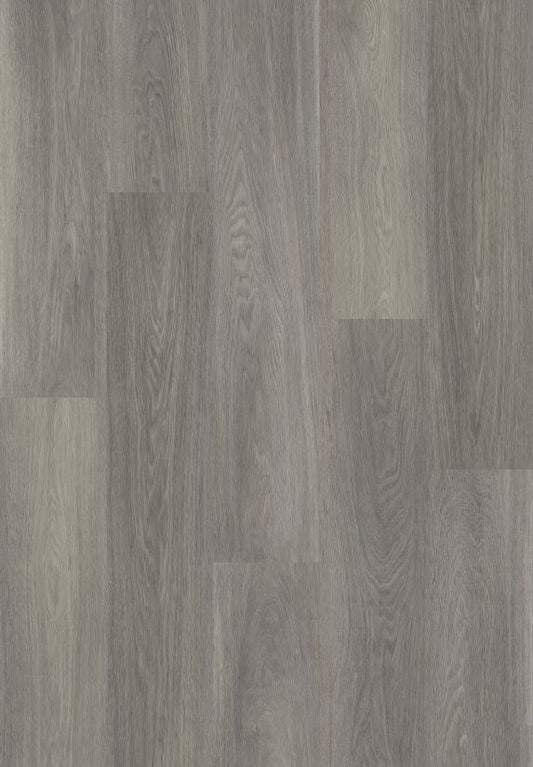
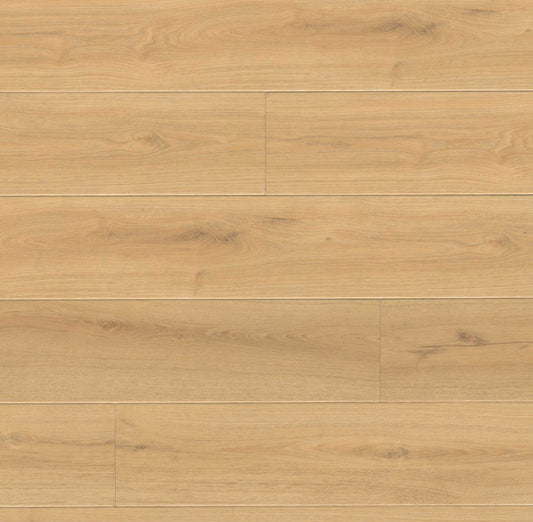
Seaside Summit Sandstone whisper 30mil 10mm 9.5x84 WPC Vinyl Plank
Vendor:Lions FloorRegular price From $0.00 USDRegular priceUnit price $4.39/ft² -
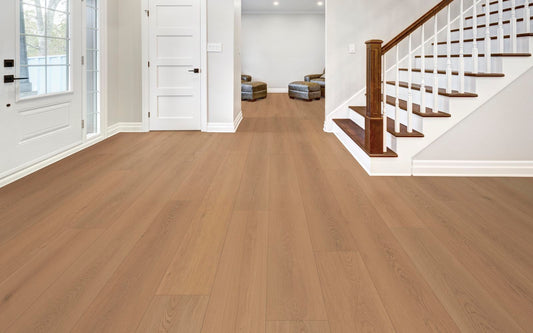
United Weavers Heritage Grace- 22mil 10mm 9x60 Waterproof WPC Vinyl Plank flooring
Vendor:United WeaversRegular price From $0.00 USDRegular priceUnit price $4.49/ft² -
Seaside Summit Pebble Shimmer 30mil 10mm 9.5x84 WPC Vinyl Plank
Vendor:Lions FloorRegular price From $0.00 USDRegular priceUnit price $4.39/ft² -
United Weavers Heritage Cityscape- 22mil 10mm 9x60 Waterproof WPC Vinyl Plank flooring
Vendor:United WeaversRegular price From $0.00 USDRegular priceUnit price $4.49/ft² -
Wayne Parc Macland 22mil 10mm 9x60 WPC Vinyl Plank | MSI
Vendor:MSI EverlifeRegular price From $0.00 USDRegular priceUnit price $3.99/ft² -
Revival Midtown 30 mil 12mm 9X60 WPC | United Weavers / Caspar Flooring Direct
Vendor:United WeaversRegular price From $0.00 USDRegular priceUnit price $4.99/ft² -
Seaside Summit Sunshine Sparkle 30mil 10mm 9.5x84 WPC Vinyl Plank
Vendor:Lions FloorRegular price From $0.00 USDRegular priceUnit price $4.39/ft² -
Wayne Parc Elwood 22mil 10mm 9x60 WPC Vinyl Plank | MSI
Vendor:MSI EverlifeRegular price From $0.00 USDRegular priceUnit price $3.99/ft² -
Ocean Crest - Summit Drift | 20mil 8mm 9x60 WPC Vinyl Plank | Lions Floor
Vendor:Lions FloorRegular price From $0.00 USDRegular priceUnit price $4.98/ft²$4.39 USDSale price From $0.00 USDSale -
Seaside Summit Seashell radiance 30mil 10mm 9.5x84 WPC Vinyl Plank
Vendor:Lions FloorRegular price From $0.00 USDRegular priceUnit price $4.39/ft² -
United Weavers Heritage Artisan - 22mil 10mm 9x60 Waterproof WPC Vinyl Plank flooring
Vendor:United WeaversRegular price From $0.00 USDRegular priceUnit price $4.49/ft² -
Revival Haven 30 mil 12mm 9X60 WPC | United Weavers / Caspar Flooring Direct
Vendor:United WeaversRegular price From $0.00 USDRegular priceUnit price $4.99/ft² -
Revival Realm 30 mil 12mm 9X60 WPC | United Weavers / Caspar Flooring Direct
Vendor:United WeaversRegular price From $0.00 USDRegular priceUnit price $5.49/ft² -
Ocean Crest - Morning Tide | 20mil 8mm 9x60 WPC Vinyl Plank | Lions Floor
Vendor:Lions FloorRegular price From $0.00 USDRegular priceUnit price $4.98/ft² -
Seaside Summit Seaglass luster30mil 10mm 9.5x84 WPC Vinyl Plank
Vendor:Lions FloorRegular price From $0.00 USDRegular priceUnit price $4.39/ft² -
Seaside Summit Beach Blessing 30mil 10mm 9.5x84 WPC Vinyl Plank
Vendor:Lions FloorRegular price From $0.00 USDRegular priceUnit price $4.39/ft²

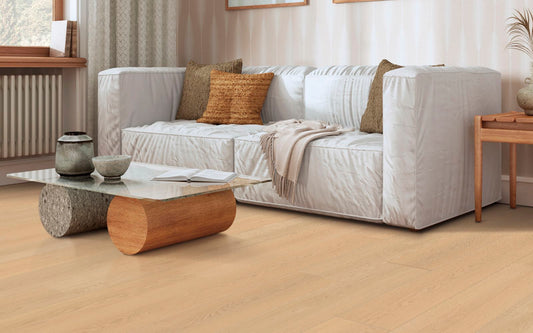
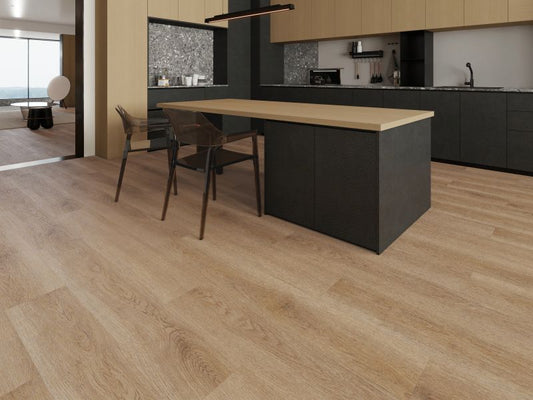
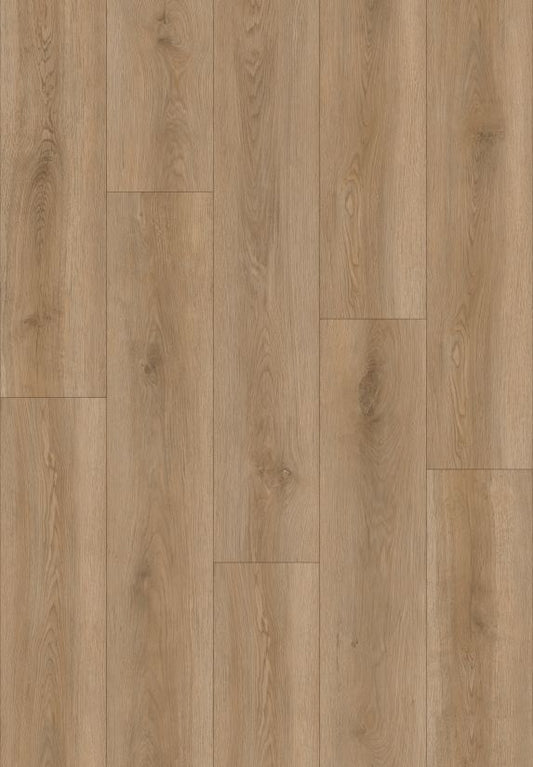

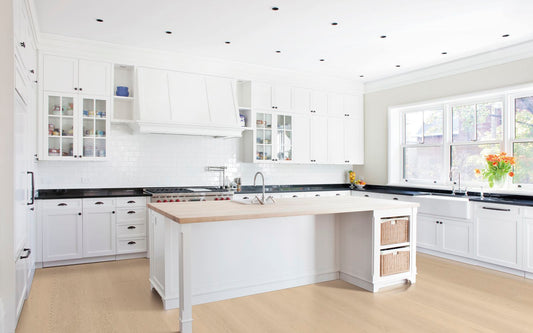
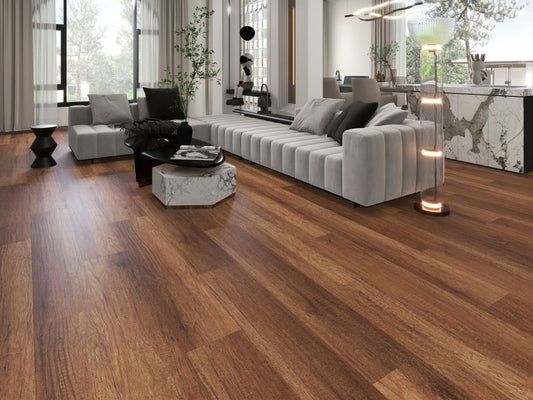
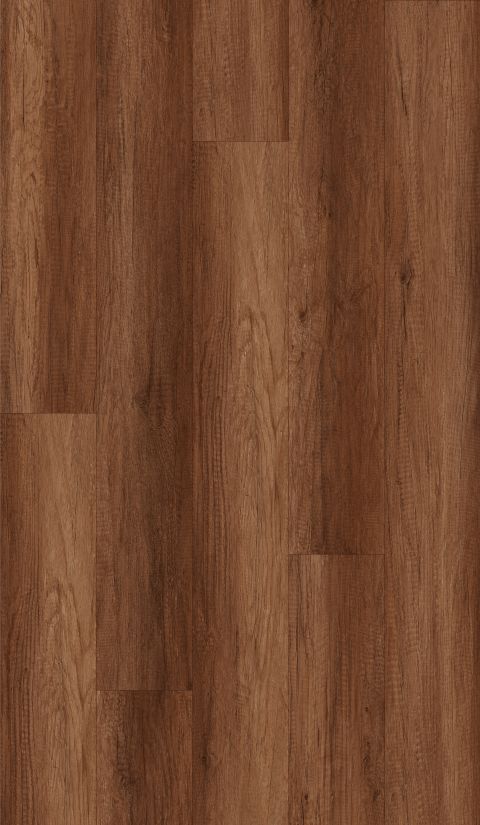

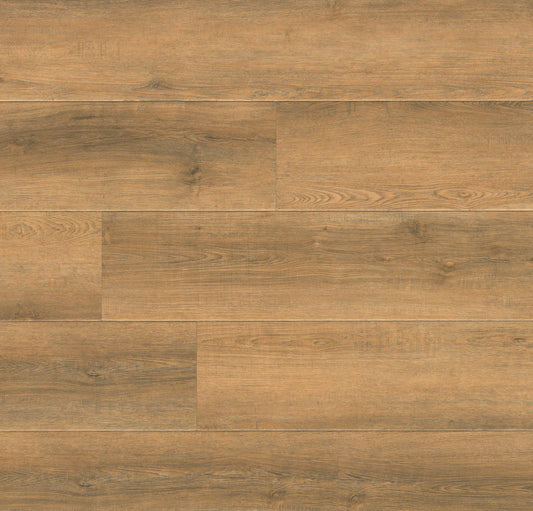
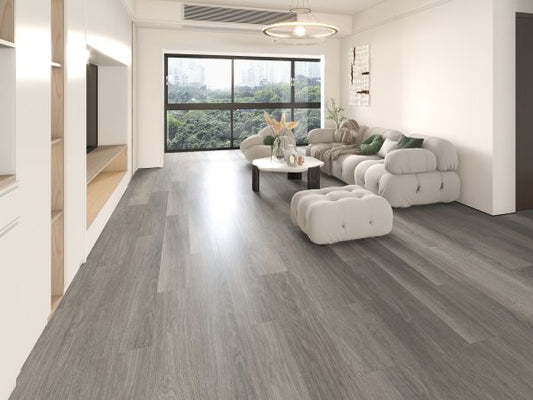

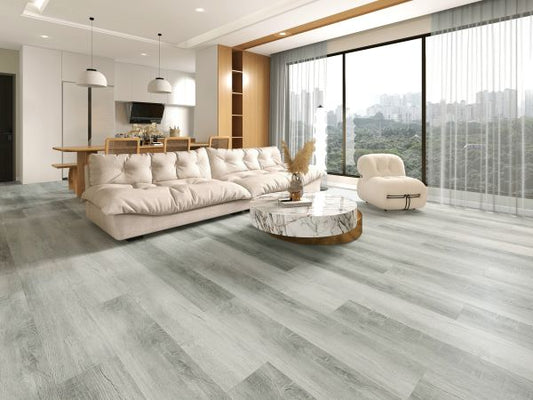
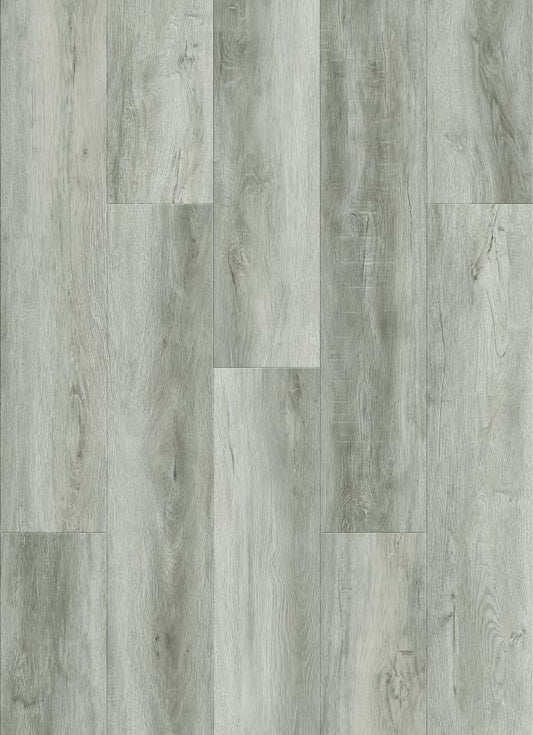
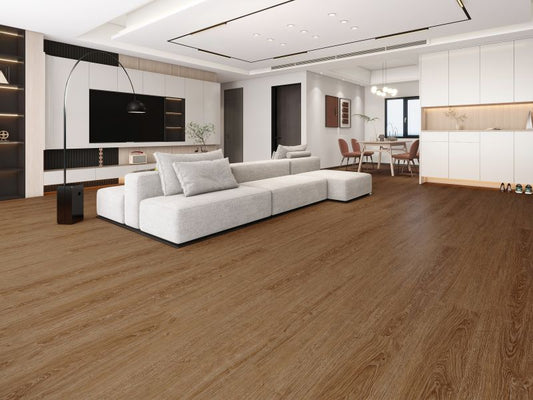
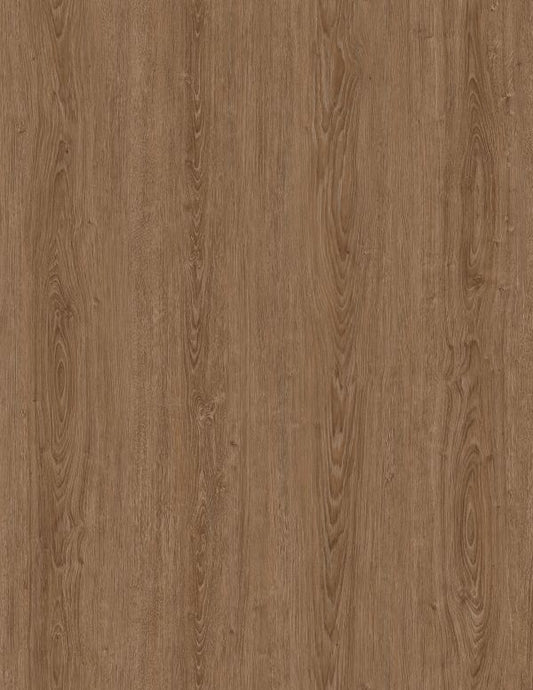
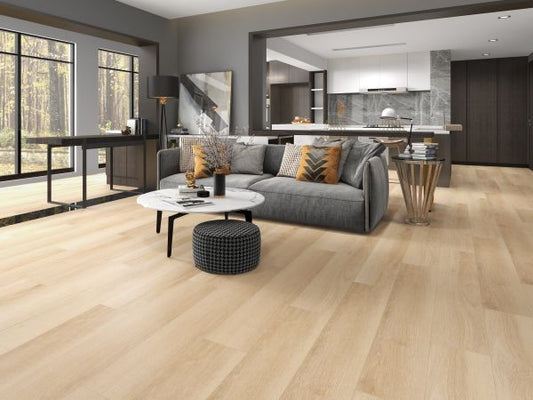
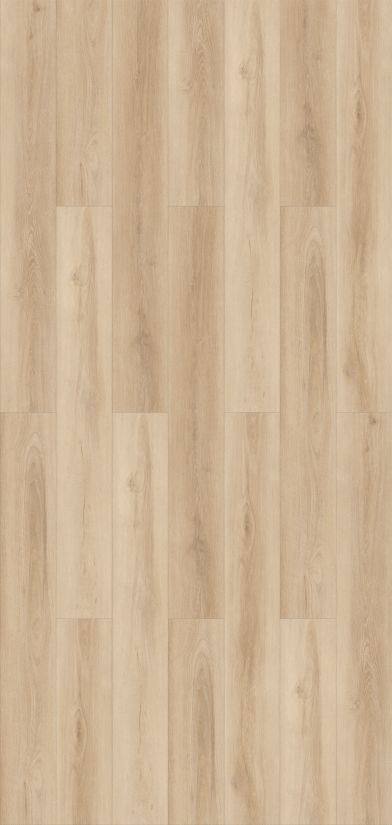

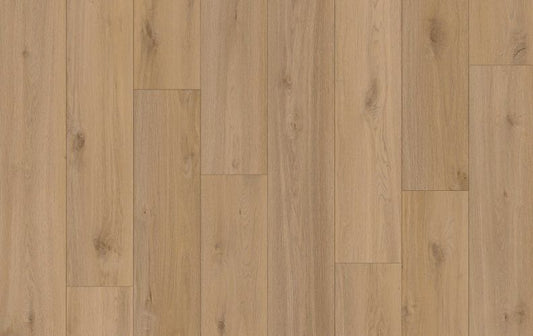

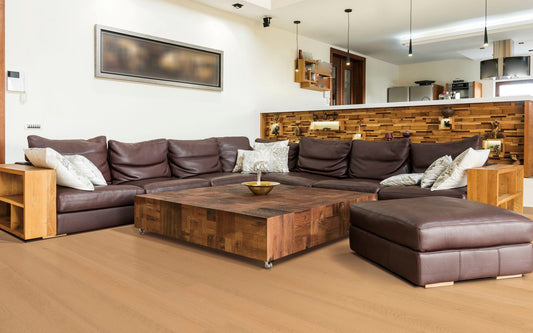

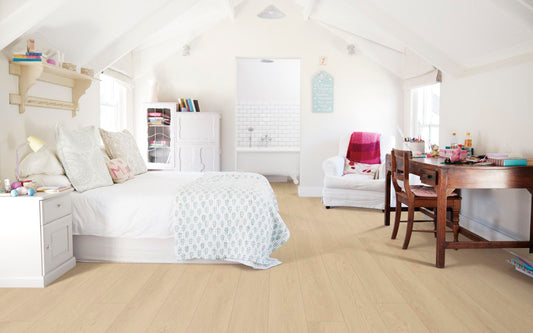
WPC Flooring Over Tile
WPC flooring over tile includes waterproof composite planks whose manufacturers permit installation over qualifying existing ceramic, porcelain, or similar hard tile surfaces. Floating WPC can sometimes provide a new wood-look floor without complete tile removal, but only when the existing installation is secure and properly prepared.
Loose, cracked, uneven, contaminated, or moisture-damaged tile should not simply be covered.
Can WPC Flooring Be Installed Over Tile?
Selected WPC products may be installed over tile when the existing surface is:
- Firmly bonded
- Flat within manufacturer tolerance
- Structurally sound
- Clean
- Dry as required
- Free from movement
- Free from excessive height differences
- Compatible with the approved installation method
The exact flooring instructions determine whether installation is permitted.
Evaluating Existing Tile
Before purchasing WPC, inspect the tile for:
- Loose or hollow-sounding areas
- Cracked tiles
- Moving grout
- High edges
- Deep grout lines
- Uneven transitions
- Moisture problems
- Structural cracks
- Contamination
- Previous repair materials
A flooring professional may need to determine whether removal, patching, or additional preparation is necessary.
Do Grout Lines Need to Be Filled?
Some manufacturers allow installation over shallow grout joints, while others establish limits for joint width and depth. Deep or wide grout lines may require filling with an approved patching product.
Unprepared grout depressions can reduce plank support and contribute to:
- Movement
- Joint stress
- Telegraphing
- Noise
- Uneven underfoot feel
- Locking-system damage
Follow the exact published substrate requirements.
Finished-Floor Height
Installing WPC above tile increases the overall floor level. Before ordering, check:
- Interior doors
- Exterior doors
- Appliances
- Cabinets
- Floor vents
- Stair nosings
- Baseboards
- Toilets where relevant
- Transitions
- Adjoining rooms
The flooring’s advertised thickness may include its attached pad.
Does Attached Pad Help Over Tile?
Attached EVA or IXPE backing may provide consistent contact between the WPC and prepared tile, but it cannot level an irregular surface or bridge unsupported areas.
Do not add another cushioned underlayment unless expressly permitted. Too much compression may place stress on click-lock joints.
Moisture Beneath Existing Tile
Existing tile does not prove that the substrate is dry. Slabs, grout joints, cracks, and below-grade areas may still transmit moisture.
Before covering tile:
- Investigate signs of moisture
- Repair active leaks
- Follow testing requirements
- Use required vapor protection
- Confirm basement suitability
- Address damaged grout or substrate
- Follow perimeter instructions
Waterproof WPC does not resolve moisture trapped beneath the installation.
Frequently Asked Questions
Can WPC flooring go directly over ceramic tile?
Selected products can when the tile is secure, flat, clean, and approved by the flooring manufacturer.
Do I need to remove the tile first?
Not always. Removal may be necessary when the tile is loose, uneven, damaged, contaminated, or incompatible with the new flooring.
Should grout lines be filled before installing WPC?
Deep or wide grout lines may require filling. Follow the flooring manufacturer’s limits and preparation instructions.
Will attached pad smooth out tile joints?
It may soften minor contact, but it cannot correct substantial grout depressions or uneven tile.
Will flooring over tile raise the floor height?
Yes. Door, appliance, stair, transition, and adjacent-floor clearances should be evaluated.
Is WPC waterproof when installed over tile?
Qualifying WPC planks should be waterproof, but the completed room and underlying tile assembly are not automatically waterproof.
Explore related flooring
Browse related flooring collections, brands and styles before making your final choice.