
Collection: WPC Flooring with Attached Pad
Discover WPC flooring with attached pad for waterproof wood-look style, cushioned composite construction, and an integrated backing layer. Compare pad materials, total thicknesses, plank sizes, wear layers, textures, and approved installations.
-
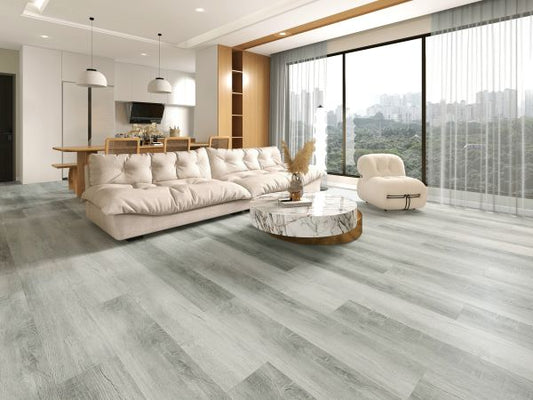
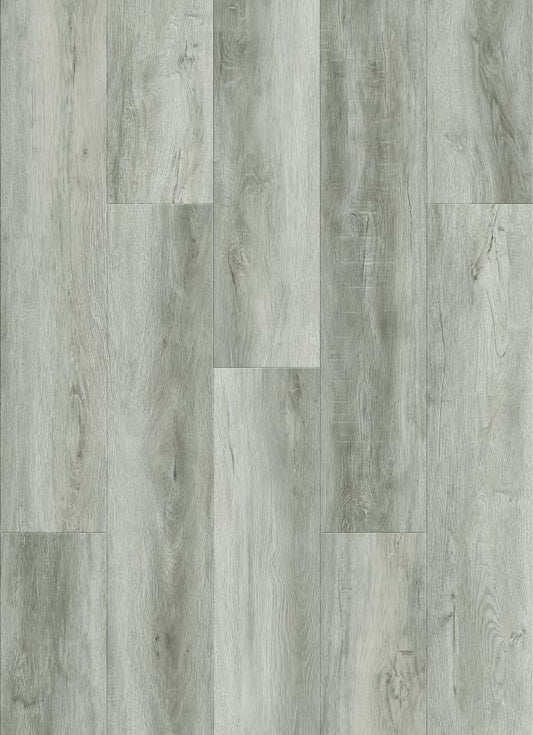
Seaside Summit Sandstone whisper 30mil 10mm 9.5x84 WPC Vinyl Plank
Vendor:Lions FloorRegular price From $0.00 USDRegular priceUnit price $4.39/ft² -
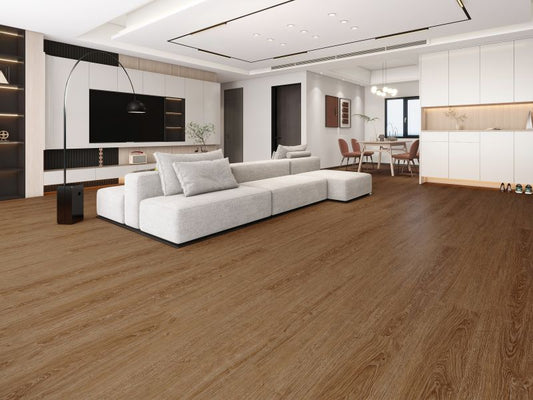
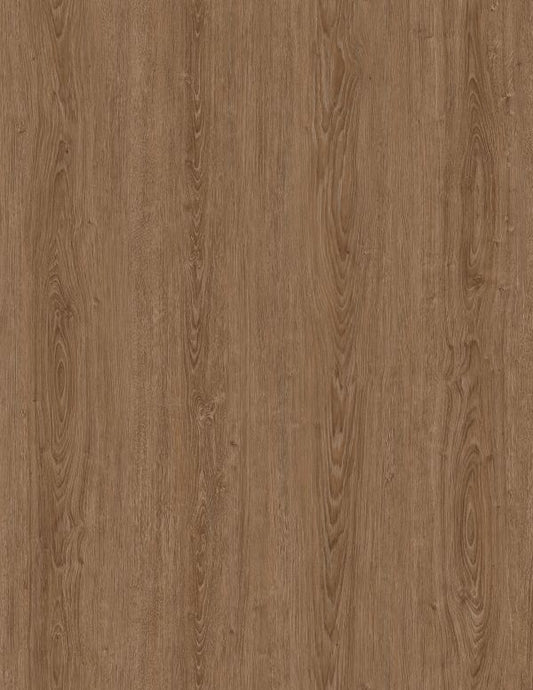
United Weavers Heritage Grace- 22mil 10mm 9x60 Waterproof WPC Vinyl Plank flooring
Vendor:United WeaversRegular price From $0.00 USDRegular priceUnit price $4.49/ft² -
Seaside Summit Pebble Shimmer 30mil 10mm 9.5x84 WPC Vinyl Plank
Vendor:Lions FloorRegular price From $0.00 USDRegular priceUnit price $4.39/ft² -
United Weavers Heritage Cityscape- 22mil 10mm 9x60 Waterproof WPC Vinyl Plank flooring
Vendor:United WeaversRegular price From $0.00 USDRegular priceUnit price $4.49/ft² -
Wayne Parc Macland 22mil 10mm 9x60 WPC Vinyl Plank | MSI
Vendor:MSI EverlifeRegular price From $0.00 USDRegular priceUnit price $3.99/ft² -
Revival Midtown 30 mil 12mm 9X60 WPC | United Weavers / Caspar Flooring Direct
Vendor:United WeaversRegular price From $0.00 USDRegular priceUnit price $4.99/ft² -
Seaside Summit Sunshine Sparkle 30mil 10mm 9.5x84 WPC Vinyl Plank
Vendor:Lions FloorRegular price From $0.00 USDRegular priceUnit price $4.39/ft² -
Wayne Parc Elwood 22mil 10mm 9x60 WPC Vinyl Plank | MSI
Vendor:MSI EverlifeRegular price From $0.00 USDRegular priceUnit price $3.99/ft² -
Ocean Crest - Summit Drift | 20mil 8mm 9x60 WPC Vinyl Plank | Lions Floor
Vendor:Lions FloorRegular price From $0.00 USDRegular priceUnit price $4.98/ft²$4.39 USDSale price From $0.00 USDSale -
Seaside Summit Seashell radiance 30mil 10mm 9.5x84 WPC Vinyl Plank
Vendor:Lions FloorRegular price From $0.00 USDRegular priceUnit price $4.39/ft² -
United Weavers Heritage Artisan - 22mil 10mm 9x60 Waterproof WPC Vinyl Plank flooring
Vendor:United WeaversRegular price From $0.00 USDRegular priceUnit price $4.49/ft² -
Revival Haven 30 mil 12mm 9X60 WPC | United Weavers / Caspar Flooring Direct
Vendor:United WeaversRegular price From $0.00 USDRegular priceUnit price $4.99/ft² -
Revival Realm 30 mil 12mm 9X60 WPC | United Weavers / Caspar Flooring Direct
Vendor:United WeaversRegular price From $0.00 USDRegular priceUnit price $5.49/ft² -
Ocean Crest - Morning Tide | 20mil 8mm 9x60 WPC Vinyl Plank | Lions Floor
Vendor:Lions FloorRegular price From $0.00 USDRegular priceUnit price $4.98/ft² -
Seaside Summit Seaglass luster30mil 10mm 9.5x84 WPC Vinyl Plank
Vendor:Lions FloorRegular price From $0.00 USDRegular priceUnit price $4.39/ft² -
Seaside Summit Beach Blessing 30mil 10mm 9.5x84 WPC Vinyl Plank
Vendor:Lions FloorRegular price From $0.00 USDRegular priceUnit price $4.39/ft²

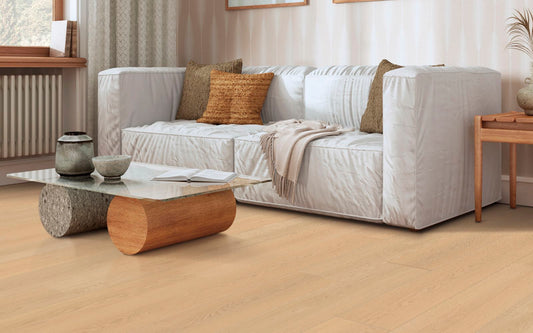
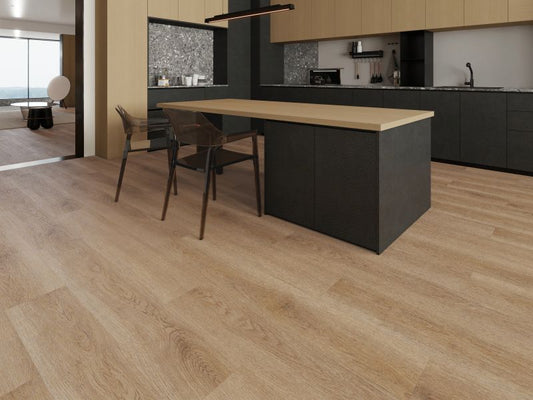
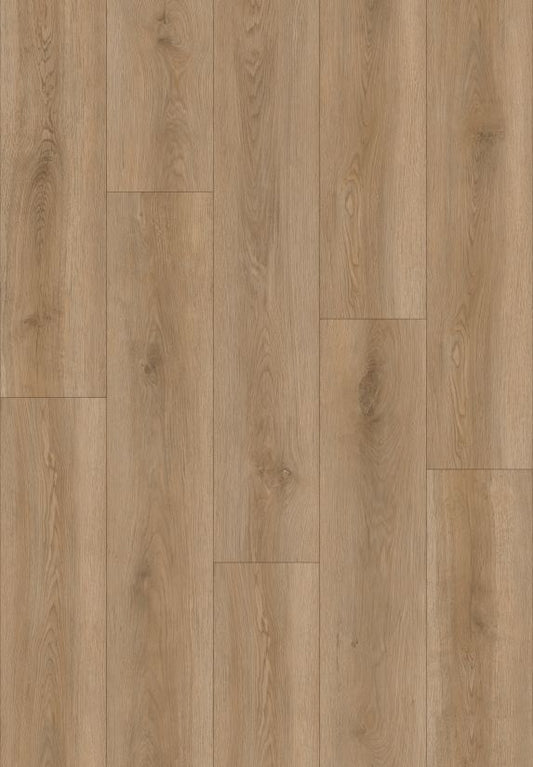

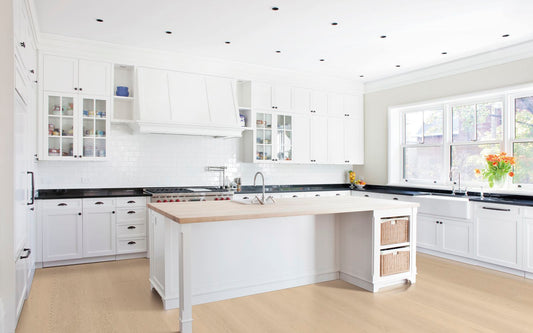
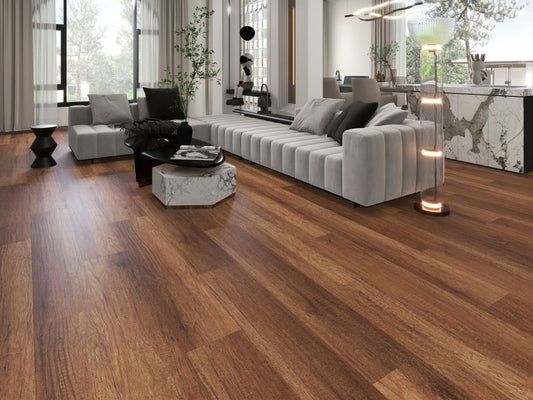
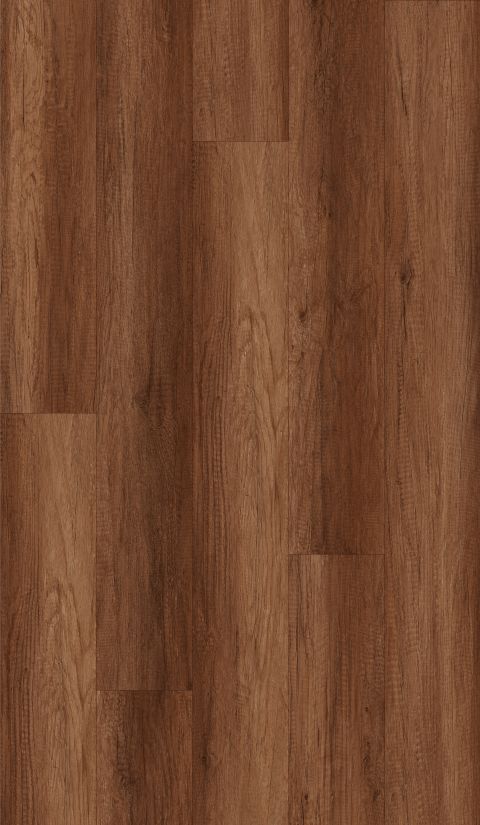

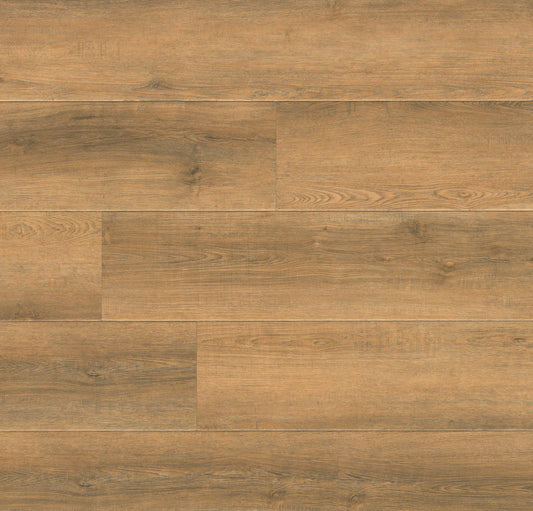
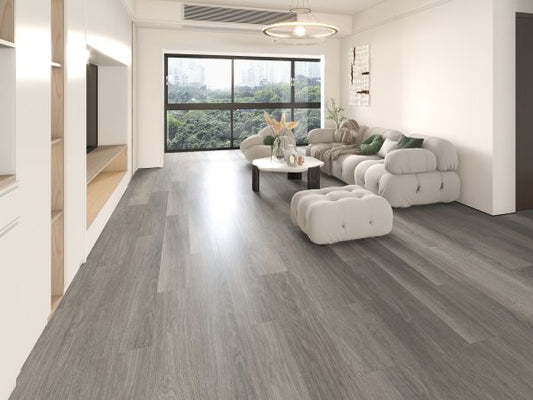
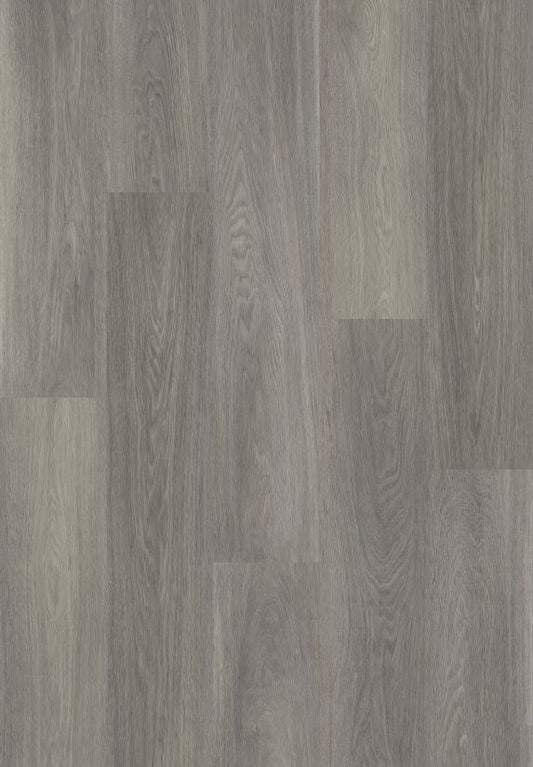
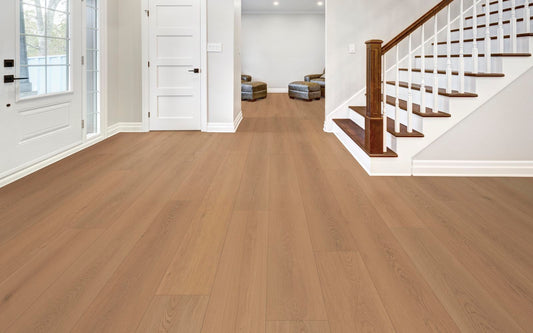
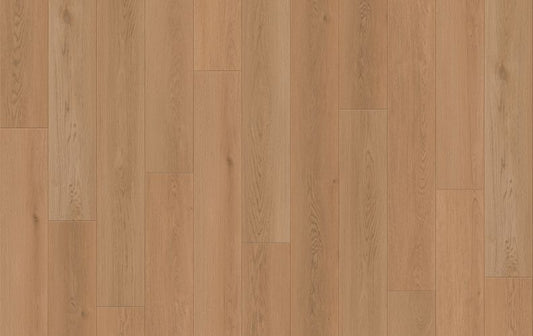
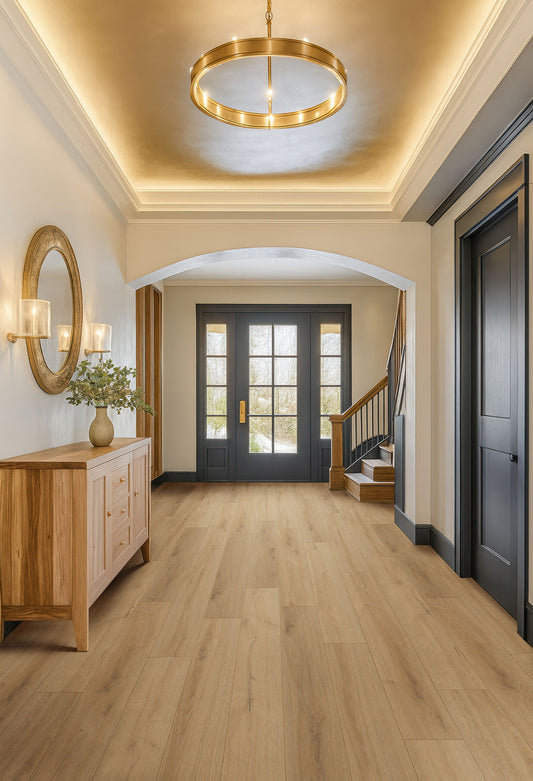
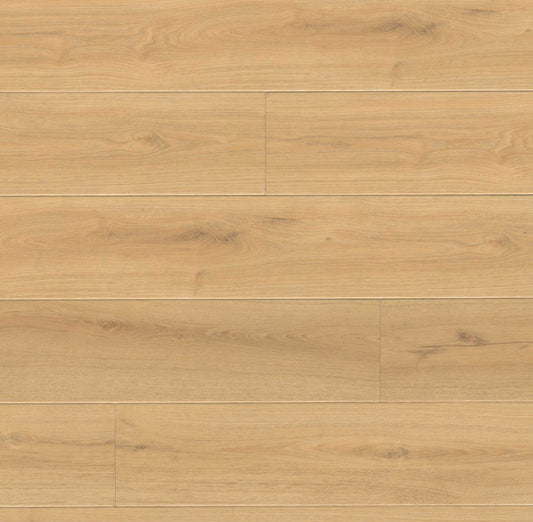
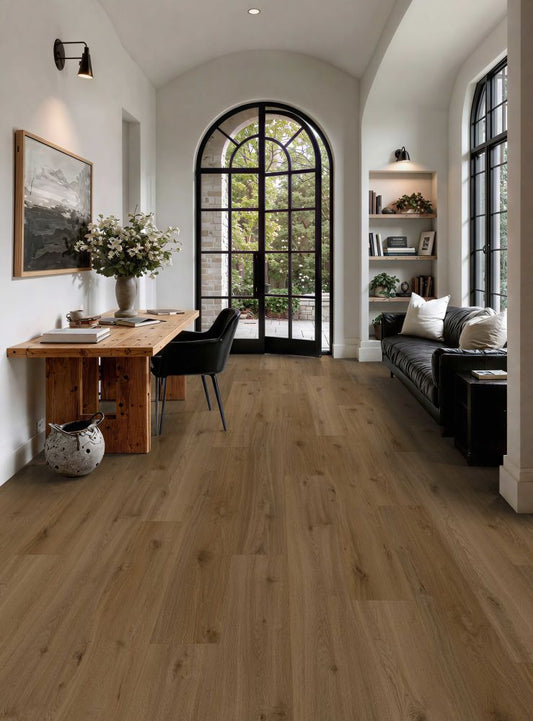
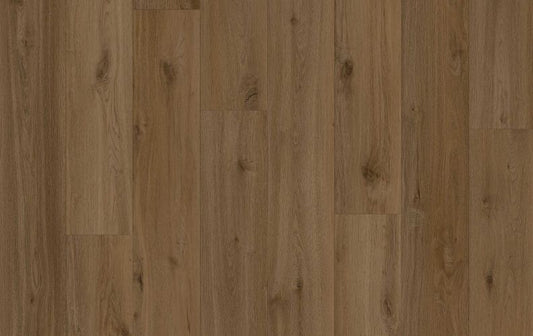

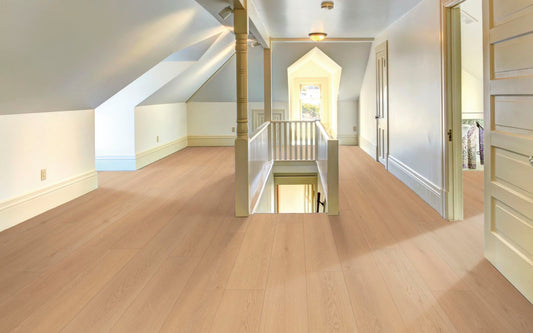
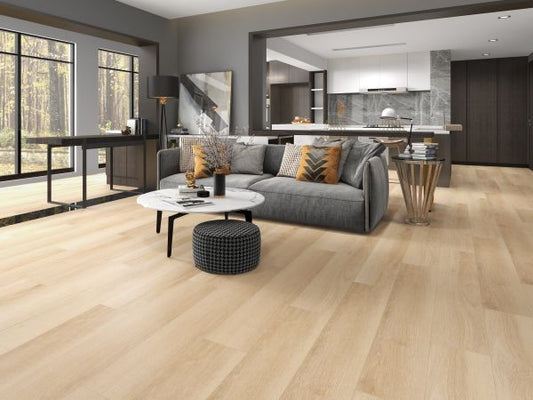
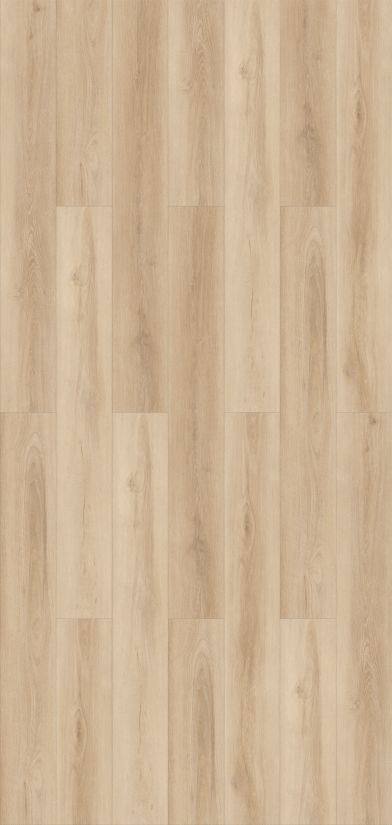

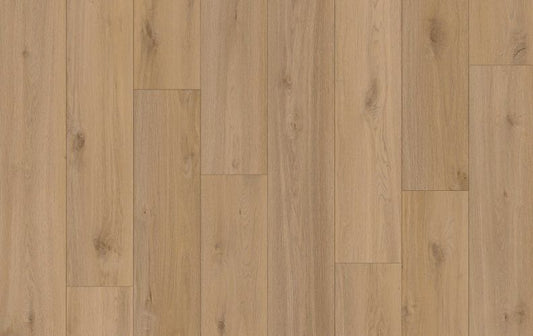

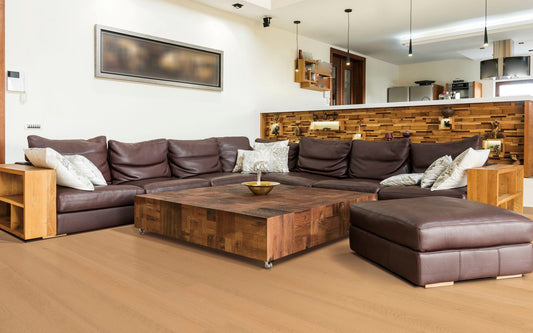

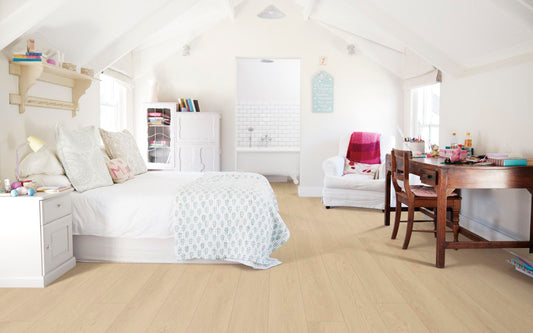
WPC Flooring with Attached Pad
WPC flooring with attached pad combines waterproof wood plastic composite plank construction with a factory-applied backing layer. The integrated pad may support underfoot comfort, sound control, plank protection, or installation convenience, depending on the material and complete flooring system.
Attached backing should not automatically be treated as a replacement for every moisture barrier, acoustic assembly, or substrate requirement. The manufacturer’s installation instructions determine whether any additional material is required or permitted.
What Is Attached-Pad WPC Flooring?
A qualifying plank may include:
- Protective surface treatment
- Transparent wear layer
- Printed wood visual
- WPC composite core
- Stabilizing construction
- Factory-attached pad
- Click-lock profile
The pad is bonded to the bottom of each plank before packaging rather than rolled separately across the subfloor.
Common Attached-Pad Materials
WPC flooring may use attached materials such as:
- EVA foam
- IXPE foam
- Other manufacturer-specified resilient pads
- Specialized acoustic backing systems
- Cork on selected products
Pad composition, thickness, density, moisture behavior, and acoustic testing can vary substantially.
EVA and IXPE pads are commonly selected for their resilient construction, moisture resistance, consistency, and compatibility with modern floating floors. However, performance should be judged using the manufacturer’s complete published specifications rather than material name alone.
Benefits of WPC with an Attached Pad
Depending on the product, an integrated pad may provide:
- Additional underfoot comfort
- Reduced contact sound
- Protection between the core and substrate
- Streamlined material handling
- Consistent backing coverage
- Simplified floating-floor assembly
- Waterproof plank materials
- A more substantial total profile
- Compatibility with approved residential rooms
- Fewer separately purchased components
The attached pad does not correct major subfloor defects.
Can Additional Underlayment Be Installed?
Do not assume that more padding is better. Many attached-pad floors prohibit additional underlayment because excessive movement or compression can place stress on the locking system.
Extra material may:
- Increase vertical movement
- Reduce joint support
- Affect locking performance
- Change finished-floor height
- Create an unapproved installation
- Interfere with radiant-heat performance
- Affect product coverage
Only use separate underlayment when it is specifically permitted.
Attached Pad Versus Moisture Barrier
An attached pad and a moisture or vapor barrier perform different functions. Even waterproof WPC with backing may require separate vapor protection over concrete.
Requirements may depend on:
- Substrate type
- Concrete moisture conditions
- Installation level
- Local climate
- Building construction
- Product instructions
- Manufacturer-approved barrier specifications
Concrete should still be tested and prepared as directed.
Does Attached Pad Make WPC Quieter?
An attached pad may reduce certain types of sound, but “quiet” is not one universal measurement.
Acoustic performance can involve:
- Sound heard within the room
- Footfall heard below the room
- Complete floor-and-ceiling construction
- Plank thickness
- Pad density
- Subfloor material
- Installation quality
- Published IIC or STC testing
Condominiums and apartments may have specific acoustic requirements that must be satisfied by documented testing.
Total Thickness and Pad Thickness
When comparing attached-pad WPC, determine whether the advertised total thickness includes the backing.
For example, a product promoted as 10mm may consist of:
- Flooring structure plus attached pad totaling 10mm
- A 10mm plank with additional backing
- Another manufacturer-specific construction
Never calculate finished-floor height using assumptions.
Subfloor Preparation
Attached padding does not eliminate the need for a clean, flat, structurally sound substrate.
Before installation:
- Remove debris
- Secure loose areas
- Fill qualifying low spots
- Correct high areas
- Test moisture where required
- Repair active leaks
- Confirm substrate compatibility
- Follow vapor-barrier instructions
The floor’s locking joints need consistent support.
Frequently Asked Questions
What is WPC flooring with attached pad?
It is WPC flooring with a factory-bonded backing layer beneath each plank.
Does attached pad mean I do not need underlayment?
Often, separate underlayment is unnecessary or prohibited. Follow the exact product instructions.
Is an attached pad the same as a vapor barrier?
No. Concrete installations may still require an approved vapor barrier even when the flooring has attached backing.
Which attached pad is better, EVA or IXPE?
Both can provide resilient, moisture-resistant backing. Density, thickness, acoustic testing, and compatibility with the flooring system should also be compared.
Does attached pad make flooring waterproof?
The plank’s waterproof classification comes from its complete construction. Attached backing does not waterproof the room or substrate.
Can attached padding hide an uneven subfloor?
No. The substrate must still meet the manufacturer’s flatness and structural requirements.
Explore related flooring
Browse related flooring collections, brands and styles before making your final choice.