
Collection: WPC Flooring for South Carolina Homes
Discover WPC flooring for South Carolina homes when comfort and easy everyday cleanup matter. Compare waterproof wood-look planks for living rooms, bedrooms and connected kitchens. Explore wear layers, thicknesses, board sizes and backing to find the feel and appearance that suit your space.
-
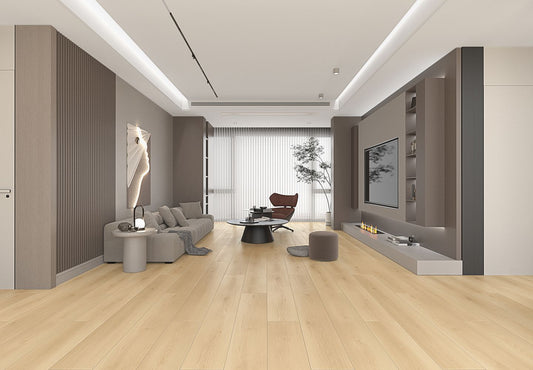
Canyon Coast - Wilderness Whispers | 20mil 10mm 9x72 WPC Vinyl Plank | Lions Floor
Vendor:Lions Floor$5.14 / sq. ft. $159.40 per carton · 30.99 sq. ft. / carton10.0mm20mil9x72 -
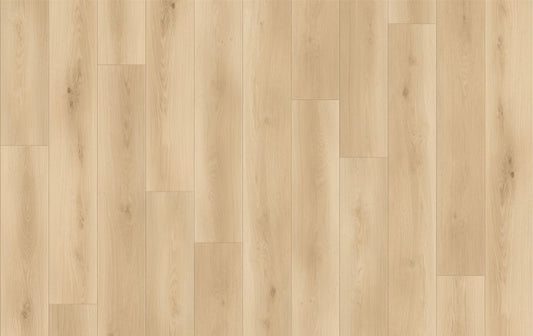
Canyon Coast - Summit Shoreline | 20mil 10mm 9x72 WPC Vinyl Plank | Lions Floor
Vendor:Lions Floor$5.14 / sq. ft. $159.40 per carton · 30.99 sq. ft. / carton10.0mm20mil9x72 -
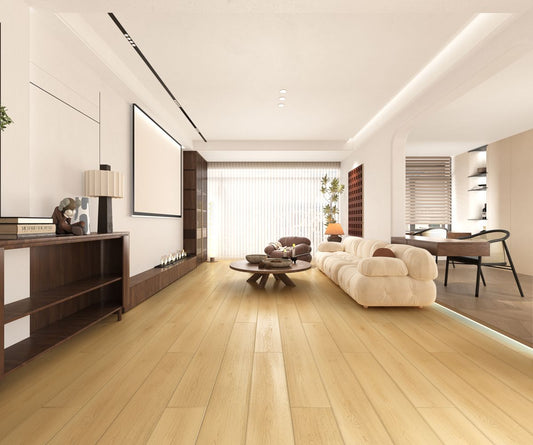
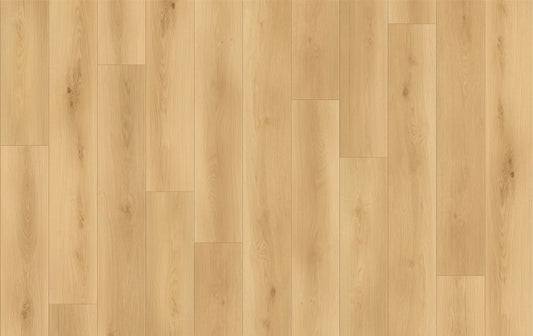
Canyon Coast - Everlasting Peaks | 20mil 10mm 9x72 WPC Vinyl Plank | Lions Floor
Vendor:Lions Floor$5.14 / sq. ft. $159.40 per carton · 30.99 sq. ft. / carton10.0mm20mil9x72
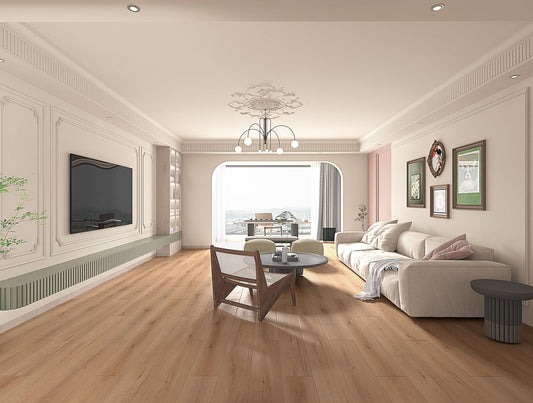
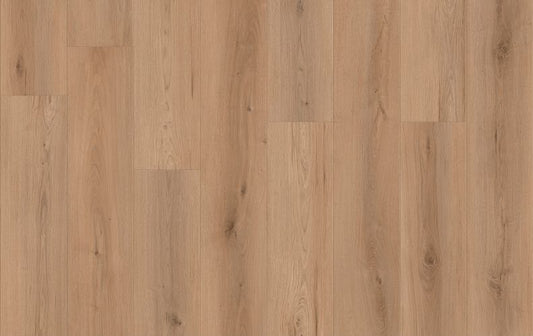
WPC Flooring for South Carolina Homes
WPC flooring offers waterproof composite-core planks with wood-inspired styling and a generally more forgiving underfoot feel than dense SPC. It is a useful category for South Carolina homeowners comparing floors for relaxed living areas, bedrooms and connected kitchen spaces.
Comfort should be evaluated alongside construction. Check the wear layer, total profile, backing, plank size and installation instructions. The floor should suit both the room's daily use and the conditions maintained inside the home.
Where WPC Can Fit in a Home
Living rooms and bedrooms often put feel and appearance at the center of the decision. WPC can provide a consistent wood-look foundation while offering waterproof plank materials for ordinary household spills.
The exact product determines the permitted rooms and installation assembly. Backing, core design and the supporting floor all influence the installed experience.
Start with flooring choices for South Carolina homes if you are comparing materials. WPC is worth reviewing when a comfortable rigid-core feel matters alongside practical cleanup.
Comfort and the Complete Construction
WPC's composite core typically feels more forgiving than dense SPC. Overall thickness contributes to the product profile, but it does not independently explain cushioning, sound or quality.
Our thick WPC flooring collection helps you compare substantial profiles. Check whether the stated thickness includes attached backing and review the core separately.
A thicker floor also affects doors, transitions and appliance clearance. Measure the finished height before ordering so the flooring works with the room's existing fixtures.
Selecting a Wear Layer for the Household
Wear-layer thickness describes the protective surface above the decorative design. It is commonly stated in mil and should be considered separately from overall plank thickness in millimeters.
Compare 22 mil WPC flooring when reviewing one surface specification. The coating, texture, use classification and care requirements are also part of the decision.
A substantial wear layer is not a scratch-proof claim. Pets, furniture and tracked grit still call for suitable protection and regular debris removal.
Living Rooms and Quiet Visual Design
The floor sets the foundation for larger furniture and changing decorative choices. A balanced wood look can relate to upholstery, painted walls and natural materials without needing to match every piece exactly.
Explore WPC flooring for living rooms when reviewing that application. Consider how much grain and tonal variation you want across the room.
Wide or long boards can create fewer visible divisions in an open space. Smaller formats offer a different rhythm. Choose dimensions that fit the room and the layout rather than selecting size in isolation.
Kitchens That Connect With Family Spaces
Waterproof WPC can be practical where a living area connects to the kitchen. It allows one wood-look style to move between the rooms when the product and installation rules permit that layout.
The material does not waterproof the entire kitchen. Clean spills promptly and address leaks around sinks and appliances. The substrate and perimeter remain relevant to moisture management.
Review instructions around fixed cabinets and islands. A floating floor needs its specified movement space, and the appliance clearance should be checked against the installed profile.
Indoor Humidity and South Carolina Homes
Select WPC according to the actual indoor environment. Temperature and humidity limits still apply, even when the plank materials are classified waterproof.
Consider how the home is conditioned during everyday use and when it is unoccupied. Seasonal properties and enclosed porches need a specific compatibility check rather than a general assumption about vinyl.
Subfloor moisture is separate from the air in the room. Dampness below the floor or an active leak should be resolved before the finish flooring is installed.
Concrete and Raised Wood Subfloors
WPC requires a clean, flat and structurally sound substrate. Its more forgiving feel does not mean it can be installed over unsupported or excessively uneven areas.
Concrete installations need moisture testing and the specified vapor protection. Wood subfloors need assessment for condition, movement and moisture, including any problems originating beneath the room.
Attached backing does not automatically replace a vapor retarder. Additional padding should be used only if the exact product allows it, because support beneath the joints matters.
Upstairs Comfort and Sound Requirements
For an upstairs room, the installed floor assembly determines sound behavior. Backing is one component, but the subfloor and ceiling arrangement also influence the result.
Compare WPC flooring for upstairs rooms if bedrooms or upper-level living areas are the project priority. Check any building requirements for tested acoustic performance.
Do not assume a product described as quiet meets a specific sound rating. Use the relevant test information and the permitted assembly when the building has a defined requirement.
Choosing Color and Texture in the Actual Room
Samples should be viewed flat near the cabinets, walls and furniture. A neutral wood look can appear warmer under evening lamps and cooler in daylight.
Review several boards where possible so you can see the design's variation. Grain movement that looks subtle in a sample may be more noticeable across a larger installation.
If you want a firmer alternative, compare SPC flooring for South Carolina homes. Samples can help you compare feel and styling alongside the different core constructions.
Looking After a WPC Floor
Keep grit under control with suitable mats and routine hard-floor cleaning. Protect furniture contact points and remove spills promptly. Use the cleaning products and methods approved for the selected surface.
Before installation, plan expansion spacing, transitions and the allowed dimensions of a continuous layout. Measure carefully and allow additional material for cuts and the chosen pattern.
The right WPC floor combines a suitable feel, coordinated design and an approved installation. Those details help it work with the household's routine across the rooms you are updating.
Frequently Asked Questions
Is WPC flooring suitable for South Carolina homes?
It can suit approved interiors when the home's conditions and installation meet the requirements of the exact product.
Does WPC feel softer than SPC?
WPC generally feels more forgiving than dense SPC. The backing and supporting floor assembly also influence the installed feel.
Is WPC flooring waterproof?
Qualifying products have waterproof plank materials. That classification does not make the complete room or substrate waterproof.
Can WPC be used in an upstairs bedroom?
Selected products may suit that application. Check installation approval and any building acoustic requirements.
Does a thicker WPC floor need less subfloor preparation?
No. The substrate must meet the specified flatness, structural and moisture requirements regardless of plank thickness.
Is WPC suitable for a home left unoccupied seasonally?
Only if the exact product permits the conditions maintained throughout the year. Check temperature and humidity limits before choosing.
Explore related flooring
Browse related flooring collections, brands and styles before making your final choice.