
Collection: Laminate Flooring for Basements
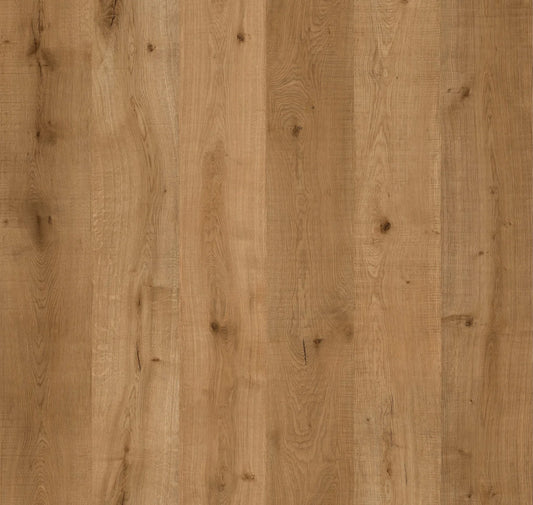
Shop laminate flooring for basements with modern wood visuals and products approved for installation over prepared concrete. Compare moisture classifications, AC ratings, thicknesses, plank sizes, attached pads, textures, and vapor-control requirements.
-
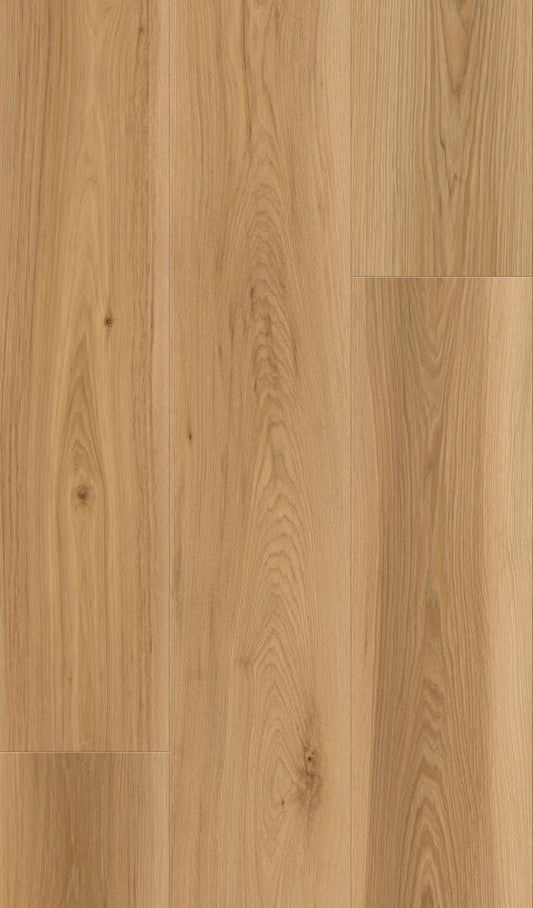
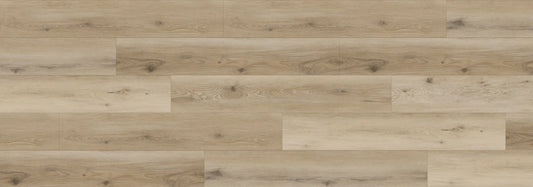
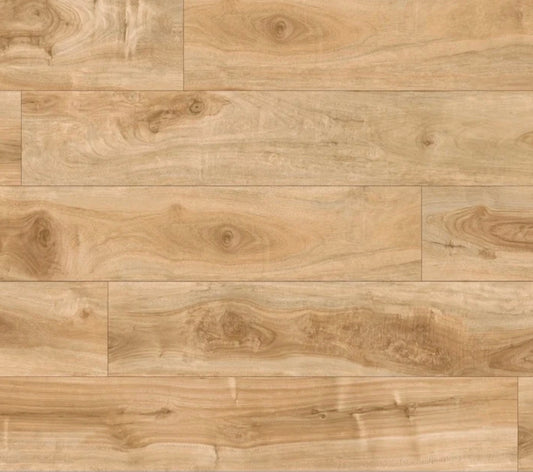
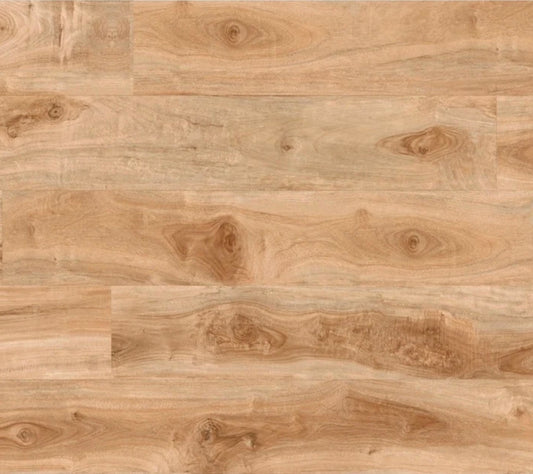
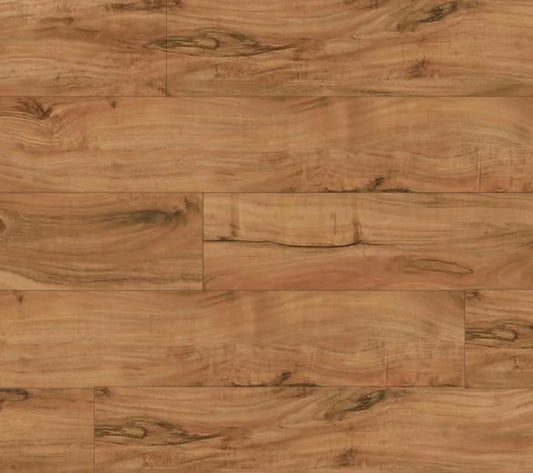
Oak Plains - Rose Apple | AC4 10mm 9x60 Waterproof Laminate | Republic Floor
Vendor:Republic FloorsRegular price From $0.00 USDRegular priceUnit price $3.79/ft² -
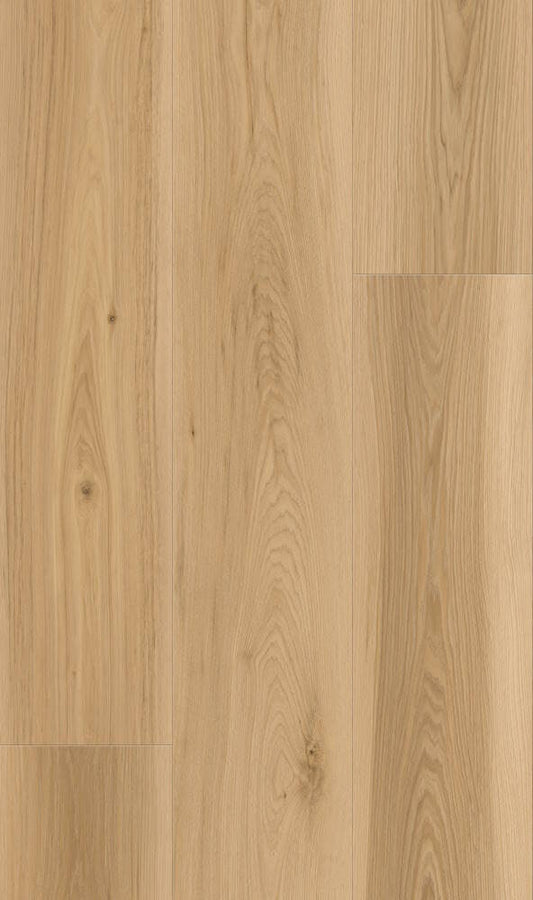
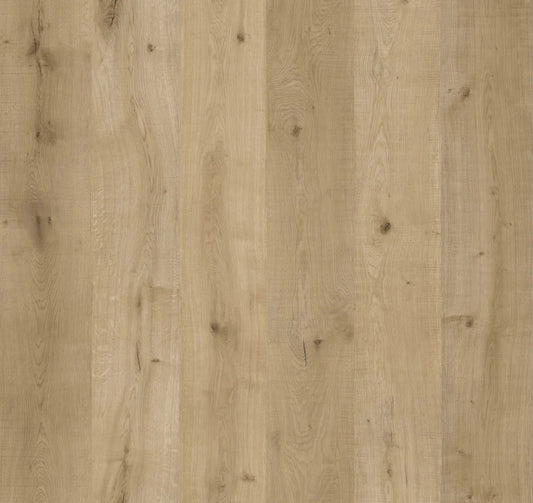
Oak Plains - Blackboard Tree | AC4 10mm 9x60 Waterproof Laminate | Republic Floor
Vendor:Republic FloorsRegular price From $0.00 USDRegular priceUnit price $3.79/ft² -
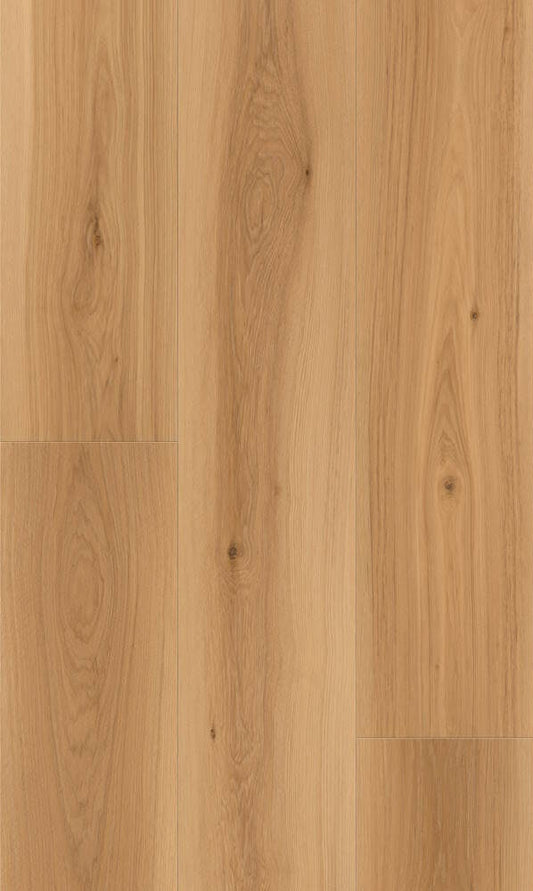
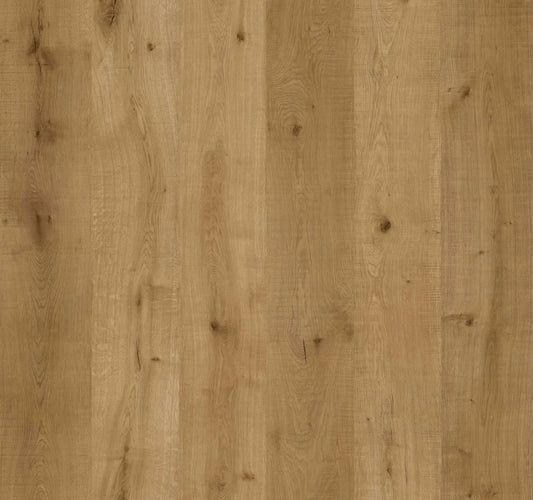
Oak Plains - Tree Of Heaven | AC4 10mm 9x60 Waterproof Laminate | Republic Floor
Vendor:Republic FloorsRegular price From $0.00 USDRegular priceUnit price $3.79/ft² -
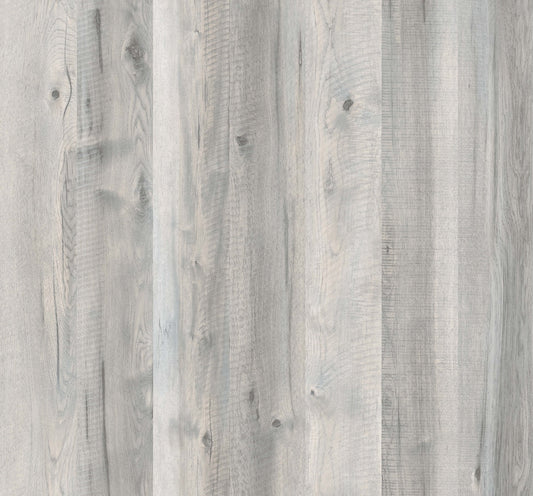
Atlus - Aura | AC5 10mm 9.4x72” Laminate | SLCC
Vendor:SLCC FlooringRegular price From $0.00 USDRegular priceUnit price $3.49/ft² -
Atlus - Altevia | AC5 10mm 9.4x72” Laminate | SLCC
Vendor:SLCC FlooringRegular price From $0.00 USDRegular priceUnit price $3.49/ft² -
Atlus - Altero | AC5 10mm 9.4x72” Laminate | SLCC
Vendor:SLCC FlooringRegular price From $0.00 USDRegular priceUnit price $3.49/ft² -
Atlus - Alevo | AC5 10mm 9.4x72” Laminate | SLCC
Vendor:SLCC FlooringRegular price From $0.00 USDRegular priceUnit price $3.49/ft² -
Malta Islands - Cooper Dune | AC4 12.3mm 7.75x48 Waterproof Laminate | Republic Floor
Vendor:Republic FloorsRegular price From $0.00 USDRegular priceUnit price $3.95/ft² -
Malta Islands - Opal Cream | AC4 12.3mm 7.75x48 Waterproof Laminate | Republic Floor
Vendor:Republic FloorsRegular price From $0.00 USDRegular priceUnit price $3.95/ft² -
Malta Islands - Fusion Beige | AC4 12.3mm 7.75x48 Waterproof Laminate | Republic Floor
Vendor:Republic FloorsRegular price From $0.00 USDRegular priceUnit price $3.95/ft² -
Malta Islands - Coastal Ivory | AC4 12.3mm 7.75x48 Waterproof Laminate | Republic Floor
Vendor:Republic FloorsRegular price From $0.00 USDRegular priceUnit price $3.95/ft² -
Malta Islands - Amazon Gold | AC4 12.3mm 7.75x48 Waterproof Laminate | Republic Floor
Vendor:Republic FloorsRegular price From $0.00 USDRegular priceUnit price $3.95/ft² -
Malta Islands - Colorado Gold | AC4 12.3mm 7.75x48 Waterproof Laminate | Republic Floor
Vendor:Republic FloorsRegular price From $0.00 USDRegular priceUnit price $3.95/ft² -
Platinum - Rustic Apple | AC4 12.3mm 5.5x48 Laminate | Republic Floors
Vendor:Republic FloorsRegular price From $0.00 USDRegular priceUnit price $3.29/ft² -
Platinum - Golden Apple | AC4 12.3mm 5.5x48 Laminate | Republic Floors
Vendor:Republic FloorsRegular price From $0.00 USDRegular priceUnit price $3.29/ft² -
Platinum - Natural Acacia | AC4 12.3mm 5.5x48 Laminate | Republic Floors
Vendor:Republic FloorsRegular price From $0.00 USDRegular priceUnit price $3.29/ft²
















Laminate Flooring for Basements
Selected laminate flooring can create a warm, realistic wood-look surface in a finished basement when the product is approved for the installation level and the concrete has been properly tested and prepared.
Basements present different moisture conditions from above-grade living spaces. Even when the room appears dry, the slab may release moisture vapor, and the surrounding walls may be affected by exterior ground conditions.
Modern Basement Laminate Is Not 1990s Laminate
Older laminate was particularly vulnerable when water entered its exposed seams and wood-fiber core. This contributed to swelling, raised edges, and a lasting reputation that laminate should never be used around moisture.
Modern laminate may now include:
- Denser moisture-treated cores
- Protected plank edges
- Waxed locking joints
- Hydrophobic surface treatments
- Waterproof or water-resistant classifications
- Improved click-lock systems
- Pressed bevels
- AC4 or AC5 surfaces
- Attached underlayment
- High-resolution wood imagery
- EIR texture
- Published topical-water testing
These developments have expanded the possible applications for selected laminate products. They do not make every laminate suitable for every basement.
Confirming Basement Approval
A product should qualify only when its documentation supports the proposed basement installation.
Verify:
- Above-, on-, or below-grade approval
- Concrete compatibility
- Moisture-test requirements
- Vapor-retarder requirements
- Approved underlayment
- Waterproof or water-resistant classification
- Room restrictions
- Perimeter instructions
- Environmental requirements
- Installation method
Do not assume that waterproof surface protection automatically means below-grade approval.
What Does Below Grade Mean?
Below grade generally describes a floor located partly or entirely beneath the surrounding exterior ground level.
Below-grade rooms may face:
- Concrete moisture vapor
- Groundwater pressure
- Foundation seepage
- Higher indoor humidity
- Plumbing risks
- Sump-pump failures
- Drain backups
- Condensation
These conditions should be addressed before cosmetic flooring is selected.
Concrete Moisture Testing
Concrete may release moisture even when it looks and feels dry.
Testing should follow the laminate and underlayment manufacturer’s requirements. Evaluation may involve:
- In-situ relative-humidity testing
- Manufacturer-approved moisture testing
- Surface-condition assessment
- Crack evaluation
- Environmental documentation
- Professional moisture inspection
A simple surface reading may not provide all the information needed.
Vapor Protection
Most floating laminate installations over concrete require an approved vapor-control system.
Depending on the product, this may include:
- Separate polyethylene vapor retarder
- Combination underlayment and vapor barrier
- Attached pad plus separate vapor layer
- Sealed underlayment seams
- Manufacturer-specific moisture system
Attached backing does not always provide a concrete vapor barrier. Check the exact instructions.
Waterproof Versus Water-Resistant Laminate
Waterproof laminate may provide a stated period of topical-water protection. Water-resistant laminate may tolerate more limited household spills.
Neither classification automatically protects against:
- Flooding
- Groundwater
- Sewer backups
- Water trapped beneath the floor
- Excessive slab moisture
- Foundation leaks
- Long-term uncontrolled humidity
Basement water problems should be corrected at their source.
Laminate Versus Vinyl in Basements
Laminate and vinyl can both provide wood-look basement floors.
Laminate may offer:
- Detailed EIR texture
- Firm underfoot feel
- Strong abrasion performance
- Realistic pressed bevels
- Long and wide planks
- Modern hardwood-inspired imagery
Vinyl may offer:
- Polymer or mineral-based core construction
- Different water behavior
- Lower-profile options
- Greater tolerance for certain basement risks
- Different sound and comfort characteristics
A basement with recurring flooding may be unsuitable for laminate even if the individual product has topical-water protection.
Subfloor Flatness
Floating laminate needs a flat substrate so the locking joints remain supported.
Uneven concrete may create:
- Clicking sounds
- Vertical movement
- Joint separation
- Edge stress
- Excessive deflection
- Locking-system failure
High areas may require mechanical correction, while low areas may require compatible patching or leveling materials.
Cracks and Movement
Concrete cracks should be assessed before installation.
Determine whether cracks are:
- Stable
- Moving
- Structural
- Moisture related
- Suitable for repair
- Connected to foundation problems
Laminate should not be expected to bridge significant structural movement.
Basement Humidity
Maintain the manufacturer’s approved temperature and relative-humidity range.
Basements may require:
- Dehumidification
- Operating HVAC
- Improved ventilation
- Drainage correction
- Insulation
- Sealing of exterior moisture sources
Environmental control should continue throughout the floor’s service life.
Utility and Plumbing Risks
Consider the position of:
- Water heaters
- Washing machines
- Utility sinks
- Sump pumps
- Floor drains
- Bathrooms
- HVAC equipment
- Plumbing lines
- Exterior basement doors
Leak detectors and appliance pans may reduce risk, but they do not make the floor floodproof.
Attached Pad and Comfort
Attached backing may improve walking comfort and sound, but the complete system should be approved for concrete.
Verify:
- Vapor-barrier requirements
- Pad thickness
- Compression limits
- Acoustic performance
- Compatibility with radiant heating
- Whether additional underlayment is permitted
Installation
Most basement laminate uses floating click-lock installation.
Follow requirements for:
- Vapor protection
- Expansion space
- End-joint staggering
- Transition placement
- Maximum room dimensions
- Perimeter clearance
- Fixed fixtures
- Doorway treatment
- Underlayment seams
- Product acclimation
Cleaning and Maintenance
Routine care may include:
- Vacuuming grit
- Using laminate-approved cleaner
- Wiping spills promptly
- Avoiding uncontrolled wet mopping
- Avoiding steam unless approved
- Maintaining humidity
- Monitoring for moisture symptoms
- Protecting furniture feet
- Using entry mats
- Retaining spare planks
Frequently Asked Questions
Can laminate be installed in a basement?
Selected laminate can when approved for the grade level and installed over properly tested and prepared concrete.
Does waterproof laminate solve basement moisture?
No. Topical-water protection does not correct slab moisture, groundwater, leaks, or flooding.
Does concrete need a vapor barrier?
Many laminate systems require one. Follow the exact product instructions.
Is attached pad enough over concrete?
Not always. A separate vapor retarder may still be required.
Is modern laminate different from older laminate?
Yes. Current products may include dense treated cores, protected joints, realistic surfaces, and significantly stronger moisture technology.
Can laminate be used below grade?
Only products with suitable published grade-level approval should be installed below grade.
Is laminate better than vinyl in a basement?
Neither is universally better. The answer depends on moisture risk, product approval, desired feel, and subfloor conditions.
What should buyers compare?
Compare grade-level approval, concrete compatibility, moisture classification, vapor requirements, AC rating, thickness, pad, joints, and installation instructions.
Explore related flooring
Browse related flooring collections, brands and styles before making your final choice.