
Collection: Flooring for Daycare Centers
Compare flooring for daycare centers selected for durable commercial use, practical cleaning, comfortable design, and age-appropriate learning environments. Explore qualifying commercial LVT, waterproof vinyl, and carpet tile for classrooms, play areas, corridors, offices, and staff spaces.
-
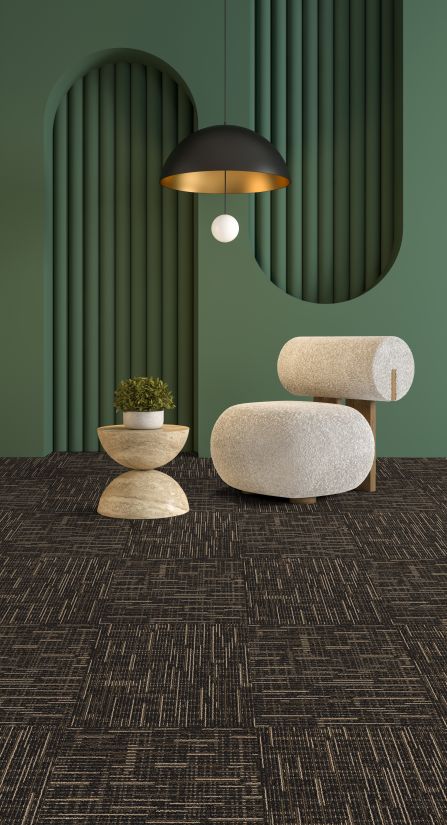
West Point Carpet Tile Brown– 20” x 20” – Commercial Grade
Vendor:United Weavers$2.79 / sq. ft. $150.40 per carton · 53.82 sq. ft. / carton6.0mm20x20Sale -
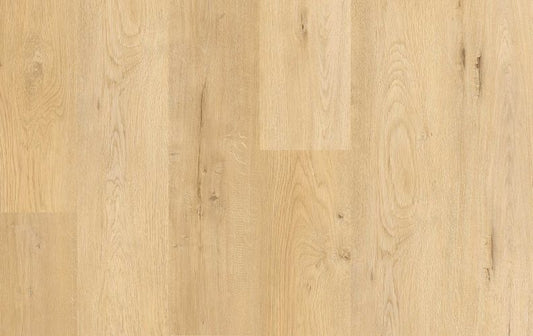
Active Spaces - Reno | 20 mil 2.5mm 7.25x48 Glue Down LVP | Aperion
Vendor:Aperion$2.28 / sq. ft. $110.00 per carton · 48.34 sq. ft. / carton2.5mm20mil7x48 -
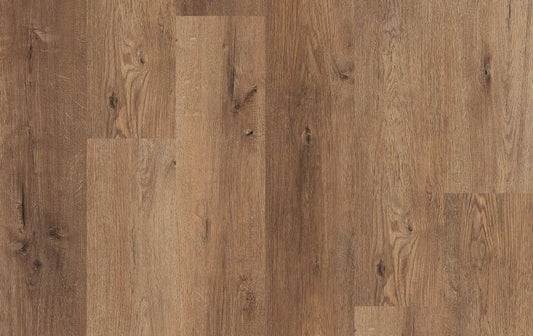
Active Spaces - Riviera Beach | 20 mil 2.5mm 7.25x48 Glue Down LVP | Aperion
Vendor:Aperion$2.28 / sq. ft. $110.00 per carton · 48.34 sq. ft. / carton2.5mm20mil7x48 -
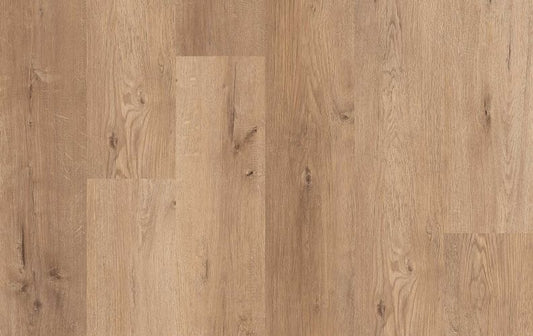
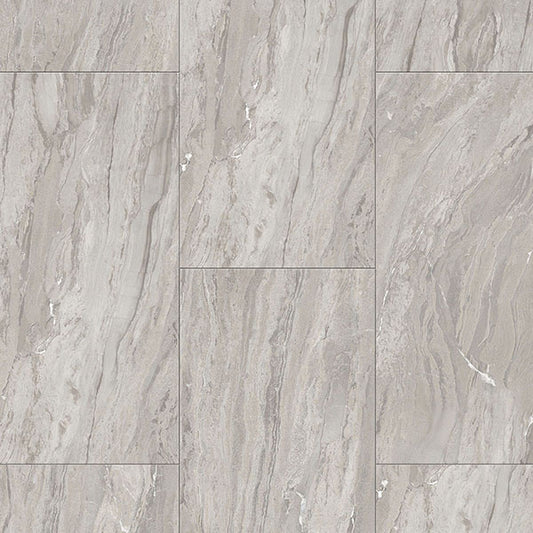
Rockwell Bradford 30mil 3mm 12x24 Tile Look LVT | Infinity Floors
Vendor:Infinity Floor$2.13 / sq. ft. $64.00 per carton · 30.03 sq. ft. / carton3.0mm30mil12x24 -
Formalay - Contour Flex | 20mil 5mm 9x60 Looselay LVP | Lions Floor
Vendor:Lions Floor$3.29 / sq. ft. $74.00 per carton · 22.5 sq. ft. / carton5.0mm20mil9x60 -
Formalay - StrataView | 20mil 5mm 9x60 Looselay LVP | Lions Floor
Vendor:Lions Floor$3.29 / sq. ft. $74.00 per carton · 22.5 sq. ft. / carton5.0mm20mil9x60 -
Formalay - Apex Form | 20mil 5mm 9x60 Looselay LVP | Lions Floor
Vendor:Lions Floor$3.29 / sq. ft. $74.00 per carton · 22.5 sq. ft. / carton5.0mm20mil9x60 -
Rockwell Hudson 30mil 3mm 12x24 Tile Look LVT | Infinity Floors
Vendor:Infinity Floor$2.13 / sq. ft. $64.00 per carton · 30.03 sq. ft. / carton3.0mm30mil12x24 -
Peckham Collection | Nunhead 20mil 2.5mm 7x48 LVP Glue Down EIR
Vendor:Monarch Floors$2.00 / sq. ft. $82.00 per carton · 41.094 sq. ft. / carton2.5mm20mil7x48 -
Rockwell Somerset 30mil 3mm 12x24 Tile Look LVT | Infinity Floors
Vendor:Infinity Floor$2.13 / sq. ft. $64.00 per carton · 30.03 sq. ft. / carton3.0mm30mil12x24 -
Forge Haze 4+1 Glue Down LVT 20mil 5mm 9x60 | Infinity Floors
Vendor:Infinity Floor$3.99 / sq. ft. $103.69 per carton · 25.99 sq. ft. / carton5.0mm20mil9x60 -
Active Spaces - Rochester | 20 mil 2.5mm 7.25x48 Glue Down LVP | Aperion
Vendor:Aperion$2.28 / sq. ft. $110.00 per carton · 48.34 sq. ft. / carton2.5mm20mil7x48 -
Active Spaces - Baltimore | 20 mil 2.5mm 7.25x48 Glue Down LVP | Aperion
Vendor:Aperion$2.28 / sq. ft. $110.00 per carton · 48.34 sq. ft. / carton2.5mm20mil7x48 -
Formalay - Linear Axis | 20mil 5mm 9x60 Looselay LVP | Lions Floor
Vendor:Lions Floor$3.29 / sq. ft. $74.00 per carton · 22.5 sq. ft. / carton5.0mm20mil9x60 -
Formalay - FrameLine | 20mil 5mm 9x60 Looselay LVP | Lions Floor
Vendor:Lions Floor$3.29 / sq. ft. $74.00 per carton · 22.5 sq. ft. / carton5.0mm20mil9x60 -
Formalay - Parallax Drift | 20mil 5mm 9x60 Looselay LVP | Lions Floor
Vendor:Lions Floor$3.29 / sq. ft. $74.00 per carton · 22.5 sq. ft. / carton5.0mm20mil9x60











Flooring for Daycare Centers
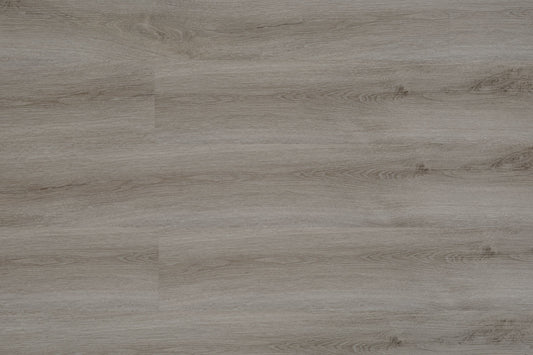
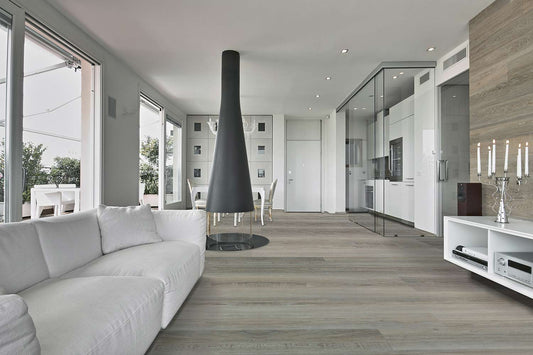
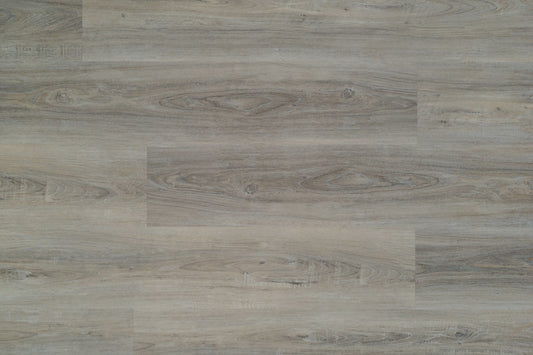
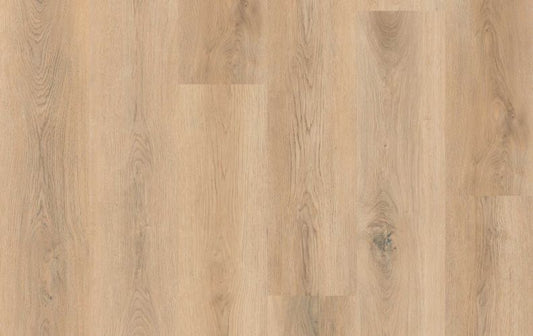
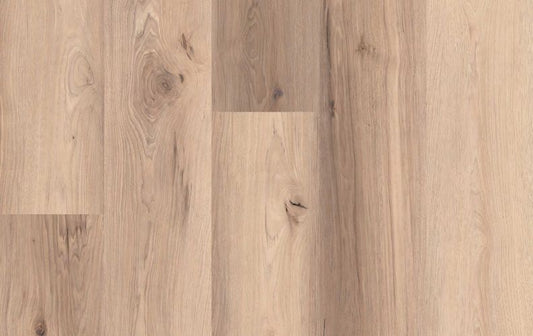
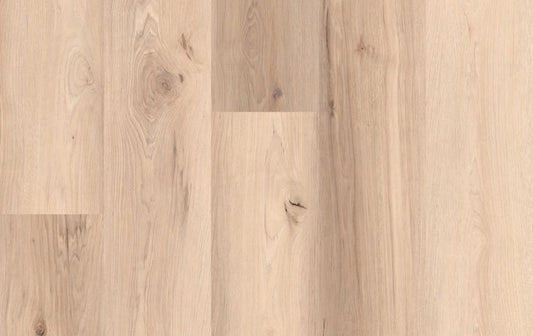
Flooring for daycare centers should create a welcoming, practical environment while supporting regular cleaning, daily foot traffic, active play, furniture movement, and the needs of different rooms. Classrooms, play areas, corridors, offices, and staff spaces may each benefit from a different flooring construction.
Commercial glue-down LVT, qualifying waterproof vinyl, and modular carpet tile can provide useful solutions when supported by manufacturer documentation and an applicable commercial warranty.
Compare broader performance products through commercial-grade vinyl flooring, or explore child-focused residential options through best flooring for playrooms.
What Makes Flooring Suitable for a Daycare?
A strong daycare-flooring specification may include:
- Documented commercial approval
- Durable wear protection
- Practical routine maintenance
- Moisture-appropriate construction
- Stable installation
- Low-gloss or matte finish
- Comfortable visual design
- Suitable transitions
- Repair flexibility
- Applicable commercial warranty
The selected floor should match the specific room and the facility’s operational requirements.
Commercial Glue-Down LVT
Glue-down LVT can be a strong choice for daycare corridors, classrooms, offices, reception spaces, and other approved areas.
Potential benefits include:
- Stable direct adhesion
- Low finished-floor height
- Durable commercial wear layers
- Easy-care surfaces
- Wood and stone visuals
- Individual-plank replacement potential
- Smooth room-to-room transitions
- Suitability for large continuous installations
- Commercial warranty options
Because the planks are adhered directly to the prepared substrate, the installed surface remains stable beneath regular foot traffic and movable furniture.
Browse available glue-down LVP.
Commercial Waterproof Vinyl
Commercial waterproof flooring can help manage ordinary spills and tracked-in moisture while providing a durable, attractive surface.
Potential benefits include:
- Waterproof plank construction
- Commercial wear-layer options
- Click-lock or glue-down installation
- Broad color selection
- Matte and textured surfaces
- Wood-inspired visuals
- Practical maintenance
- Commercial warranties where documented
Explore commercial-grade waterproof flooring.
Waterproof flooring supports practical spill management, while prompt cleanup helps keep the entire space safe and presentable.
Carpet Tile for Quiet Dry Spaces
Carpet tile may work well in approved dry spaces where acoustic comfort and a softer atmosphere are desired.
Potential applications include:
- Reading areas
- Offices
- Staff rooms
- Administrative spaces
- Selected classroom zones
- Quiet activity areas
Potential benefits include:
- Modular tile replacement
- Acoustic comfort
- Softer underfoot character
- Design flexibility
- Easy storage of replacement tiles
- Localized repair potential
Browse qualifying carpet tile.
Creating Comfortable Learning Environments
Flooring color can influence how calm, bright, and welcoming the daycare feels.
Useful design directions include:
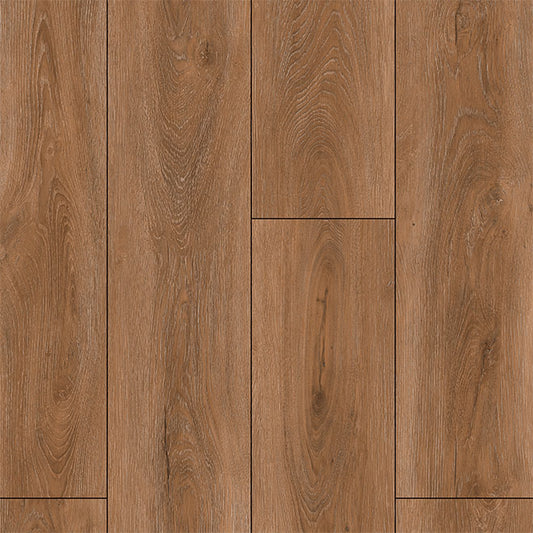
- Natural oak
- Warm beige
- Soft greige
- Medium brown
- Light neutral wood
- Muted blue or green carpet accents
- Soft stone-inspired neutrals
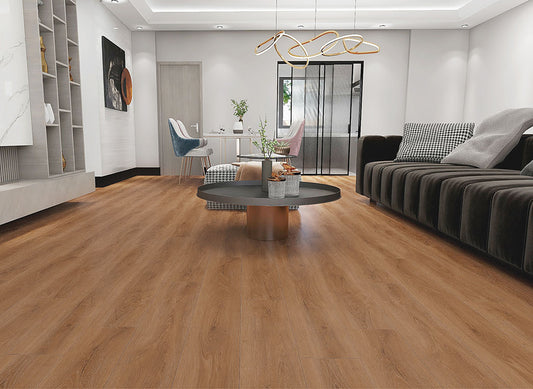
Natural wood looks can provide warmth without making the room visually busy. Light colors can help compact rooms feel more open, while medium tones can provide a grounded and forgiving appearance.
Flooring for Classrooms
Classrooms benefit from flooring that supports activity, furniture movement, cleaning, and a positive visual environment.
Consider:
- Commercial wear protection
- Practical maintenance
- Stable installation
- Low-gloss appearance
- Furniture protectors
- Suitable caster systems
- Repair-material availability
- Transition placement
- Acoustic goals
- Room-specific warranty approval
A wood-look floor can create a comfortable natural foundation that works with colorful furniture, learning materials, and wall displays.
Flooring for Corridors and Entrances
Daycare corridors and entrances experience concentrated traffic and tracked-in debris.
Useful flooring features include:
- Durable commercial surface
- Waterproof construction where appropriate
- Stable direct adhesion
- Low-gloss finish
- Medium-tone color
- Practical cleaning
- Compatible entrance matting
- Smooth transitions
Entrance mats can capture moisture and grit before they travel through the facility. Confirm that mat backing is compatible with the selected floor.
Easy-Clean Flooring for Activity Areas
Activity areas benefit from surfaces that can be maintained using a clear manufacturer-approved routine.
A practical maintenance plan may include:
- Frequent removal of loose debris
- Prompt spill cleanup
- Approved cleaning solution
- Suitable cleaning equipment
- Furniture protection
- Periodic detailed cleaning
- Replacement-material storage
- Staff maintenance responsibilities
The facility should independently confirm any sanitation, slip-resistance, accessibility, licensing, or regulatory requirements that apply to the daycare.
Low-Gloss and Matte Surfaces
Low-gloss flooring can help reduce glare beneath bright classroom lighting. It may also make footprints, smudges, and light dust less noticeable between cleaning sessions.
Benefits can include:
- Softer reflections
- Comfortable visual appearance
- Natural wood-like finish
- Reduced glare
- Better coordination with texture
- More forgiving everyday appearance
Samples should be viewed under the facility’s actual lighting before final selection.
Commercial Documentation
Every product included in this collection should have manufacturer documentation supporting its intended commercial application.
Review:
- Commercial warranty
- Approved environment
- Wear-layer specification
- Maintenance requirements
- Installation instructions
- Adhesive requirements
- Moisture-testing procedures
- Furniture guidance
- Excluded applications
- Replacement strategy
A written specification helps the owner, designer, contractor, and installer coordinate the complete project.
Frequently Asked Questions
What flooring is best for a daycare center?
Commercial glue-down LVT is often a strong option because it provides stable installation, durable surfaces, practical cleaning, and repair flexibility.
Is waterproof vinyl suitable for daycares?
Commercially approved waterproof vinyl can be suitable for many daycare areas when the exact product meets the facility’s requirements.
Can carpet tile be used in a daycare?
Commercial carpet tile may work well in approved dry spaces such as reading areas, offices, and selected quiet zones.
What colors work well in daycare centers?
Natural oak, warm beige, soft greige, light neutrals, and medium brown can create welcoming learning environments.
Should daycare flooring have a commercial warranty?
Yes. The selected product should have documented commercial approval and applicable warranty coverage.
Are matte floors helpful in classrooms?
Matte and low-gloss finishes can reduce glare and create a comfortable, natural appearance.
Should replacement flooring be retained?
Yes. Clearly labeled spare material can simplify localized repairs and maintain consistency.
Explore related flooring
Browse related flooring collections, brands and styles before making your final choice.