Carpet Tile for Churches
Commercial carpet tile may provide comfortable, modular flooring for sanctuaries, fellowship halls, classrooms, meeting rooms, offices, and other church interiors.
Church facilities often need flooring that can serve weekly worship, community events, children’s programs, meetings, celebrations, and daily administrative activity. The selected product should match the traffic and function of each space.
Why Churches Choose Carpet Tile
Depending on the qualifying product, carpet tile may offer:
- Soft, comfortable flooring
- Reduced footfall noise
- Modular replacement
- Flexible colors and patterns
- Commercial traffic performance
- Defined spaces within large rooms
- Easier localized repairs
- Professional appearance
The final installation must also account for backing, adhesive, subfloor condition, maintenance, chairs, and equipment.
Church Areas That May Suit Carpet Tile
Commercial carpet tile may be considered for:
- Sanctuaries
- Worship spaces
- Fellowship halls
- Church offices
- Meeting rooms
- Sunday school classrooms
- Counseling rooms
- Interior corridors
- Multipurpose rooms
- Children’s ministry areas
Separate evaluation may be necessary for kitchens, entrances, restrooms, stages, stairs, nurseries, and spaces exposed to frequent food or moisture.
Carpet Tile for Sanctuaries
Carpet tile can support a quiet, comfortable worship environment while allowing damaged modules to be replaced individually.
Consider:
- Footfall acoustics
- Chair or pew layout
- Main aisle traffic
- Stage transitions
- Color coordination
- Lighting
- Pattern direction
- Commercial warranty
- Accessibility requirements
Pews, chairs, staging equipment, and musical instruments may create concentrated loads that require additional review.
Carpet Tile for Fellowship Halls
Fellowship halls may host meals, meetings, celebrations, and children’s activities. If carpet tile is being considered, evaluate:
- Food and drink exposure
- Chair movement
- Table loads
- Stain resistance
- Cleaning frequency
- Replacement practicality
- Commercial warranty
- Manufacturer room approval
Another flooring category may be more appropriate when spills or wet cleaning are expected frequently.
Choosing Colors and Patterns
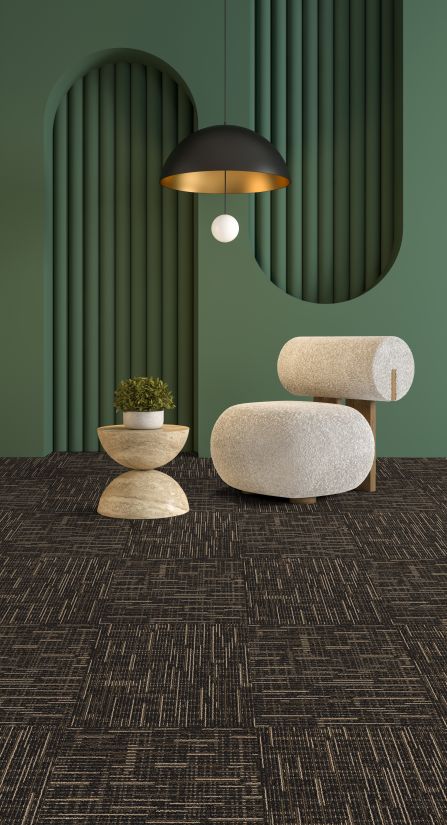
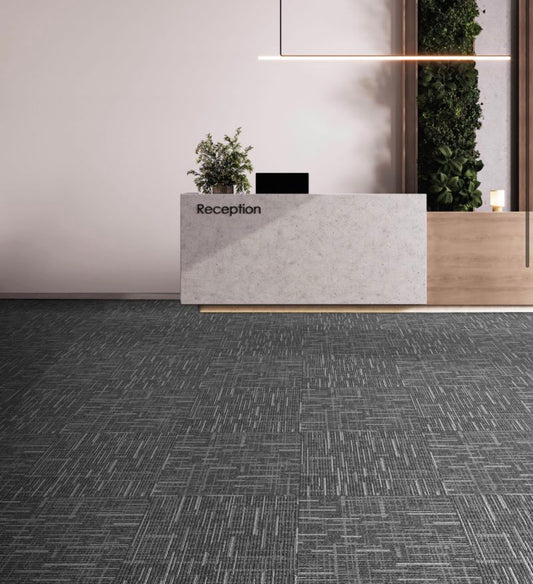
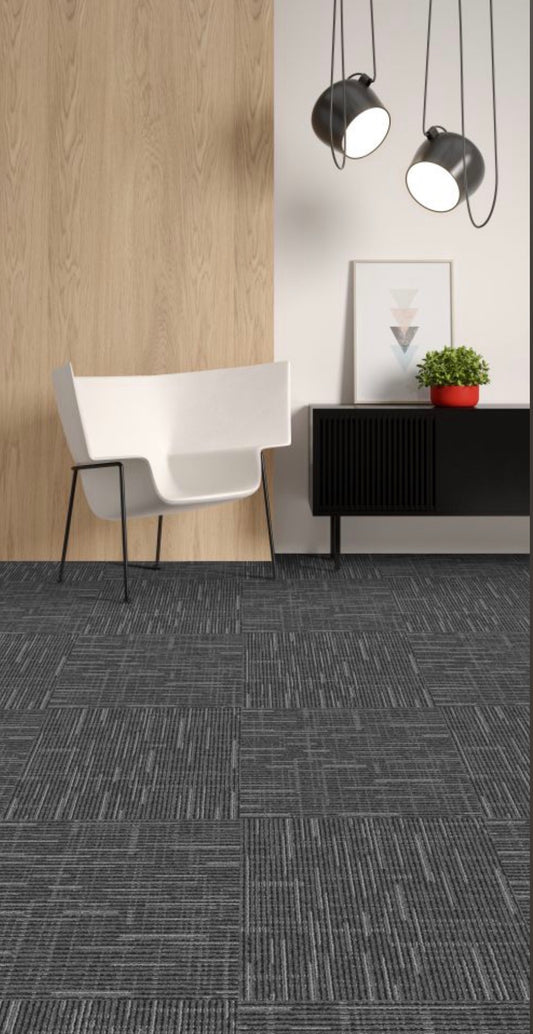
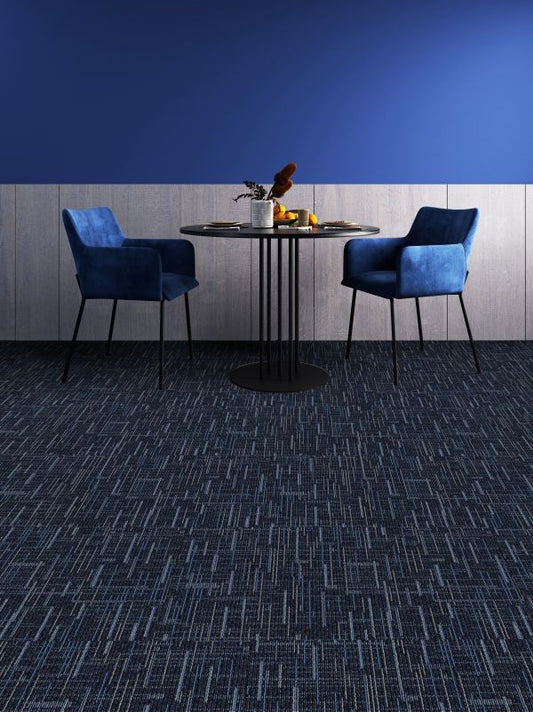
Neutral gray, brown, taupe, blue, and patterned carpet tiles may coordinate with traditional or contemporary worship interiors.
Patterned designs may help conceal:
- Minor soiling
- Traffic lanes
- Chair marks
- Color variation
- Everyday wear
Order samples and view them inside the building under both daylight and artificial lighting.
Maintenance and Replacement
A church maintenance plan may include:
- Regular vacuuming
- Entrance matting
- Prompt spot cleaning
- Manufacturer-approved cleaning
- Periodic deep cleaning
- Inspection beneath movable chairs
- Replacement of damaged tiles
- Storage of matching attic stock
Replacement tiles should be installed in the correct directional orientation.
Frequently Asked Questions
Is carpet tile suitable for church sanctuaries?
Yes, when the product carries suitable commercial approval and meets the sanctuary’s traffic, acoustic, and design needs.
Can carpet tile be used beneath church chairs?
Often it can, but chair feet, furniture glides, concentrated loads, and movement should be evaluated.
Is carpet tile suitable for fellowship halls?
It may be, although food, spills, cleaning, and frequent furniture movement should be considered carefully.
Can damaged church carpet tiles be replaced?
Individual replacement is often possible. Keep matching tiles from the original order.
Does carpet tile help reduce noise?
It may soften footfall and contribute to a quieter interior, but use published acoustic data for specific performance requirements.
How much extra carpet tile should be ordered?
The amount depends on layout and project complexity. Include installation waste and sufficient attic stock for future repairs.
Explore other flooring options in Vinyl Flooring for Churches, Commercial-Grade Vinyl Flooring, Glue Down LVP, and Commercial Flooring.