
Collection: Commercial Glue-Down LVT for Apartments
Shop commercial glue-down LVT for apartments with durable wear layers, low-profile construction, and manufacturer-supported multifamily applications. Compare qualifying vinyl flooring for apartment units, rental renovations, property management, student housing, and multifamily projects.
-
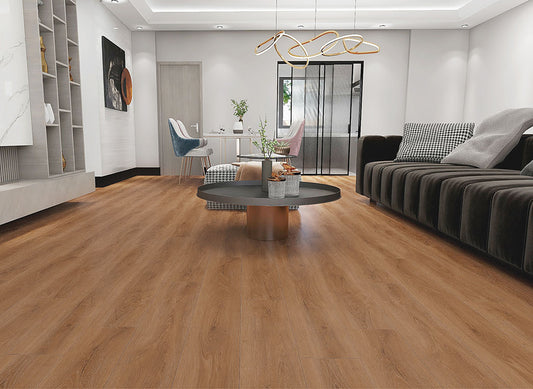
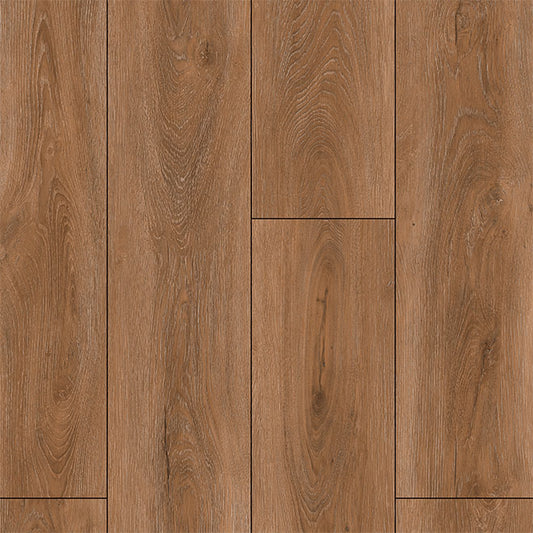
Rockwell Bradford 30mil 3mm 12x24 Tile Look LVT | Infinity Floors
Vendor:Infinity Floor$2.13 / sq. ft. $64.00 per carton · 30.03 sq. ft. / carton3.0mm30mil12x24 -
Formalay - Contour Flex | 20mil 5mm 9x60 Looselay LVP | Lions Floor
Vendor:Lions Floor$3.29 / sq. ft. $74.00 per carton · 22.5 sq. ft. / carton5.0mm20mil9x60 -
Formalay - StrataView | 20mil 5mm 9x60 Looselay LVP | Lions Floor
Vendor:Lions Floor$3.29 / sq. ft. $74.00 per carton · 22.5 sq. ft. / carton5.0mm20mil9x60 -
Formalay - Apex Form | 20mil 5mm 9x60 Looselay LVP | Lions Floor
Vendor:Lions Floor$3.29 / sq. ft. $74.00 per carton · 22.5 sq. ft. / carton5.0mm20mil9x60 -
Rockwell Hudson 30mil 3mm 12x24 Tile Look LVT | Infinity Floors
Vendor:Infinity Floor$2.13 / sq. ft. $64.00 per carton · 30.03 sq. ft. / carton3.0mm30mil12x24 -
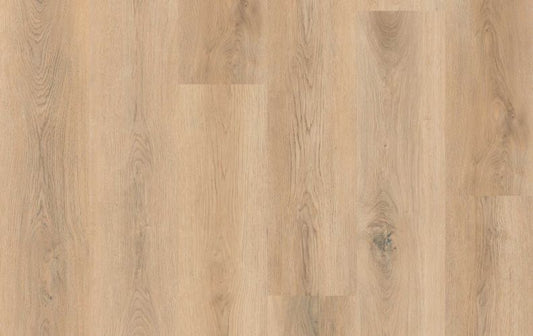
Peckham Collection | Nunhead 20mil 2.5mm 7x48 LVP Glue Down EIR
Vendor:Monarch Floors$2.00 / sq. ft. $82.00 per carton · 41.094 sq. ft. / carton2.5mm20mil7x48 -
Rockwell Somerset 30mil 3mm 12x24 Tile Look LVT | Infinity Floors
Vendor:Infinity Floor$2.13 / sq. ft. $64.00 per carton · 30.03 sq. ft. / carton3.0mm30mil12x24 -
Forge Haze 4+1 Glue Down LVT 20mil 5mm 9x60 | Infinity Floors
Vendor:Infinity Floor$3.99 / sq. ft. $103.69 per carton · 25.99 sq. ft. / carton5.0mm20mil9x60 -
Formalay - Linear Axis | 20mil 5mm 9x60 Looselay LVP | Lions Floor
Vendor:Lions Floor$3.29 / sq. ft. $74.00 per carton · 22.5 sq. ft. / carton5.0mm20mil9x60 -
Formalay - FrameLine | 20mil 5mm 9x60 Looselay LVP | Lions Floor
Vendor:Lions Floor$3.29 / sq. ft. $74.00 per carton · 22.5 sq. ft. / carton5.0mm20mil9x60 -
Formalay - Parallax Drift | 20mil 5mm 9x60 Looselay LVP | Lions Floor
Vendor:Lions Floor$3.29 / sq. ft. $74.00 per carton · 22.5 sq. ft. / carton5.0mm20mil9x60 -
Formalay - Dimension Drift | 20mil 5mm 9x60 Looselay LVP | Lions Floor
Vendor:Lions Floor$3.29 / sq. ft. $74.00 per carton · 22.5 sq. ft. / carton5.0mm20mil9x60 -
Formalay - Quantum Trace | 20mil 5mm 9x60 Looselay LVP | Lions Floor
Vendor:Lions Floor$3.29 / sq. ft. $74.00 per carton · 22.5 sq. ft. / carton5.0mm20mil9x60 -
Formalay - SpanCraft | 20mil 5mm 9x60 Looselay LVP | Lions Floor
Vendor:Lions Floor$3.29 / sq. ft. $74.00 per carton · 22.5 sq. ft. / carton5.0mm20mil9x60 -
Formalay - Radius Mark | 20mil 5mm 9x60 Looselay LVP | Lions Floor
Vendor:Lions Floor$3.29 / sq. ft. $74.00 per carton · 22.5 sq. ft. / carton5.0mm20mil9x60 -
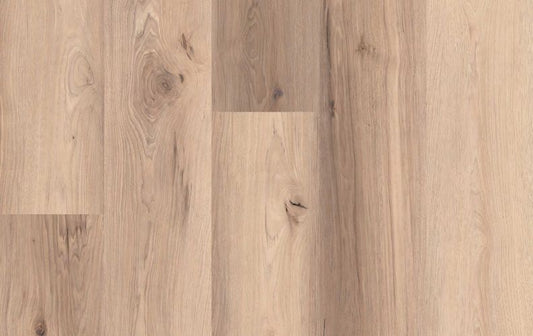
Harwick - Stone | 12mil 2mm 7x48 LVT Glue Down | Monarch Floor
Vendor:Monarch Floors$1.79 / sq. ft. $92.10 per carton · 51.34 sq. ft. / carton2.0mm12mil7x48


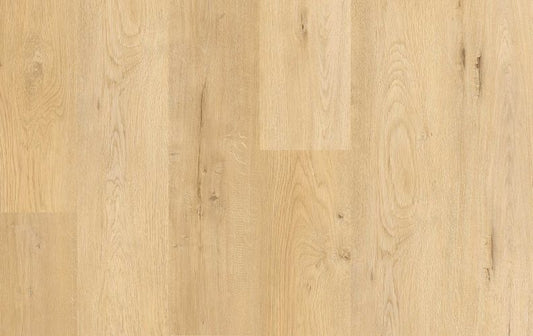

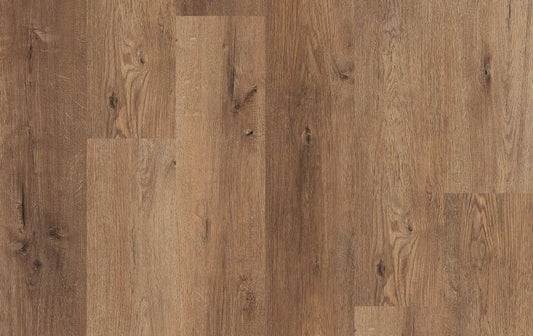

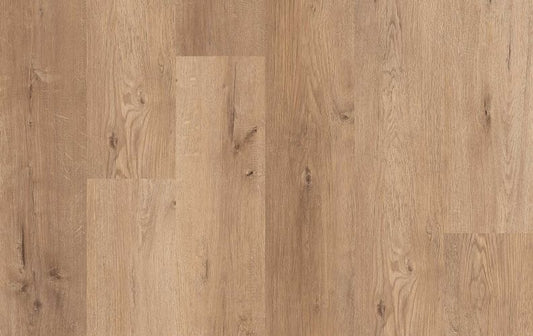

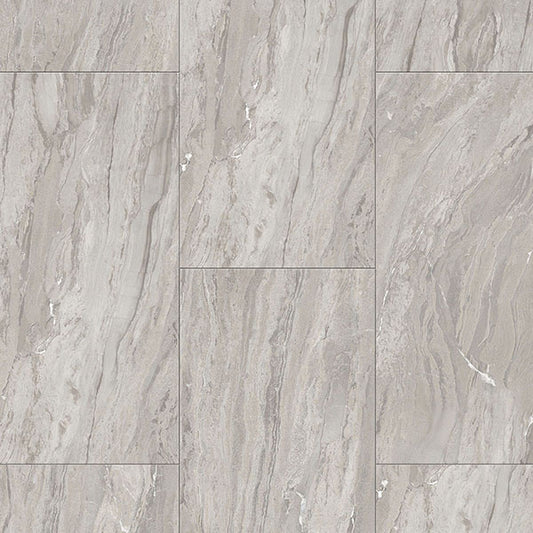




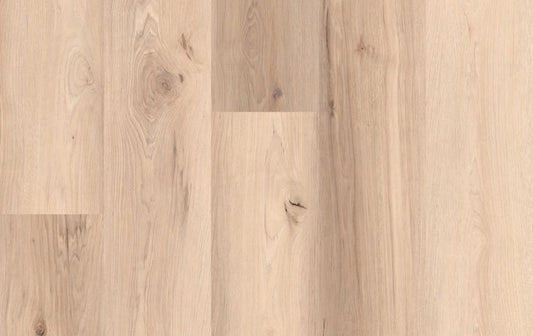

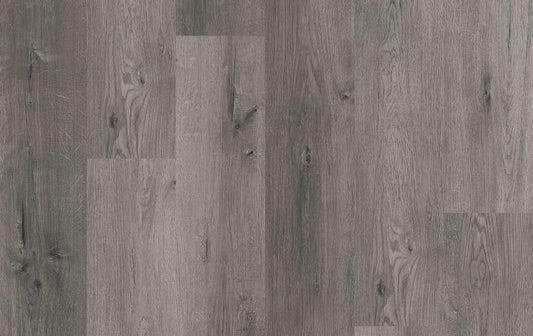

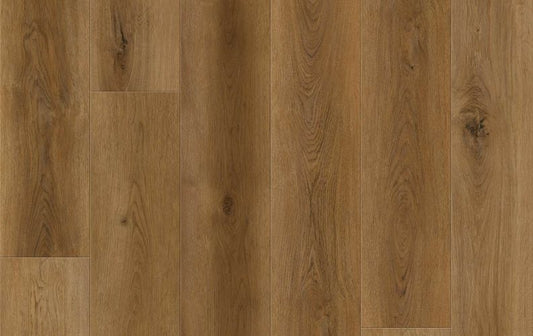

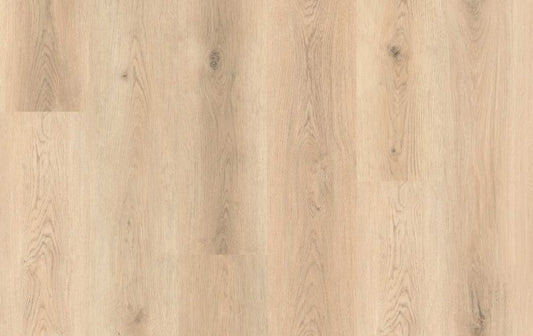

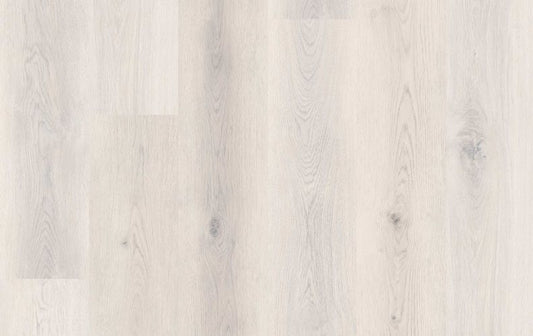

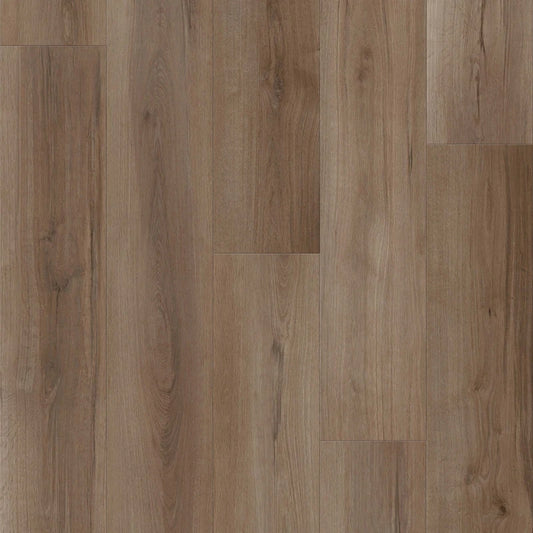
Commercial Glue-Down LVT for Apartments
Commercial glue-down LVT for apartments provides a low-profile flooring option for rental units, multifamily renovations, student housing, senior housing, and property-management projects.
Qualifying products may offer:
- Commercial wear layers
- Direct glue-down installation
- Wood-look or stone-look visuals
- Low overall thickness
- Easy routine maintenance
- Individual plank replacement potential
- Residential and commercial warranties
- Compatibility with prepared concrete
- Suitability for large connected spaces
- Multiple price and performance tiers
The selected flooring, adhesive, subfloor preparation, and installation process must work together as one complete system.
Why Use Glue-Down LVT in Apartments?
Glue-down LVT is adhered directly to the prepared subfloor. This produces a stable surface without the expansion movement associated with many floating floors.
Potential benefits for apartment projects include:
- Low finished floor height
- Firm feel underfoot
- Reduced transition height
- Suitability for large areas
- Commercial wear-layer options
- Easier replacement of individual planks in some installations
- Fewer concerns about locking-joint damage
- Compatibility with recurring renovation programs
- Broad design selection
- Potentially efficient material pricing
Actual performance depends heavily on subfloor preparation and adhesive selection.
Is Glue-Down LVT Good for Rental Properties?
Glue-down LVT may be practical for landlords who want durable, easy-clean flooring with a replaceable plank format.
It may suit:
- Apartment turnovers
- Long-term rentals
- Student housing
- Senior living units
- Affordable housing
- Build-to-rent communities
- Property-management portfolios
- Multifamily common spaces where approved
A commercial specification may provide greater confidence for repeated residential traffic, but the warranty must cover the intended application.
What Wear Layer Is Best for Apartments?
Apartment LVT is available with different wear-layer thicknesses. Common specifications may include:
- 6 mil
- 8 mil
- 12 mil
- 20 mil
- 22 mil
- Other manufacturer-confirmed commercial wear layers
A 12 mil product may suit certain residential units, while 20 mil or thicker options are often considered for heavier traffic or commercial applications.
Wear-layer thickness is not the only quality factor. Buyers should also evaluate:
- Protective surface coating
- Dimensional stability
- Visual repeat
- Adhesive compatibility
- Warranty coverage
- Manufacturer support
- Installation quality
Can Glue-Down LVT Be Installed Over Concrete?
Many glue-down LVT products are designed for properly prepared concrete subfloors.
Concrete preparation may require:
- Moisture testing
- Flatness correction
- Crack assessment
- Removal of old adhesive
- Surface cleaning
- Approved patching compounds
- Moisture-control systems
- Compatible primer
- Manufacturer-approved adhesive
A thin glue-down product can reveal imperfections beneath the floor, making preparation especially important.
Is Glue-Down LVT Waterproof?
The vinyl flooring material may be waterproof, but that does not make the entire installation waterproof.
Water can still affect:
- Adhesive
- Concrete moisture conditions
- Patching compounds
- Walls and baseboards
- Adjacent rooms
- The subfloor
- Seams and perimeter areas
Waterproof claims should be based on manufacturer documentation for the exact product.
Can Individual Apartment Planks Be Replaced?
One advantage of glue-down LVT is that an individual damaged plank may sometimes be removed and replaced without dismantling the entire floor.
Replacement requires:
- Matching attic stock
- Compatible adhesive
- Careful plank removal
- Subfloor cleaning
- Correct adhesive application
- Proper rolling and curing
- Color and production-run compatibility
Property managers may benefit from retaining unopened cartons for future repairs.
What Colors Work Best in Rental Units?
Rental flooring should appeal to a broad range of residents and work with different furniture and wall colors.
Popular options may include:
- Natural oak
- Warm beige
- Light brown
- Medium brown
- Balanced greige
- Neutral walnut
- Soft stone grey
- Varied wood visuals
Medium-tone, multi-tonal flooring may disguise dust, hair, and minor debris better than very light or very dark uniform designs.
How Does Glue-Down LVT Compare With Click-Lock Flooring?
Glue-down LVT is bonded to the subfloor, while click-lock flooring is generally installed as a floating system.
Glue-down LVT may provide:
- Lower installed height
- Firm underfoot feel
- Individual plank replacement
- Suitability for large connected spaces
- No locking joints
- Commercial installation options
Click-lock flooring may provide:
- Faster installation in some rooms
- Attached backing where specified
- Reduced adhesive requirements
- Greater ease of removal
- Rigid-core construction
The better option depends on the building, subfloor, turnover strategy, and project budget.
What Adhesive Should Be Used?
Only adhesive approved by both the flooring and adhesive manufacturers should be used.
Selection may depend on:
- Concrete moisture readings
- Subfloor porosity
- Product backing
- Expected rolling traffic
- Room temperature
- Open time
- Working time
- Required trowel size
- Commercial application
- Moisture-control needs
Adhesive should not be chosen solely by price.
Frequently Asked Questions
Is commercial LVT suitable for apartment bedrooms?
Yes, when the product is approved for residential and multifamily use and installed correctly.
Is glue-down LVT good for apartment kitchens?
It may be suitable when the product is approved for kitchens and ordinary spills are cleaned promptly.
Can glue-down LVT be used in apartment hallways?
Commercially rated products may suit hallways when the warranty covers the expected traffic.
Does glue-down LVT need underlayment?
It is generally adhered directly to a prepared subfloor rather than installed over cushioned underlayment.
Can it be installed over existing flooring?
Possibly, when the existing surface is approved, secure, flat, clean, and properly prepared.
How long before residents can walk on the floor?
Traffic and furniture-return times depend on the adhesive and installation conditions.
Is glue-down LVT easy to repair?
Individual planks can often be replaced, although matching material and professional technique may be required.
Should apartment owners keep extra cartons?
Yes. Attic stock can help with future repairs, color matching, and discontinued products.
Can Caspar Flooring Direct supply large multifamily quantities?
Availability and freight should be confirmed for the selected product and project quantity before ordering.
Browse the products above to compare commercial glue-down LVT for apartments by wear layer, thickness, design, dimensions, adhesive requirements, warranty, and project suitability.
Explore related options in Glue Down LVP, Best Flooring for Apartments, SPC Flooring for Condos, and WPC Flooring for Condos.
Explore related flooring
Browse related flooring collections, brands and styles before making your final choice.