
Collection: Commercial Flooring for Restaurants
Explore commercial flooring for restaurants, selected for approved dining rooms, waiting areas, corridors, private dining spaces, and administrative areas. Compare commercial glue-down LVT, durable wear layers, wood and stone visuals, installation requirements, and maintenance procedures.
-
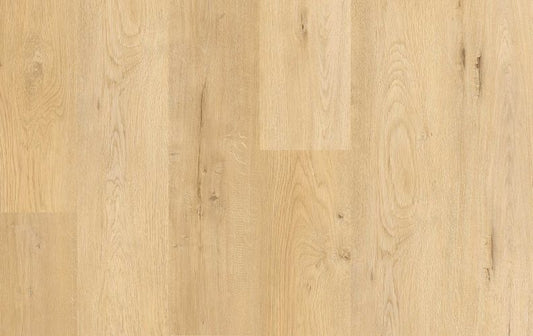
Active Spaces - Reno | 20 mil 2.5mm 7.25x48 Glue Down LVP | Aperion
Vendor:Aperion$2.28 / sq. ft. $110.00 per carton · 48.34 sq. ft. / carton2.5mm20mil7x48 -
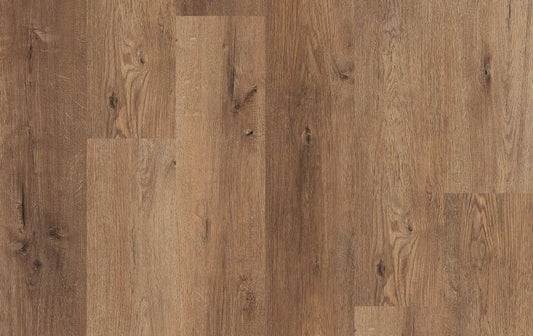
Active Spaces - Riviera Beach | 20 mil 2.5mm 7.25x48 Glue Down LVP | Aperion
Vendor:Aperion$2.28 / sq. ft. $110.00 per carton · 48.34 sq. ft. / carton2.5mm20mil7x48 -
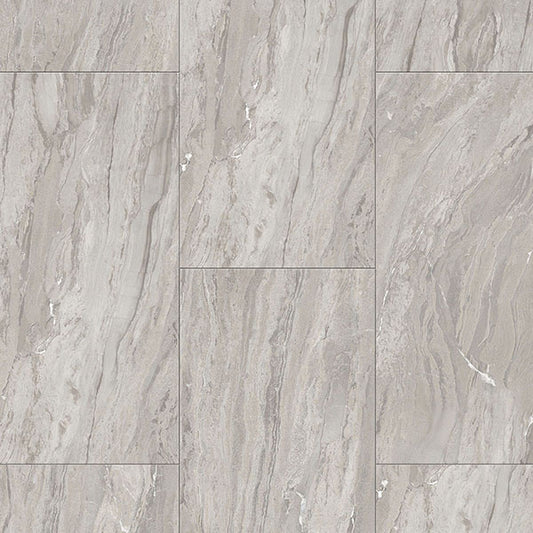
Rockwell Bradford 30mil 3mm 12x24 Tile Look LVT | Infinity Floors
Vendor:Infinity Floor$2.13 / sq. ft. $64.00 per carton · 30.03 sq. ft. / carton3.0mm30mil12x24 -
Formalay - Contour Flex | 20mil 5mm 9x60 Looselay LVP | Lions Floor
Vendor:Lions Floor$3.29 / sq. ft. $74.00 per carton · 22.5 sq. ft. / carton5.0mm20mil9x60 -
Formalay - StrataView | 20mil 5mm 9x60 Looselay LVP | Lions Floor
Vendor:Lions Floor$3.29 / sq. ft. $74.00 per carton · 22.5 sq. ft. / carton5.0mm20mil9x60 -
Formalay - Apex Form | 20mil 5mm 9x60 Looselay LVP | Lions Floor
Vendor:Lions Floor$3.29 / sq. ft. $74.00 per carton · 22.5 sq. ft. / carton5.0mm20mil9x60 -
Rockwell Hudson 30mil 3mm 12x24 Tile Look LVT | Infinity Floors
Vendor:Infinity Floor$2.13 / sq. ft. $64.00 per carton · 30.03 sq. ft. / carton3.0mm30mil12x24 -
Peckham Collection | Nunhead 20mil 2.5mm 7x48 LVP Glue Down EIR
Vendor:Monarch Floors$2.00 / sq. ft. $82.00 per carton · 41.094 sq. ft. / carton2.5mm20mil7x48 -
Stratton Shore 22mil 5mm 7x48 Looselay LVT
Vendor:Monarch Floors$3.20 / sq. ft. $62.00 per carton · 19.375 sq. ft. / carton5.0mm22mil7x48 -
Stratton Smoke 22mil 5mm 7x48 Looselay LVT
Vendor:Monarch Floors$3.20 / sq. ft. $62.00 per carton · 19.375 sq. ft. / carton5.0mm22mil7x48 -
Rockwell Somerset 30mil 3mm 12x24 Tile Look LVT | Infinity Floors
Vendor:Infinity Floor$2.13 / sq. ft. $64.00 per carton · 30.03 sq. ft. / carton3.0mm30mil12x24 -
Forge Haze 4+1 Glue Down LVT 20mil 5mm 9x60 | Infinity Floors
Vendor:Infinity Floor$3.99 / sq. ft. $103.69 per carton · 25.99 sq. ft. / carton5.0mm20mil9x60 -
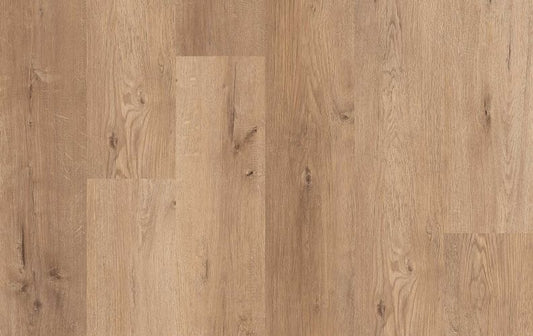
Active Spaces - Rochester | 20 mil 2.5mm 7.25x48 Glue Down LVP | Aperion
Vendor:Aperion$2.28 / sq. ft. $110.00 per carton · 48.34 sq. ft. / carton2.5mm20mil7x48 -
Active Spaces - Baltimore | 20 mil 2.5mm 7.25x48 Glue Down LVP | Aperion
Vendor:Aperion$2.28 / sq. ft. $110.00 per carton · 48.34 sq. ft. / carton2.5mm20mil7x48 -
Formalay - Linear Axis | 20mil 5mm 9x60 Looselay LVP | Lions Floor
Vendor:Lions Floor$3.29 / sq. ft. $74.00 per carton · 22.5 sq. ft. / carton5.0mm20mil9x60 -
Formalay - FrameLine | 20mil 5mm 9x60 Looselay LVP | Lions Floor
Vendor:Lions Floor$3.29 / sq. ft. $74.00 per carton · 22.5 sq. ft. / carton5.0mm20mil9x60





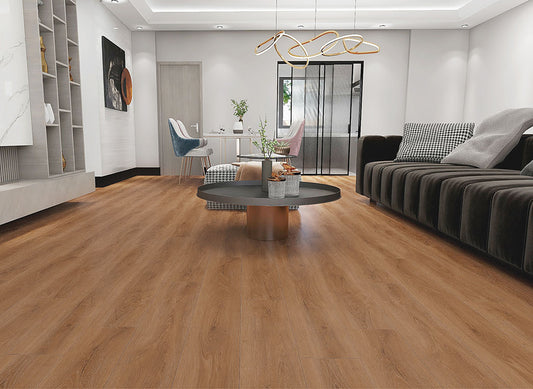
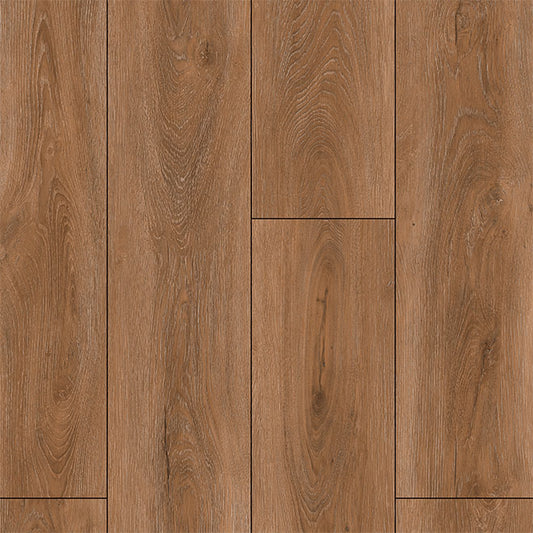


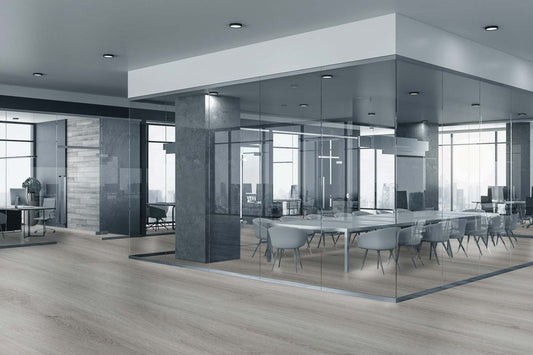
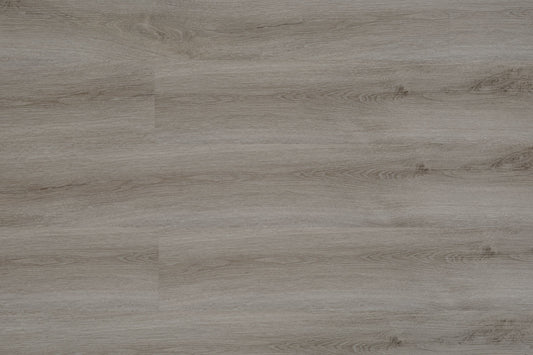
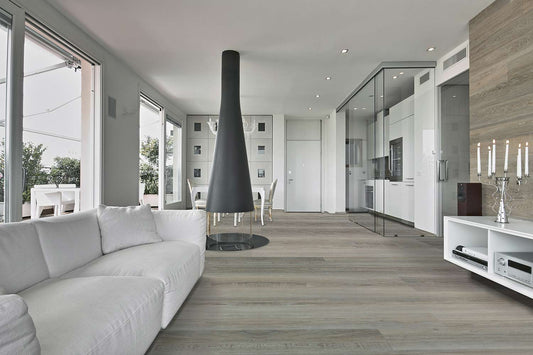
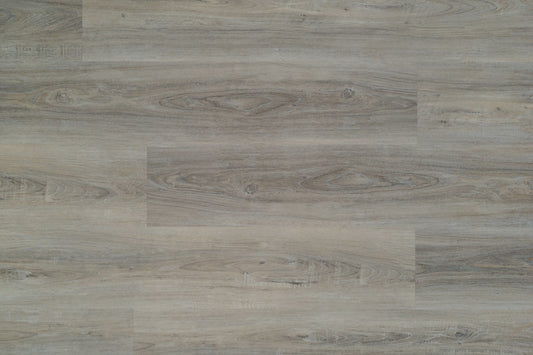

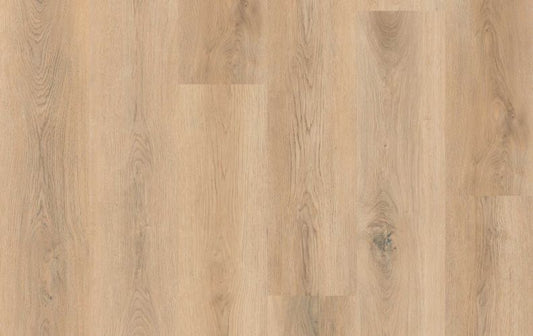

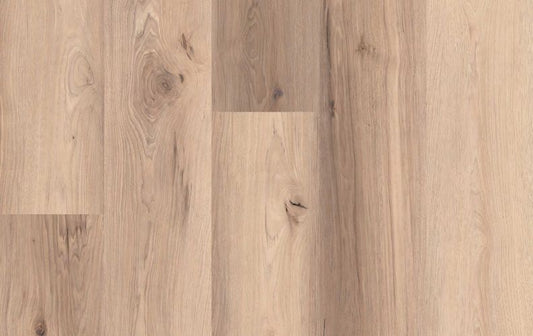
Commercial Flooring for Restaurants
Commercial flooring for restaurants should be selected according to the exact area, expected traffic, chair movement, food and beverage spills, cleaning schedule, subfloor, installation method, and applicable building and safety requirements.
Dining rooms, waiting areas, host stations, private dining spaces, corridors, administrative offices, service areas, and commercial kitchens can present substantially different conditions. Flooring suitable for a customer dining room should never be assumed suitable for every back-of-house environment.
What Flooring Is Best for Restaurant Dining Rooms?
Commercial glue-down LVT is a strong hard-surface category to compare for approved dining and customer-facing spaces.
Depending on the product, potential benefits include:
- Direct attachment to the substrate
- Low finished-floor height
- Durable commercial wear layers
- Individual-plank replacement
- Wood and stone visuals
- Installation over large areas where approved
- Reduced vertical movement
- Straightforward routine maintenance
Explore glue-down LVT for restaurants.
Why Glue-Down LVT Works for Dining Areas
Restaurant dining rooms experience repeated movement from tables, chairs, customers, servers, carts, and cleaning equipment.
A correctly installed glue-down floor becomes directly bonded to the prepared substrate. This can provide a stable walking surface and allow individual damaged planks to be replaced without dismantling an entire connected floor.
Subfloor preparation and adhesive selection remain critical. A heavy wear layer cannot compensate for poor bonding or an unsuitable substrate.
Wood-Look Flooring for Restaurants
Wood-look commercial LVT can provide the warmth and character of timber without using genuine hardwood.
Popular restaurant color directions include:
- Warm natural oak
- Honey oak
- Medium brown
- Smoked wood
- Rustic oak
- Balanced greige
- Pale contemporary wood
- Weathered designs
- Deep espresso tones
Wood visuals may work particularly well in casual dining rooms, cafés, bars, breweries, steakhouses, bakeries, and hospitality-led interiors.
Moderate grain and color variation can add character while making ordinary dust and minor debris less noticeable between cleaning periods.
Stone-Look Restaurant Flooring
Stone, concrete, slate, and mineral-inspired commercial LVT can complement modern restaurants and high-design hospitality interiors.
Tile-format LVT may create:
- A contemporary appearance
- Defined modular patterns
- Concrete-inspired styling
- Stone visuals without natural-stone construction
- A lower finished profile than many rigid products
The tile dimensions, pattern, seam layout, and installation direction should be planned before ordering.
Flooring for Restaurant Waiting Areas
Waiting areas and host stations may receive concentrated traffic, especially during peak service periods.
Consider:
- Entrance grit
- Tracked rain
- Standing customers
- Strollers and accessibility equipment
- Host-station furniture
- Queue layout
- Cleaning frequency
- Transitions from exterior entrances
- Mat placement
- Visual connection to the dining room
Entrance matting can reduce the amount of abrasive dirt and moisture carried onto the main floor.
Flooring for Restaurant Corridors
Corridors connecting dining rooms, restrooms, private rooms, and service areas may experience concentrated foot traffic and cart movement.
A corridor product should be assessed for:
- Commercial application approval
- Wear-layer thickness
- Surface coating
- Rolling-load requirements
- Cleaning procedures
- Localized repair
- Transition placement
- Subfloor joints
- Moisture exposure
- Adjacent flooring heights
Wear Layers for Restaurant Flooring
Wear-layer thickness describes the transparent protective material positioned above a vinyl floor’s printed design.
Commercial options may include:
- 20 mil wear layers
- 22 mil wear layers
- 30 mil wear layers
- Other documented commercial constructions
A heavier wear layer provides more protective material, but restaurant flooring should not be selected by that number alone.
Also compare:
- Surface coating
- Total thickness
- Product construction
- Adhesive system
- Commercial approval
- Furniture guidance
- Cleaning compatibility
- Repair process
Browse 30 mil glue-down LVT for substantial commercial surface protection.
Chair and Table Movement
Repeated chair movement can affect any restaurant floor.
Protective measures may include:
- Suitable chair glides
- Furniture pads
- Regular inspection of worn protection
- Lifting rather than dragging tables
- Cleaning abrasive grit
- Following rolling-load guidance
- Replacing damaged glides promptly
No flooring should be described as completely scratch-proof.
Food and Beverage Spills
Food and drink spills should be cleaned promptly using approved products and procedures.
Waterproof flooring materials can resist ordinary surface spills, but they do not make the complete room waterproof. Moisture can still reach:
- Seams
- Perimeters
- Transitions
- Walls
- Penetrations
- Damaged areas
- The subfloor
The response to standing water, leaks, or flooding should follow the flooring and building requirements.
Cleaning and Chemical Compatibility
Restaurant cleaning procedures may be more frequent and intensive than ordinary residential maintenance.
Before selecting a product, compare its care instructions with the restaurant’s intended:
- Degreasers
- Disinfectants
- Neutral cleaners
- Mop systems
- Cleaning machines
- Spill-response procedures
- Cleaning frequency
Do not assume that waterproof vinyl is resistant to every chemical.
Slip and Traction Considerations
Visual texture does not independently confirm slip performance.
Restaurant flooring decisions should consider:
- Published test data
- Dry conditions
- Wet conditions
- Food and grease contamination
- Cleaning residue
- Entrance moisture
- Staff footwear
- Ramps
- Transitions
- Local requirements
Do not make unsupported slip-resistant claims based solely on embossed texture.
Commercial Kitchens Require Separate Evaluation
A dining-room flooring product should not be used inside a commercial kitchen unless it is expressly approved for that application.
Commercial kitchens may involve:
- Grease
- Hot liquids
- Frequent wet cleaning
- Floor drains
- Specialized chemicals
- Heavy equipment
- Temperature changes
- Enhanced traction requirements
- Local health and building codes
Many wood-look LVT products suitable for dining rooms are not designed for these conditions.
Concrete Subfloor Preparation
Commercial glue-down flooring requires careful substrate preparation.
The concrete should be evaluated for:
- Moisture
- Flatness
- Smoothness
- Structural condition
- Cracks
- Joints
- Porosity
- Existing adhesive
- Grease and contamination
- Patching requirements
- Adhesive compatibility
Waterproof flooring does not remove the need for concrete moisture testing.
Renovating an Existing Restaurant
An existing restaurant may have floor contamination, adhesive residue, uneven transitions, damaged substrates, or old materials requiring removal.
Plan for:
- Existing-floor identification
- Subfloor testing
- Removal procedures
- Grease and residue treatment
- Patching
- Moisture testing
- Adhesive curing
- Furniture storage
- Installation phasing
- Reopening time
- Attic stock
A short closure period should not result in rushed or incomplete subfloor preparation.
Choosing Restaurant Flooring Colors
The floor should coordinate with tables, chairs, walls, lighting, branding, countertops, and visible architectural finishes.
Light Oak
Light oak can brighten cafés, bakeries, and casual dining spaces.
Warm Brown
Warm brown flooring creates an inviting and traditional hospitality atmosphere.
Greige
Greige works in contemporary restaurants containing black metal, stone, concrete, and natural wood.
Dark Flooring
Dark floors can create drama but may show dust, crumbs, lint, and surface marks more clearly under bright lighting.
Varied Wood Visuals
Moderate tonal movement may be more visually forgiving than highly uniform colors.
Restaurant Flooring Samples
Review flooring samples:
- Under daytime lighting
- Under evening lighting
- Near windows
- Beneath decorative fixtures
- Beside furniture
- Against wall finishes
- Near countertops
- Next to adjoining floors
Restaurant lighting can change how warm, cool, light, or dark a floor appears.
Related Commercial Flooring
Browse commercial-grade vinyl flooring for additional approved resilient products.
For customer-facing retail environments with similar traffic and visual requirements, compare glue-down LVT for retail stores.
Frequently Asked Questions
What flooring works well in restaurant dining rooms?
Commercially approved glue-down LVT is a strong category because it provides direct attachment, durable surface options, varied designs, and localized repairs.
Is wood-look LVT suitable for restaurants?
Yes, when the individual product is approved for the intended dining room, waiting area, or corridor.
Can waterproof vinyl be used inside a commercial kitchen?
Not automatically. Commercial kitchens have specialized moisture, chemical, grease, drainage, temperature, and traction requirements.
What wear layer should a restaurant use?
The wear layer should match the expected traffic and approved application. Surface coating, installation, cleaning, and furniture movement also matter.
What restaurant flooring is easiest to repair?
Individual glue-down planks may be replaced locally when the proper removal, adhesive, and installation procedures are followed.
Does textured flooring guarantee slip resistance?
No. Visual texture is not a substitute for documented test data and project-specific assessment.
Can restaurant flooring go over concrete?
Approved products may be installed over properly prepared and moisture-tested concrete.
Should restaurant owners order samples?
Yes. Samples should be reviewed under the restaurant’s actual daytime and evening lighting beside furniture and permanent finishes.
Should extra flooring be retained after installation?
Yes. Attic stock can support future localized repairs and help preserve color continuity.
Explore related flooring
Browse related flooring collections, brands and styles before making your final choice.