
Collection: Commercial Flooring for Hotels
Explore commercial flooring for hotels, selected for approved guest rooms, corridors, reception areas, offices, lounges, and hospitality renovations. Compare commercial LVT, SPC, peel-and-press vinyl, wear layers, plank formats, maintenance requirements, and installation systems.
-
Formalay - Apex Form | 20mil 5mm 9x60 Looselay LVP | Lions Floor
Vendor:Lions Floor$3.29 / sq. ft. $74.00 per carton · 22.5 sq. ft. / carton5.0mm20mil9x60 -
Rockwell Hudson 30mil 3mm 12x24 Tile Look LVT | Infinity Floors
Vendor:Infinity Floor$2.13 / sq. ft. $64.00 per carton · 30.03 sq. ft. / carton3.0mm30mil12x24 -
Bridge River - Florencia Toffee | 28mil 8mm 9x72 SPC Vinyl Plank | Republic Floor
Vendor:Republic Floors$3.99 / sq. ft. $89.60 per carton · 22.45 sq. ft. / carton8.0mm28mil9x72Sale -
Deep Forest - Hurricane Tawny | 28mil 10mm 9x72 SPC Vinyl Plank | Republic Floor
Vendor:Republic Floors$5.45 / sq. ft. $97.90 per carton · 17.96 sq. ft. / carton10.0mm28mil9x72 -
Deep Forest - Dakota Mahogany | 28mil 10mm 9x72 SPC Vinyl Plank | Republic Floor
Vendor:Republic Floors$5.45 / sq. ft. $97.90 per carton · 17.96 sq. ft. / carton10.0mm28mil9x72 -
Peckham Collection | Nunhead 20mil 2.5mm 7x48 LVP Glue Down EIR
Vendor:Monarch Floors$2.00 / sq. ft. $82.00 per carton · 41.094 sq. ft. / carton2.5mm20mil7x48 -
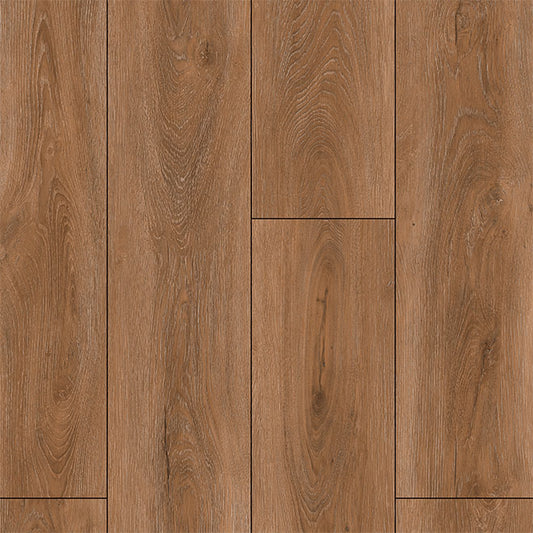
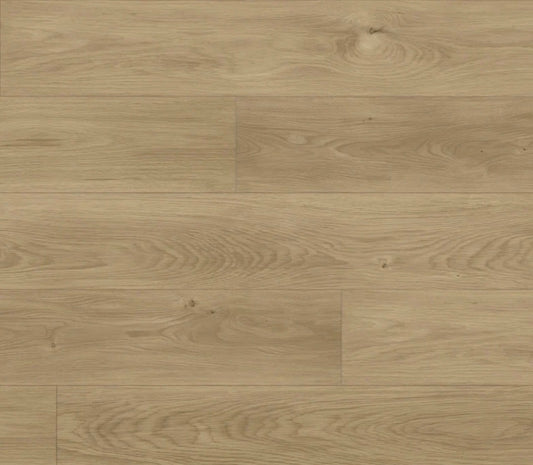
North Water Collection – Desert Taupe | 28mil 12mm Extra Long SPC Flooring (9” x 72”)
Vendor:Republic Floors$6.39 / sq. ft. $86.10 per carton · 13.47 sq. ft. / carton12.0mm28mil9x72 -
North Water Collection – Rainforest Brown | 28mil 12mm Extra Long SPC Flooring (9” x 72”)
Vendor:Republic Floors$6.39 / sq. ft. $86.10 per carton · 13.47 sq. ft. / carton12.0mm28mil9x72 -
South Rose Collection – Sequoia Pale | 28mil 14mm Extra Long SPC Flooring (9” x 72”)
Vendor:Republic Floors$6.99 / sq. ft. $94.10 per carton · 13.47 sq. ft. / carton14.0mm28mil9x72 -
Deep Forest Light Thunder 28mil 10mm 9x60 SPC Vinyl Plank
Vendor:Republic Floors$5.79 / sq. ft. $108.21 per carton · 18.7 sq. ft. / carton10.0mm28mil9x60 -
CITADEL SAVONA OAK 32mil 8mm 9x48 SPC Vinyl Plank
Vendor:NextGen$4.29 / sq. ft. $92.00 per carton · 21.45 sq. ft. / carton8.0mm32mil9x48 -
CITADEL NOA OAK 32mil 8mm 9x48 SPC Vinyl Plank
Vendor:NextGen$4.29 / sq. ft. $92.00 per carton · 21.45 sq. ft. / carton8.0mm32mil9x48 -
CITADEL HARTWOOD OAK 32mil 8mm 9x48 SPC Vinyl Plank
Vendor:NextGen$4.29 / sq. ft. $92.00 per carton · 21.45 sq. ft. / carton8.0mm32mil9x48 -
Stratton Shore 22mil 5mm 7x48 Looselay LVT
Vendor:Monarch Floors$3.20 / sq. ft. $62.00 per carton · 19.375 sq. ft. / carton5.0mm22mil7x48 -
Stratton Smoke 22mil 5mm 7x48 Looselay LVT
Vendor:Monarch Floors$3.20 / sq. ft. $62.00 per carton · 19.375 sq. ft. / carton5.0mm22mil7x48 -
Rockwell Somerset 30mil 3mm 12x24 Tile Look LVT | Infinity Floors
Vendor:Infinity Floor$2.13 / sq. ft. $64.00 per carton · 30.03 sq. ft. / carton3.0mm30mil12x24

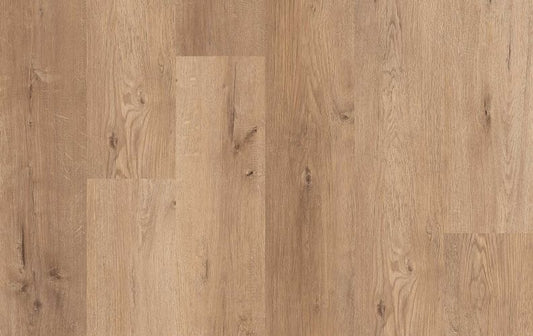

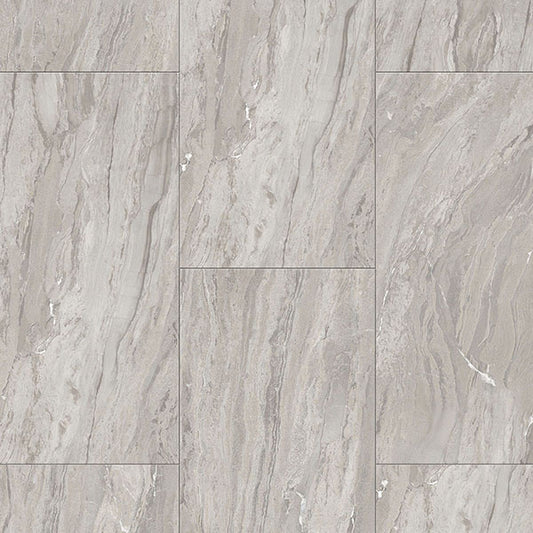

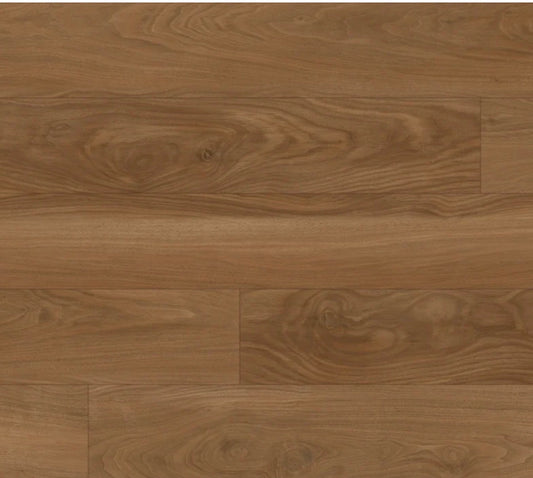
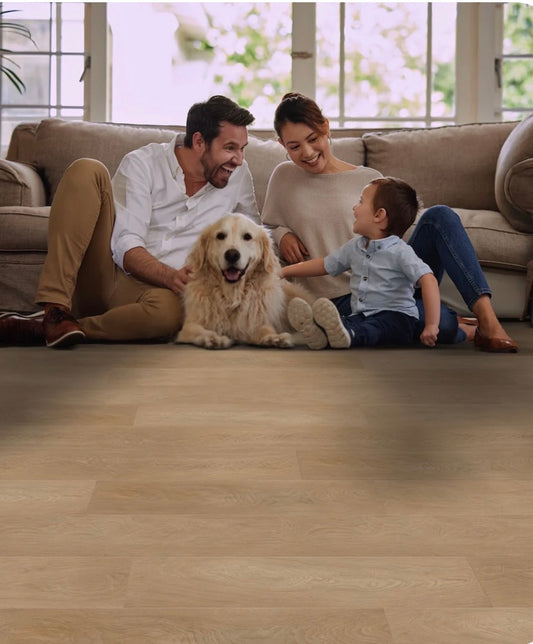
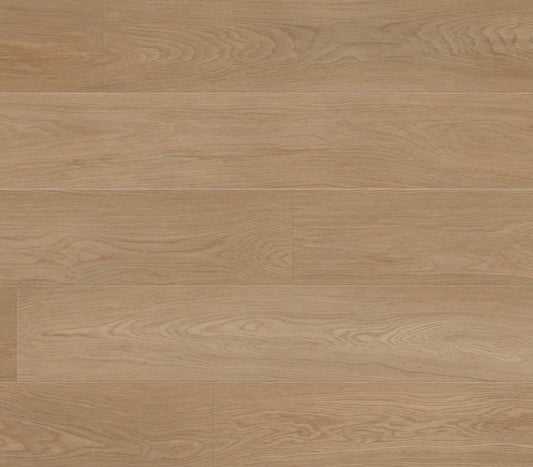
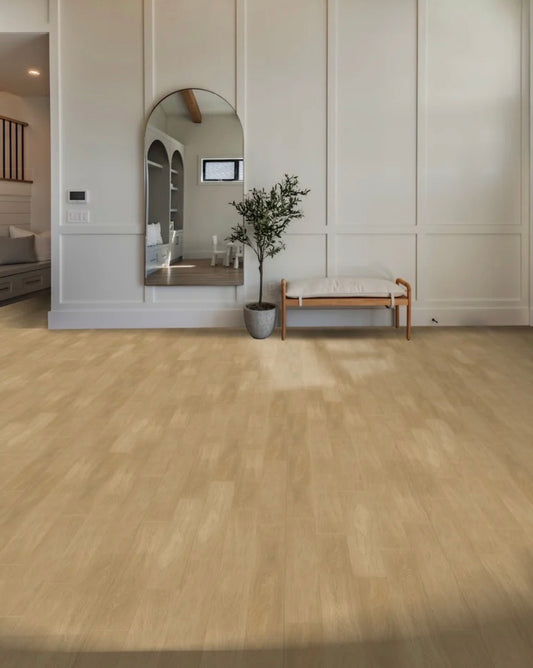
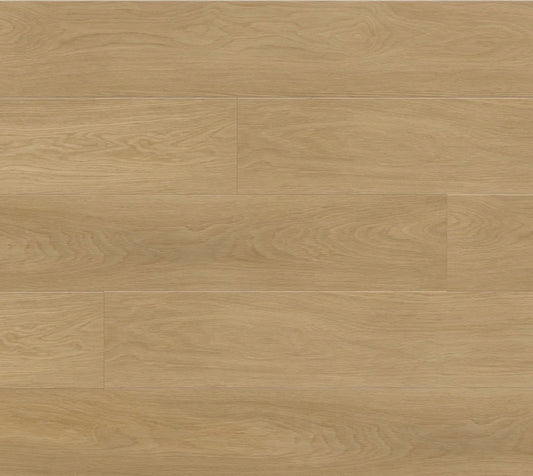
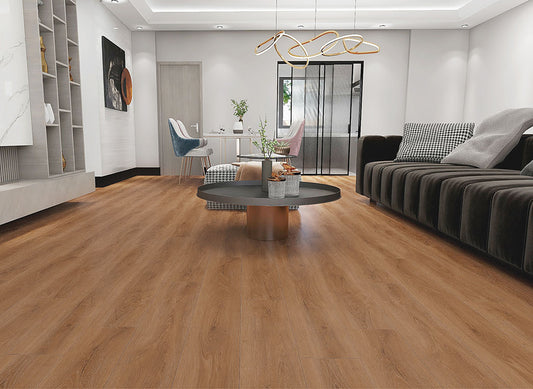
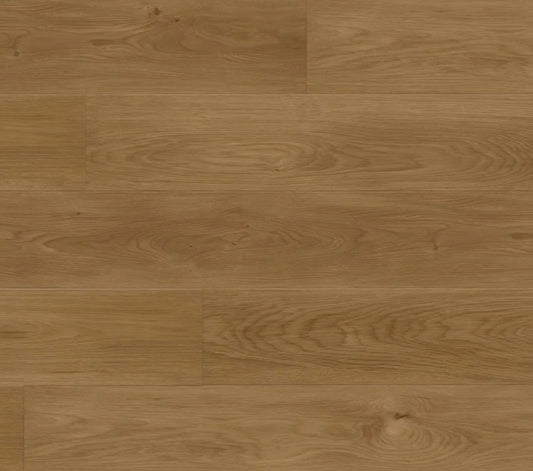
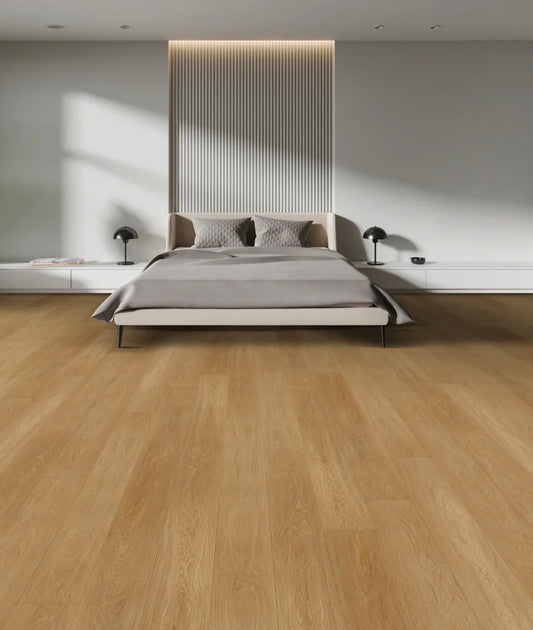
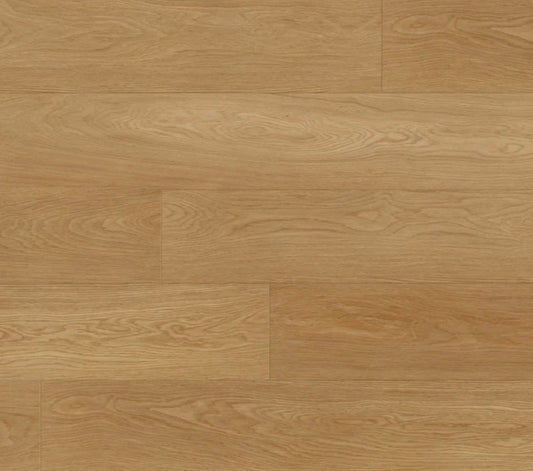

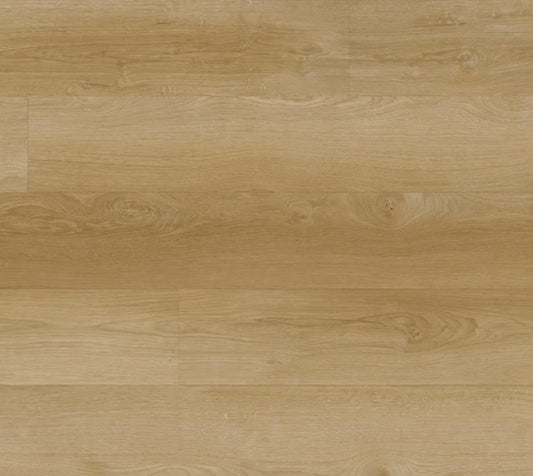
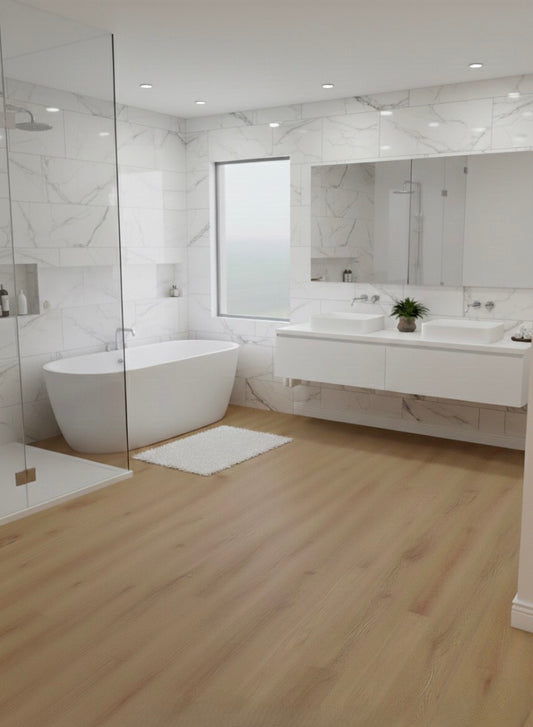
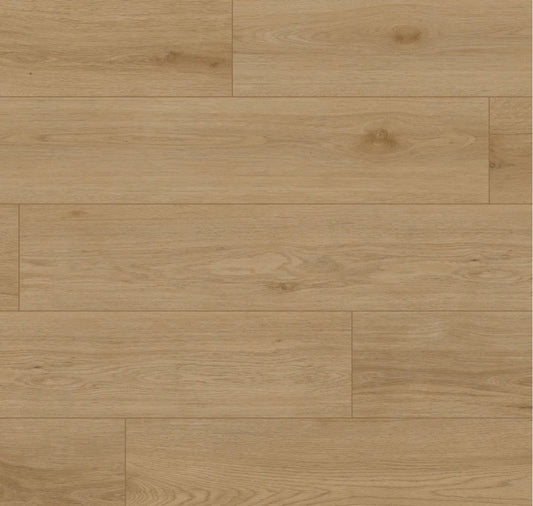
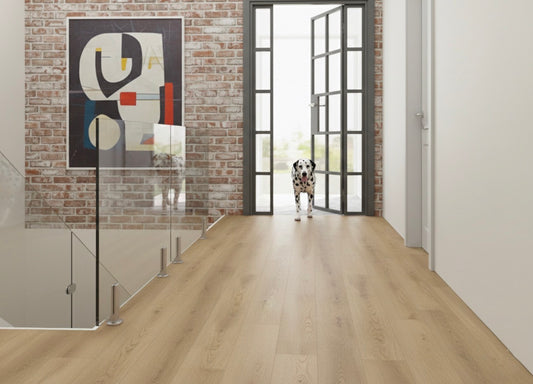
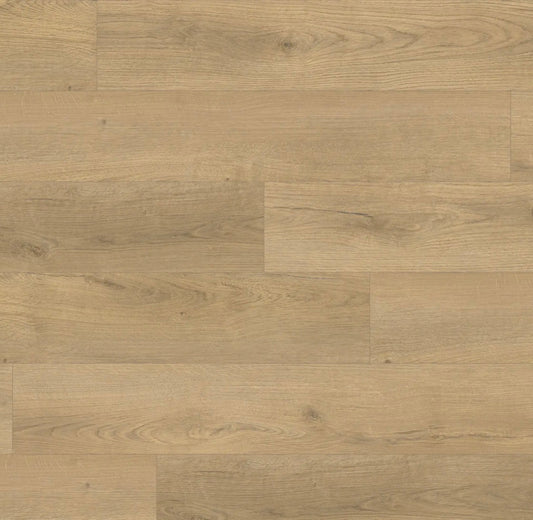

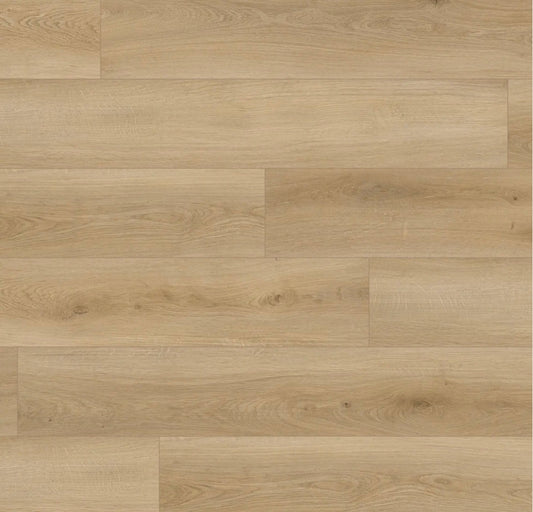


Commercial Flooring for Hotels
Commercial flooring for hotels should combine a professional appearance with specifications appropriate for hospitality traffic, rolling luggage, housekeeping equipment, furniture movement, cleaning schedules, phased renovations, and localized repairs.
Guest rooms, corridors, reception areas, lounges, breakfast rooms, offices, and back-of-house spaces can have substantially different flooring requirements. A product selected for a guest room should not automatically be used throughout the entire property.
What Flooring Is Best for Hotels?
Hard-surface hotel flooring options may include:
- Commercial glue-down LVT
- Approved SPC flooring
- Peel-and-press LVT
- Selected laminate
- Other commercially approved resilient flooring
The best construction depends on the room, expected traffic, subfloor, acoustic requirements, maintenance system, renovation schedule, and desired design.
Glue-Down LVT for Hotels
Commercial glue-down LVT is secured directly to a prepared substrate.
Potential advantages include:
- Low finished-floor height
- Commercial wear-layer options
- Direct attachment
- Individual-plank replacement
- Wood and stone visuals
- Installation across large areas where approved
- Minimal vertical movement
- Practical localized repairs
Glue-down LVT may be particularly useful where a hotel wants to repair one damaged plank without dismantling a complete connected floating installation.
Explore glue-down LVT for hotels.
Flooring for Hotel Guest Rooms
Guest-room flooring should help create a comfortable, attractive interior while supporting cleaning, luggage movement, beds, desks, chairs, and regular occupancy changes.
Popular visual directions include:
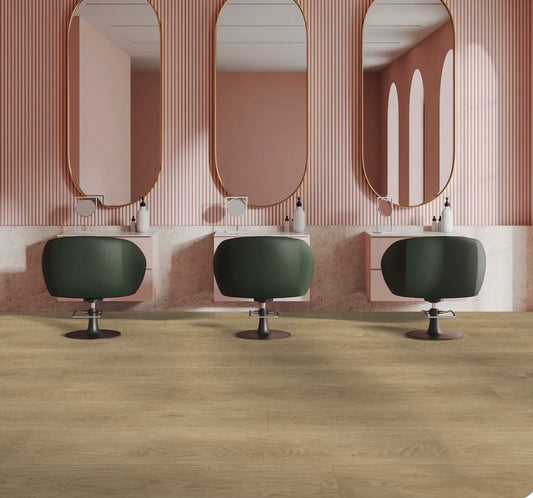
- Light natural oak
- Warm beige wood
- Balanced greige
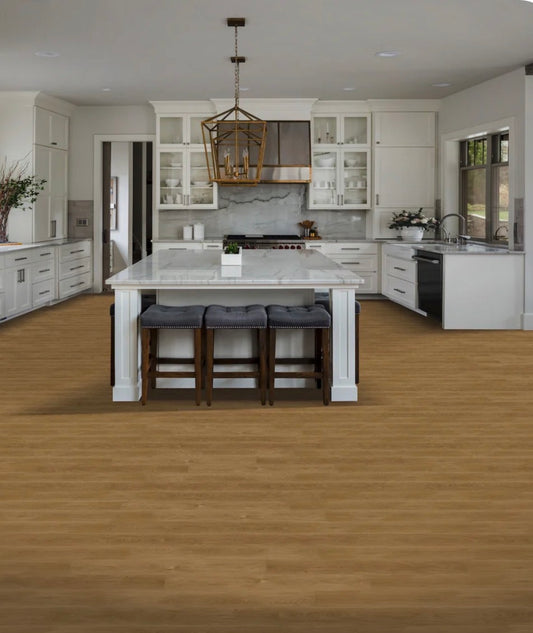
- Medium brown
- Smoked oak
- Weathered wood
- Pale contemporary finishes
- Stone or concrete-inspired neutrals
Wood-look hard flooring can create a warm residential appearance. Moderate texture and grain variation may help conceal ordinary dust better than extremely dark or uniform floors.
Flooring for Hotel Corridors
Hotel corridors can experience concentrated traffic from:
- Guests
- Rolling suitcases
- Housekeeping carts
- Maintenance equipment
- Deliveries
- Furniture movement
- Cleaning machinery
Corridor products should be checked for documented commercial approval, rolling-load guidance, surface construction, repair requirements, transitions, and cleaning compatibility.
A floor used successfully in guest rooms may not have the specifications required for corridors.
Flooring for Hotel Reception and Lobby Areas
Reception and lobby areas influence the hotel’s first impression and can receive substantial traffic throughout the day.
Product selection should consider:
- Visual scale
- Plank or tile format
- Surface texture
- Entrance grit
- Tracked moisture
- Rolling luggage
- Furniture placement
- Cleaning frequency
- Transition design
- Natural and artificial lighting
Wide planks and long boards can create a clean visual foundation, while stone-look tiles may complement contemporary hospitality designs.
Peel-and-Press Flooring for Hotel Renovations
Peel-and-press LVT uses a factory-applied adhesive system.
Selected products may provide:
- Efficient installation
- Low finished-floor height
- Individual-plank replacement
- Reduced wet-adhesive handling
- Practical use in phased renovations
- Wood-look commercial designs
The substrate must still be compatible, clean, dry, smooth, and properly prepared.
Browse peel-and-press LVT for hotels.
SPC Flooring for Hotels
Commercially approved SPC may work in selected hotel interiors where a floating click-lock installation is appropriate.
Depending on the product, SPC may provide:
- Waterproof plank construction
- Attached backing
- Rigid-core performance
- Textured wood visuals
- Wide or extra-long boards
- Durable wear layers
- Efficient floating installation
Before specifying SPC, verify:
- Commercial application approval
- Maximum continuous-run limits
- Expansion requirements
- Doorway transitions
- Acoustic requirements
- Subfloor flatness
- Rolling-load guidance
- Fixed furniture instructions
- Large-area installation requirements
Hotel Renovation Planning
Hotels frequently renovate in phases so unaffected rooms and floors can remain operational.
Planning should address:
- Delivery timing
- Product staging
- Carton storage
- Existing-floor removal
- Subfloor preparation
- Adhesive curing time
- Furniture removal
- Guest access
- Noise restrictions
- Corridor closures
- Room reopening
- Attic stock
A flooring material that installs quickly may still require substantial preparation beneath it.
Subfloor Preparation
The substrate must meet the flooring system’s requirements for:
- Flatness
- Smoothness
- Cleanliness
- Structural condition
- Concrete moisture
- Wood moisture
- Crack and joint treatment
- Porosity
- Adhesive compatibility
- Approved patching materials
Thin glue-down products can reveal imperfections from the surface beneath them.
Acoustic Considerations
Hotels often need to manage impact and airborne sound between rooms and floors.
Review:
- IIC data
- STC data
- Delta IIC where applicable
- Complete test assembly
- Existing floor-ceiling construction
- Attached backing
- Approved additional underlayment
- Project-specific acoustic requirements
An attached pad should not be assumed to satisfy every hotel’s acoustic standard.
Wear Layers for Hospitality Flooring
Wear-layer thickness describes the transparent protective material above a vinyl floor’s printed design.
Available specifications may include:
- 12 mil
- 20 mil
- 22 mil
- 30 mil
- Heavier commercial constructions
The correct specification depends on the room and traffic. Wear layer should be considered alongside the surface coating, complete flooring construction, cleaning procedures, installation, and commercial approval.
Choosing Flooring Colors for Hotels
Hotel flooring should coordinate with walls, furniture, lighting, doors, and brand design.
Light Natural Floors
Light oak and beige floors can brighten guest rooms and create a relaxed appearance.
Greige Floors
Greige can bridge warm wood furniture with gray stone, metal, and contemporary paint colors.
Medium Brown Floors
Medium brown offers warmth and visual definition while remaining versatile.
Dark Floors
Dark flooring creates a dramatic appearance but may show dust, lint, and surface marks more readily under strong lighting.
Cleaning and Maintenance Planning
Before selecting hotel flooring, compare the published care instructions with the property’s housekeeping procedures.
Confirm:
- Approved cleaners
- Cleaning frequency
- Spill response
- Vacuum requirements
- Mop procedures
- Furniture protection
- Rolling equipment
- Entrance matting
- Localized repair methods
Waterproof construction does not mean resistance to every chemical or cleaning product.
Internal Commercial Comparisons
Browse commercial-grade vinyl flooring when comparing additional hotel flooring specifications.
For related hospitality and food-service spaces, explore commercial flooring for restaurants.
Frequently Asked Questions
What hard-surface flooring works well in hotels?
Commercial glue-down LVT is a strong category for approved guest rooms, corridors, and shared interiors. SPC and peel-and-press flooring may suit selected areas.
Is glue-down LVT suitable for hotel rooms?
Yes, when the product is approved for the intended hospitality application and installed over a correctly prepared substrate.
Can SPC flooring be used in hotels?
Selected commercially approved SPC may suit certain rooms when the floating installation and expansion requirements are compatible with the property.
What flooring supports localized hotel repairs?
Glue-down and peel-and-press planks may allow individual replacement when repaired according to their installation procedures.
Should guest rooms and corridors use the same flooring?
Not automatically. Corridors may experience considerably more traffic, rolling luggage, and housekeeping equipment.
Is waterproof flooring suitable for every hotel area?
No. Waterproof describes the flooring material, not universal suitability for every guest-facing or back-of-house application.
How should hotels select flooring colors?
Compare samples with furniture, doors, paint, lighting, and adjoining surfaces inside the actual property.
Should hotels keep attic stock?
Yes. Replacement material can support localized repairs and maintain consistent flooring during future room renovations.
Explore related flooring
Browse related flooring collections, brands and styles before making your final choice.