
Collection: 5mm Glue-Down LVT
Shop 5mm glue-down LVT with substantial vinyl construction and approved adhesive installation. Compare plank dimensions, wear layers, surface textures, installation options, colors and commercial approvals
-
Formalay - Contour Flex | 20mil 5mm 9x60 Looselay LVP | Lions Floor
Vendor:Lions FloorRegular price From $0.00 USDRegular priceUnit price $4.00/ft² -
Formalay - StrataView | 20mil 5mm 9x60 Looselay LVP | Lions Floor
Vendor:Lions FloorRegular price From $0.00 USDRegular priceUnit price $4.00/ft² -
Formalay - Alex Form | 20mil 5mm 9x60 Looselay LVP | Lions Floor
Vendor:Lions FloorRegular price From $0.00 USDRegular priceUnit price $4.00/ft² -
Stratton Shore 22mil 5mm 7x48 Looselay LVT
Vendor:Monarch FloorsRegular price From $0.00 USDRegular priceUnit price $3.20/ft² -
Stratton Smoke 22mil 5mm 7x48 Looselay LVT
Vendor:Monarch FloorsRegular price From $0.00 USDRegular priceUnit price $3.20/ft² -
Forge Haze 4+1 Glue Down LVT 20mil 5mm 9x60 | Infinity Floors
Vendor:Infinity FloorRegular price From $0.00 USDRegular priceUnit price $3.99/ft² -
Formalay - Linear Axis | 20mil 5mm 9x60 Looselay LVP | Lions Floor
Vendor:Lions FloorRegular price From $0.00 USDRegular priceUnit price $4.00/ft² -
Formalay - FrameLine | 20mil 5mm 9x60 Looselay LVP | Lions Floor
Vendor:Lions FloorRegular price From $0.00 USDRegular priceUnit price $4.00/ft² -
Formalay - Parallax Drift | 20mil 5mm 9x60 Looselay LVP | Lions Floor
Vendor:Lions FloorRegular price From $0.00 USDRegular priceUnit price $4.00/ft² -
Formalay - Dimension Drift | 20mil 5mm 9x60 Looselay LVP | Lions Floor
Vendor:Lions FloorRegular price From $0.00 USDRegular priceUnit price $4.00/ft² -
Formalay - Quantum Trace | 20mil 5mm 9x60 Looselay LVP | Lions Floor
Vendor:Lions FloorRegular price From $0.00 USDRegular priceUnit price $4.00/ft² -
Formalay - SpanCraft | 20mil 5mm 9x60 Looselay LVP | Lions Floor
Vendor:Lions FloorRegular price From $0.00 USDRegular priceUnit price $4.00/ft² -
Formalay - Radius Mark | 20mil 5mm 9x60 Looselay LVP | Lions Floor
Vendor:Lions FloorRegular price From $0.00 USDRegular priceUnit price $4.00/ft² -
Forge Range 4+1 Glue Down LVT 20mil 5mm 9x60 | Infinity Floors
Vendor:Infinity FloorRegular price From $0.00 USDRegular priceUnit price $3.99/ft² -
Forge Press 4+1 Glue Down LVT 20mil 5mm 9x60 | Infinity Floors
Vendor:Infinity FloorRegular price From $0.00 USDRegular priceUnit price $3.99/ft² -
Stratton Straw 22mil 5mm 7x48 Looselay LVT
Vendor:Monarch FloorsRegular price From $0.00 USDRegular priceUnit price $3.20/ft²

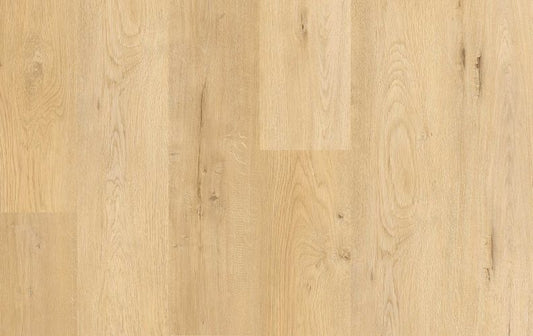

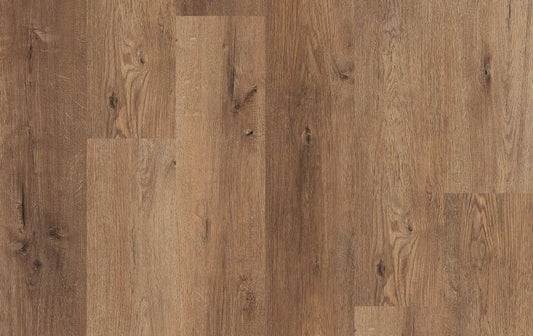

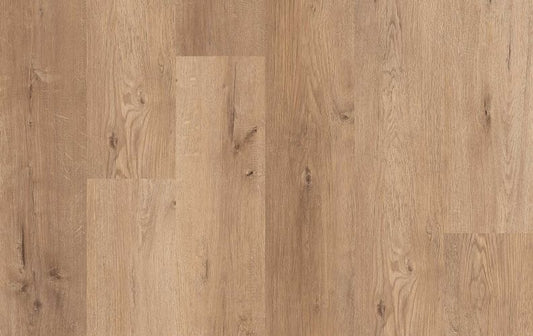


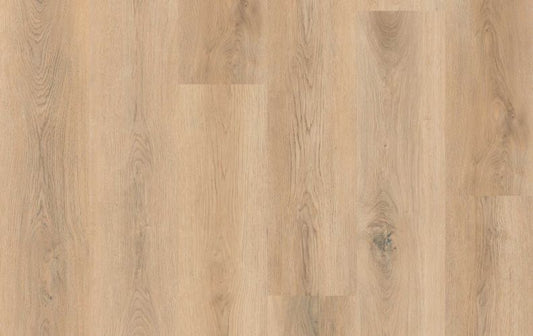

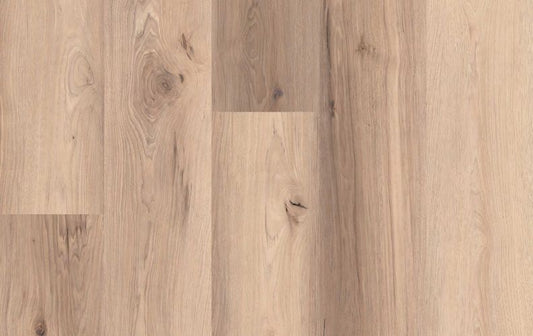

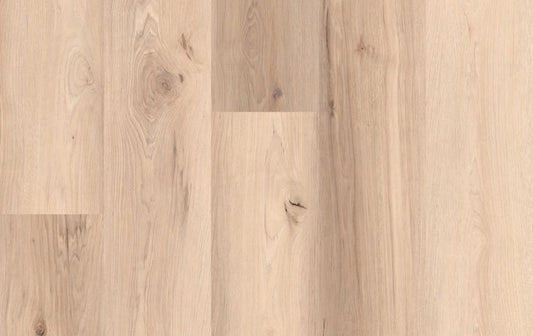

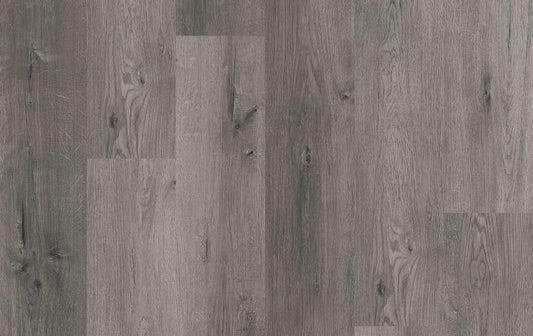

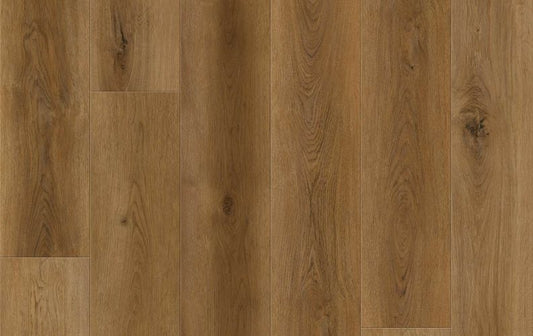

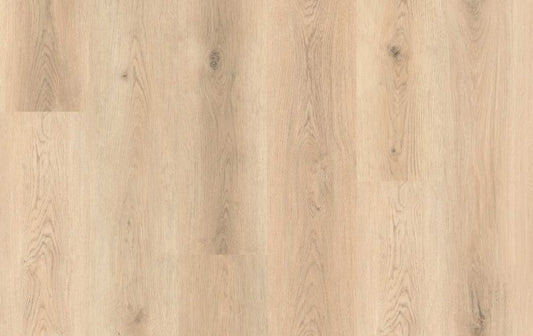

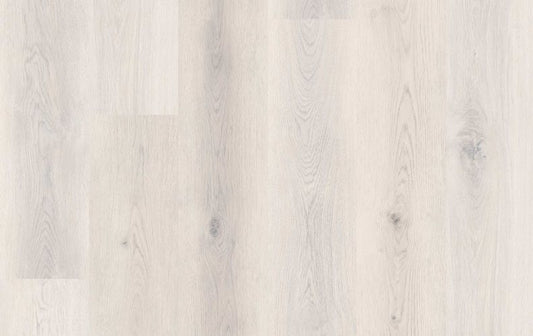

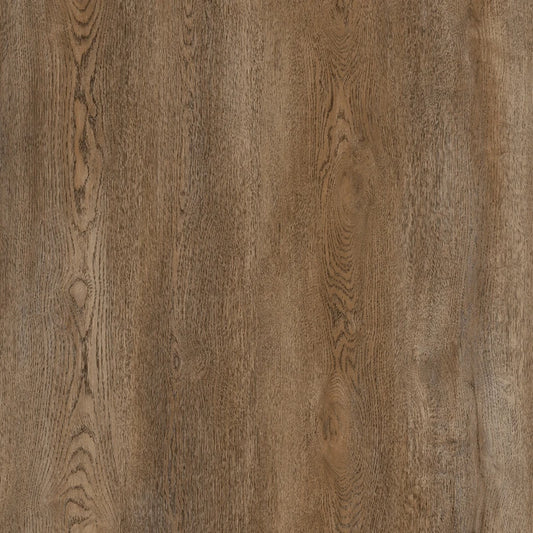

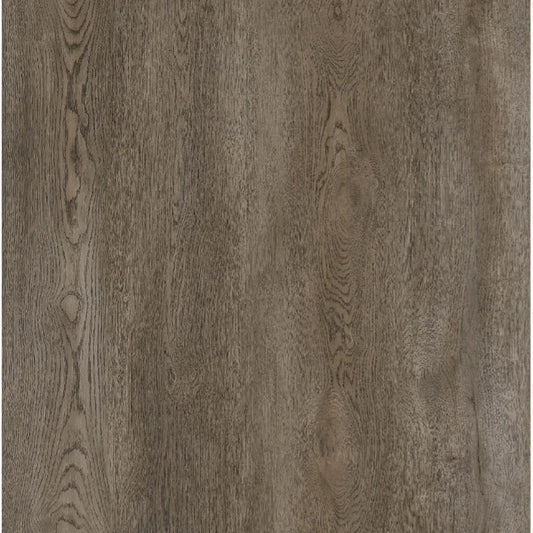

Shop 5mm Glue-Down LVT
Five-millimeter glue-down LVT provides a thicker construction than conventional low-profile dryback flooring while retaining an installation method that bonds the material to the substrate.
This category must be defined by both specifications. A floor should not qualify simply because it is 5mm thick, and a standard glue-down product should not qualify unless its total thickness is verified at 5mm.
Products may use different plank sizes, wear layers, surface textures, and approved installation methods.
What Makes 5mm Glue-Down LVT Different?
Traditional dryback LVP is frequently around 2 to 3mm thick. A 5mm construction creates additional material depth but should not automatically be treated as rigid-core SPC or floating flooring.
Depending on the product, a 5mm floor may support:
- Glue-down installation
- Loose-lay installation
- Perimeter-fix installation
- Full-spread adhesive installation
- Residential use
- Commercial use
- Individual-plank replacement
Only manufacturer-approved methods should be presented to the customer.
Total Thickness Versus Wear Layer
Five millimeters describes the complete product thickness. It does not describe the wear layer.
The wear layer is a separate protective surface measured in mils.
When comparing products, verify:
- 5mm total thickness
- Wear-layer thickness
- Protective coating
- Construction type
- Backing construction
- Surface texture
- Edge profile
- Installation method
- Residential warranty
- Commercial warranty
Two 5mm floors can have different performance levels.
Glue-Down Versus Loose-Lay Installation
Some thicker LVT constructions allow more than one installation approach.
Full Glue-Down Installation
Full-spread adhesive can provide:
- Stable attachment
- Reduced movement
- Suitability for large areas
- Greater control in commercial installations
- Support for rolling traffic where approved
- A permanent finished floor
Loose-Lay Installation
Loose-lay installation may use the floor’s weight, backing, perimeter restraint, or localized adhesive. Approval depends entirely on the product and room conditions.
Do not assume that every 5mm product can be installed loose or that every loose-lay product can be fully glued.
Where 5mm Glue-Down LVT May Be Used
Approved products may suit:
- Living areas
- Kitchens
- Bedrooms
- Hallways
- Basements
- Apartments
- Rental properties
- Offices
- Retail interiors
- Hospitality spaces
- Multifamily developments
- Tenant improvements
Verify moisture limitations, commercial approval, and warranty coverage for the intended room.
Benefits of a Thicker LVT Construction
Potential benefits may include:
- A more substantial product profile
- Different backing technologies
- Additional installation options
- Commercial-capable constructions
- Greater individual-plank weight
- Compatibility with selected renovation requirements
Thickness does not guarantee comfort, sound reduction, impact resistance, or subfloor tolerance. Those qualities require supporting manufacturer data.
Transition and Finished-Floor Height
A 5mm floor sits higher than conventional thin dryback LVP.
Before ordering, check:
- Door clearance
- Appliance clearance
- Existing flooring height
- Adjacent floor coverings
- Reducers and transitions
- Stair profiles
- Fixed cabinetry
- Expansion or perimeter requirements
- Adhesive thickness
Transition planning should occur before installation begins.
Subfloor Preparation
A thicker floor still requires an acceptable substrate.
Confirm:
- Structural stability
- Surface flatness
- Surface smoothness
- Moisture readings
- Concrete pH
- Existing adhesive residue
- Crack treatment
- Primer requirements
- Patching compatibility
- Approved adhesive
Do not market 5mm LVT as a solution for structural or flatness problems.
Commercial Project Evaluation
Commercial buyers should look beyond thickness.
Verify:
- Commercial-use classification
- Commercial warranty
- Wear-layer specification
- Rolling-load approval
- Static-load limits
- Chair-caster requirements
- Adhesive system
- Maintenance requirements
- Replacement procedure
- Transition details
- Availability for future phases
A 5mm construction does not automatically mean heavy-commercial approval.
Cleaning and Maintenance
Routine maintenance may include:
- Dry removal of grit
- Hard-floor vacuuming
- Prompt spill cleanup
- Damp microfiber cleaning
- Manufacturer-approved cleaner
- Entrance matting
- Furniture protection
- Commercial maintenance schedules where required
Avoid steam, abrasive pads, wax, polish, and harsh chemicals unless approved.
Ordering the Correct Quantity
Include flooring for:
- Cuts
- Room irregularities
- Visual blending
- Doorways and closets
- Installation waste
- Future plank replacement
- Separate project phases where batch continuity matters
The installer should confirm the final quantity and installation method before ordering.
Frequently Asked Questions
Is 5mm glue-down LVT the same as 5mm SPC?
No. Total thickness alone does not define construction. SPC normally uses a rigid core and floating click-lock installation, while qualifying 5mm LVT must have approved adhesive installation.
Is every 5mm LVT product glue-down?
No. Some products may be loose lay or floating. Glue-down approval must be confirmed.
Does thicker LVT require less subfloor preparation?
No. The substrate must still meet the product and adhesive requirements.
Can 5mm LVT be installed commercially?
Selected products may be commercially approved. Check the wear layer, warranty, adhesive, loads, and intended application.
Does 5mm glue-down flooring have an attached pad?
Not necessarily. Backing construction varies, and some backing types may affect adhesive compatibility.
Can it be installed over concrete?
Yes, where approved and where concrete moisture, pH, flatness, preparation, and adhesive requirements are satisfied.
Explore related flooring
Browse related flooring collections, brands and styles before making your final choice.