
Collection: WPC Flooring for Bathrooms
Explore WPC flooring for bathrooms with waterproof plank construction and written manufacturer approval for eligible residential spaces. Compare locking systems, surface textures, plank dimensions, wear layers, attached pads, colors, and installation requirements.
-
Seaside Summit Sandstone whisper 30mil 10mm 9.5x84 WPC Vinyl Plank
Vendor:Lions FloorRegular price From $0.00 USDRegular priceUnit price $4.39/ft² -
United Weavers Heritage Grace- 22mil 10mm 9x60 Waterproof WPC Vinyl Plank flooring
Vendor:United WeaversRegular price From $0.00 USDRegular priceUnit price $4.49/ft² -
Seaside Summit Pebble Shimmer 30mil 10mm 9.5x84 WPC Vinyl Plank
Vendor:Lions FloorRegular price From $0.00 USDRegular priceUnit price $4.39/ft² -
United Weavers Heritage Cityscape- 22mil 10mm 9x60 Waterproof WPC Vinyl Plank flooring
Vendor:United WeaversRegular price From $0.00 USDRegular priceUnit price $4.49/ft² -
Wayne Parc Macland 22mil 10mm 9x60 WPC Vinyl Plank | MSI
Vendor:MSI EverlifeRegular price From $0.00 USDRegular priceUnit price $3.99/ft² -
Revival Midtown 30 mil 12mm 9X60 WPC | United Weavers / Caspar Flooring Direct
Vendor:United WeaversRegular price From $0.00 USDRegular priceUnit price $4.99/ft² -
Seaside Summit Sunshine Sparkle 30mil 10mm 9.5x84 WPC Vinyl Plank
Vendor:Lions FloorRegular price From $0.00 USDRegular priceUnit price $4.39/ft² -
Wayne Parc Elwood 22mil 10mm 9x60 WPC Vinyl Plank | MSI
Vendor:MSI EverlifeRegular price From $0.00 USDRegular priceUnit price $3.99/ft² -
Ocean Crest - Summit Drift | 20mil 8mm 9x60 WPC Vinyl Plank | Lions Floor
Vendor:Lions FloorRegular price From $0.00 USDRegular priceUnit price $4.98/ft²$4.39 USDSale price From $0.00 USDSale -
Seaside Summit Seashell radiance 30mil 10mm 9.5x84 WPC Vinyl Plank
Vendor:Lions FloorRegular price From $0.00 USDRegular priceUnit price $4.39/ft² -
United Weavers Heritage Artisan - 22mil 10mm 9x60 Waterproof WPC Vinyl Plank flooring
Vendor:United WeaversRegular price From $0.00 USDRegular priceUnit price $4.49/ft² -
Revival Haven 30 mil 12mm 9X60 WPC | United Weavers / Caspar Flooring Direct
Vendor:United WeaversRegular price From $0.00 USDRegular priceUnit price $4.99/ft² -
Revival Realm 30 mil 12mm 9X60 WPC | United Weavers / Caspar Flooring Direct
Vendor:United WeaversRegular price From $0.00 USDRegular priceUnit price $5.49/ft² -
Ocean Crest - Morning Tide | 20mil 8mm 9x60 WPC Vinyl Plank | Lions Floor
Vendor:Lions FloorRegular price From $0.00 USDRegular priceUnit price $4.98/ft² -
Seaside Summit Seaglass luster30mil 10mm 9.5x84 WPC Vinyl Plank
Vendor:Lions FloorRegular price From $0.00 USDRegular priceUnit price $4.39/ft² -
Seaside Summit Beach Blessing 30mil 10mm 9.5x84 WPC Vinyl Plank
Vendor:Lions FloorRegular price From $0.00 USDRegular priceUnit price $4.39/ft²

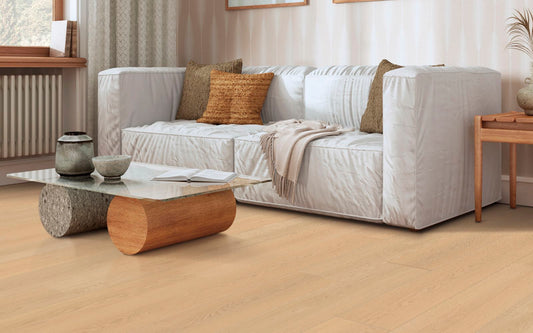
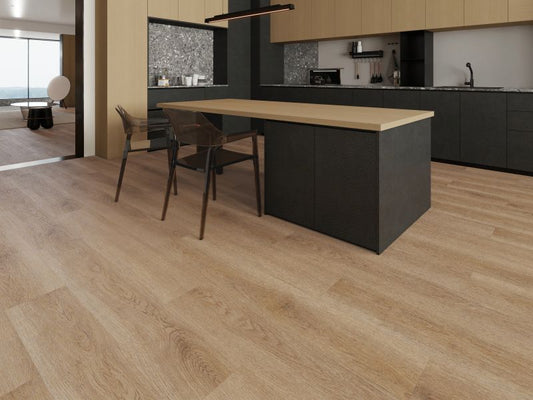
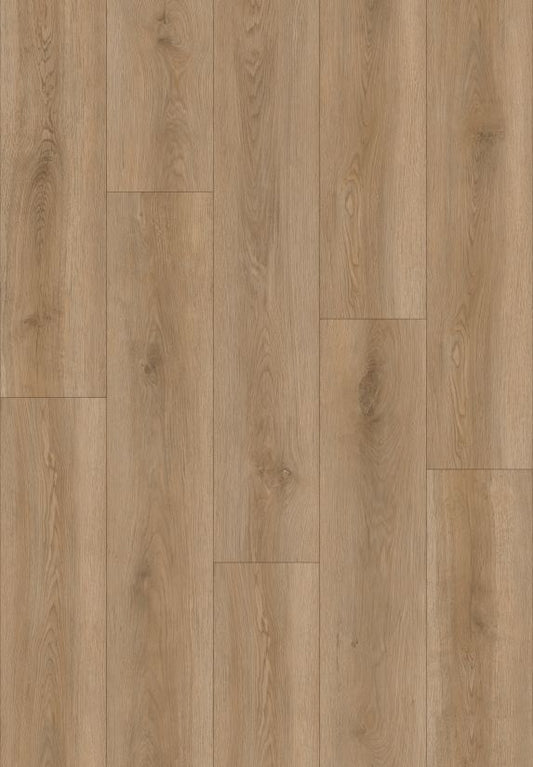

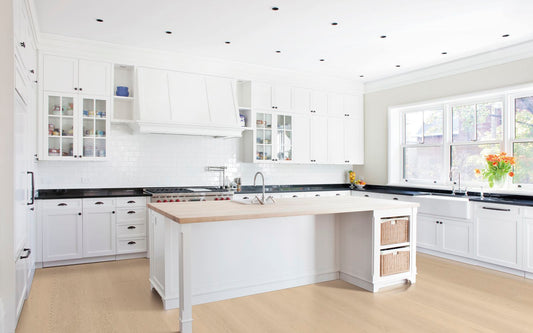
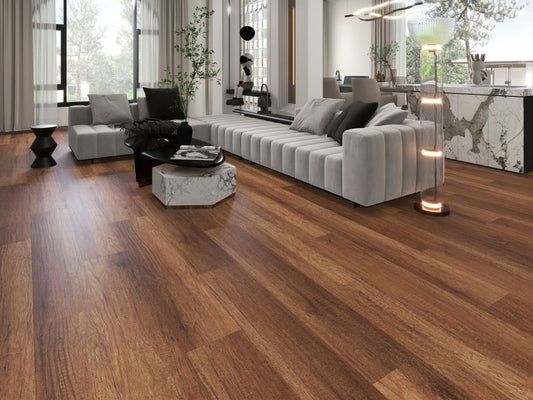
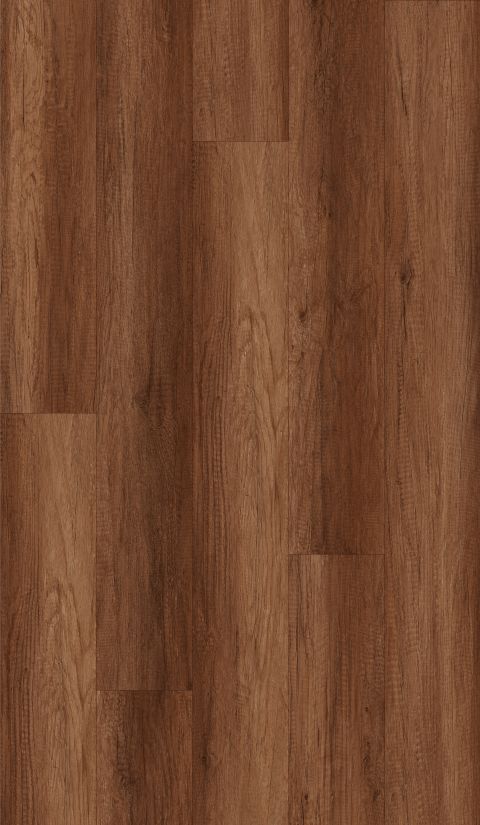

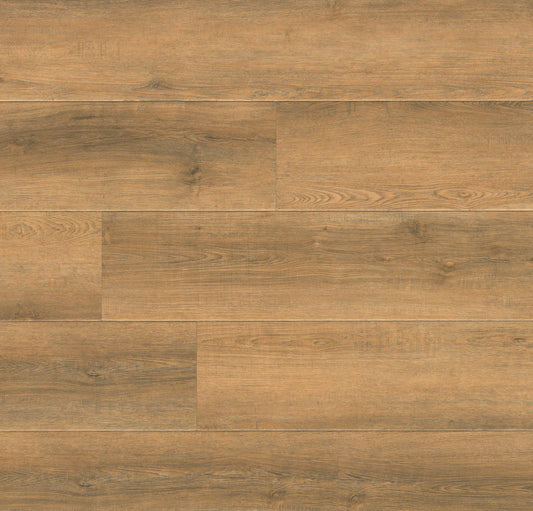
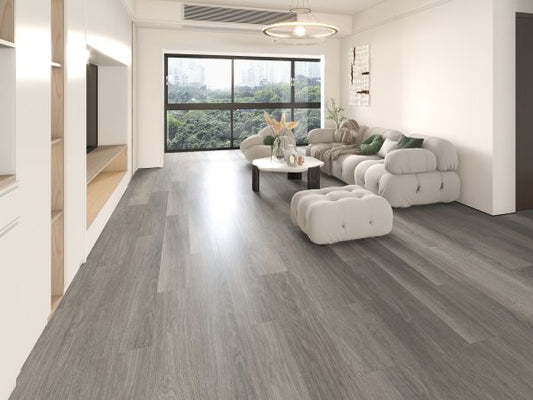
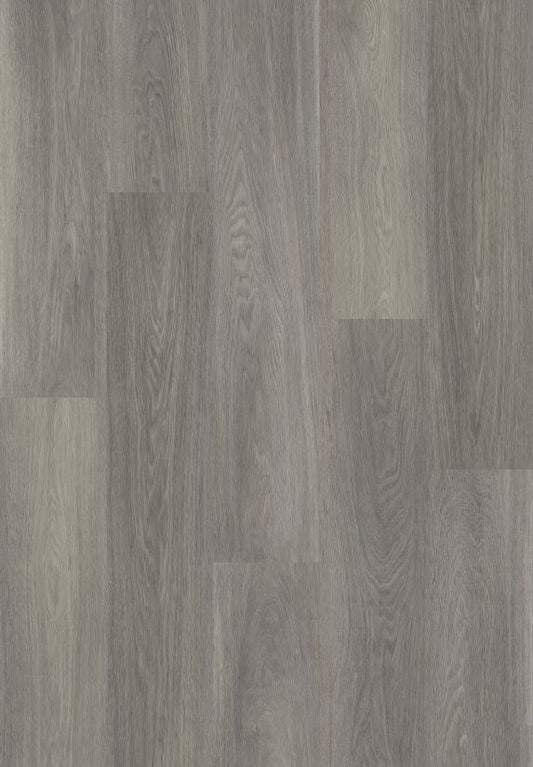
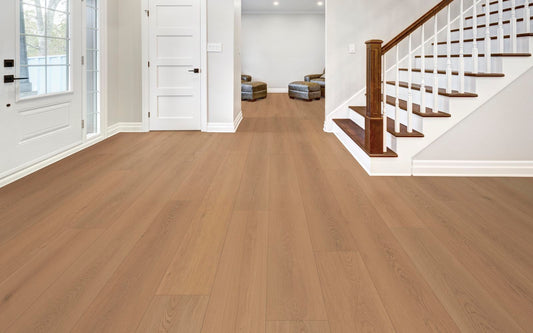
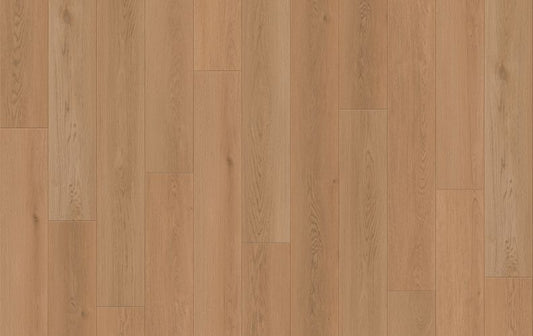
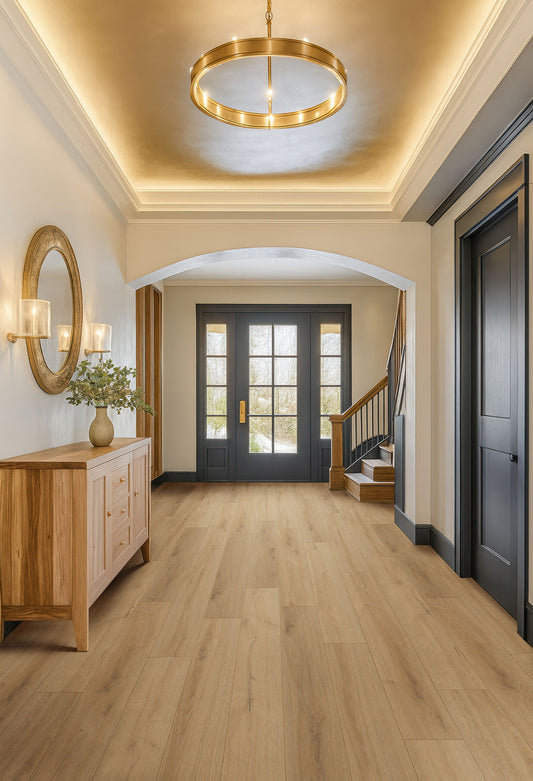
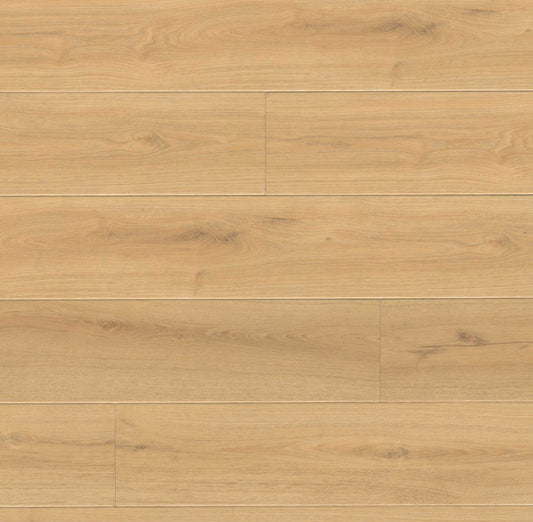
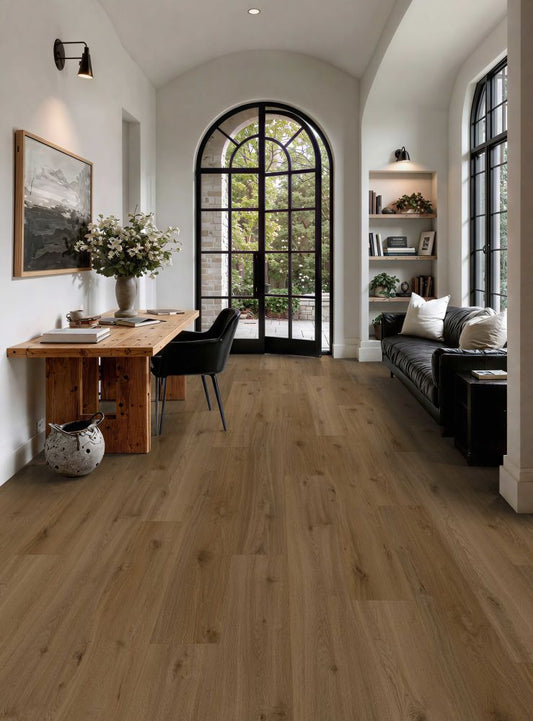
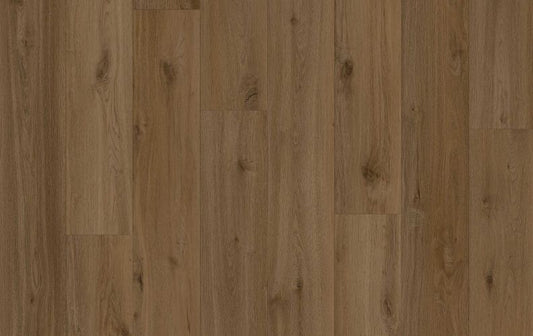

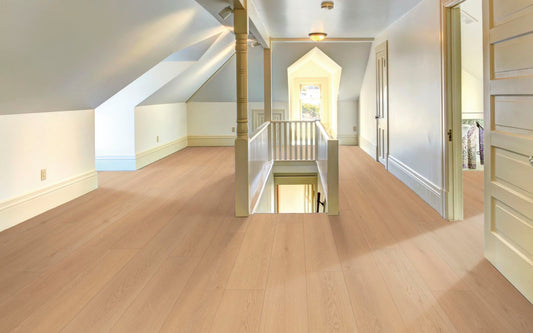
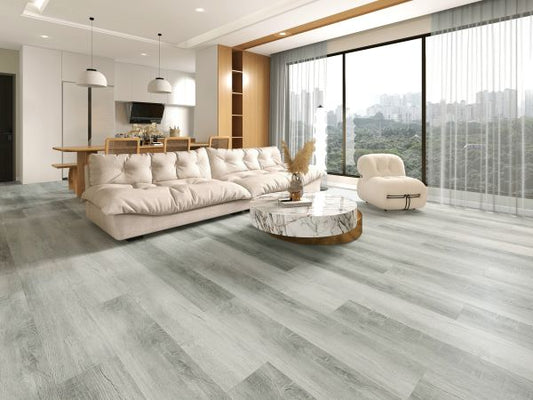
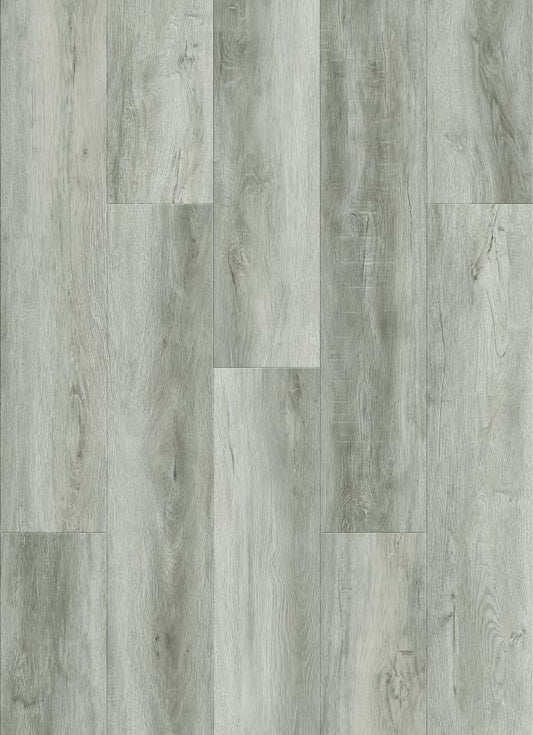
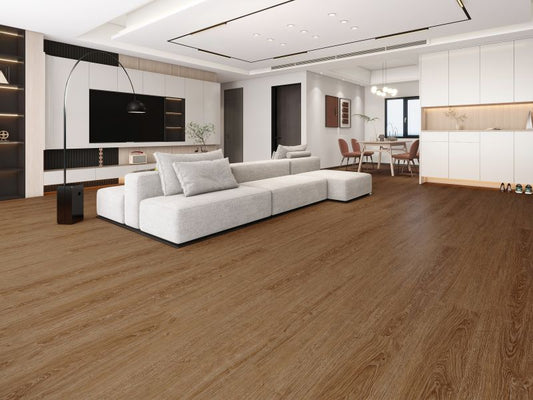
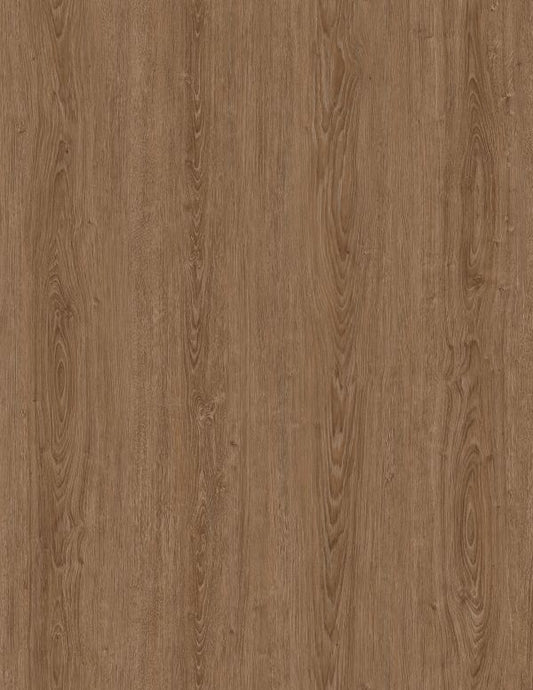
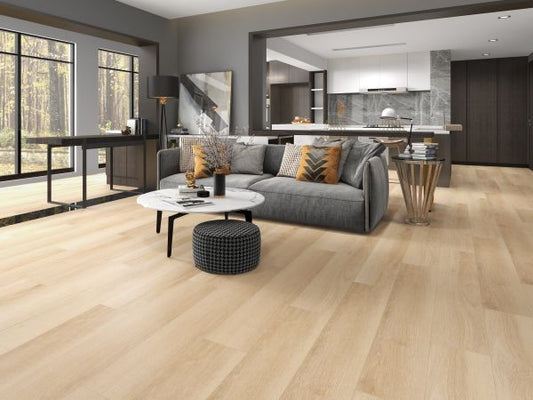
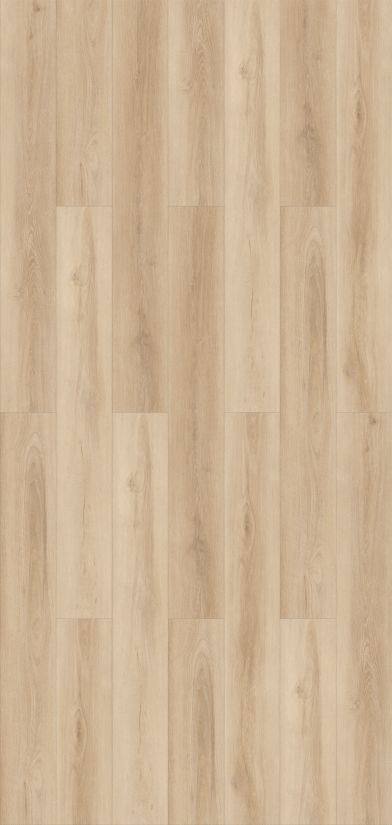

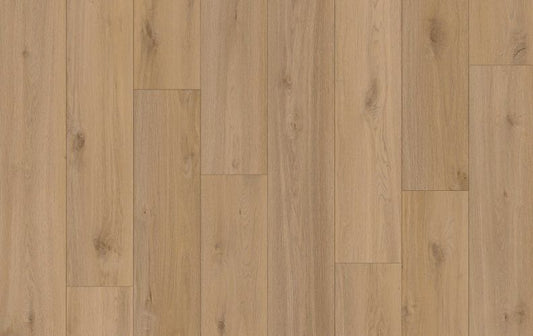

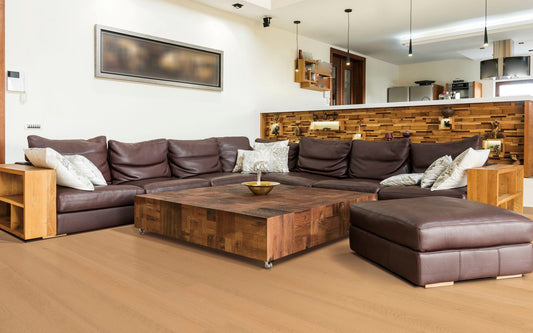

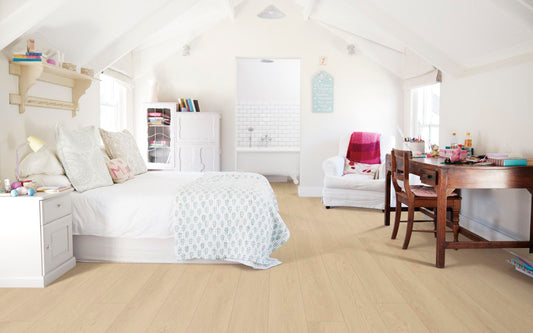
WPC Flooring for Bathrooms
WPC flooring for bathrooms includes waterproof wood plastic composite planks expressly approved by their manufacturers for eligible residential bathroom installations. These products can provide a warmer, more comfortable wood-look alternative to ceramic or porcelain tile while offering practical resistance to ordinary splashes and spills.
Waterproof planks do not automatically create a waterproof bathroom. Product approval, subfloor preparation, expansion space, perimeter treatment, plumbing penetrations, fixture placement, and prompt moisture cleanup all remain important.
Only products with documented bathroom approval should qualify for this collection. A general waterproof claim is not sufficient by itself.
Is WPC Flooring Suitable for Bathrooms?
Selected WPC products may be suitable for bathrooms when:
- The manufacturer expressly approves bathroom use
- The room remains within the required temperature range
- The subfloor meets flatness requirements
- The substrate is dry and structurally sound
- All plumbing leaks have been corrected
- Required perimeter instructions are followed
- Approved transitions are installed
- The flooring is not used inside a shower
- Expansion space is maintained
- Fixtures do not improperly pin the floating floor
The exact installation guide should be reviewed before purchasing.
What Makes WPC Flooring Waterproof?
WPC flooring generally combines a waterproof composite core with vinyl-based surface layers and a protective wear layer. Depending on the product, a typical plank may include:
- Protective surface coating
- Transparent wear layer
- Printed wood visual
- Stabilizing vinyl construction
- Waterproof WPC core
- Attached EVA or IXPE backing
- Click-lock edge system
The plank materials may resist ordinary water exposure, but water can still move around the flooring installation.
Waterproof Planks Versus a Waterproof Bathroom
This distinction is essential. Waterproof WPC planks do not automatically protect:
- The subfloor
- Drywall
- Baseboards
- Cabinets
- Vanities
- Floor vents
- Doorway transitions
- Plumbing openings
- Adjacent rooms
- Materials beneath the flooring
Water may travel through perimeter spaces or reach the substrate around toilets, tubs, vanities, and pipe penetrations.
WPC flooring should not replace a required waterproofing system in areas designed for direct, continuous water exposure.
Where WPC Should Not Be Used
Standard WPC flooring generally should not be installed:
- Inside a shower
- On shower walls
- Inside a bathtub enclosure
- In continuously wet areas
- Where water regularly pools
- Over active leaks
- Over a damaged subfloor
- In outdoor bathrooms
- In unconditioned spaces without approval
- Where the manufacturer prohibits installation
A waterproof plank is not the same as a shower-rated surface.
Benefits of Bathroom WPC Flooring
Depending on the product, potential advantages may include:
- Waterproof plank materials
- Comfortable underfoot character
- Warmer perceived feel than tile
- Realistic wood-look styling
- Wide and long plank options
- Attached resilient backing
- Matte or textured surfaces
- Straightforward routine cleaning
- Coordination with bedroom flooring
- Reduced need for cold grout lines
- Natural oak and neutral colors
- Click-lock installation where approved
Each benefit should be compared with the project’s moisture and fixture requirements.
WPC Versus Tile in Bathrooms
Tile remains a common bathroom choice because it can form part of a properly designed wet-area system. WPC offers a different set of characteristics.
WPC may provide:
- More comfortable underfoot feel
- Warmer perceived surface
- Wood-look continuity
- Fewer grout joints
- Faster floating installation
- Attached acoustic backing
- Easier coordination with adjacent rooms
Tile may provide:
- Strong compatibility with wet-area assemblies
- Greater heat resistance
- Broad traction-rating availability
- Direct bonding to prepared substrates
- Established shower applications
- High resistance to point loads
The best choice depends on the room and water-exposure level.
WPC Versus SPC in Bathrooms
Both WPC and SPC may use waterproof plank materials. WPC generally uses a less dense composite core and may feel more comfortable. SPC usually uses a denser stone-polymer core and may feel firmer.
Compare:
- Manufacturer bathroom approval
- Core construction
- Total thickness
- Wear layer
- Attached pad
- Locking system
- Surface texture
- Fixture requirements
- Perimeter instructions
- Subfloor requirements
Material category alone should not determine the choice.
Surface Texture and Wet Traction
A matte or textured floor may appear practical for a bathroom, but visual texture does not establish a certified slip-resistance rating.
Traction can be affected by:
- Standing water
- Soap
- Lotions
- Cleaning residue
- Footwear
- Bare feet
- Surface coating
- Texture
- Bath mats
- Maintenance
Wet flooring can be slippery regardless of texture. Shoppers requiring documented performance should review manufacturer testing.
Choosing a Bathroom Color
Popular bathroom WPC colors may include:
- White oak
- Blonde oak
- Natural beige
- Light greige
- Medium oak
- Soft brown
- Weathered wood
- Pale gray
Lighter flooring can create an open appearance in compact bathrooms. Medium, varied tones may conceal dust, hair, and small water spots more effectively than extremely dark or uniform surfaces.
Samples should be viewed next to:
- Vanity cabinets
- Wall tile
- Shower tile
- Countertops
- Paint
- Fixtures
- Towels
- Adjacent flooring
Floating Floors and Vanities
Many WPC products use floating installation. Floating flooring generally needs room to move within its required perimeter space.
A manufacturer may prohibit pinning the floor beneath:
- Fixed vanities
- Built-in cabinets
- Permanent partitions
- Heavy fixed fixtures
- Improperly installed trim
- Fasteners through the planks
The vanity may need to be installed before the flooring, with the WPC cut around it according to manufacturer instructions.
Toilet Installation
Toilet and flange details require careful planning. The finished-floor height may affect:
- Flange position
- Wax-ring selection
- Toilet stability
- Floor cutout
- Expansion clearance
- Leak detection
- Future toilet removal
Plumbing work should follow applicable code and professional requirements. A leaking toilet can damage the substrate even when the surrounding planks resist water.
Subfloor Preparation
The bathroom subfloor should be:
- Flat within published tolerances
- Structurally sound
- Clean
- Dry
- Free from rot
- Free from active leaks
- Properly supported
- Repaired around plumbing
- Compatible with floating installation
- Moisture tested where required
Attached padding cannot repair weak plywood, swollen seams, damaged concrete, or structural movement.
Attached Pad and Underlayment
Bathroom-approved WPC may include EVA or IXPE backing. These materials may provide resilient support and strong moisture resistance.
Do not add separate cushioned underlayment unless expressly permitted. Additional compression can stress locking joints.
The attached pad does not function as a complete bathroom waterproofing membrane.
Cleaning Bathroom WPC
Routine care may include:
- Promptly wiping water
- Removing hair and grit
- Using a hard-floor vacuum
- Damp cleaning with approved products
- Washing compatible bath mats
- Checking around toilets
Explore related flooring
Browse related flooring collections, brands and styles before making your final choice.