
Collection: Waterproof Flooring
Shop waterproof flooring for everyday spills, busy rooms and easier cleanup. Compare SPC, WPC, vinyl and qualifying waterproof laminate, with wood and tile looks to suit your home. Find the right construction, color, plank size and installation method for your space.
-
Saint Augustine Brisbane 22mil 7.5mm 9x60 SPC 100% Waterproof Vinyl Plank | United Weavers / Caspar Flooring Direct
Vendor:United Weavers$3.79 / sq. ft. $84.90 per carton · 22.39 sq. ft. / carton7.5mm22mil9x60Sale -
Lions Floor Lone Star Spirit Odessa Palm - 20mil 6mm 7x72 SPC Vinyl Plank
Vendor:Lions Floor$3.59 / sq. ft. $76.30 per carton · 21.27 sq. ft. / carton6.0mm20mil7x72 -
Lions Floor Lone Star Spirit Saddle Brownie - 20mil 6mm 7x72 SPC Vinyl Plank
Vendor:Lions Floor$3.59 / sq. ft. $76.30 per carton · 21.27 sq. ft. / carton6.0mm20mil7x72 -
Lions Floor Lone Star Spirit More Mesa - 20mil 6mm 7x72 SPC Vinyl Plank
Vendor:Lions Floor$3.59 / sq. ft. $76.30 per carton · 21.27 sq. ft. / carton6.0mm20mil7x72 -
Eden Old World 20mil 6mm 9x60 SPC Vinyl Plank | United Weavers / Caspar Flooring Direct
Vendor:United Weavers$3.21 / sq. ft. $71.50 per carton · 22.28 sq. ft. / carton6.0mm20mil9x60 -
Summer Lake Collection Ivory Fantasy 20mil 5mm 7”x48” SPC MAX | Republic Floor
Vendor:Republic Floors$3.09 / sq. ft. $74.22 per carton · 24.04 sq. ft. / carton5.0mm20mil7x48 -
Savannah Cascade 22mil 6.5mm 7x48 Vinyl Plank SPC
Vendor:Infinity Floor$4.20 / sq. ft. $100.29 per carton · 23.896 sq. ft. / carton6.5mm22mil7x48 -
United Weavers Heritage Grace- 22mil 10mm 9x60 Waterproof WPC Vinyl Plank flooring
Vendor:United Weavers$4.49 / sq. ft. $65.31 per carton · 14.53 sq. ft. / carton10.0mm22mil9x60 -
Seaside Summit Sandstone whisper 30mil 10mm 9.5x84 WPC Vinyl Plank
Vendor:Lions Floor$4.39 / sq. ft. $142.30 per carton · 32.41 sq. ft. / carton10.0mm30mil9.5x84 -
Lions Floor Lone Star Spirit Chocolat - 20mil 6mm 7x72 SPC Vinyl Plank
Vendor:Lions Floor$3.59 / sq. ft. $76.30 per carton · 21.27 sq. ft. / carton6.0mm20mil7x72 -
Eden Luxe 20mil 6mm 9x60 SPC Vinyl Plank | United Weavers / Caspar Flooring Direct
Vendor:United Weavers$3.21 / sq. ft. $71.50 per carton · 22.28 sq. ft. / carton6.0mm20mil9x60 -
Savannah Aurora 22mil 6.5mm 7x48 Vinyl Plank SPC
Vendor:Infinity Floor$4.20 / sq. ft. $100.29 per carton · 23.896 sq. ft. / carton6.5mm22mil7x48 -
Lakeside Shore 22mil 5.5mm 12x24 SPC Tile
Vendor:Infinity Floor$3.95 / sq. ft. $79.00 per carton · 20.021 sq. ft. / carton5.5mm22mil12x24 -
Camden Vanguard 20mil 7mm 9x60 SPC Vinyl Plank | United Weavers
Vendor:United Weavers$3.49 / sq. ft. $64.90 per carton · 18.57 sq. ft. / carton7.0mm20mil9x60 -
Seaside Summit Pebble Shimmer 30mil 10mm 9.5x84 WPC Vinyl Plank
Vendor:Lions Floor$4.39 / sq. ft. $142.30 per carton · 32.41 sq. ft. / carton10.0mm30mil9.5x84 -
Misty Tree Collection Creama Brazil – 20mil Pure MAX SPC™ Waterproof Flooring 5.5mm 9x72
Vendor:Republic Floors$3.19 / sq. ft. $86.80 per carton · 27.17 sq. ft. / carton5.5mm20mil9x72
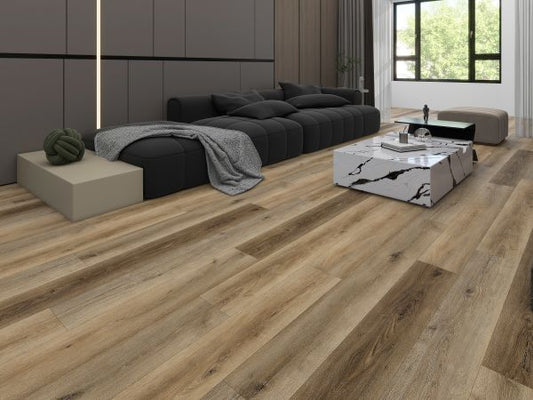
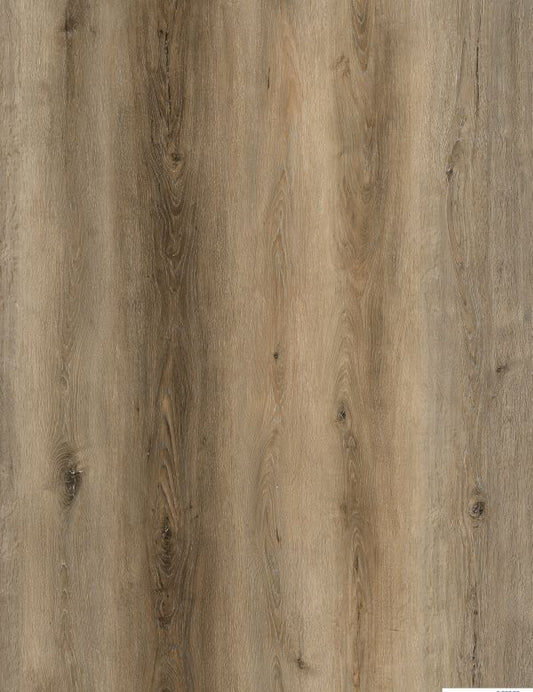

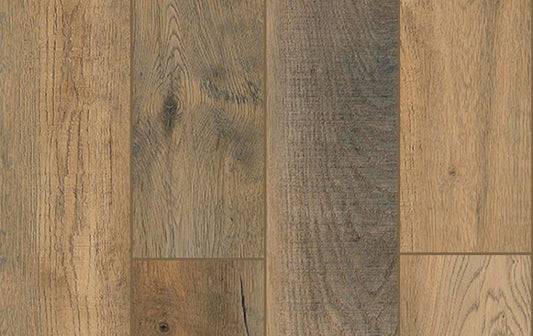
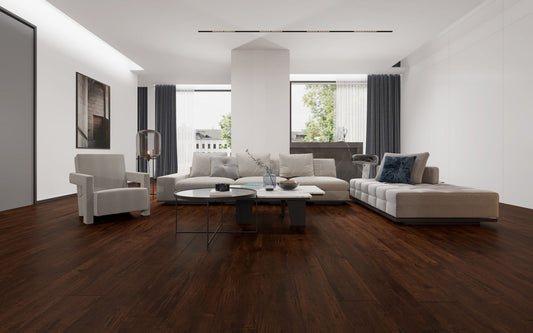


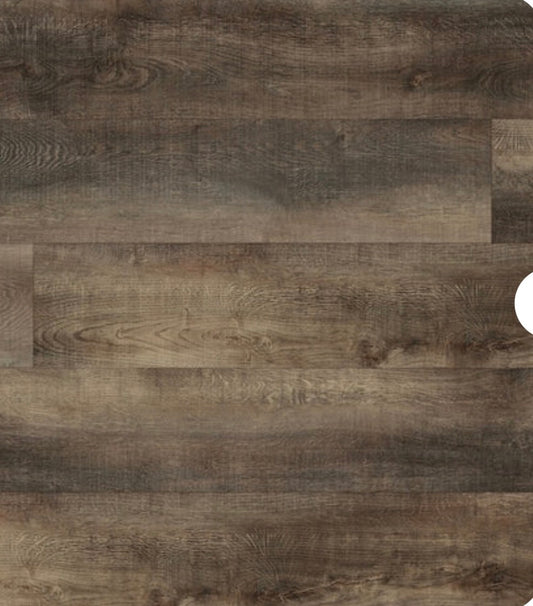
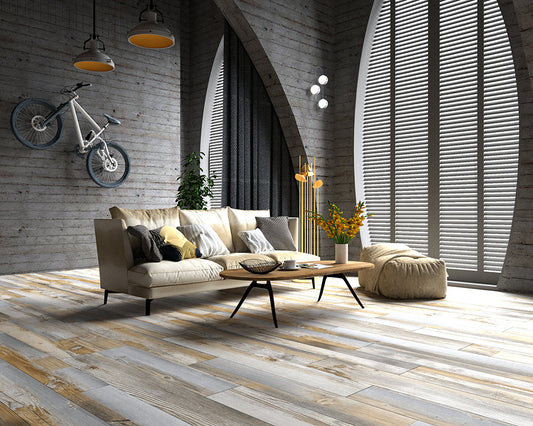
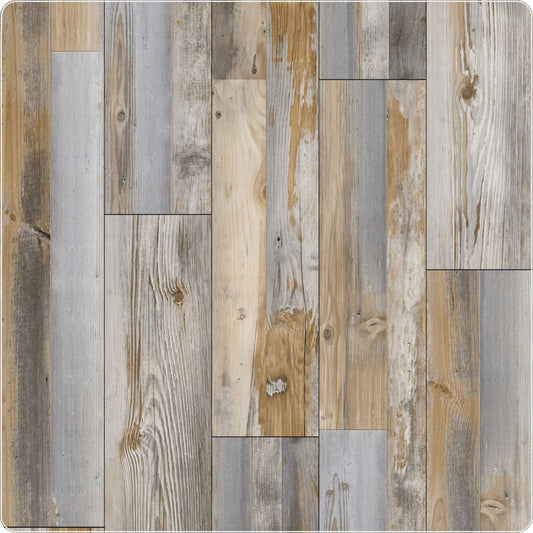
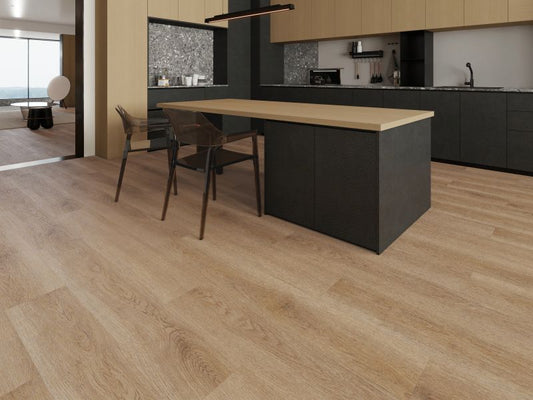

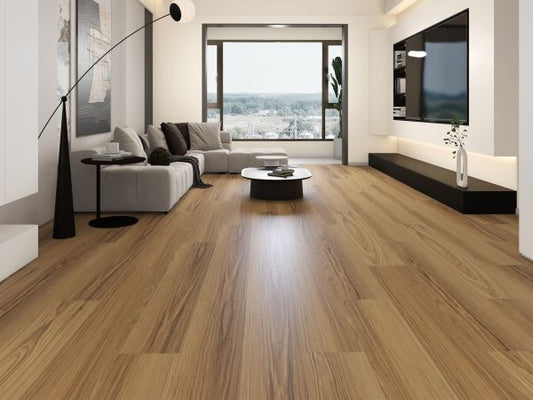
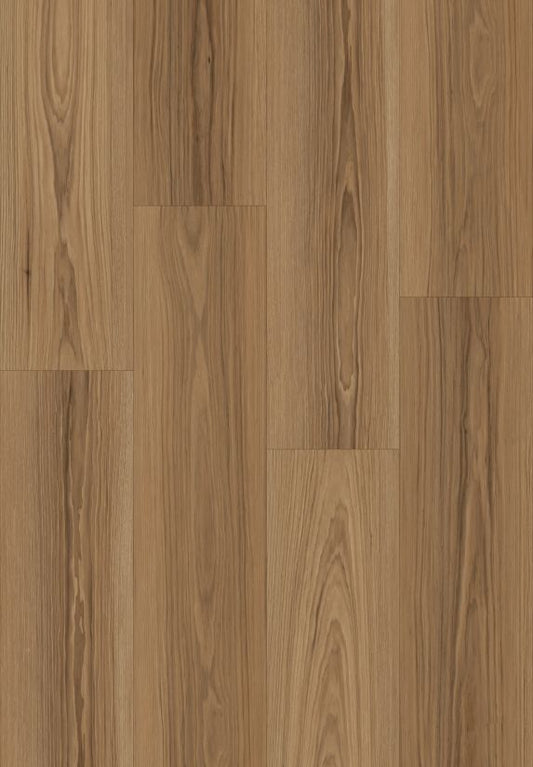
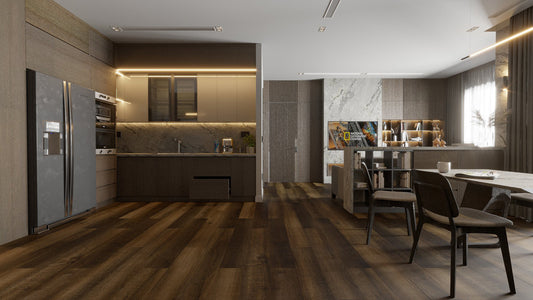


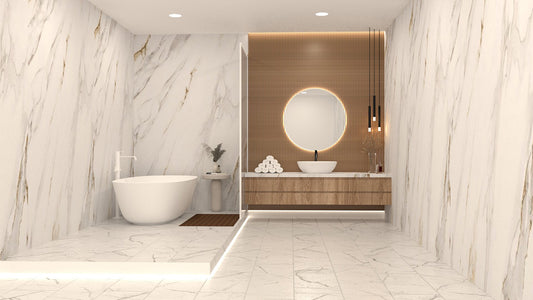
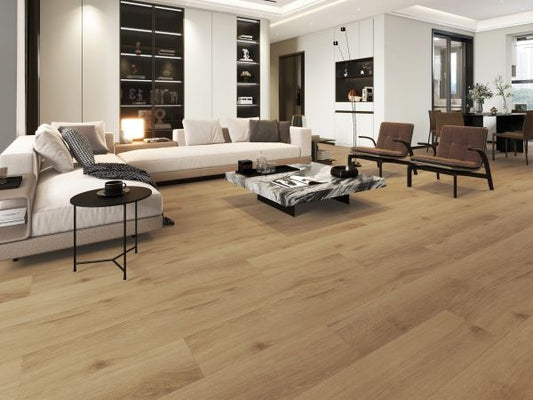
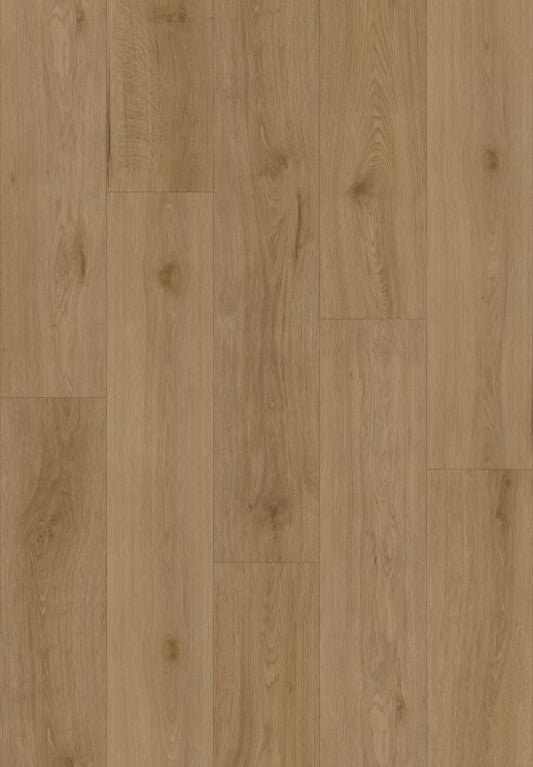

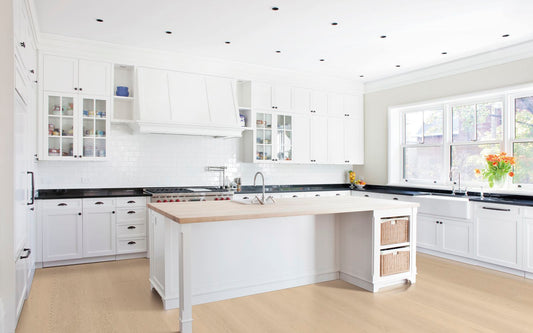
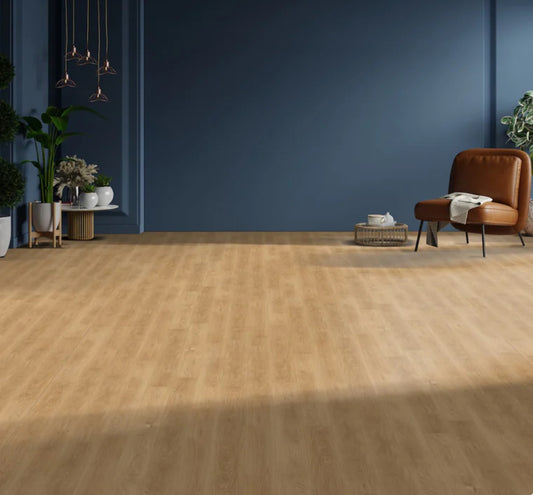
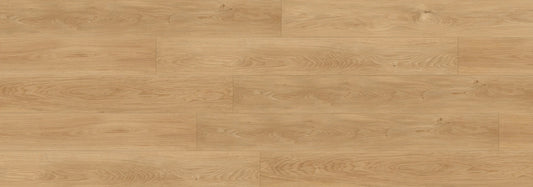
Waterproof Flooring
Waterproof flooring helps you build a room around a material designed to handle ordinary surface spills. This collection includes verified waterproof vinyl constructions and qualifying waterproof laminate. The products differ in core material, feel, surface protection, thickness and installation method, so choosing by the word waterproof alone leaves important questions unanswered.
Start with the room, the subfloor and the household’s daily routine. A kitchen, family room and finished basement may each need a different combination of moisture control, surface durability and comfort. Compare the exact product instructions with your installation conditions before making the final choice.
What Does Waterproof Flooring Mean?
Waterproof describes a product’s stated performance under specified conditions. It does not turn the entire room into a waterproof enclosure. Seams, edges, walls and the subfloor remain part of the installation, and water can reach areas that the flooring material does not protect.
Ordinary spills should still be cleaned promptly. A plumbing leak, flood or persistent moisture problem needs attention even when the flooring itself has a waterproof classification. Check the manufacturer’s instructions for wet areas, perimeter treatment and any limits on moisture exposure.
This collection excludes products identified only as water resistant unless they also have a verified waterproof classification. The distinction helps you compare relevant products without assuming that similar looking surfaces perform identically.
Waterproof Vinyl: SPC, WPC and Other Constructions
Waterproof vinyl is available in several constructions. SPC has a dense rigid core. WPC uses a different composite core and is often considered for its more forgiving feel underfoot. Flexible glue down vinyl and suitable loose lay products offer additional installation choices.
Explore SPC vinyl plank flooring when you want a firm rigid core surface with wood inspired designs. Core quality, locking system, backing and surface coating all affect the complete product.
Compare WPC flooring when comfort is an important part of the decision. A softer feeling construction still needs a properly prepared subfloor and appropriate surface protection for the room. Choose the material using its published details rather than relying on a general category description.
Where Waterproof Laminate Fits
Qualifying waterproof laminate combines a laminate construction with a specific moisture performance classification. It can be worth comparing when you prefer the visual character or surface feel of laminate and want suitable protection against ordinary spills.
Browse waterproof laminate flooring to examine those options separately from vinyl. Confirm the exact moisture instructions, including any conditions for seams, edges and perimeter sealing. A waterproof claim for one laminate range should not be applied to every laminate product.
Laminate abrasion ratings and vinyl wear layers also use different measurements. An AC rating should be compared within the laminate category. A mil wear layer should be compared within vinyl. Neither measurement describes the whole installation or replaces the moisture instructions.
Choosing Flooring for Kitchens and Family Spaces
Kitchens need easy routine cleaning, suitable performance around appliances and a layout that works with cabinets and adjoining rooms. Waterproof materials can help with ordinary cooking spills, but they do not eliminate the need to fix leaks or dry wet areas.
Explore SPC flooring for kitchens when comparing a firm wood look surface for that application. Review the instructions around fixed islands and cabinets, especially for floating installations that need movement space.
For family rooms, think about walking comfort, furniture, pets and the amount of tracked debris. A grain pattern or moderately varied color can influence how visible everyday dust looks. It does not replace cleaning or protect against sharp furniture edges.
Waterproof Flooring for Bathrooms and Basements
Bathrooms require attention to water at the perimeter, toilets, tubs and doorways. Select products that permit the room and follow the required installation details. A wood look design can soften the appearance of a bathroom, but appearance alone does not establish suitability.
Basements introduce separate questions about slab moisture, installation grade and indoor conditions. A waterproof plank can coexist with a damp substrate that still needs correction. Test and prepare concrete before installation, and resolve the source of ongoing moisture.
Think about drainage, plumbing and ventilation alongside flooring selection. Persistent humidity or standing water is a building condition to address, not a reason to skip preparation because the chosen floor has a waterproof classification.
Thickness, Wear Layers and Finished Floor Height
Total thickness helps you plan transitions and clearances. Vinyl wear layer thickness relates to the protective surface layer above the decorative image. These are different specifications, and a thicker plank does not automatically have a thicker wear layer.
Compare thick waterproof flooring if you need a more substantial overall profile. Check the finished floor height at doors, stairs and appliances. The thickness shown may include attached backing, so confirm how the manufacturer states the measurement.
Choose surface protection for the room’s expected use, then compare the rest of the construction. Locking quality, core design, coating and installation preparation remain important even when two products share the same wear layer number.
Wood Looks, Tile Looks and Undertones
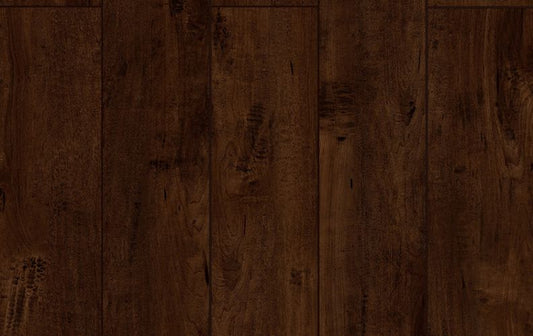
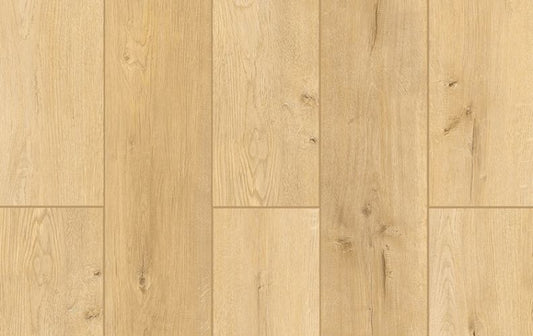
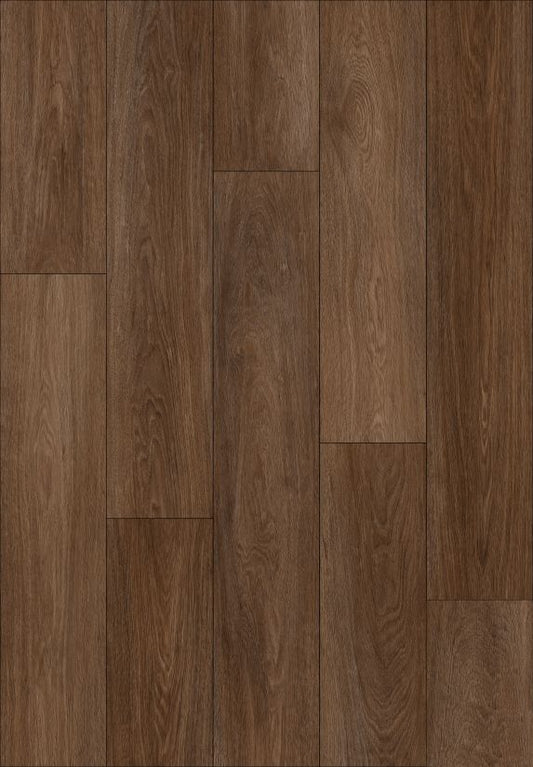
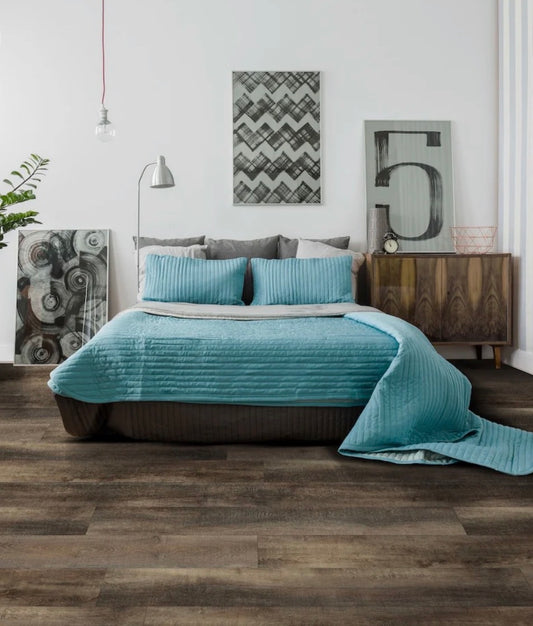
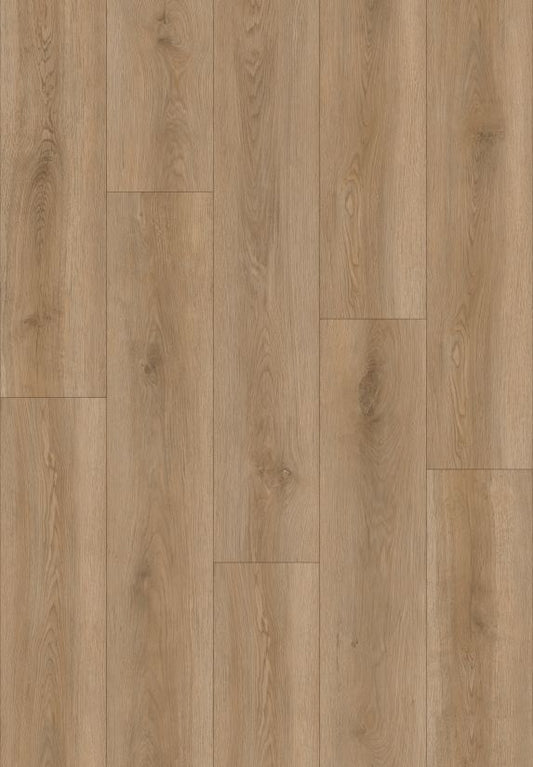
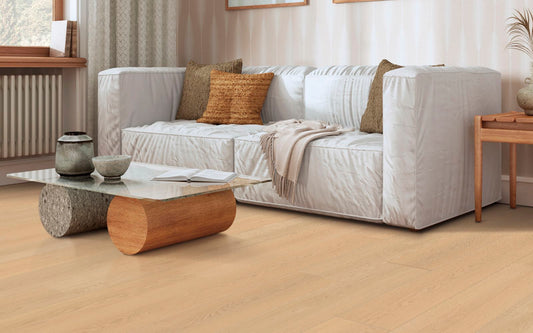
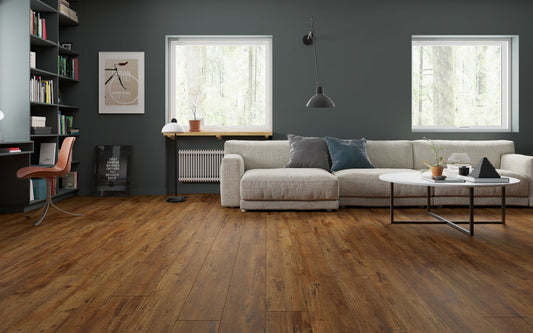
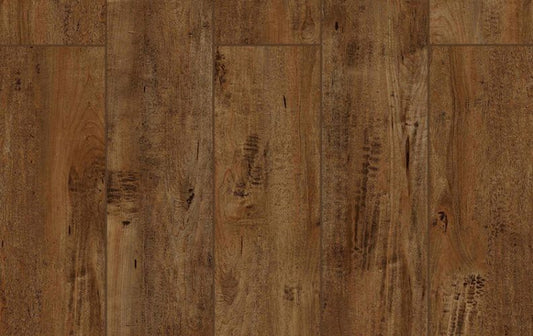
Waterproof flooring can support light oak inspired rooms, warm natural interiors, greige palettes and darker designs. Some products use rectangular tile formats with stone inspired surfaces. Select the appearance that suits your room, then check the construction behind it.
Samples should be reviewed beside cabinets, counters, walls and nearby flooring. Warm evening lighting can shift a neutral floor toward beige, while daylight may reveal gray or other undertones. Place samples horizontally to see them as they will appear after installation.
Plank width and length affect the number of visible joints. Wider formats can create a calmer foundation, while smaller formats provide a different scale. Room size, floor direction and tonal variation should be considered together.
Installation Method and Subfloor Preparation
Floating flooring connects at the joints and rests over the prepared substrate. Glue down flooring uses a suitable adhesive system to bond to that substrate. These methods have different preparation, layout and movement requirements.
Browse glue down luxury vinyl flooring if you are considering an adhered installation. Check adhesive compatibility, moisture testing, curing and the subfloor conditions required for the specific product.
For every method, flatness matters. Attached backing does not repair an uneven substrate and should not be treated as an automatic substitute for a required moisture layer. Discuss preparation with the installer before comparing the final material price.
Cleaning, Pets and Everyday Use
Choose cleaning methods that match the exact flooring instructions. Remove grit, protect furniture contact points and clean spills promptly. Waterproof performance does not imply immunity to scratches, dents or surface wear.
Pets add cleaning and traction considerations. Review the actual texture on a sample rather than assuming that a visibly textured print provides a particular slip performance. Keep nails maintained and use suitable entrance mats to reduce tracked abrasive debris.
When ordering, calculate the project area and an appropriate waste allowance for the layout. Confirm transitions and installation materials at the same time. An organized material plan helps you compare the complete project rather than choosing solely by the price of the flooring.
Frequently Asked Questions
Is waterproof flooring the same as water resistant flooring?
No. The terms describe different stated levels of moisture performance. Check the exact product classification and instructions instead of assuming the words are interchangeable.
Does waterproof flooring protect the subfloor from flooding?
No. The flooring material’s classification does not make seams, room boundaries or the underlying structure flood proof. Leaks and persistent moisture need prompt investigation and correction.
Which waterproof flooring feels more comfortable?
WPC is often considered for a more forgiving feel, while SPC is generally firmer. Samples help you compare actual products because backing, thickness and construction also affect how a floor feels.
Can waterproof flooring be installed in a basement?
Products approved for below grade use may be suitable. Concrete moisture testing, flatness, indoor conditions and required moisture protection still need to meet the exact installation instructions.
Is every laminate floor waterproof?
No. Only products with a verified waterproof classification belong in that comparison. Other laminate products may be water resistant or have different moisture limitations.
What should I compare before buying waterproof flooring?
Compare the core material, total thickness, surface protection, backing, dimensions and installation method. Then check room approval, subfloor preparation and how the color looks in your actual lighting.
Explore related flooring
Browse related flooring collections, brands and styles before making your final choice.