
Collection: Realistic Wood-Look Laminate Flooring
Shop realistic wood-look laminate flooring with high-definition grain, matte finishes, natural bevels, and advanced surface texture. Compare EIR designs, plank sizes, thicknesses, abrasion classes, water ratings, colors, and variation.
-
Comfort Heights - River Walk | AC4 12mm 9x60 Laminate | Lions Floor
Vendor:Lions FloorRegular price From $0.00 USDRegular priceUnit price $3.99/ft² -
Comfort Heights - Maple Garden | AC4 12mm 9x60 Laminate | Lions Floor
Vendor:Lions FloorRegular price From $0.00 USDRegular priceUnit price $3.99/ft² -
Comfort Heights - Baywood Place |AC4 12mm 9x60 Laminate | Lions Floor
Vendor:Lions FloorRegular price From $0.00 USDRegular priceUnit price $4.19/ft² -
Comfort Heights - Village Park | AC4 12mm 9x60 Laminate | Lions Floor
Vendor:Lions FloorRegular price From $0.00 USDRegular priceUnit price $3.99/ft² -
Haven Heights Parkside Lane AC3 10mm 9.25x60 Laminate
Vendor:Lions FloorRegular price From $0.00 USDRegular priceUnit price $3.39/ft² -
Comfort Heights - County Aura | AC4 12mm 9x60 Laminate | Lions Floor
Vendor:Lions FloorRegular price From $0.00 USDRegular priceUnit price $3.89/ft² -
Bear Woods - Crystal Yellow | 12mm AC5 Waterproof Laminate Flooring | 9” x 72” Extra Long Planks
Vendor:Republic FloorsRegular price From $0.00 USDRegular priceUnit price $4.09/ft² -
North Forest Norwegian Rose 12mm AC5 Waterproof Laminate Flooring | 9” x 72” Extra Long Planks
Vendor:Republic FloorsRegular price From $0.00 USDRegular priceUnit price $3.99/ft² -
North Forest Spanish Gold – 12mm AC5 Waterproof Laminate Flooring | 9” x 72” Extra Long Planks
Vendor:Republic FloorsRegular price From $0.00 USDRegular priceUnit price $3.99/ft² -
Malta Islands - Ash Grey | AC4 12.3mm 7.75x48 Waterproof Laminate | Republic Floor
Vendor:Republic FloorsRegular price From $0.00 USDRegular priceUnit price $3.95/ft² -
Platinum - Brazilian Tigerwood | AC4 12.3mm 5.5x48 Laminate | Republic Floors
Vendor:Republic FloorsRegular price From $0.00 USDRegular priceUnit price $3.29/ft² -
Comfort Heights - Cedar View | AC4 12mm 9x60 Laminate | Lions Floor
Vendor:Lions FloorRegular price From $0.00 USDRegular priceUnit price $3.89/ft² -
Comfort Heights - Pine Ridge | AC4 12mm 9x60 Laminate | Lions Floor
Vendor:Lions FloorRegular price From $0.00 USDRegular priceUnit price $3.89/ft² -
Comfort Heights - City Pointe | AC4 12mm 9x60 Laminate | Lions Floor
Vendor:Lions FloorRegular price From $0.00 USDRegular priceUnit price $3.89/ft² -
Comfort Heights - Camden Ridge | AC4 12mm 9x60 Laminate | Lions Floor
Vendor:Lions FloorRegular price From $0.00 USDRegular priceUnit price $3.89/ft² -
Black Forest Collection - Shadow Oak | AC4 12mm 7.7x51 | Waterproof Laminate - Muller Graff
Vendor:Muller GraffRegular price From $0.00 USDRegular priceUnit price $3.39/ft²

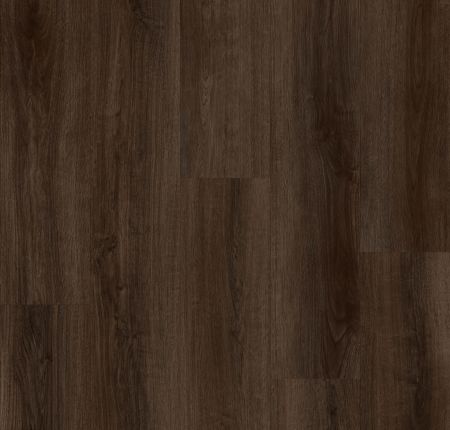
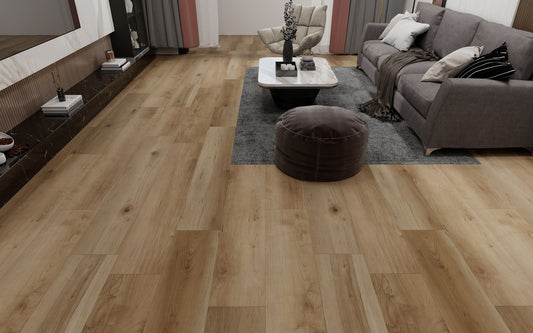
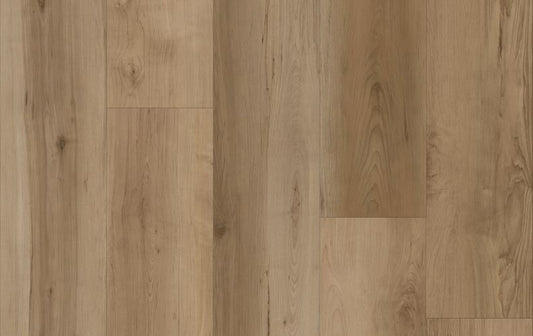
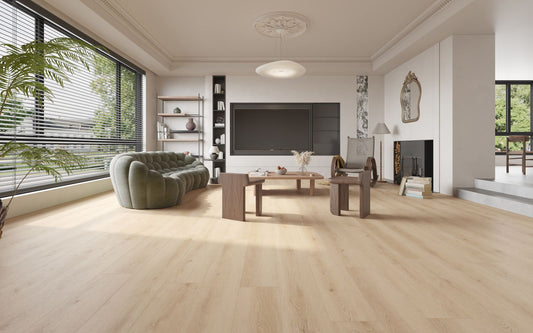
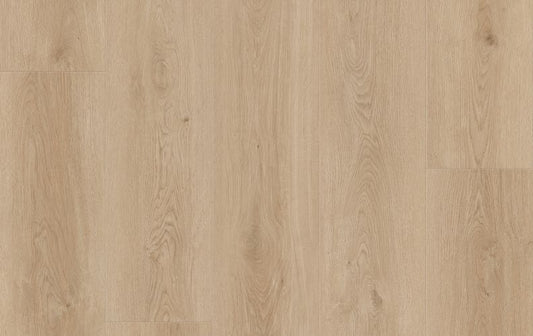
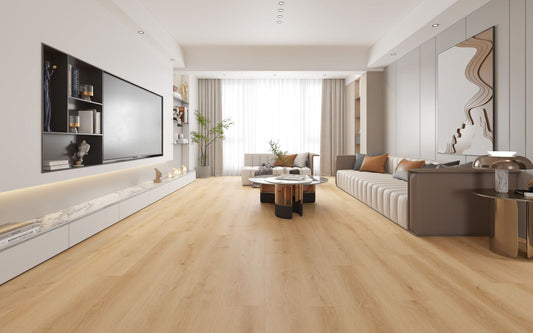
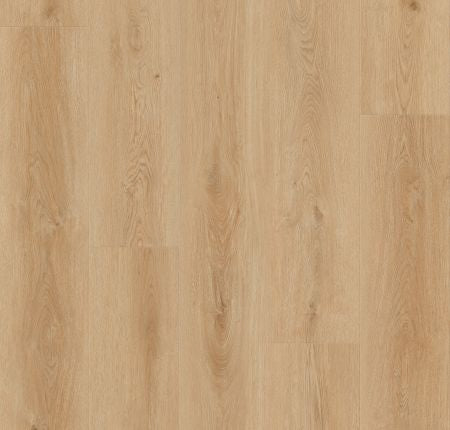
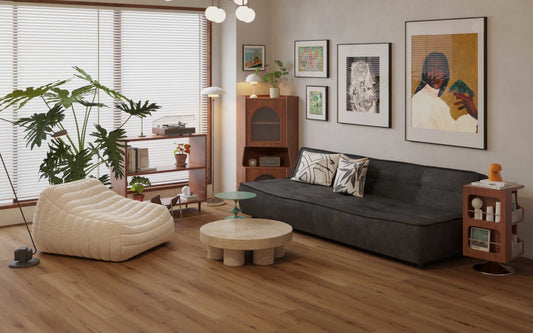
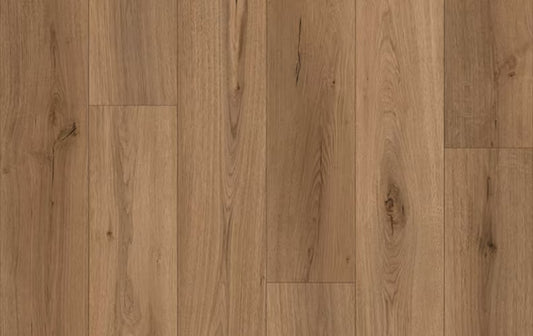
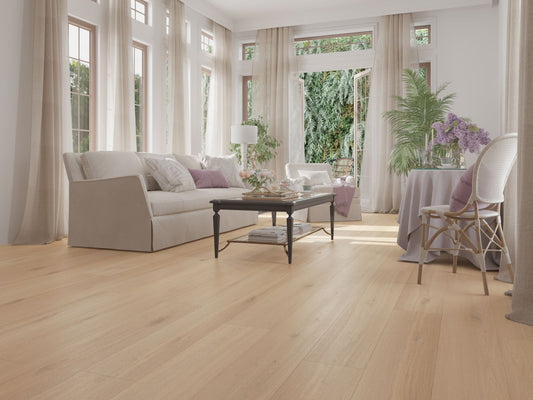
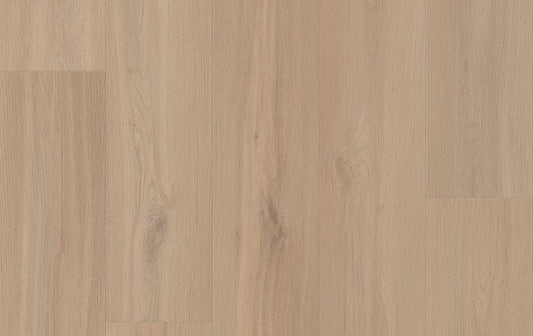
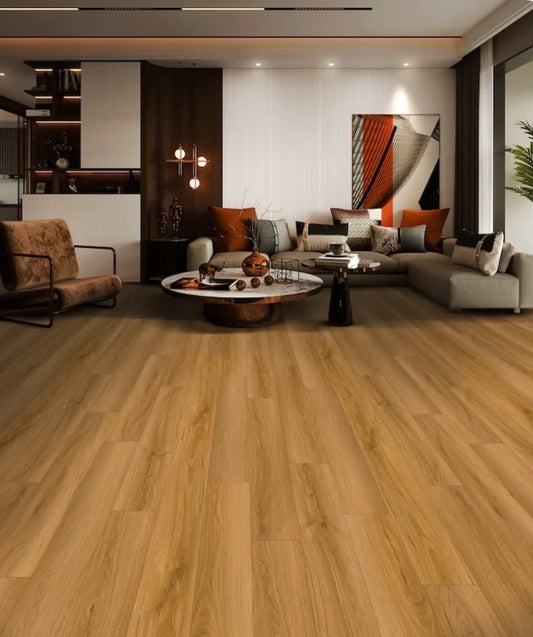
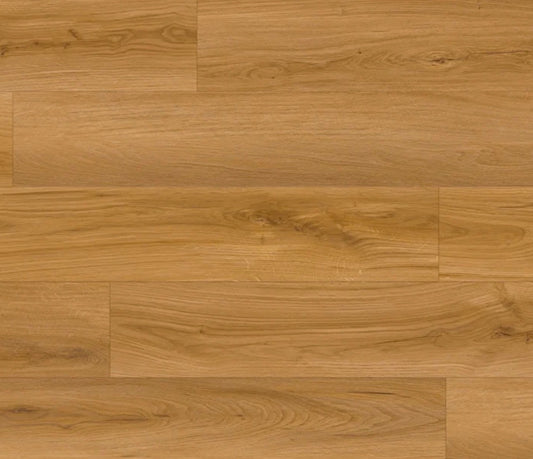
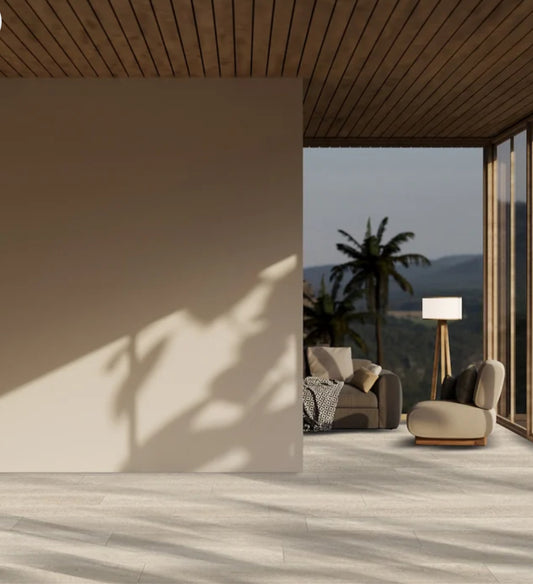
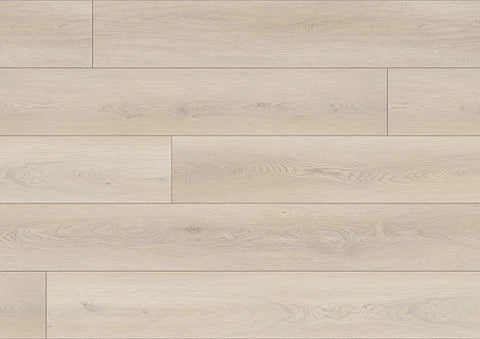


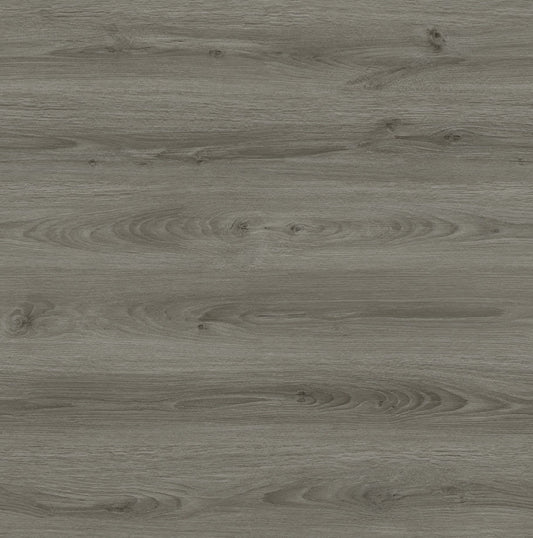

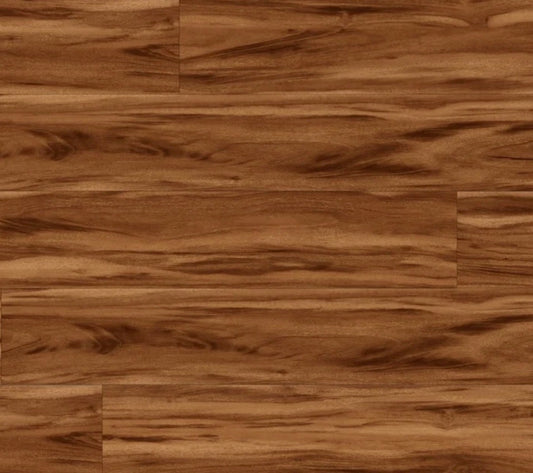
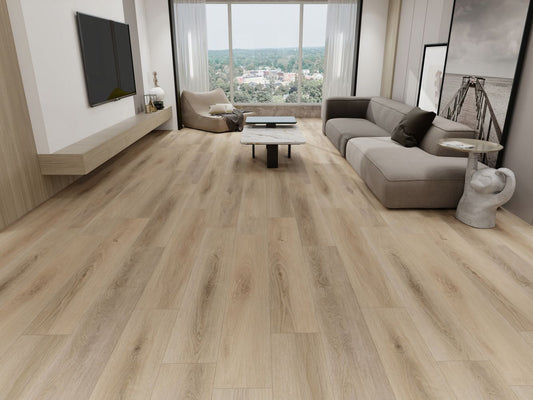
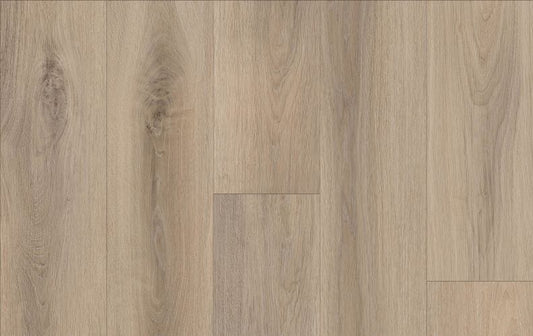
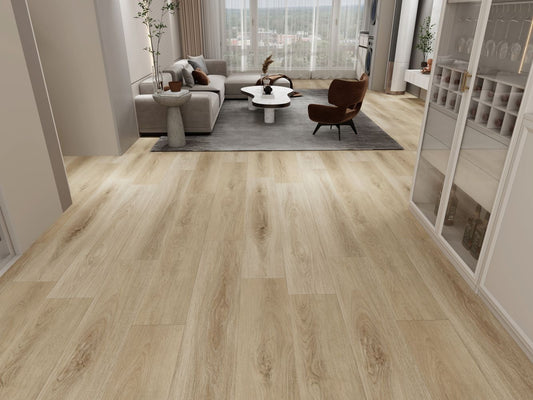
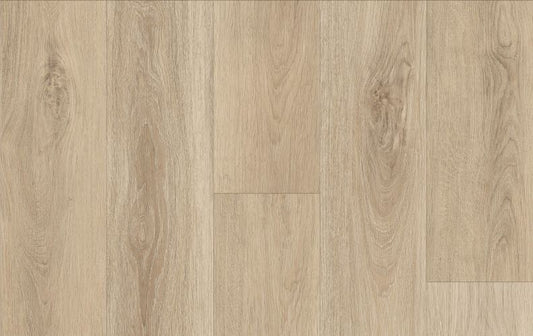
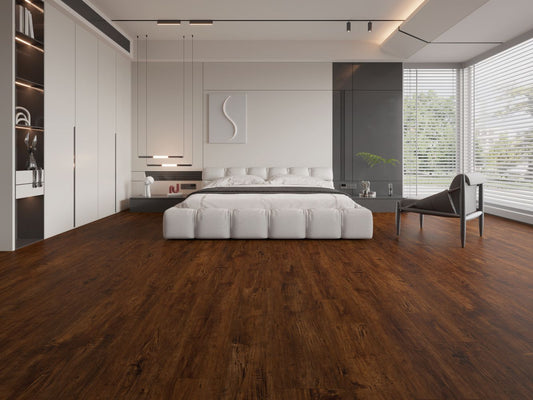
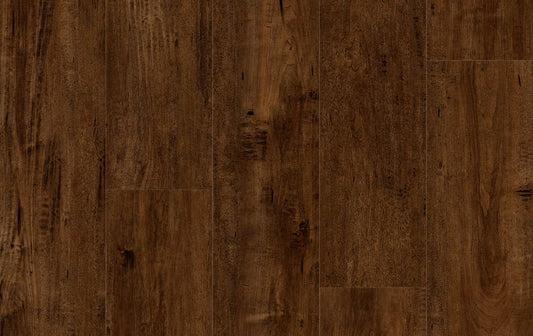
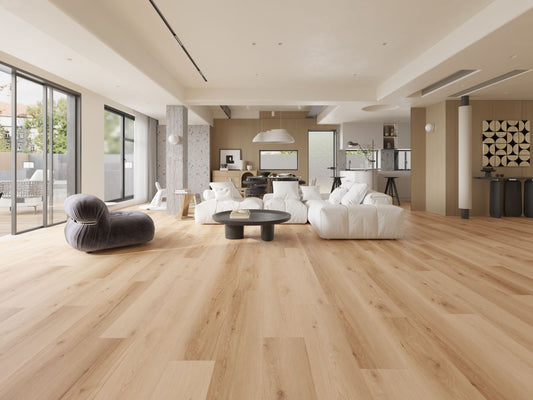
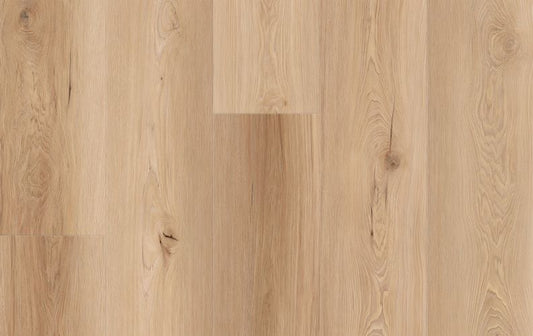

Realistic Wood-Look Laminate Flooring
Realistic wood-look laminate flooring uses advanced printing, pressing, texture, edge, and finish technology to recreate the appearance of hardwood. Premium products can reproduce oak pores, knots, grain movement, mineral streaks, saw marks, bevels, and board-to-board variation with impressive detail.
This category is intended for shoppers who like the appearance of wood but want to compare modern laminate construction, surface durability, water performance, and floating installation.
Laminate Has Changed Dramatically
Many homeowners still judge laminate by products installed during the 1990s and early 2000s. Those floors commonly used limited print films, obvious pattern repetition, glossy coatings, shallow random embossing, and plain-looking edges.
Modern realistic laminate may use:
- High-resolution photographic scans
- Larger source images
- Multiple plank faces
- Longer pattern repeats
- Embossed-in-register texture
- Oak-pore detailing
- Pressed bevels
- Painted or coordinated edges
- Ultra-matte finishes
- Wide and extra-long planks
- Improved locking systems
- Denser core construction
The difference can be substantial when premium modern laminate is viewed and handled in person.
What Makes Laminate Look Real?
No single feature determines realism. The strongest designs combine several technologies.
Important characteristics include:
- Texture aligned with visible grain
- Natural rather than glossy reflection
- Realistic plank proportions
- Varied board images
- Believable knots and mineral marks
- Edge color matching the design
- Appropriate bevel depth
- Layered color variation
- Reduced image repetition
- Detailed end and side joints
A floor with excellent imagery but random texture may look less natural at close range than a well-executed EIR product.
Embossed-in-Register Texture
EIR synchronizes the physical texture with the printed design. Visible grain lines, knots, pores, and cracks may have corresponding raised or recessed details.
Benefits may include:
- Greater visual depth
- Improved tactile realism
- Natural shadow
- More convincing knots
- Better light interaction
- Hardwood-inspired texture
Standard embossing can create texture, but it does not necessarily follow the image.
Matte Versus Glossy Finishes
Many contemporary hardwood floors use low-gloss finishes. Modern laminate follows this design direction with matte or ultra-matte surfaces that reduce artificial reflection.
Matte finishes may:
- Make grain appear more natural
- Reduce visible glare
- Disguise minor smudges
- Support modern styling
- Create a softer room appearance
Gloss level does not independently determine abrasion performance or cleaning requirements.
Pattern Repetition
Repeated knots or grain features can reveal that a floor is manufactured. Products with more unique plank faces and larger pattern repeats can create a more varied installation.
Installers should also:
- Mix several cartons
- Identify distinctive boards
- Separate matching images
- Rotate planks where permitted
- Distribute character evenly
- Review the layout regularly
Wide and Long Planks
Large plank formats can help laminate resemble premium hardwood by displaying more grain and reducing visible seams.
However, wide and long boards also require:
- Flat subfloors
- Careful handling
- Intentional staggering
- Proper expansion space
- Accurate layout planning
- Protection of locking edges
Realistic Laminate Versus Engineered Hardwood
Engineered hardwood has a genuine wood veneer. Realistic laminate uses a decorative wood image.
Laminate may offer:
- Durable surface performance
- More controlled color
- Water-resistant options
- Efficient floating installation
- Consistent factory construction
- Lower maintenance requirements
Engineered hardwood provides authentic grain because the visible surface is genuine wood. Samples should be compared in person.
Frequently Asked Questions
Can laminate really look like hardwood?
Yes. EIR texture, high-definition printing, matte finishes, natural bevels, wide planks, and greater pattern variation can create convincing results.
What does EIR mean?
It means embossed in register: surface texture is aligned with the printed wood grain.
Does thicker laminate look more realistic?
Not automatically. Imaging, texture, bevels, variation, and gloss level affect appearance more directly.
Why did older laminate look artificial?
Many older floors used fewer images, glossy finishes, repetitive patterns, generic texture, and less refined edges.
Does realistic laminate cost more?
Advanced surface and imaging technology may increase price, but construction and brand also influence cost.
Should samples be ordered?
Yes. Samples help evaluate color, texture, gloss, edge detail, and realism under the room’s lighting.
Explore related flooring
Browse related flooring collections, brands and styles before making your final choice.