
Collection: Pet-Friendly Vinyl Flooring | Durable LVP for Dogs & Cats
Shop durable pet-friendly vinyl flooring designed for homes with dogs, cats, and active family life. Explore easy-clean LVP with waterproof or water-resistant construction, textured finishes, and wear layers suited to everyday pet traffic.
-
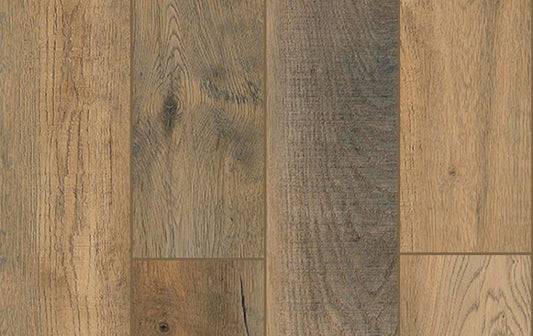
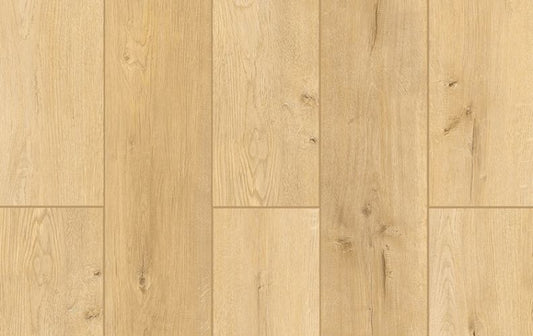
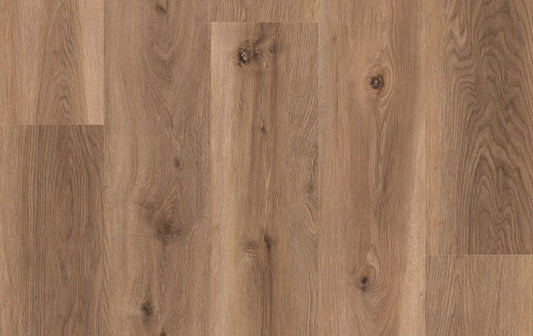
Lions Floor Lone Star Spirit Odessa Palm - 20mil 6mm 7x72 SPC Vinyl Plank
Vendor:Lions Floor$3.39 / sq. ft. $72.20 per carton · 21.27 sq. ft. / carton6.0mm20mil7x72 -
Lions Floor Lone Star Spirit More Mesa - 20mil 6mm 7x72 SPC Vinyl Plank
Vendor:Lions Floor$3.39 / sq. ft. $72.20 per carton · 21.27 sq. ft. / carton6.0mm20mil7x72 -
Lions Reservation Morning Mirage 20mil 6mm 7x60 SPC Vinyl Plank | Lions Floor
Vendor:Lions Floor$3.19 / sq. ft. $76.20 per carton · 23.88 sq. ft. / carton6.0mm20mil7x60 -
Natural essence plus Medieval 20mil 6.5mm 9x60 | Lions Floor
Vendor:Lions Floor$3.69 / sq. ft. $84.50 per carton · 22.88 sq. ft. / carton6.5mm20mil9x60 -
Indoor Delight Castle Forge 20mil 6.5mm 9x72 SPC Vinyl Plank | Lions Floor
Vendor:Lions Floor$3.99 / sq. ft. $90.30 per carton · 22.65 sq. ft. / carton6.5mm20mil9x72 -
Natural essence plus Tresor 20mil 6.5mm 9x60 | Lions Floor
Vendor:Lions Floor$3.69 / sq. ft. $84.50 per carton · 22.88 sq. ft. / carton6.5mm20mil9x60 -
Indoor Delight Fortress Dawn 20mil 6.5mm 9x72 SPC Vinyl Plank | Lions Floor
Vendor:Lions Floor$3.99 / sq. ft. $90.30 per carton · 22.65 sq. ft. / carton6.5mm20mil9x72 -
Indoor Delight Forest Timber 20mil 6.5mm 9x72 SPC Vinyl Plank | Lions Floor
Vendor:Lions Floor$3.99 / sq. ft. $90.30 per carton · 22.65 sq. ft. / carton6.5mm20mil9x72 -
Comfort Heights - Maple Gardens | AC4 12mm 9.25x60 Laminate | Lions Floor
Vendor:Lions Floor$3.49 / sq. ft. $66.90 per carton · 19.16 sq. ft. / carton12.0mm9 1/4 x 5' -
Indoor Delight Woodland Charm 20mil 6.5mm 9x72 SPC Vinyl Plank | Lions Floor
Vendor:Lions Floor$3.99 / sq. ft. $90.30 per carton · 22.65 sq. ft. / carton6.5mm20mil9x72 -
Comfort Heights - Baywood Place | AC4 12mm 9.25x60 Laminate | Lions Floor
Vendor:Lions Floor$3.49 / sq. ft. $66.90 per carton · 19.16 sq. ft. / carton12.0mm9 1/4 x 5' -
Indoor Delight Homewood Waltz 20mil 6.5mm 9x72 SPC Vinyl Plank | Lions Floor
Vendor:Lions Floor$3.99 / sq. ft. $90.30 per carton · 22.65 sq. ft. / carton6.5mm20mil9x72 -
Indoor Delight 20mil Farmstead 6.5mm 9x72 SPC Vinyl Plank | Lions Floor
Vendor:Lions Floor$3.99 / sq. ft. $90.30 per carton · 22.65 sq. ft. / carton6.5mm20mil9x72 -
Great Oregon - Water Oak | 20mil Pure SPC™ Waterproof Flooring | 8mm w/ 1.5mm Bioguardian™ Pad | 9x60
Vendor:Republic Floors$4.89 / sq. ft. $183.00 per carton · 37.4 sq. ft. / carton8.0mm20mil9x60Sale -
BevelMark Shadow Reveal 20mil 8mm 9x72 SPC Vinyl Plank | Lions Floor
Vendor:Lions Floor$4.29 / sq. ft. $115.60 per carton · 26.92 sq. ft. / carton8.0mm20mil9x72 -
BevelMark Chiselmark oak 20mil 8mm 9x72 SPC Vinyl Plank | Lions Floor
Vendor:Lions Floor$4.29 / sq. ft. $115.60 per carton · 26.92 sq. ft. / carton8.0mm20mil9x72


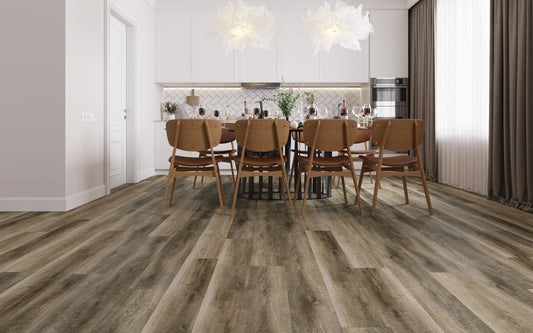
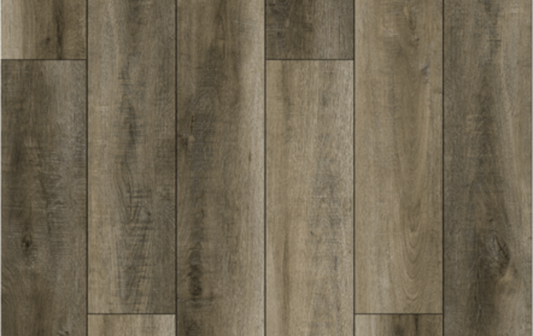
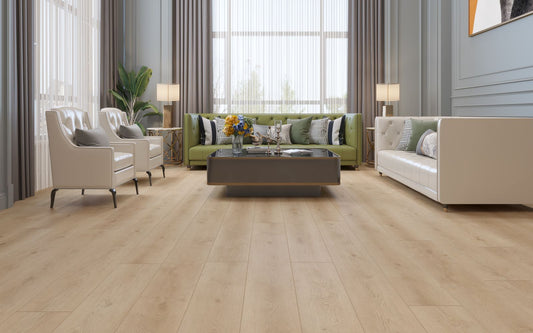
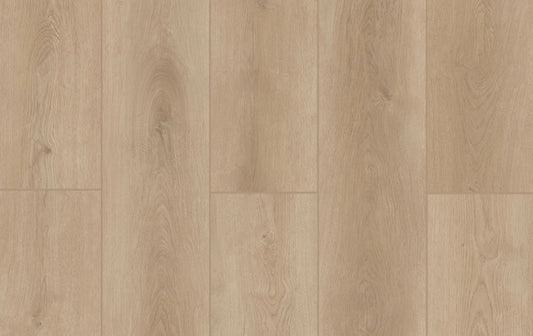

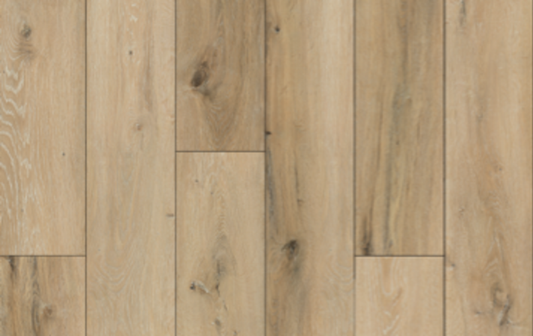

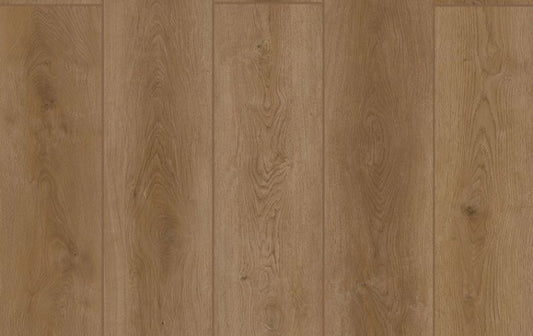
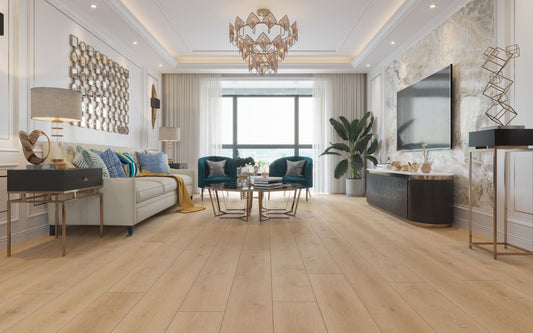
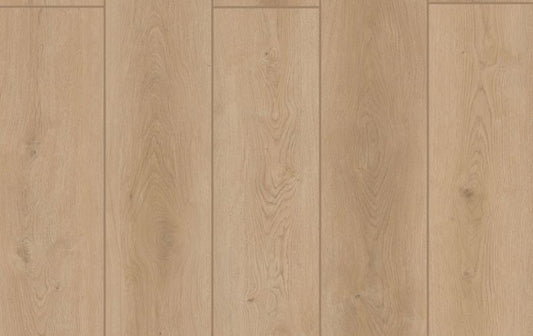
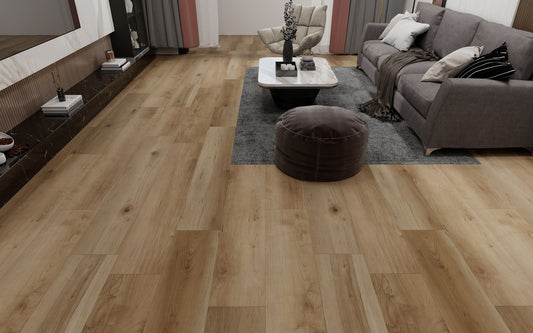
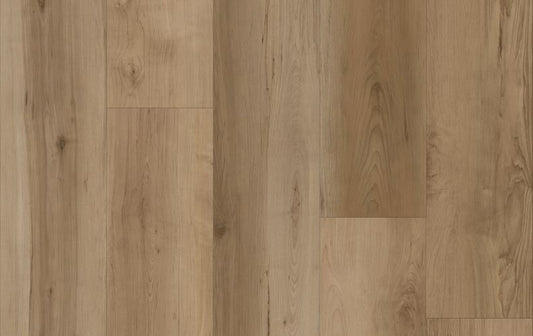
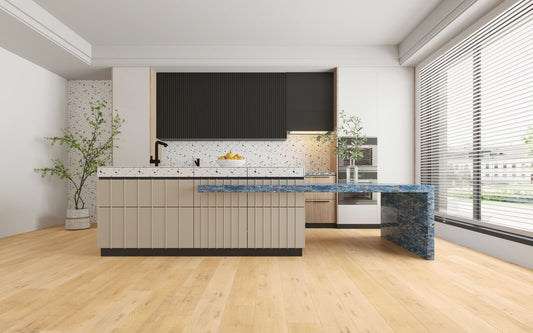
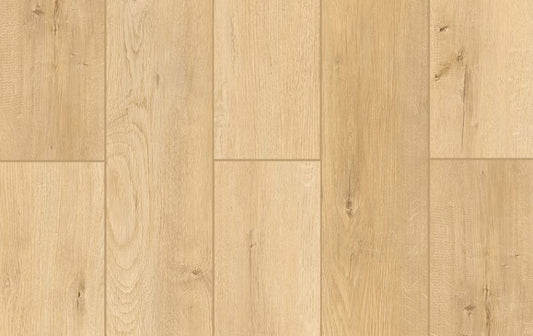
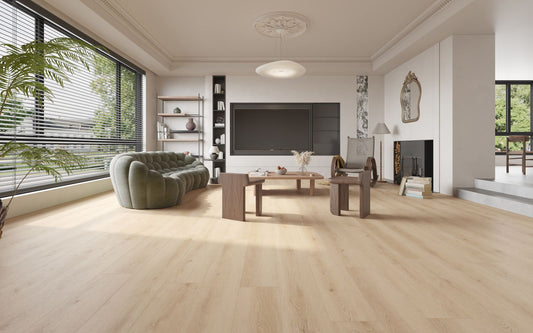
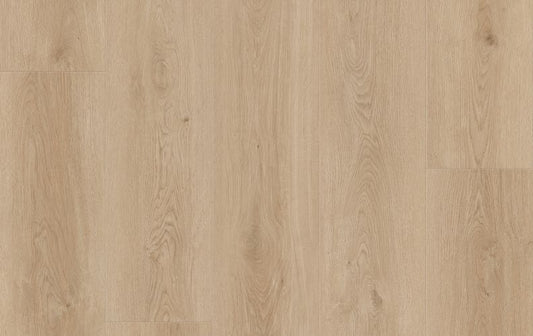
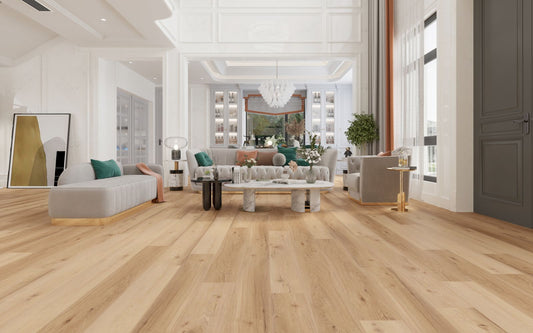
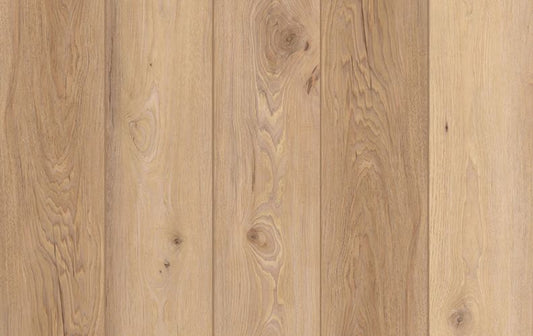
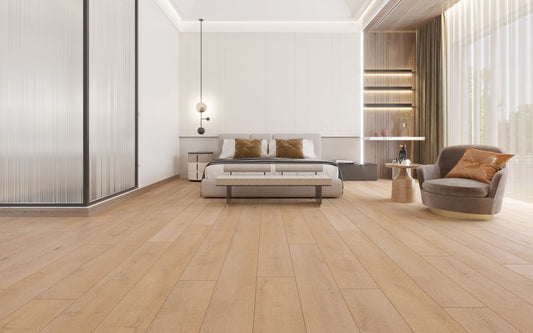
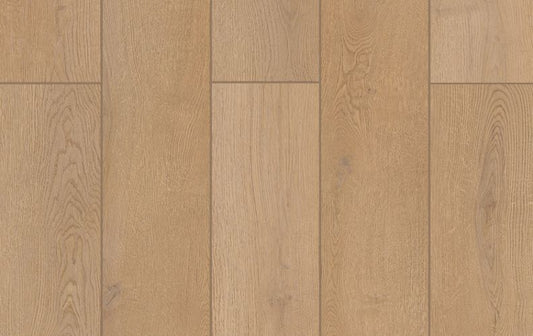
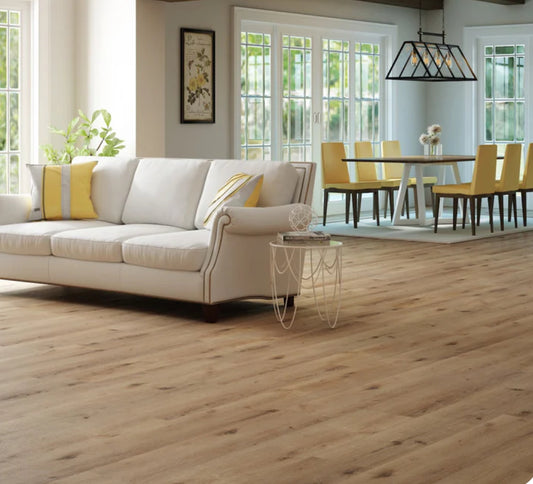
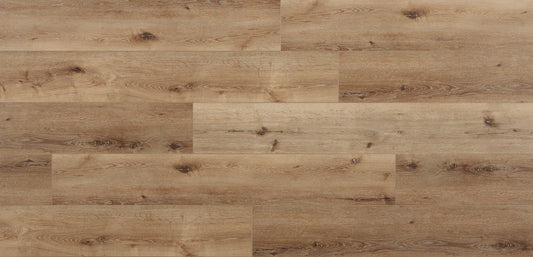
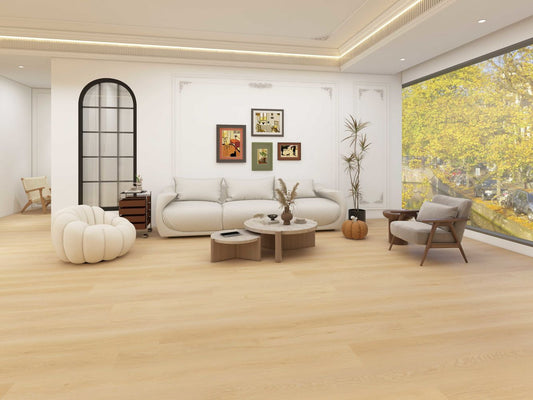
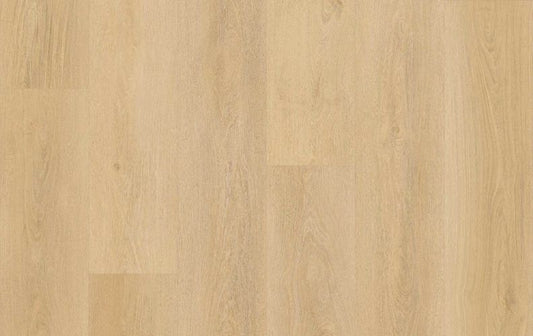
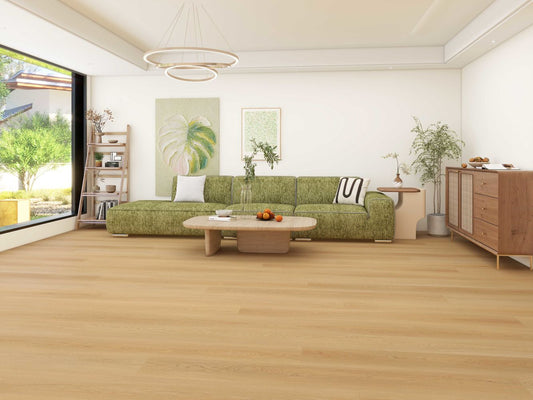
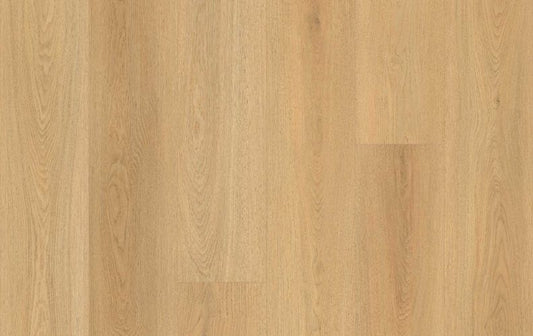
Pet-Friendly Vinyl Flooring for Homes With Dogs and Cats
Pet-friendly vinyl flooring combines durable surface protection, simple cleaning, moisture resistance, and realistic wood-look design for homes with dogs, cats, and active everyday routines.
Pets can expose flooring to claws, tracked-in grit, water bowl spills, accidents, mud, fur, and repeated foot traffic. Luxury vinyl plank can be a practical choice because many products feature protective wear layers, water-resistant construction, textured finishes, and surfaces that are easier to maintain than many traditional flooring materials.
This collection includes vinyl flooring selected for pet-friendly residential spaces such as kitchens, living rooms, bedrooms, hallways, entryways, home offices, and open-plan interiors.
What Makes Vinyl Flooring Pet-Friendly?
Pet-friendly flooring should be selected based on the complete product rather than one specification alone.
Important features may include:
- A durable wear layer
- Scratch-resistant surface treatments
- Stain-resistant finishes
- Waterproof or water-resistant plank construction
- Textured or matte surfaces
- Strong locking systems
- Secure glue-down installation
- Easy everyday cleaning
- Appropriate residential warranty coverage
- Colors that help disguise fur and minor marks
No vinyl flooring is completely scratch-proof, stain-proof, or damage-proof. Performance depends on the product quality, pet activity, cleaning habits, installation, and maintenance.
Is Vinyl Flooring Good for Dogs?
Vinyl plank flooring can be a strong option for homes with dogs because it is available with durable protective surfaces and simple cleaning requirements.
Potential benefits may include:
- Easy removal of pet hair
- Resistance to everyday spills
- Waterproof or water-resistant options
- Durable wear layers
- Textured surfaces
- Multiple plank colors
- Compatibility with busy rooms
- Softer underfoot performance than tile
- Easier maintenance than some natural wood floors
Large dogs, active dogs, and homes with several pets may benefit from flooring with a thicker wear layer and a textured finish.
Pet nails should still be trimmed regularly because repeated contact from sharp claws can mark any resilient flooring surface.
Is Vinyl Flooring Good for Cats?
Vinyl flooring can also work well in homes with cats.
It offers a smooth, easy-clean surface for fur, litter, food spills, and occasional accidents.
When choosing flooring for cats, consider:
- Scratch-resistant finishes
- Textured surfaces
- Stain resistance
- Waterproof plank construction
- Easy cleanup
- Medium-tone colors
- Secure installation
- Low-gloss surfaces
Flooring near litter boxes should be cleaned regularly because loose litter can act like grit beneath feet and furniture.
A protective mat beneath the litter box can reduce scratching and scattered debris.
Choosing the Right Wear Layer for Pets
The wear layer is the clear protective surface above the printed flooring design.
Common wear-layer options may include:
- 12 mil
- 20 mil
- 22 mil
- Other manufacturer-specific protective systems
A 12 mil wear layer may be suitable for lower-traffic rooms and homes with smaller or less active pets.
A 20 mil or 22 mil wear layer may provide more surface protection for:
- Large dogs
- Multiple pets
- Busy hallways
- Kitchens
- Entryways
- Living rooms
- Homes with children and pets
- Frequently used open-plan spaces
Wear-layer thickness should be considered alongside the finish, core, locking system, installation method, and warranty.
A thicker wear layer does not automatically make a product better if the rest of the construction is weak.
Scratch-Resistant Vinyl Flooring for Pets
Many homeowners search for scratch-resistant flooring for dogs and cats.
Some vinyl products include enhanced protective coatings designed to improve resistance to:
- Claw marks
- Scuffs
- Furniture movement
- Tracked-in debris
- Everyday household wear
However, scratch-resistant does not mean scratch-proof.
Sharp nails, sand, grit, heavy furniture, metal objects, and repeated dragging can still damage the surface.
To help reduce scratches:
- Keep pet nails trimmed
- Sweep or vacuum regularly
- Use mats at entrances
- Place protective pads beneath furniture
- Lift rather than drag heavy items
- Use mats beneath crates and feeding stations
- Clean grit and dirt promptly
- Follow the manufacturer’s maintenance instructions
Waterproof Vinyl Flooring for Pets
Waterproof or water-resistant vinyl flooring can be useful in homes with pets because spills and accidents may occur.
Common sources of moisture include:
- Water bowls
- Pet accidents
- Wet paws
- Mud
- Grooming
- Food spills
- Rain and snow near entrances
Many vinyl planks use materials that do not absorb water like traditional hardwood.
However, waterproof flooring does not make the entire room waterproof.
Moisture can still travel:
- Around the edges of the floor
- Beneath transitions
- Through damaged joints
- Under baseboards
- Beneath appliances
- Into the subfloor
Clean spills and accidents promptly, and address any moisture that reaches beneath the flooring.
Best Flooring Finish for Pets
The finish can affect how visible scratches, fur, dust, and footprints appear.
Matte finishes
Matte flooring reflects less light and may make minor surface marks less noticeable.
Textured finishes
Embossed or wood-grain textures may help disguise dust, paw prints, and small scratches better than smooth glossy surfaces.
Low-gloss finishes
Low-gloss floors can provide a realistic hardwood appearance while reducing glare.
Embossed-in-register finishes
Embossed-in-register texture aligns the surface detail with the printed wood grain, creating a more realistic appearance.
High-gloss flooring may show paw prints, hair, scratches, and surface marks more clearly.
Best Vinyl Flooring Colors for Pet Hair
Flooring color can influence how visible pet hair and dirt appear.
Light-colored pet hair
Very dark flooring may show cream, white, or pale fur more easily.
Dark-colored pet hair
Very pale flooring may show black, brown, or dark gray fur more clearly.
Mixed-color pet hair
Medium natural oak, beige, greige, and softly varied wood tones may provide the most forgiving appearance.
Colors that may help disguise everyday pet hair include:
- Natural oak
- Warm beige
- Medium greige
- Soft brown
- Weathered oak
- Light-to-medium wood tones
- Floors with moderate plank variation
Highly uniform flooring may show debris more easily than wood-look flooring with grain and shade variation.
Pet-Friendly Flooring for Entryways
Entryways are often exposed to wet paws, mud, grit, and outdoor debris.
Pet-friendly vinyl flooring can be practical in these spaces because it is easy to clean and available with water-resistant construction.
To improve performance:
- Use an exterior doormat
- Place an interior walk-off mat
- Clean wet paws when possible
- Remove grit regularly
- Wipe spills promptly
- Use manufacturer-approved cleaning products
A textured, medium-tone floor can help make everyday dirt less noticeable between cleanings.
Pet-Friendly Flooring for Kitchens
Kitchens often contain pet bowls, food, spills, chair movement, and frequent foot traffic.
Vinyl plank can work well because it combines wood-look styling with practical maintenance.
Depending on the product, benefits may include:
- Easy spill cleanup
- Waterproof or water-resistant construction
- Durable wear layers
- Compatibility with open-plan homes
- Multiple plank styles
- Textured finishes
- Click-lock or glue-down installation
Place waterproof mats beneath food and water bowls to reduce repeated moisture exposure.
Confirm that the selected product is approved for kitchen installation.
Pet-Friendly Flooring for Living Rooms
Living rooms often receive the highest level of pet activity because they are central gathering spaces.
Pet-friendly vinyl flooring can provide:
- Easy hair removal
- Durable everyday performance
- Realistic wood styling
- Compatibility with rugs
- Water-resistant options
- Surface textures that disguise minor marks
Use rugs in frequently used pet areas if the rug backing is approved for vinyl flooring.
Avoid rubber-backed mats unless the flooring manufacturer confirms compatibility, as certain materials may discolor the surface.
Pet-Friendly Flooring for Bedrooms
Vinyl flooring can be used in bedrooms where pets sleep, shed, and move between furniture.
Potential advantages include:
- Easier fur cleanup than carpet
- Resistance to minor spills
- Simple everyday maintenance
- Compatibility with area rugs
- Broad wood-look styling
- Reduced allergen retention compared with some soft flooring
Flooring with attached backing may feel quieter than thinner products installed directly over a hard subfloor.
Pet-Friendly Flooring for Multi-Pet Homes
Homes with several pets may experience greater wear, more fur, increased moisture, and more frequent cleaning.
For multi-pet households, consider:
- 20 mil or 22 mil wear layers
- Matte or textured finishes
- Medium-tone colors
- Waterproof or water-resistant construction
- Strong stain resistance
- Secure locking systems
- Glue-down installation where appropriate
- Products with clear residential warranty coverage
The best product will depend on the number, size, age, and activity level of the pets.
Pet-Friendly Click-Lock Vinyl Flooring
Click-lock vinyl plank connects at the edges and floats over the prepared subfloor.
Potential advantages may include:
- Faster installation
- No full-spread adhesive
- Attached backing on selected products
- Waterproof rigid-core options
- Easier full-floor removal
For homes with active pets, the locking system and subfloor preparation are important.
Movement caused by uneven subfloors can stress the joints and create noise or gaps.
Pet-Friendly Glue-Down LVP
Glue-down luxury vinyl plank is installed directly to the prepared subfloor with approved adhesive.
Potential benefits may include:
- Minimal plank movement
- Low floor profile
- Stable underfoot performance
- Easier replacement of individual damaged planks
- Smooth transitions
- Secure installation in frequently used areas
Glue-down LVP requires a clean, smooth, and properly prepared subfloor.
Surface imperfections may show through flexible flooring if preparation is inadequate.
Pet-Friendly Vinyl vs Laminate Flooring
Both vinyl and laminate can provide realistic wood-look flooring.
Vinyl may offer:
- Better resistance to everyday moisture
- Waterproof plank options
- Easier cleanup after accidents
- Compatibility with kitchens and finished basements
- Softer underfoot performance than some laminate products
Laminate may offer:
- Strong surface scratch resistance
- Detailed wood texture
- A firm wood-like feel
- Thick plank construction
- Realistic embossed visuals
The better choice depends on pet activity, moisture exposure, household cleaning habits, and the quality of the individual product.
Pet-Friendly Vinyl vs Engineered Hardwood
Vinyl flooring uses a printed design beneath a protective wear layer.
Engineered hardwood uses a real wood veneer.
Vinyl may be preferable for pet owners who prioritize:
- Easier maintenance
- Water resistance
- Simple accident cleanup
- Consistent appearance
- Lower maintenance requirements
- Compatibility with busy rooms
Engineered hardwood may be preferable when genuine wood and natural variation are the main priorities.
Real wood can scratch and react to moisture, so pet owners should evaluate the finish and maintenance requirements carefully.
Pet-Friendly Vinyl vs Tile
Tile is highly durable and water-resistant, but it may feel cold and hard underfoot.
Vinyl flooring may offer:
- A warmer feel
- More comfortable standing
- Quieter pet movement
- Realistic wood visuals
- Easier installation
- Lower impact if objects are dropped
Tile may provide stronger resistance to claws and scratching, depending on the material.
Homeowners should compare comfort, maintenance, appearance, subfloor conditions, and room use.
Is Vinyl Flooring Slippery for Dogs?
Some vinyl floors may feel slippery to dogs, particularly smooth or glossy products.
Older dogs, puppies, and pets with mobility problems may need additional traction.
To improve grip:
- Choose textured finishes
- Consider matte surfaces
- Use approved rugs or runners
- Keep pet nails trimmed
- Keep the floor clean and dry
- Avoid waxes and polishing products
- Use non-slip mats in high-activity areas
The actual slip resistance varies by product, so review manufacturer specifications when traction is a major concern.
Pet Accidents and Vinyl Flooring
Vinyl flooring can make pet accidents easier to manage than absorbent flooring materials.
Clean accidents promptly to prevent:
- Odors
- Staining
- Residue
- Moisture reaching edges
- Damage to the subfloor
- Adhesive problems
Use cleaning products approved for both vinyl flooring and pet households.
Avoid harsh chemicals, abrasive tools, and excessive water unless recommended by the manufacturer.
Cleaning Pet Hair From Vinyl Flooring
Pet hair is generally easy to remove from vinyl plank flooring.
Useful cleaning methods may include:
- Microfiber dust mops
- Soft brooms
- Vacuums with hard-floor settings
- Robotic vacuums approved for hard surfaces
- Damp microfiber mops
- Manufacturer-approved cleaners
Remove grit before damp cleaning because sand and debris can scratch the protective finish.
Protecting Vinyl Flooring From Pet Bowls
Repeated water exposure around pet bowls can create moisture at plank edges or beneath mats.
To protect the floor:
- Use a waterproof feeding mat
- Wipe spills promptly
- Clean beneath the mat regularly
- Avoid mats that trap moisture
- Check that the backing is safe for vinyl
- Place bowls away from vulnerable floor edges
- Replace damaged mats
The area beneath bowls should be inspected regularly for trapped water.
Protecting Flooring Around Pet Crates
Pet crates can scratch flooring if they shift or have rough metal edges.
Use:
- Vinyl-safe protective mats
- Felt or rubber-free protective pads
- Smooth crate trays
- Stable crate placement
- Regular cleaning beneath the crate
Avoid dragging the crate across the floor.
Lift and reposition it when necessary.
Choosing the Right Plank Texture
Texture affects both appearance and pet-friendly performance.
More textured floors may:
- Provide better traction
- Hide paw prints
- Disguise minor scratches
- Create a more realistic wood look
However, deeply textured surfaces may collect more dirt and require more detailed cleaning.
A moderate embossed texture often provides a good balance of realism, grip, and maintenance.
Choosing the Right Flooring Color
The right color depends on the pet, room, lighting, and design style.
Natural oak
Natural oak provides balanced coloring and can disguise many types of fur and dust.
Light oak
Light oak brightens rooms but may show dark hair and mud.
Warm brown
Warm brown can create a welcoming appearance but may show pale fur.
Greige
Greige is versatile and may disguise both light and dark debris better than extreme colors.
Weathered wood
Weathered patterns can hide minor marks and everyday variation.
Dark flooring
Dark flooring creates drama but may show pale hair, dust, and scratches more clearly.
Choosing the Right Wear Layer and Warranty
Before purchasing, compare:
- Wear-layer thickness
- Surface finish
- Scratch-resistance claims
- Stain-resistance claims
- Waterproof rating
- Residential warranty
- Pet-related warranty exclusions
- Installation requirements
- Approved cleaning products
- Subfloor requirements
Some warranties may exclude scratches, pet damage, urine, or improper cleaning.
Read the warranty carefully before choosing a product based on pet-friendly claims.
Measuring for Your Flooring Order
Measure the length and width of every room and calculate the total square footage.
Add extra flooring for:
- Cuts
- Waste
- Closets
- Irregular walls
- Plank arrangement
- Damaged pieces
- Future repairs
Approximately 7% to 10% extra is common for straightforward installations.
Homes with multiple small rooms, diagonal layouts, or complex floor plans may require more.
Keeping spare planks can be especially helpful in pet households in case an isolated section is damaged later.
Order Flooring Samples Before Choosing
Samples allow you to evaluate the flooring inside your own home.
Use them to compare:
- Surface texture
- Scratch visibility
- Pet hair visibility
- Color
- Undertones
- Finish level
- Grain variation
- Traction
- Compatibility with furniture
- Daytime and evening appearance
Place samples in the areas where pets spend the most time.
Observe how fur, lighting, and surrounding finishes affect the appearance before choosing.
Frequently Asked Questions About Pet-Friendly Vinyl Flooring
Is vinyl flooring good for pets?
Yes. Vinyl flooring can be a practical option because it is easy to clean and available with durable wear layers and water-resistant construction.
Is vinyl flooring scratch-proof?
No. Some products are highly scratch-resistant, but sharp claws, grit, furniture, and heavy objects can still damage the surface.
What wear layer is best for dogs?
A 20 mil or 22 mil wear layer may provide additional surface protection for large dogs, multiple pets, and busy homes. Overall product quality is also important.
Is waterproof vinyl flooring good for pet accidents?
It can make cleanup easier, but accidents should still be cleaned promptly to prevent moisture or odor from reaching seams and the subfloor.
What color flooring hides pet hair best?
Medium natural oak, greige, beige, and softly varied wood tones often disguise pet hair better than very light or very dark flooring.
Is vinyl flooring slippery for dogs?
Some smooth finishes may be slippery. Textured or matte flooring and approved rugs can provide better traction.
Is glue-down or click-lock vinyl better for pets?
Both can work well. Glue-down flooring offers minimal movement, while click-lock flooring may provide waterproof rigid-core options and easier installation.
Does pet-friendly flooring resist stains?
Many vinyl floors include stain-resistant finishes, but spills and accidents should still be cleaned promptly. Review each product’s specifications.
Is vinyl flooring good for large dogs?
Yes, especially when the product has a durable wear layer, textured finish, strong construction, and correct installation.
Can pet claws damage vinyl flooring?
Yes. Claws can mark the floor, particularly if nails are long or grit is present. Regular nail trimming and cleaning can reduce the risk.
Should I use rugs over vinyl flooring?
Rugs can protect high-traffic areas and improve traction. Confirm that the backing is approved for use over vinyl flooring.
How much extra flooring should I order?
Approximately 7% to 10% extra is common for standard installations. Keeping additional planks may help with future repairs.
Should I order samples first?
Yes. Samples help you assess texture, traction, fur visibility, color, and scratch visibility inside your home.
Compare Related Flooring Options
For a wider comparison of materials and household priorities, explore pet friendly flooring. Consider moisture performance, surface protection, pet hair contrast and the cleaning routine that fits your dogs or cats.
Explore related options in Waterproof Laminate Flooring for Dogs and Flooring for Large Dogs.
Explore related flooring
Browse related flooring collections, brands and styles before making your final choice.