
Collection: MSI
Find MSI vinyl plank flooring for the way you use your home. Compare firm SPC and comfortable WPC, from slimmer profiles to substantial 10mm and 12mm options, with wood-look textures and plank sizes for kitchens, bedrooms and connected living spaces.
-
Wayne Parc Macland 22mil 10mm 9x60 WPC Vinyl Plank | MSI
Vendor:MSI Everlife$4.01 / sq. ft. $90.05 per carton · 22.465 sq. ft. / carton10.0mm22mil9x60 -
Wayne Parc Elwood 22mil 10mm 9x60 WPC Vinyl Plank | MSI
Vendor:MSI Everlife$4.01 / sq. ft. $90.05 per carton · 22.465 sq. ft. / carton10.0mm22mil9x60 -
Wayne Parc Reserve Mellshire 30mil 12mm 9x72 WPC Vinyl Plank | MSI
Vendor:MSI EverlifeRegular price From $0.00 USDRegular priceUnit price $5.29/ft² -
Wayne Parc Waldron 22mil 10mm 9x60 WPC Vinyl Plank | MSI
Vendor:MSI Everlife$4.61 / sq. ft. $103.50 per carton · 22.465 sq. ft. / carton10.0mm22mil9x60 -
Wayne Parc Reserve Waldron 30mil 12mm 9x72 WPC Vinyl Plank | MSI Everlife
Vendor:MSI EverlifeRegular price From $0.00 USDRegular priceUnit price $5.29/ft² -
Wayne Parc Bluffview 22mil 10mm 9x60 WPC Vinyl Plank | MSI
Vendor:MSI Everlife$4.01 / sq. ft. $90.05 per carton · 22.465 sq. ft. / carton10.0mm22mil9x60 -
Wayne Parc Mellshire 22mil 10mm 9x60 WPC Vinyl Plank | MSI
Vendor:MSI Everlife$4.61 / sq. ft. $103.50 per carton · 22.465 sq. ft. / carton10.0mm22mil9x60 -
Wayne Parc Andaz 22mil 10mm 9x60 WPC Vinyl Plank | MSI
Vendor:MSI Everlife$4.61 / sq. ft. $103.50 per carton · 22.465 sq. ft. / carton10.0mm22mil9x60 -
Ashton Colston Park 6mil 4.4mm 7x48 SPC Vinyl Plank
Vendor:MSI Everlife$1.89 / sq. ft. $49.54 per carton · 26.147 sq. ft. / cartonSale -
Ashton Loton Hill 6mil 4.4mm 7x48 SPC Vinyl Plank
Vendor:MSI Everlife$1.89 / sq. ft. $49.54 per carton · 26.147 sq. ft. / cartonSale -
Ashton York Gray 6mil 4.4mm 7x48 SPC Vinyl Plank
Vendor:MSI Everlife$1.89 / sq. ft. $49.54 per carton · 26.147 sq. ft. / cartonSale -
Ashton Bergen Hill 6mil 4.4mm 7x48 SPC Vinyl Plank
Vendor:MSI Everlife$1.89 / sq. ft. $49.54 per carton · 26.147 sq. ft. / cartonSale

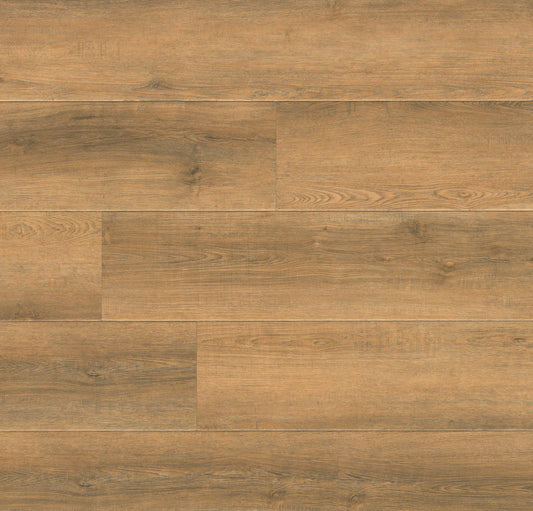
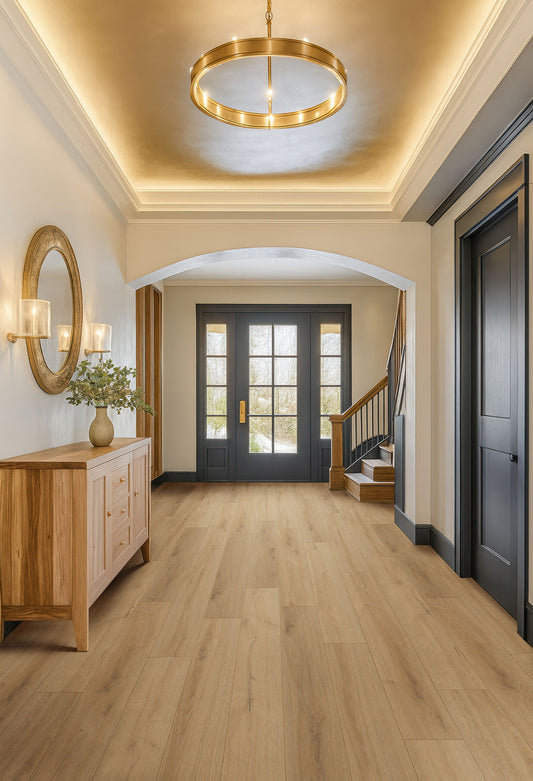
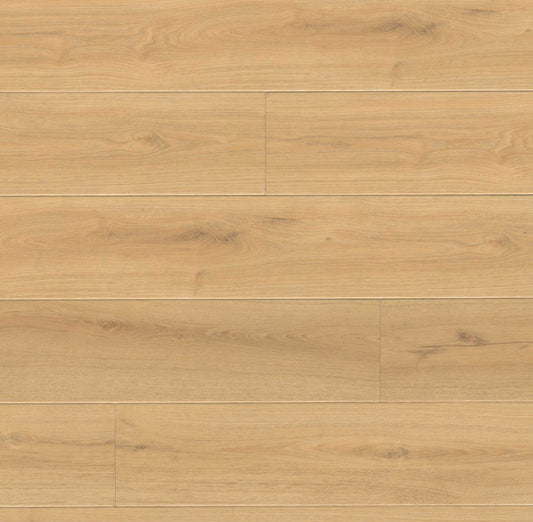
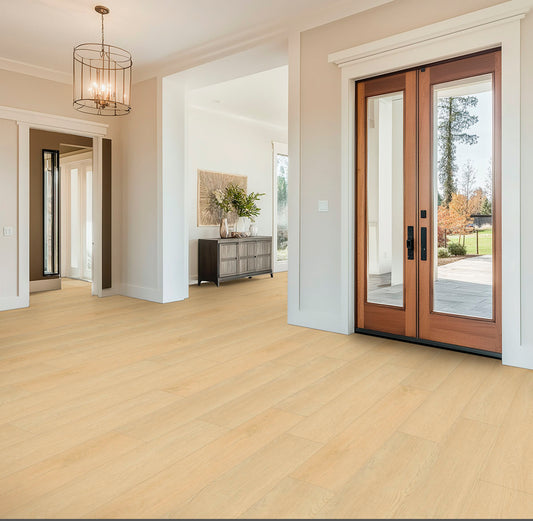
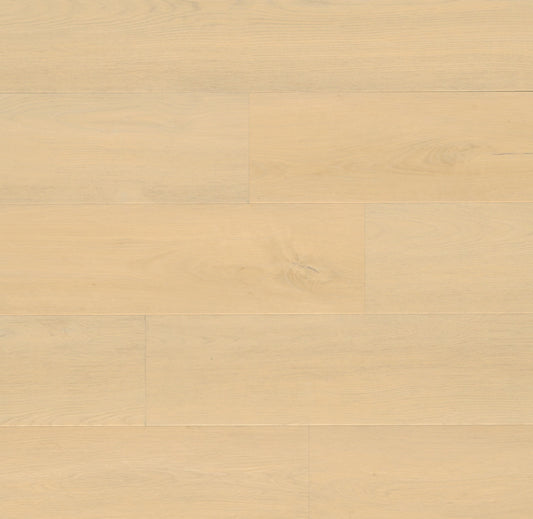
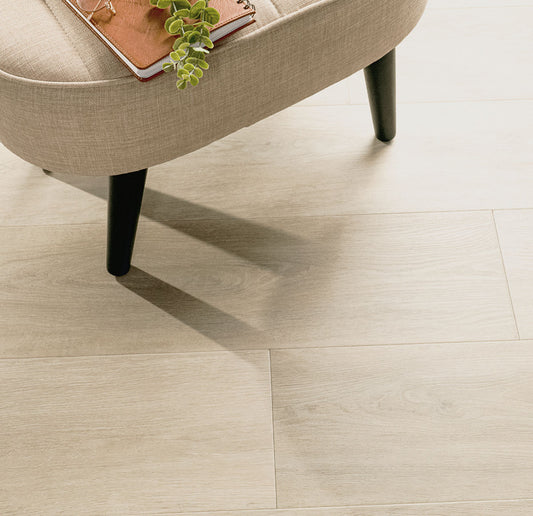
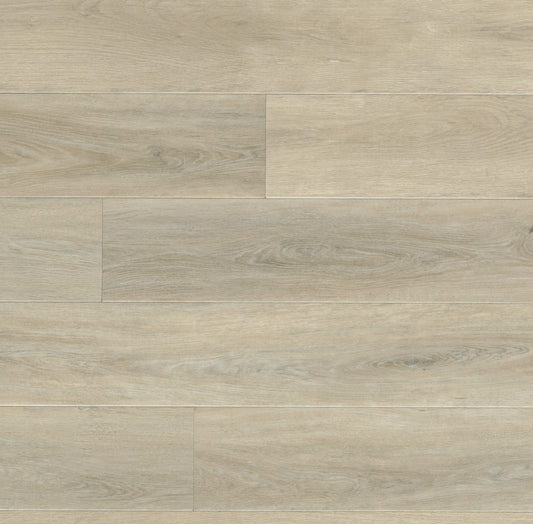
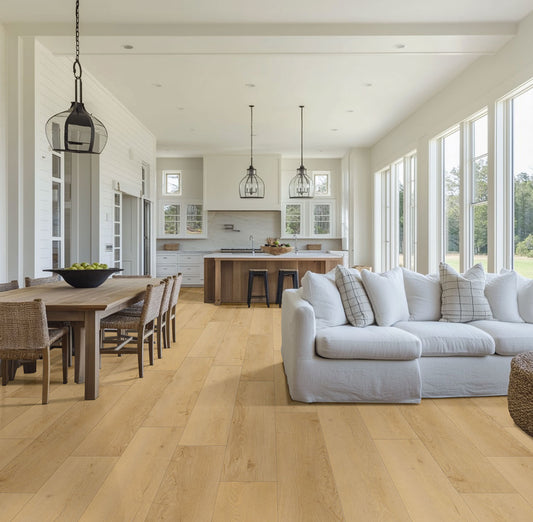
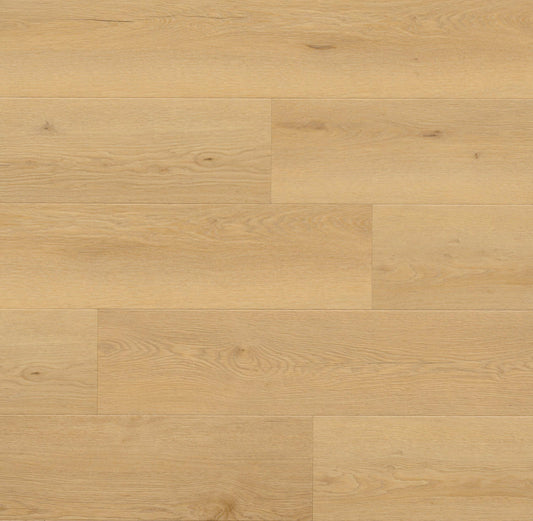

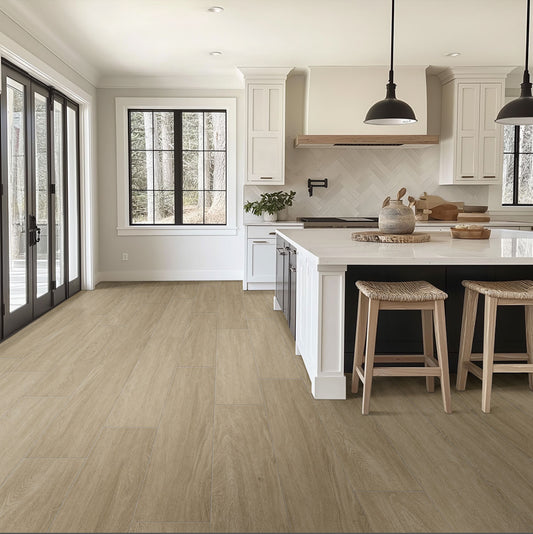
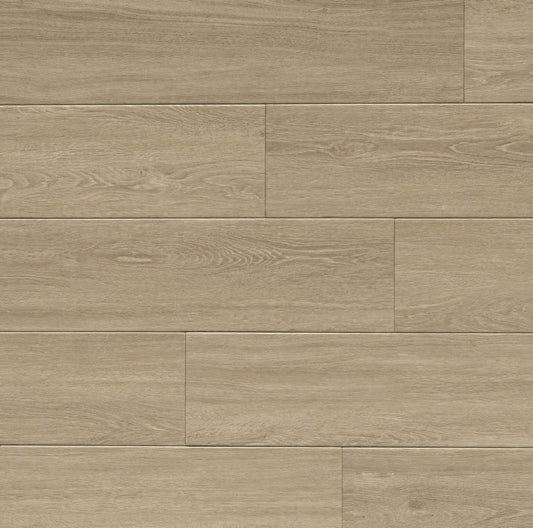

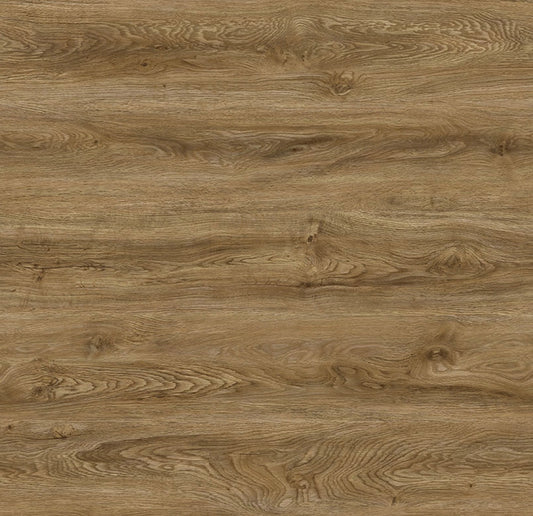
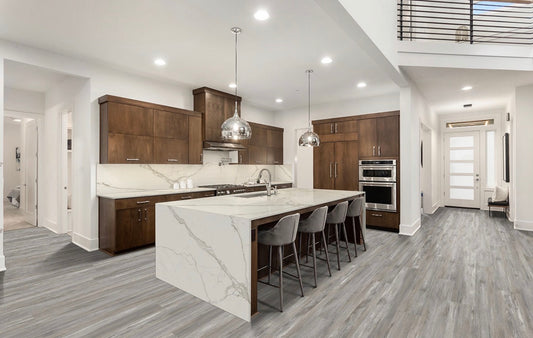
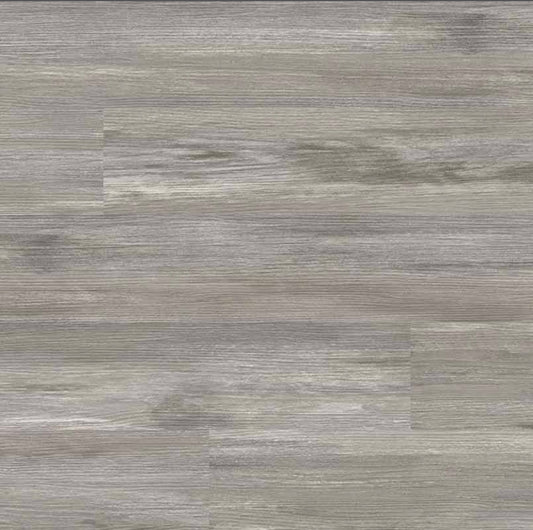
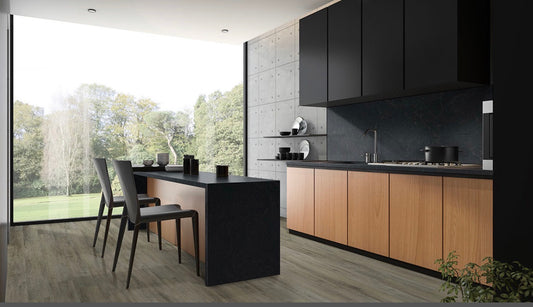
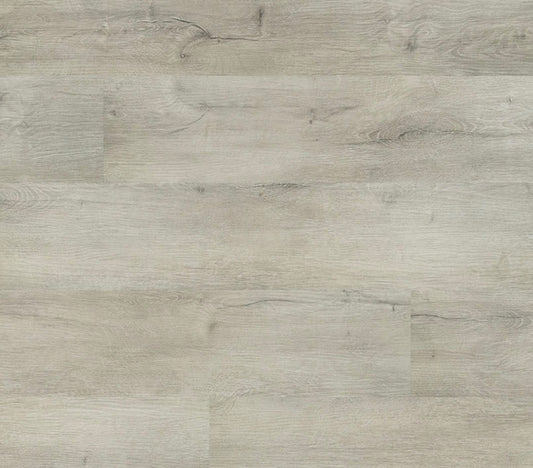
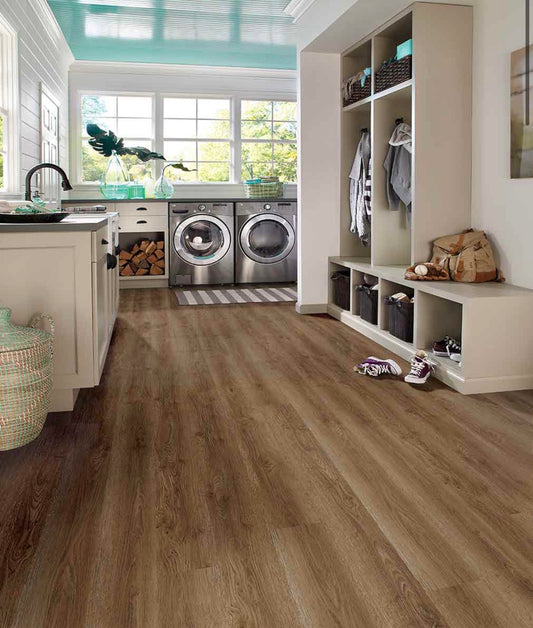
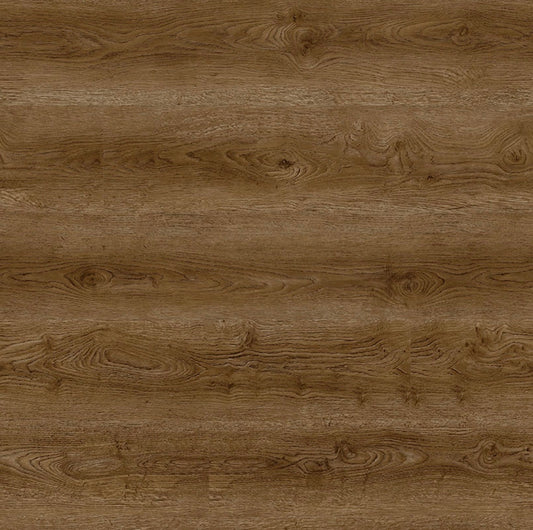
MSI Vinyl Plank Flooring
MSI vinyl plank flooring offers different rigid-core constructions for homeowners comparing comfort, finished height and everyday practicality. SPC provides a firmer feel, while WPC can offer a more forgiving experience underfoot.
The best starting point is the room and the project. Think about traffic, potential spills, adjoining floors and how the space should feel. At Caspar Flooring Direct, compare the core, wear layer, total thickness and plank format before choosing a wood look.
SPC or WPC for Your Home?
SPC uses a dense rigid core beneath a printed design and protective wear layer. It generally feels firmer than WPC and may suit shoppers who prefer that underfoot character.
Compare SPC vinyl plank flooring when reviewing rigid-core alternatives. Check the exact wear layer, backing and intended use instead of assuming every SPC floor has the same surface protection.
WPC construction can feel more forgiving, making it worth comparing for bedrooms and family living spaces. Explore waterproof WPC flooring when comfort and spill cleanup are priorities.
Both materials need an approved installation and suitable room conditions. Waterproof plank construction does not waterproof the subfloor or the entire room.
Choosing a Wear Layer for the Room
Vinyl wear layer is the transparent layer above the decorative design. Its thickness is normally given in mil, a unit equal to one-thousandth of an inch.
Wear specifications vary across MSI flooring, so compare the chosen floor's surface construction with its traffic approval. A floor for a quiet bedroom should not automatically be treated as suitable for a demanding commercial space.
A greater wear-layer number does not make the flooring scratch-proof. Texture, finish, furniture protection and maintenance all affect how it performs in daily use.
Wear layer is separate from core density and total thickness. One number should not replace a review of the complete specification.
Understanding 10mm WPC Flooring
A 10mm overall profile is substantially deeper than many slimmer vinyl constructions. It can be useful when shoppers want a more substantial floor, provided the finished height suits the project.
Browse 22 mil 10mm WPC flooring to compare that combination of surface protection and total profile. The 22 mil figure describes the wear layer; 10mm describes the overall thickness.
Check whether attached backing is included in that total. Comfort also depends on the core and backing design, rather than thickness alone.
Before replacing a thinner floor, measure doors, adjoining tile and appliance clearances. A thicker plank may require different transitions or adjustments to the installation plan.
Comparing 12mm WPC Constructions
A 12mm WPC floor has a deeper finished profile again. That can create a substantial feel, but the increased height needs to fit the room and its connections.
Explore 30 mil 12mm WPC flooring when comparing a thicker construction and a different wear-layer specification together.
The extra thickness does not make a floor suitable for an uneven subfloor. Flatness and structural preparation remain essential, particularly for a locking system that needs consistent support.
Plan stair details, reducers, door thresholds and access beneath appliances before ordering. Include any approved installation layers when calculating the completed height.
Wide and Long Planks for Living Areas
Wide boards create fewer visible rows across the floor and make the printed grain more prominent. Longer boards can also reduce the number of end joints in a large connected space.
Compare 9x72 WPC flooring when approximately six-foot planks suit the room's proportions. A shorter format may create a different rhythm without changing the overall wood-inspired design.
Review board direction, stagger and narrow cuts at walls. Hallways and doorways matter as much as the main living room when choosing a layout.
A large sample or several boards can show variation more clearly than one small piece. Compare the amount of grain movement with the rest of the room.
Kitchens, Bedrooms and Homes With Pets
Waterproof vinyl can be practical for everyday spills in approved kitchens. Confirm installation around cabinets, islands and appliances, including the required expansion details.
In bedrooms and living rooms, comfort and texture may be stronger priorities. WPC is worth comparing when a more forgiving feel matters, while SPC offers a firmer alternative.
For homes with pets, visible grain and moderate variation can help soften the appearance of small debris. Use entrance mats, suitable furniture protection and prompt cleanup to support the surface.
No vinyl floor should be assumed to resist every scratch or pressure mark. Match traffic approval and care requirements to the way the household uses the space.
Condos, Upstairs Rooms and Sound Requirements
For upstairs rooms or shared buildings, underfoot feel and sound transfer are different considerations. A floor can feel comfortable without meeting a particular building's acoustic requirements.
Explore flooring for condos when comparing options for a shared-building project. Obtain the required acoustic criteria and confirm tested performance for the complete floor and ceiling assembly where needed.
Attached backing alone is not proof that a floor meets the building's rules. Additional underlayment also needs flooring approval, because too much cushioning may affect the locking system.
Check the property requirements before buying so the chosen installation system is suitable for both the floor and the building.
Subfloor Preparation and Everyday Care
Concrete should meet the selected floor's moisture, flatness and structural requirements. Testing and preparation remain important even when the flooring material is waterproof.
Attached backing does not automatically replace required vapor protection. Wood subfloors should also be secure and within the stated condition limits before installation.
For care, remove abrasive grit regularly and use cleaning products approved for vinyl flooring. Follow guidance for rug pads and furniture protection rather than assuming every backing or protector is compatible.
View samples in the room under daylight and evening lighting. Calculate the area with an allowance for cuts, layout and future repairs, then confirm carton coverage before ordering.
Frequently Asked Questions
What is the difference between MSI SPC and WPC?
SPC generally has a denser, firmer core. WPC can provide a more forgiving feel. Backing, thickness and installation also influence the result.
Does a 30 mil wear layer mean 30mm total thickness?
No. Mil describes wear layer, while millimeters normally describe total thickness. They measure different parts of the flooring.
Is 12mm WPC automatically more durable than 10mm WPC?
It has a deeper profile, but surface durability also depends on wear layer, finish, intended use and care. Compare the whole construction.
Can MSI vinyl plank be installed in a kitchen?
Approved waterproof vinyl can suit kitchens when the installation follows the room, perimeter and cabinetry requirements of the selected floor.
Does attached backing guarantee condo acoustic approval?
No. Building requirements and tested assembly performance need to be checked separately. The backing alone does not establish compliance.
What should I compare before ordering MSI flooring?
Check core type, wear layer, total thickness, backing, dimensions and installation approval. Use samples to confirm the wood look in your room.
Explore related flooring
Browse related flooring collections, brands and styles before making your final choice.