
Collection: Low VOC Flooring
Shop flooring for your low VOC flooring project across SPC, WPC, vinyl and laminate. Compare construction, dimensions and installation methods, then confirm the emissions documentation for your selected product and any required installation materials before ordering.
-
Bryant Groovewood Grey 8mil 4.2mm 7x48 SPC Vinyl Plank
Vendor:United Weavers$1.99 / sq. ft. $66.77 per carton · 33.47 sq. ft. / carton4.2mm8mil7x48Sale -
Hemingway White Wash 12 mil 4.2mm 7x48 SPC Vinyl plank | Aperion / Caspar Flooring Direct
Vendor:Aperion$2.29 / sq. ft. $65.00 per carton · 28.36 sq. ft. / carton4.2mm12mil7x48 -
Hemingway Burnt Ash 12 mil 4.2mm 7x48 SPC Vinyl plank | Aperion / Caspar Flooring Direct
Vendor:Aperion$2.29 / sq. ft. $65.00 per carton · 28.36 sq. ft. / carton4.2mm12mil7x48 -
Aperion Cosmos Aries – 20mil 5.5mm 7×60 Waterproof SPC Vinyl Plank Flooring
Vendor:Aperion$3.19 / sq. ft. $77.00 per carton · 24.11 sq. ft. / carton5.5mm20mil7x60 -
Cosmos LYRA 20 mil 5.5mm 7.2x60.2 SPC Vinyl plank | Aperion / Caspar Flooring Direct
Vendor:Aperion$3.19 / sq. ft. $77.00 per carton · 24.11 sq. ft. / carton5.5mm20mil7x60 -
New World II Massachusetts – 20mil 6.5mm 9×60 Waterproof SPC Vinyl Plank Flooring
Vendor:Aperion$3.49 / sq. ft. $78.50 per carton · 22.5 sq. ft. / carton6.5mm20mil9x60 -
New World II Florida – 20mil 6.5mm 9×60 Waterproof SPC Vinyl Plank Flooring
Vendor:Aperion$3.49 / sq. ft. $78.50 per carton · 22.5 sq. ft. / carton6.5mm20mil9x60 -
New World II New Jersey – 20mil 6.5mm 9×60 Waterproof SPC Vinyl Plank Flooring
Vendor:Aperion$3.49 / sq. ft. $78.50 per carton · 22.5 sq. ft. / carton6.5mm20mil9x60 -
New World II - Georgia | 20mil 6.5mm 9×60 Waterproof SPC Vinyl Plank | Aperion
Vendor:Aperion$3.49 / sq. ft. $78.50 per carton · 22.5 sq. ft. / carton6.5mm20mil9x60 -
Formalay - StrataView | 20mil 5mm 9x60 Looselay LVP | Lions Floor
Vendor:Lions Floor$3.19 / sq. ft. $71.78 per carton · 22.5 sq. ft. / carton5.0mm20mil9x60 -
Comfort Heights - Camden Ridge | AC4 12mm 9.25x60 Laminate | Lions Floor
Vendor:Lions Floor$3.49 / sq. ft. $66.87 per carton · 19.16 sq. ft. / carton12.0mm9 1/4 x 5' -
Natural Essence Plus - Palisade | 20mil 6.5mm 9x60 | Lions Floor
Vendor:Lions Floor$3.69 / sq. ft. $84.50 per carton · 22.88 sq. ft. / carton6.5mm20mil9x60 -
Indoor Delight Tanin Honey 20mil 6.5mm 9x72 SPC Vinyl Plank | Lions Floor
Vendor:Lions Floor$3.99 / sq. ft. $90.37 per carton · 22.65 sq. ft. / carton6.5mm20mil9x72 -
Ocean Crest - Harbor Mist | 20mil 8mm 9x60 WPC Vinyl Plank | Lions Floor
Vendor:Lions Floor$4.09 / sq. ft. $122.29 per carton · 29.9 sq. ft. / carton8.0mm20mil9x60 -
Trenta - Bliss | 20mil 6.5mm 9x60 | Lions Floor
Vendor:Lions Floor$3.59 / sq. ft. $82.14 per carton · 22.88 sq. ft. / carton6.5mm20mil9x60 -
Indoor Delight Peacock Flush 20mil 6.5mm 9x72 SPC Vinyl Plank | Lions Floor
Vendor:Lions Floor$3.99 / sq. ft. $90.37 per carton · 22.65 sq. ft. / carton6.5mm20mil9x72
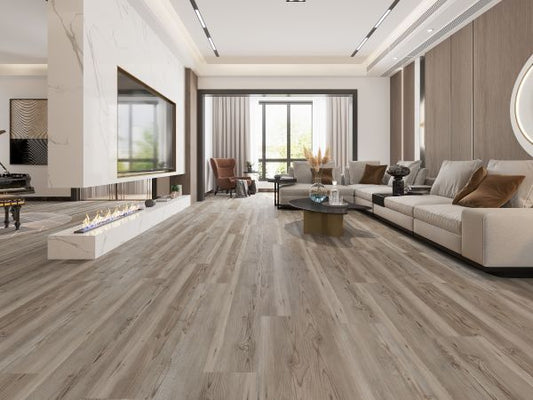
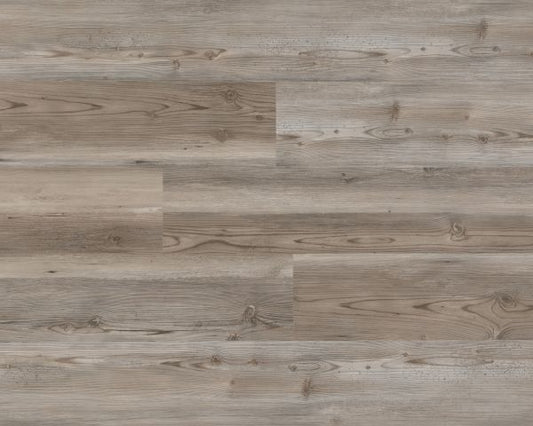

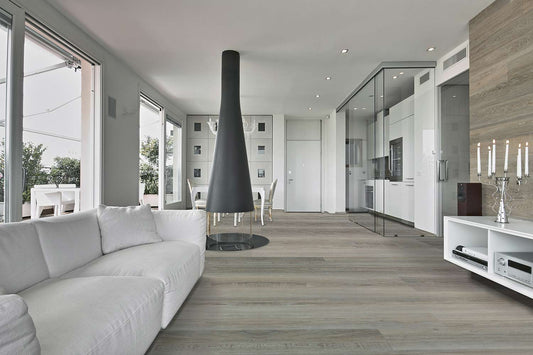
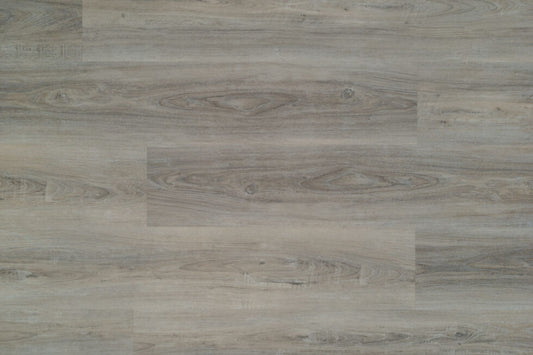




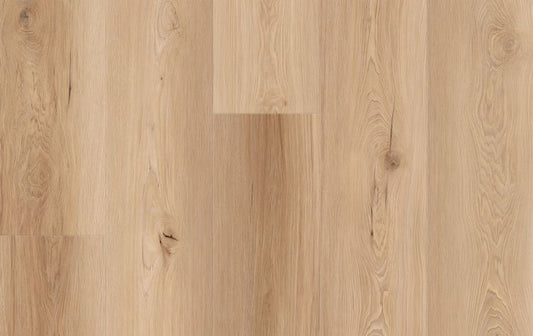
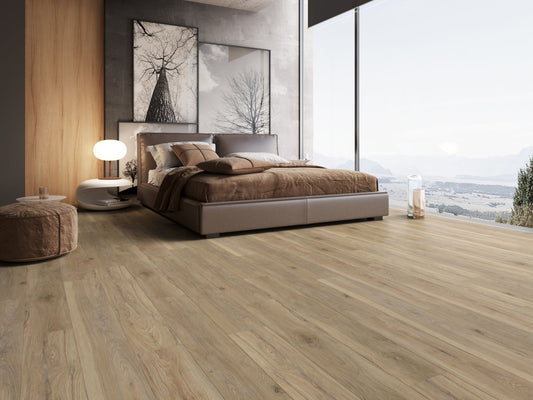
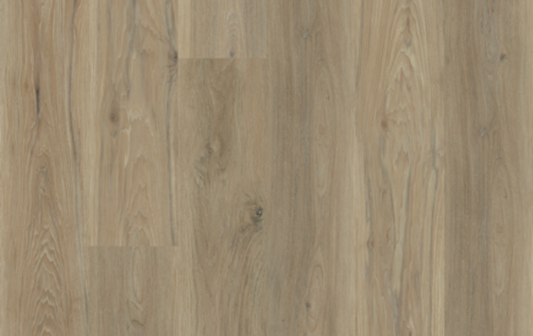
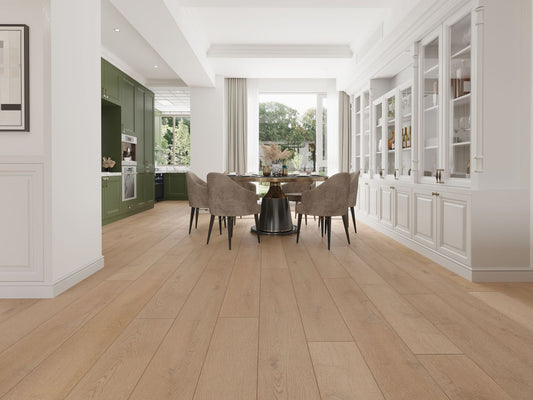

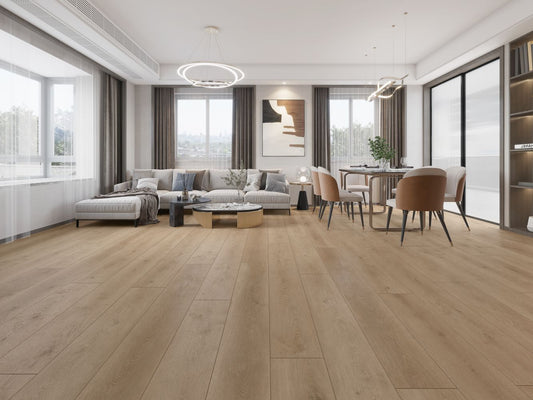
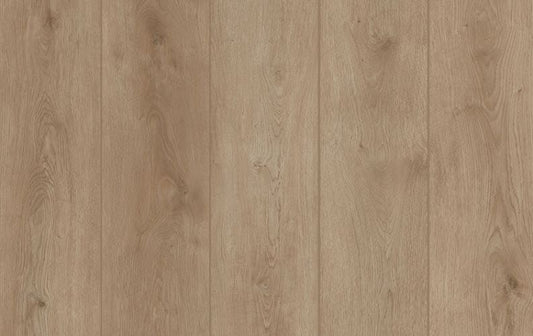
Low VOC Flooring
Low VOC flooring is a useful starting point for shoppers who want documented emissions performance alongside practical everyday use. The important distinction is between a general marketing description and certification that applies to the actual product.
Browse our full SPC and vinyl flooring selection alongside qualifying laminate options. Compare construction, surface texture, moisture classification and installation requirements, then review the emissions documentation for the exact floor you prefer. Certification scope should be checked product by product.
Check Certification Before You Buy
This collection is a browsing starting point, not a declaration that every displayed product has verified emissions certification. Before ordering for a low VOC specification, obtain current documentation covering the exact manufacturer, product range and construction you select.
For example, FloorScore evaluates VOC emissions for covered products. It does not establish zero emissions, waterproof performance or approval for every room. Check the certificate's covered products and validity, and review adhesives and underlayment separately.
- Identify the exact product name, range and SKU.
- Match it to the certificate or test document required by your project.
- Check that the document covers the selected construction and is current.
- Confirm compatible installation materials and their own documentation.
- Then compare color, texture, dimensions, wear protection and carton coverage.
What Does Low VOC Flooring Mean?
VOC stands for volatile organic compounds. When comparing flooring, a useful question is whether its emissions have been assessed against a recognized standard. Broad phrases such as eco friendly or natural do not answer that question on their own.
Low VOC should not be interpreted as zero emissions or a promise about every part of the indoor environment. The flooring, installation materials, furnishings and ventilation each form part of the finished room.
Ask for evidence that identifies the covered flooring and the applicable assessment. Then compare the product's practical specification. A documented emissions result is most useful when the floor also fits the room and can be installed correctly.
Why Product Specific Certification Matters
A certificate should connect to the selected product or the documented group that includes it. The manufacturer name, covered product scope and validity period help establish that connection. Certification for one range should not be automatically extended to a different one.
FloorScore is an emissions certification for applicable flooring products. It evaluates specified VOC emissions against an indoor air quality standard. The claim should remain within that scope rather than being turned into an absolute statement that the material is chemical free.
If certification is part of your project specification, confirm the current supporting documents for the exact ordered floor before installation. The collection includes our broader SPC and vinyl catalog, so inclusion alone should not replace checking the applicable product certificate.
Low VOC Vinyl Flooring
Vinyl comes in several constructions and attachment methods. A product's emissions documentation should be reviewed separately from whether it is rigid core, flexible, glued or installed through a locking system. The material name alone does not establish certification.
Compare SPC vinyl plank flooring if you are considering a dense rigid core. Total thickness, wear layer, backing and plank dimensions help distinguish the practical specification, while the emissions certificate addresses a different question.
Waterproof plank materials may be useful in approved everyday rooms, but that classification is separate from emissions performance. A floor can meet one criterion without the other, so review both when they matter to the project.
WPC Flooring With Emissions Documentation
WPC can be considered when underfoot comfort is part of the decision. Core construction and backing contribute to its feel, while surface protection and installation requirements affect everyday use. These features do not independently establish emissions certification.
Explore low VOC WPC flooring to compare this more specific construction. Confirm the documentation for the actual floor you prefer, including the product scope rather than relying on a general category label.
Check whether the total thickness includes attached backing. Review any additional underlayment requirements and confirm the finished height near doors and neighboring surfaces. A suitable emissions specification still needs a workable installation assembly.
Low VOC Laminate Flooring
Laminate offers a decorative wood visual over a manufactured core. Its surface texture, abrasion classification, dimensions and moisture rating help establish application suitability. These practical details should be reviewed alongside the emissions documentation.
Compare laminate flooring when you want to assess the broader category, then check whether the selected product has the required certification. A moisture claim or a high abrasion rating does not answer an emissions question.
Composite wood compliance and finished flooring emissions certification address related but different requirements. If your project has a written standard, ask for the documents it actually calls for rather than assuming one label replaces every other requirement.
Adhesives, Underlayment and the Complete Installation
The floor is only one material in many installation systems. Adhesives, primers, patching compounds, underlayment and moisture control products may also be required. Each should be compatible with the flooring and the substrate.
Where adhesive is used, review its own documentation and application instructions. A low VOC floor should not be treated as proof of an adhesive's emissions performance. Correct application, coverage and preparation are also important for the installed result.
For projects that need a bonded system, compare glue down flooring. Work from the complete approved assembly rather than selecting installation products independently of the floor.
Floating Floors and Preparation Requirements
A floating floor may avoid a full spread adhesive bed, but it still has installation requirements. Some systems need specified joint treatment, backing or vapor protection. Identify these details before assuming the project uses no additional materials.
Browse floating flooring to compare approved options. Check flatness, moisture and perimeter clearance as carefully as the locking system. An emissions certificate does not make an uneven or damp substrate suitable.
An attached pad does not automatically replace every underlayment or vapor layer. Follow the exact product instructions and avoid adding an unsupported extra soft layer. The complete assembly needs to provide the support the floor was designed to use.
Choosing Low VOC Flooring for Bedrooms
A bedroom floor should fit the room's appearance and daily use as well as any documentation requirement. Consider underfoot feel, furniture placement, cleaning and the way the floor meets adjoining spaces.
Explore bedroom flooring when you want to compare options for this use case. Then narrow the choice to products with the emissions evidence, construction and appearance you prefer.
Certification does not establish that a floor treats allergies, improves sleep or solves a medical problem. Use it for the specific emissions claim it supports. Comfort and cleaning remain separate considerations that should be assessed for the household.
Compare Samples Before Ordering
Choose a documented emissions specification alongside a floor that suits the room. Compare samples for surface texture, sheen and appearance, and check the practical requirements of each shortlisted product.
Place samples horizontally beside cabinets, walls and furniture. Review surface texture and sheen in daylight and evening light. A photograph can help narrow a search, but it does not show every tactile or color detail.
Review the sample alongside the product specification. The selected flooring should meet the project's documentation requirements as well as its installation, maintenance and design needs.
Planning the Order and Installation
Start with accurate measurements and account for the proposed layout, cuts and carton coverage. Confirm the total finished height, transitions and appliance clearances. These details affect whether the selected floor can be installed as planned.
Keep the relevant product and installation documents with the project information. This makes it easier to confirm what was selected and which materials form part of the assembly. If a building or client requires specific evidence, resolve that requirement before ordering.
Follow the recommended installation conditions and ventilation guidance for the materials used. Do not add an arbitrary waiting period or assume every product requires the same treatment. Use the actual instructions for the complete project.
Comparing Options With Confidence
A useful comparison starts with documented emissions performance, then checks construction, moisture classification and installation compatibility. Surface protection, plank size and texture help refine the choice further.
Ask whether the evidence applies to the exact product and whether the installation materials satisfy the project's requirements. These questions are more useful than choosing by a broad environmental phrase that has no clear scope.
The right low VOC floor combines verifiable documentation with a practical fit for the room. Select a floor you can install correctly, maintain comfortably and coordinate with the rest of the home.
Frequently Asked Questions
What is low VOC flooring?
It is flooring selected for documented low emissions performance. Look for applicable testing or certification that identifies the actual product, rather than relying only on a general marketing description.
Does low VOC mean zero VOC?
No. Low emissions certification should not be described as proof of zero emissions or chemical free construction. Review the specific claim supported by the documentation.
Can vinyl flooring be low VOC?
Yes. Selected vinyl products have emissions certification. Check the covered product scope and current documentation rather than assuming all vinyl has the same result.
Can laminate flooring have emissions certification?
Yes. Qualifying laminate can have finished flooring emissions certification. Review that evidence alongside any separate composite wood compliance documents required for the project.
Does flooring certification cover the adhesive?
Not automatically. Adhesive and other installation materials need their own compatible specifications and documentation. Consider the complete installation assembly.
How do I compare certified flooring options?
Start with applicable emissions evidence, then compare construction, moisture rating, surface protection, texture, dimensions and installation requirements. Certification does not replace those practical checks.
Explore related flooring
Browse related flooring collections, brands and styles before making your final choice.