
Collection: Loose Lay Vinyl Plank Flooring
Shop loose lay vinyl plank flooring for removable, accessible installations with minimal locking joints. Compare wood-look colors, 20 mil wear layers, 5mm constructions, perimeter-fix requirements, textures, and approved applications.
-
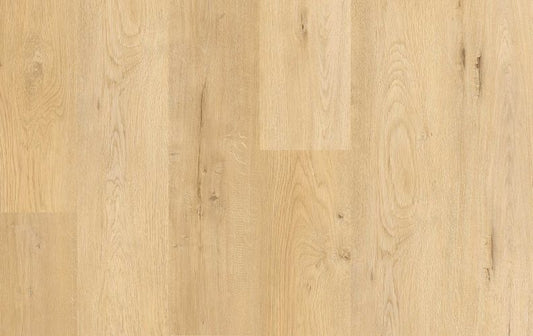
Formalay - Contour Flex | 20mil 5mm 9x60 Looselay LVP | Lions Floor
Vendor:Lions Floor$3.29 / sq. ft. $74.00 per carton · 22.5 sq. ft. / carton5.0mm20mil9x60 -
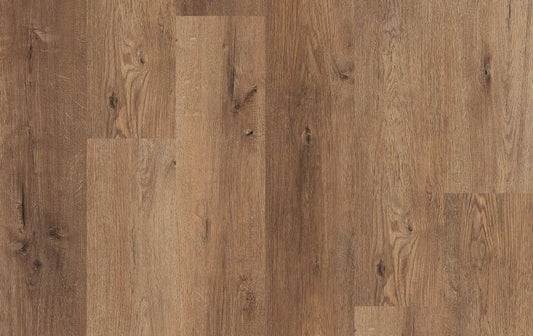
Formalay - StrataView | 20mil 5mm 9x60 Looselay LVP | Lions Floor
Vendor:Lions Floor$3.29 / sq. ft. $74.00 per carton · 22.5 sq. ft. / carton5.0mm20mil9x60 -
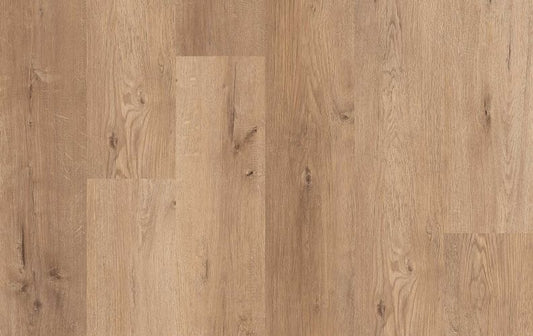
Formalay - Apex Form | 20mil 5mm 9x60 Looselay LVP | Lions Floor
Vendor:Lions Floor$3.29 / sq. ft. $74.00 per carton · 22.5 sq. ft. / carton5.0mm20mil9x60 -
Stratton Shore 22mil 5mm 7x48 Looselay LVT
Vendor:Monarch Floors$3.20 / sq. ft. $62.00 per carton · 19.375 sq. ft. / carton5.0mm22mil7x48 -
Stratton Smoke 22mil 5mm 7x48 Looselay LVT
Vendor:Monarch Floors$3.20 / sq. ft. $62.00 per carton · 19.375 sq. ft. / carton5.0mm22mil7x48 -
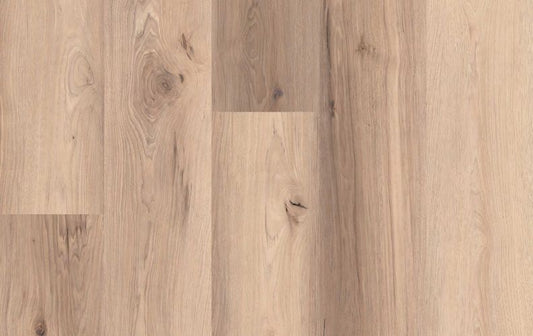
Formalay - Linear Axis | 20mil 5mm 9x60 Looselay LVP | Lions Floor
Vendor:Lions Floor$3.29 / sq. ft. $74.00 per carton · 22.5 sq. ft. / carton5.0mm20mil9x60 -
Formalay - FrameLine | 20mil 5mm 9x60 Looselay LVP | Lions Floor
Vendor:Lions Floor$3.29 / sq. ft. $74.00 per carton · 22.5 sq. ft. / carton5.0mm20mil9x60 -
Formalay - Parallax Drift | 20mil 5mm 9x60 Looselay LVP | Lions Floor
Vendor:Lions Floor$3.29 / sq. ft. $74.00 per carton · 22.5 sq. ft. / carton5.0mm20mil9x60 -
Formalay - Dimension Drift | 20mil 5mm 9x60 Looselay LVP | Lions Floor
Vendor:Lions Floor$3.29 / sq. ft. $74.00 per carton · 22.5 sq. ft. / carton5.0mm20mil9x60 -
Formalay - Quantum Trace | 20mil 5mm 9x60 Looselay LVP | Lions Floor
Vendor:Lions Floor$3.29 / sq. ft. $74.00 per carton · 22.5 sq. ft. / carton5.0mm20mil9x60 -
Formalay - SpanCraft | 20mil 5mm 9x60 Looselay LVP | Lions Floor
Vendor:Lions Floor$3.29 / sq. ft. $74.00 per carton · 22.5 sq. ft. / carton5.0mm20mil9x60 -
Formalay - Radius Mark | 20mil 5mm 9x60 Looselay LVP | Lions Floor
Vendor:Lions Floor$3.29 / sq. ft. $74.00 per carton · 22.5 sq. ft. / carton5.0mm20mil9x60 -
Stratton Straw 22mil 5mm 7x48 Looselay LVT
Vendor:Monarch Floors$3.20 / sq. ft. $62.00 per carton · 19.375 sq. ft. / carton5.0mm22mil7x48 -
Stratton Ivory 22mil 5mm 7x48 Looselay LVT
Vendor:Monarch Floors$3.20 / sq. ft. $62.00 per carton · 19.375 sq. ft. / carton5.0mm22mil7x48 -
Stratton Flint 22mil 5mm 7x48 Looselay LVT
Vendor:Monarch Floors$3.20 / sq. ft. $62.00 per carton · 19.375 sq. ft. / carton5.0mm22mil7x48 -
Stratton Pearl 22mil 5mm 7x48 Looselay LVT
Vendor:Monarch Floors$3.20 / sq. ft. $62.00 per carton · 19.375 sq. ft. / carton5.0mm22mil7x48








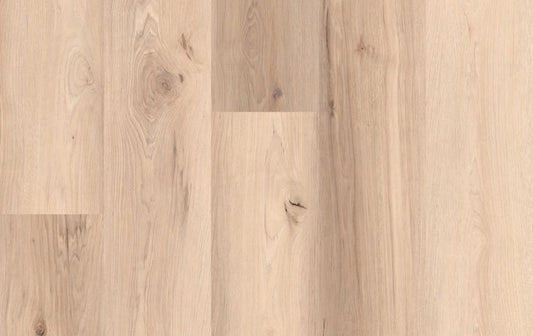

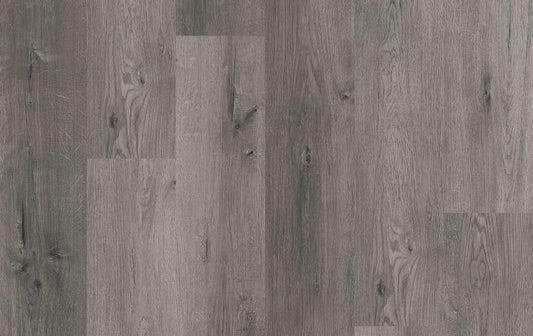

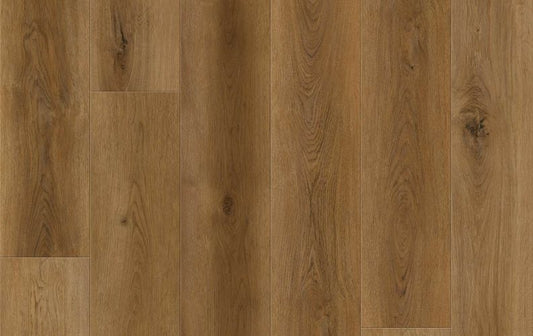






Loose Lay Vinyl Plank Flooring
Loose lay vinyl plank flooring is designed to remain stable without the click-lock joints used by floating SPC or WPC. Depending on the product, installation may use the planks’ weight, a high-friction backing, perimeter adhesive, pressure-sensitive adhesive, or a combination of these methods.
The format can provide an accessible alternative to traditional floating and full-spread glue-down flooring. Individual planks may be easier to lift and replace, making loose lay LVP especially relevant for commercial interiors, rental properties, offices, retail spaces, and projects where future floor access matters.
What Is Loose Lay Vinyl Plank Flooring?
Loose lay vinyl flooring uses dimensionally stable planks designed to lie flat against a properly prepared subfloor. It does not normally use an interlocking edge.
The exact installation can vary. A manufacturer may permit:
- Loose installation in approved rooms
- Adhesive around the room perimeter
- Pressure-sensitive adhesive in selected areas
- Full-spread adhesive in demanding applications
- Additional adhesive near entrances or rolling loads
- Different methods according to room size
“Loose lay” should not be interpreted as permission to place any vinyl plank on an unprepared surface. The approved method must come from the installation instructions for the individual product.
Advantages of Loose Lay LVP
Loose lay luxury vinyl plank can offer several practical benefits:
- No click-lock joints between planks
- Potentially faster installation in suitable rooms
- Individual-plank replacement
- Access beneath removable flooring
- Low-profile construction
- Durable commercial wear layers
- Realistic wood-look visuals
- Compatibility with pressure-sensitive adhesive where specified
- Reduced disruption during selected renovations
The format may be particularly useful where a property owner expects layout changes or wants the ability to replace a damaged plank without dismantling a large floating floor.
Buyers comparing installation systems can also explore glue-down vinyl plank flooring and click-lock SPC flooring.
Is Loose Lay Flooring Completely Adhesive-Free?
Not necessarily. Some products and room conditions require perimeter adhesive, while larger or more demanding installations may require pressure-sensitive or full-spread adhesive.
Adhesive may be required around:
- Exterior entrances
- Large glass doors
- Heavy rolling loads
- Frequently moved furniture
- High-traffic pathways
- Room perimeters
- Transition areas
- Large continuous installations
Follow the product-specific instructions rather than assuming every loose lay plank uses the same method.
Loose Lay Flooring for Commercial Spaces
Commercial projects can benefit from the repair accessibility of loose lay construction. When an individual plank becomes damaged, it may be possible to remove and replace that plank without unlocking surrounding rows.
Potential applications include:
- Offices
- Conference rooms
- Retail stores
- Showrooms
- Hotel guest rooms
- Multifamily units
- Property-management projects
- Temporary commercial buildouts
- Tenant improvements
The subfloor, rolling-load exposure, traffic level, furniture, and adhesive requirements must still be evaluated. Compare additional options in the commercial-grade vinyl flooring collection.
Loose Lay Flooring Over Concrete
Approved loose lay flooring may be installed over concrete when the slab satisfies the manufacturer’s requirements.
The concrete should be:
- Flat
- Clean
- Dry to the specified limits
- Structurally sound
- Free from unresolved water intrusion
- Properly patched
- Smooth enough to prevent surface telegraphing
- Tested using the required moisture procedures
Loose lay construction does not eliminate concrete moisture testing. Moisture or alkalinity can affect adhesive, installation stability, and surrounding building materials.
Does Loose Lay LVP Need Underlayment?
Loose lay vinyl usually requires direct contact with a firm, smooth subfloor. Adding soft underlayment can allow movement, indentation, or unstable joints unless the manufacturer specifically approves it.
Confirm whether the product permits installation over:
- Concrete
- Plywood
- Existing resilient flooring
- Ceramic tile
- Raised access flooring
- Approved patching compounds
- Radiant-heated subfloors
For slab-specific alternatives, compare SPC flooring for concrete slabs.
How to Choose Loose Lay Vinyl Flooring
Compare more than color. Important specifications include:
- Wear-layer thickness
- Total plank thickness
- Plank width and length
- Backing construction
- Dimensional-stability requirements
- Approved adhesive
- Maximum room size
- Rolling-load limits
- Installation-grade approval
- Surface texture
- Edge treatment
- Cleaning instructions
A 20 mil wear layer may suit active residential and selected commercial environments, but the complete installation system determines whether the floor is appropriate.
Frequently Asked Questions
What keeps loose lay vinyl flooring in place?
Depending on the product, stability may come from plank weight, dimensional construction, a high-friction backing, perimeter adhesive, pressure-sensitive adhesive, or full-spread adhesive.
Is loose lay flooring the same as floating flooring?
No. Floating floors usually connect through click-lock joints. Loose lay planks generally do not lock together.
Can loose lay vinyl be installed without glue?
Some products permit adhesive-free installation in approved rooms, while others require perimeter or pressure-sensitive adhesive. Check the exact instructions.
Can individual loose lay planks be replaced?
Individual-plank replacement is one of the format’s principal advantages, although the procedure depends on the adhesive system and installation.
Is loose lay LVP waterproof?
Vinyl plank materials may be waterproof, but seams, room perimeters, the subfloor, and the completed installation are not automatically waterproof.
Is loose lay flooring suitable for commercial interiors?
Selected products can suit commercial interiors when their wear layer, installation method, traffic approval, rolling-load limits, and maintenance requirements match the application.
For business interiors, compare commercial loose lay vinyl flooring. Review samples and the exact product details before ordering.
Explore related flooring
Browse related flooring collections, brands and styles before making your final choice.