
Collection: Laminate Flooring for South Carolina Homes
Explore laminate flooring for South Carolina homes with realistic wood styling for living rooms, bedrooms and hallways. Compare AC ratings, thicknesses, plank sizes and moisture classifications. Find a look that fits your rooms, then review the indoor conditions and installation details for the selected floor.
-
Bavaria Oak Copper Taupe – 8mm AC5 7.67x50.7” Waterproof Laminate Flooring | Kronospan/Muller Graff
Vendor:Muller Graff$2.69 / sq. ft. $65.56 per carton · 24.33 sq. ft. / carton8.0mm7.6x50.7
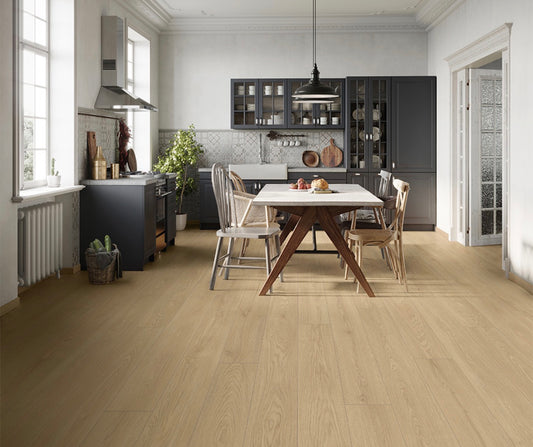
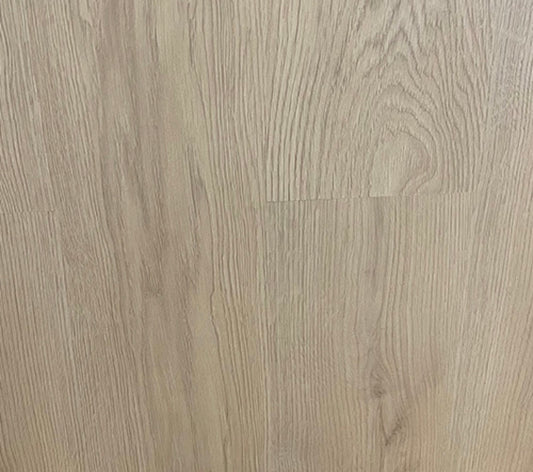
Laminate Flooring for South Carolina Homes
Laminate flooring offers realistic wood styling with a layered board construction and protective surface. It is a useful option for South Carolina homeowners comparing floors for living areas, bedrooms and hallways approved for the chosen product.
Selection should bring together abrasion rating, moisture classification, total thickness and installation requirements. Those details help distinguish floors that may look similar in photographs but suit different room conditions.
Understanding Laminate Construction
Laminate uses a decorative design within a manufactured board. Its surface can reproduce grain and texture, while the supporting construction and joints determine the installation requirements.
It differs from engineered hardwood, which has a genuine wood face, and from SPC or WPC vinyl. Choose according to the room's priorities rather than treating every wood-look material as interchangeable.
Compare flooring choices for South Carolina homes if the material decision is still open. Laminate is useful to evaluate where appearance and an abrasion-classified surface matter.
AC Ratings and Surface Wear
An AC rating describes abrasion classification. It is relevant to everyday surface wear but does not establish waterproof performance, total board thickness or resistance to every kind of damage.
Browse AC4 laminate flooring for one classification to compare. Check the exact product's approved use alongside the rating rather than assuming it covers every household or commercial room.
Our AC5 laminate flooring collection provides a higher abrasion classification to review. Compare construction, moisture performance and the intended application as well as the number.
Waterproof and Water-Resistant Laminate
Moisture claims vary across laminate products. Water-resistant and waterproof classifications should be reviewed using the exact product documentation and its stated conditions.
Explore waterproof laminate flooring when that classification is important to the project. It is separate from the AC rating, which concerns abrasion.
Water should still be removed promptly. A flooring classification does not protect every part of the substrate, walls or installation perimeter from leaks or persistent moisture.
Indoor Conditions and Humidity Control
Laminate should suit the temperature and humidity maintained inside the home. Review the exact environmental range before selecting the floor for a South Carolina property.
Ventilation, air conditioning and the way the home is occupied can affect the environment. A seasonal property left without regular indoor control needs a specific compatibility check.
Acclimation should follow the product instructions. The process may depend on actual building and material conditions rather than a fixed number of waiting days.
Concrete Slabs and Moisture Protection
A slab needs moisture testing and preparation for flatness, cleanliness and structural condition. The appearance of the concrete cannot establish whether it meets the flooring's limits.
Compare laminate flooring over concrete when the installation sits on a slab. Follow the required vapor-protection and underlayment assembly for the exact product.
Attached padding does not automatically replace a moisture barrier. Extra cushioning is not automatically acceptable either, because the joints need the support required by the installation system.
Wood Subfloors and Crawl Spaces
A raised wood floor should be checked for structural support, movement, moisture and flatness. Address problems before the laminate is installed.
Where a crawl space sits below the room, inspect the conditions beneath the substrate. Moisture originating there can affect the flooring environment even if the living area feels comfortable.
Laminate's water classification does not correct a damp supporting floor. The substrate and building should be brought within the required conditions before the finish material is fitted.
Living Rooms, Bedrooms and Hallways
Laminate can connect everyday rooms with one consistent wood look. In a living room, compare grain movement beside furniture. In a bedroom, check the color under both daylight and evening lighting.
For hallways, consider surface classification and the household's cleaning routine. Plan plank direction and doorway details so the floor relates clearly to adjoining rooms.
Door clearances and floor heights should be checked before ordering. A substantial laminate profile can affect reducers, stairs and the transition to existing tile or other surfaces.
Plank Size, Texture and Visual Variation
Plank dimensions change the rhythm of a room. Wide boards can create fewer visible divisions across open areas, while smaller formats produce more board definition.
Explore wide-plank laminate flooring when dimensions are part of the design decision. Compare the published length and width against the room's scale and the intended layout.
Check several boards or a larger sample where possible. Grain variation and design repeats are easier to judge across more surface area than in one small piece.
Kitchen Connections and Fixed Fixtures
If laminate will run from a living area into a kitchen, confirm the exact product's moisture approval and installation details. A high AC rating alone does not establish kitchen suitability.
Floating installation needs the movement space required by the manufacturer. Fixed cabinets, islands and appliances should be planned so they do not conflict with that assembly.
Clean ordinary spills promptly and investigate leaks. The selected surface should fit the room's routine, but appropriate care remains part of the installation's daily use.
Planning and Caring for Laminate
Measure the space and allow additional material for cuts and the chosen pattern. Check the permitted dimensions of a continuous installation and any transition requirements between rooms.
Use the approved cleaning method, suitable mats and furniture protection. Remove grit regularly rather than letting it be dragged across the floor.
The best laminate choice combines realistic styling with the correct surface classification, moisture performance and prepared installation. That gives you a floor selected for the actual home rather than one headline specification.
Frequently Asked Questions
Is laminate suitable for South Carolina homes?
It can suit approved rooms when indoor conditions, subfloor preparation and installation meet the exact product requirements.
What does an AC rating mean?
It describes the surface's abrasion classification. It does not tell you whether the flooring is waterproof or how thick the board is.
Is all laminate waterproof?
No. Check the exact product's moisture classification and stated conditions before selecting it.
Can laminate be installed over concrete?
Many products permit this with moisture testing, substrate preparation and the required installation assembly.
Does waterproof laminate solve crawl-space moisture issues?
No. Moisture and structural problems beneath the room should be addressed before flooring is installed.
Can laminate connect a living room with a kitchen?
Selected products may permit that layout. Confirm kitchen moisture suitability, expansion rules and requirements around fixed fixtures.
Explore related flooring
Browse related flooring collections, brands and styles before making your final choice.