
Collection: 8mm Laminate Flooring
Shop 8mm laminate flooring with durable wood-look surfaces, efficient floating construction, and modern locking technology. Compare AC ratings, exact plank dimensions, moisture protection, textures, edge styles, colors, and attached pads.
-
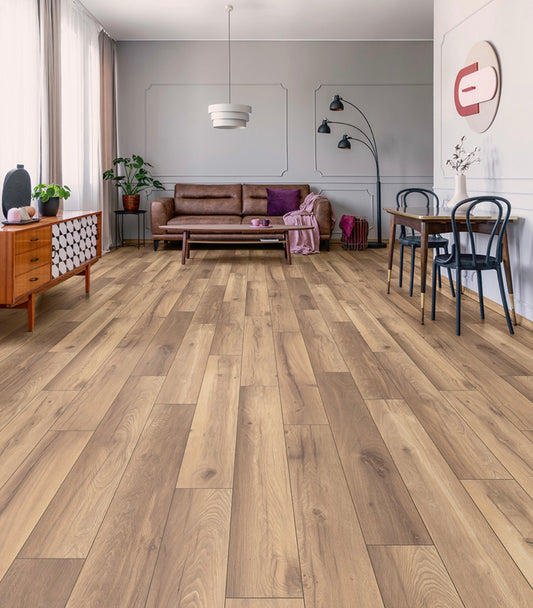
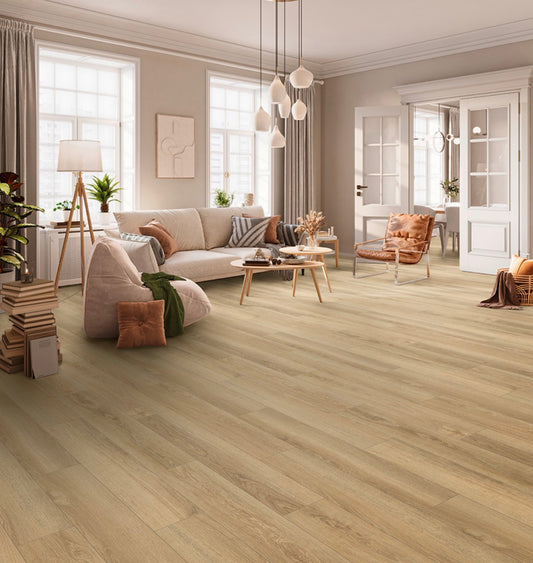
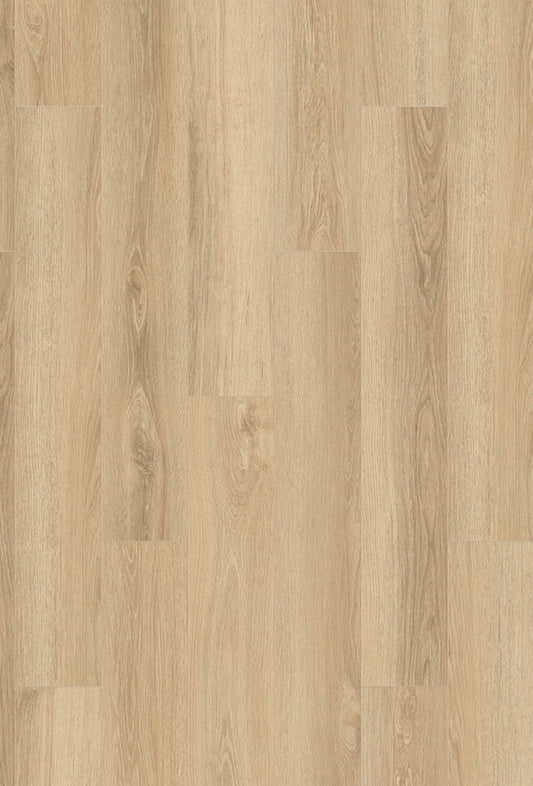
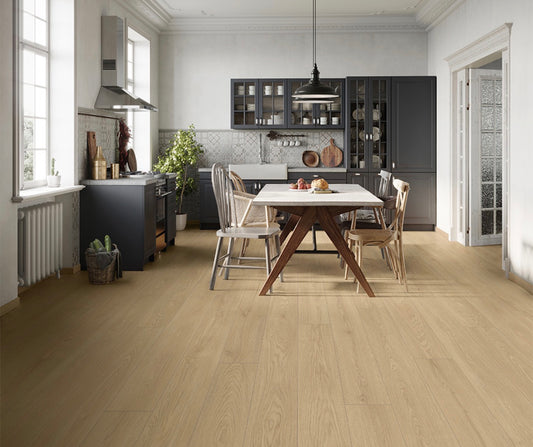
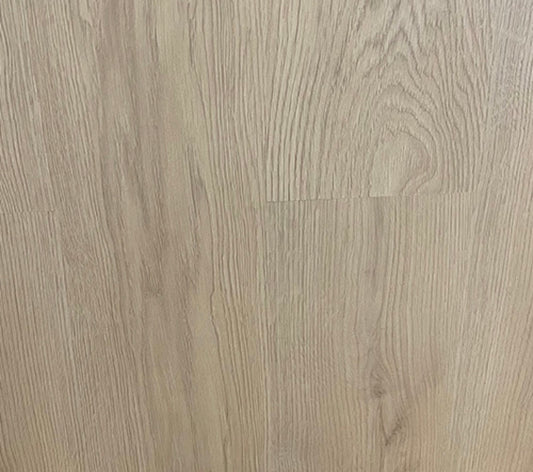
Bavaria Oak Maplewood – 8mm AC5 7.67x50.7” Waterproof Laminate Flooring | Kronospan/Muller Graff
Vendor:Muller GraffRegular price From $0.00 USDRegular priceUnit price $2.19/ft² -
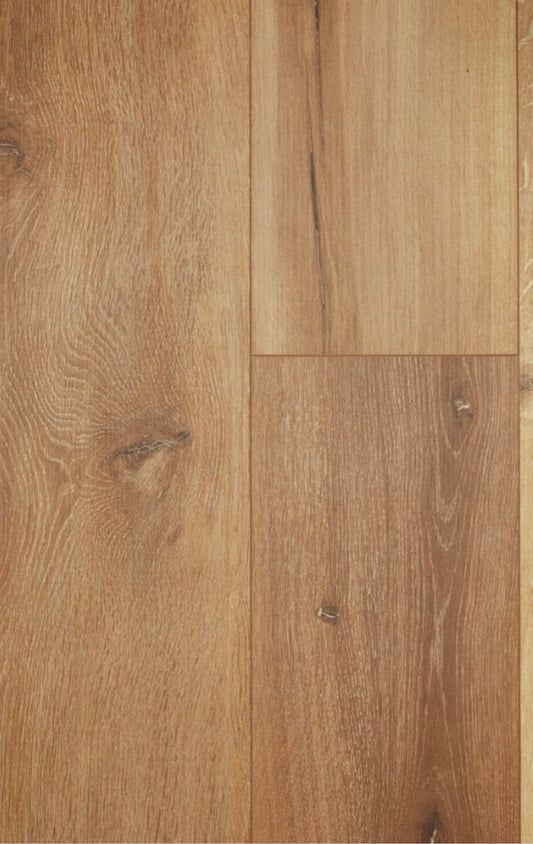
Bavaria Oak Sandstone – 8mm AC5 7.67x50.7” Waterproof Laminate Flooring | Kronospan/Muller Graff
Vendor:Muller GraffRegular price From $0.00 USDRegular priceUnit price $2.69/ft² -
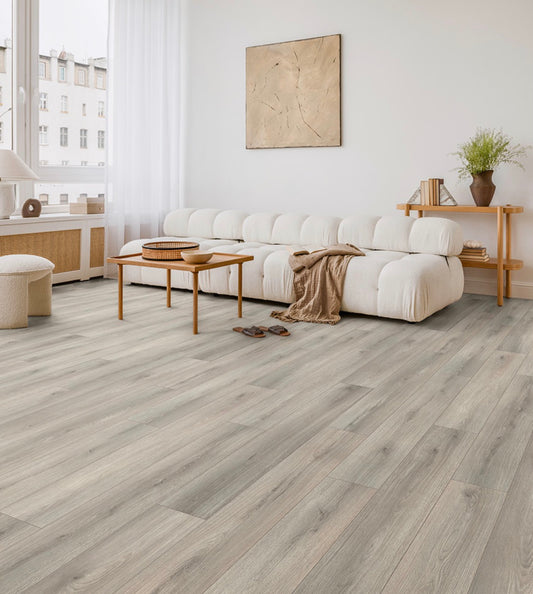
Bavaria Oak Alpine Oak – 8mm AC5 7.67x50.7” Waterproof Laminate Flooring | Kronospan/Muller Graff
Vendor:Muller GraffRegular price From $0.00 USDRegular priceUnit price $2.19/ft² -
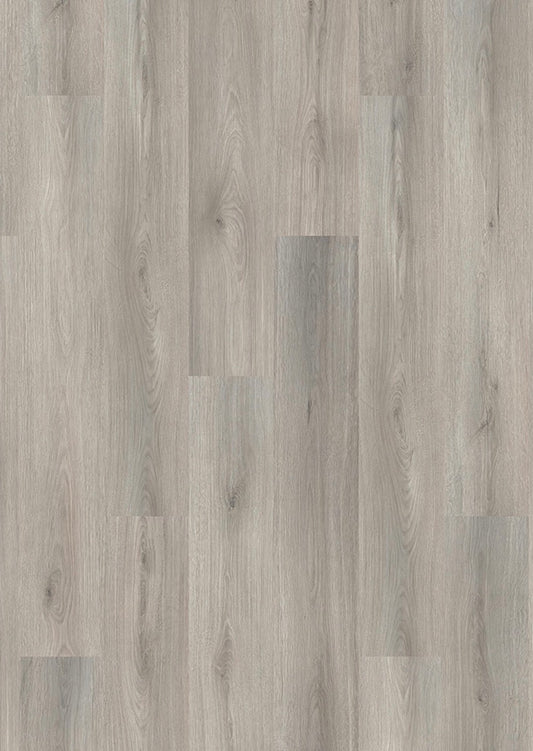
Bavaria Oak Copper Taupe – 8mm AC5 7.67x50.7” Waterproof Laminate Flooring | Kronospan/Muller Graff
Vendor:Muller GraffRegular price From $0.00 USDRegular priceUnit price $2.69/ft²
8mm Laminate Flooring
Eight-millimeter laminate flooring provides a practical, lower-profile way to achieve modern hardwood-inspired visuals. It commonly combines a compressed wood-fiber core, decorative wood image, durable wear surface, balancing layer, and click-lock edges within an efficient 8mm plank.
A well-manufactured 8mm laminate should not be dismissed as the thin, shiny laminate associated with many installations from the 1990s and early 2000s. Modern surface imagery, abrasion classifications, locking technology, edge treatments, and moisture-protection systems have changed substantially.
How Thick Is 8mm Laminate?
Eight millimeters equals approximately 0.315 inches, or slightly less than one-third of an inch.
Manufacturers may publish constructions such as:
- 8mm plank without attached backing
- 8mm plank with separate underlayment
- 8mm core plus attached pad
- Combined thickness greater than 8mm
- Another nominal 8mm construction
Product pages should clarify whether the stated measurement includes attached backing.
Benefits of 8mm Laminate
Depending on the complete product, 8mm laminate may provide:
- Lower finished-floor height
- Easier coordination with nearby surfaces
- Efficient material pricing
- Modern wood-look visuals
- Strong AC-rated surface options
- Wide-plank formats
- Water-resistant or waterproof choices
- Straightforward floating installation
- Reduced transition height
- Easier handling during installation
Thickness alone does not determine quality. A precisely manufactured 8mm floor can perform better than a poorly constructed thicker product.
Modern 8mm Laminate Versus Older Laminate
Earlier laminate often used limited visual scans, basic surface embossing, glossy finishes, weaker joints, and vulnerable exposed edges.
Modern 8mm laminate may offer:
- High-resolution decorative layers
- Multiple plank visuals
- Realistic wood-grain texture
- Matte finishes
- Pressed bevels
- AC4 or AC5 surfaces
- Dense core construction
- Improved click-lock systems
- Protected edges
- Verified moisture resistance
- Attached pad on selected products
Modern laminate should be evaluated according to its exact specifications rather than its thickness or the reputation of decades-old products.
8mm Versus 10mm Laminate
Ten-millimeter laminate provides approximately 2mm of additional plank thickness.
The difference may affect:
- Underfoot feel
- Joint construction
- Finished-floor height
- Bevel depth
- Sound
- Handling
- Transition selection
- Material price
It does not automatically determine abrasion performance, water protection, or design quality.
A premium 8mm AC5 waterproof product may be more appropriate than a basic 10mm floor with weaker documented specifications.
8mm Versus 12mm Laminate
Twelve-millimeter laminate may feel more substantial and can support deeper edge profiles. Eight-millimeter flooring offers a lower assembly height and may suit renovation projects with limited clearance.
Compare:
- AC rating
- Core density
- Locking system
- Moisture classification
- Plank width and length
- Attached backing
- Surface texture
- Finished-floor height
- Subfloor requirements
- Price
The thicker product is not automatically the better floor.
Thickness Versus AC Rating
Thickness and abrasion performance are separate.
An 8mm product may carry:
- AC3
- AC4
- AC5
- Another documented classification
The AC rating evaluates surface-wear performance. The 8mm measurement describes plank thickness.
Neither specification independently establishes core quality, waterproof performance, or visual realism.
Core and Locking Construction
Most laminate uses a compressed wood-fiber core. Core density and milling precision influence how securely the joints connect.
Compare:
- Core construction
- Edge treatment
- Locking profile
- Manufacturing tolerances
- Moisture classification
- Backing layer
- Attached pad
- Approved room dimensions
An efficient 8mm profile still requires accurate joint construction.
Underlayment
Many 8mm laminate products require separate underlayment. Selected products may include attached backing.
Underlayment can contribute to:
- Sound control
- Minor surface isolation
- Walking comfort
- Vapor protection when specified
- Support for locking joints
An excessively soft or thick underlayment can allow movement and damage joints. Only use approved materials.
Moisture Technology
Eight-millimeter laminate may be standard, water resistant, or waterproof.
Modern moisture protection may use:
- Dense treated cores
- Protected edges
- Waxed locking joints
- Hydrophobic surface treatments
- Defined spill-protection periods
- Perimeter-sealing systems
The exact manufacturer classification must control the product description.
Appearance and Texture
Modern 8mm laminate may include:
- Natural oak visuals
- White oak looks
- European oak inspiration
- Hickory patterns
- Maple visuals
- Walnut colors
- Smooth texture
- Wood-grain embossing
- EIR on selected products
- Matte finishes
Width, length, bevels, variation, and image quality can have a greater effect on realism than thickness alone.
Renovation Applications
The lower profile may help when replacing:
- Carpet
- Thin laminate
- Resilient flooring
- Older floating floors
- Other approved surfaces
Measure around doors, appliances, cabinets, stair risers, vents, exterior thresholds, and adjoining floors.
Subfloor Preparation
A thinner floor does not remove the need for proper preparation.
The substrate should be:
- Flat within tolerance
- Dry
- Clean
- Structurally sound
- Free from loose debris
- Compatible with the underlayment
- Protected from concrete vapor where required
Low areas should not be bridged with soft padding.
Installation
Most 8mm laminate uses floating click-lock installation.
Installation should follow requirements for:
- Expansion spacing
- Joint engagement
- Starter-row alignment
- End-joint staggering
- Transition placement
- Maximum room dimensions
- Fixed cabinetry
- Perimeter clearance
- Underlayment seams
- Concrete vapor protection
Cleaning and Maintenance
Routine care may include:
- Vacuuming abrasive grit
- Using laminate-approved cleaner
- Cleaning spills promptly
- Using a lightly damp microfiber pad
- Protecting furniture feet
- Avoiding wax and polish
- Avoiding excessive water
- Following the moisture rating
- Using entrance mats
- Maintaining stable indoor conditions
Frequently Asked Questions
Is 8mm laminate too thin?
No. A correctly manufactured and installed 8mm product can provide strong residential performance.
Is 8mm laminate better than old laminate?
Modern products may use better surfaces, imagery, joints, edges, and moisture technology than early laminate generations.
Is 8mm laminate waterproof?
Only when the manufacturer explicitly classifies the product as waterproof.
Can 8mm laminate carry an AC5 rating?
Yes. Thickness and AC classification are separate specifications.
Does 8mm laminate need underlayment?
Many products do, while selected products include attached backing.
Can it be installed over concrete?
Selected products can float over prepared concrete with the specified vapor protection and underlayment.
Is 12mm always better than 8mm?
No. Core quality, locking precision, AC rating, moisture protection, and surface design also matter.
Where is 8mm laminate useful?
It can suit bedrooms, living spaces, rental properties, offices, and renovations where lower finished-floor height is beneficial.
Explore related flooring
Browse related flooring collections, brands and styles before making your final choice.