
Collection: Honey Oak Laminate Flooring
Shop honey oak laminate flooring with warm golden-brown color and realistic natural wood character. Compare plank widths, lengths, thicknesses, EIR textures, water performance, attached pads, grain variation, and edge styles.
-
North Forest Emerald Pearl 12mm AC5 Waterproof Laminate Flooring | 9” x 72” Extra Long Planks
Vendor:Republic FloorsRegular price From $0.00 USDRegular priceUnit price $3.99/ft² -
North Forest Spanish Gold – 12mm AC5 Waterproof Laminate Flooring | 9” x 72” Extra Long Planks
Vendor:Republic FloorsRegular price From $0.00 USDRegular priceUnit price $3.99/ft² -
Bear Woods Crystal Yellow - 12mm AC5 Waterproof Laminate Flooring | 9” x 72” Extra Long Planks
Vendor:Republic FloorsRegular price From $0.00 USDRegular priceUnit price $4.09/ft² -
Bear Woods Prada Sunrise - 12mm AC5 Waterproof Laminate Flooring | 9” x 72” Extra Long Planks
Vendor:Republic FloorsRegular price From $0.00 USDRegular priceUnit price $4.09/ft² -
Haven Heights Pinecrest Walk AC3 10mm 9.25x60 Laminate
Vendor:Lions FloorRegular price From $0.00 USDRegular priceUnit price $3.19/ft² -
North Forest Rock Cream – 12mm AC5 Waterproof Laminate Flooring | 9” x 72” Extra Long Planks
Vendor:Republic FloorsRegular price From $0.00 USDRegular priceUnit price $3.59/ft²$3.99 USDSale price From $0.00 USDSale


Honey Oak Laminate Flooring
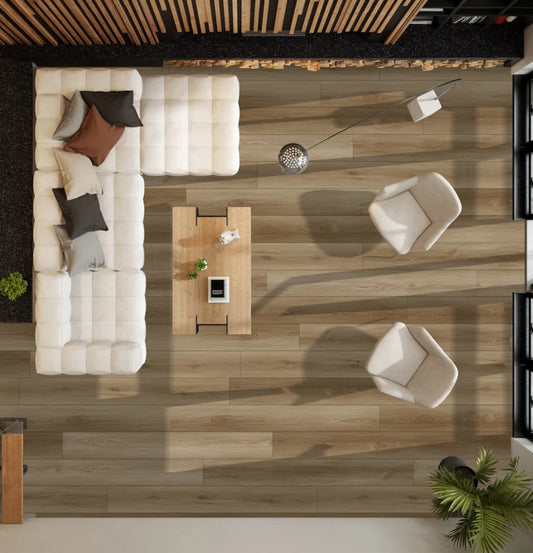
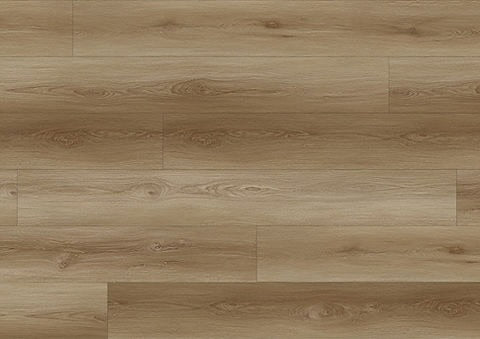
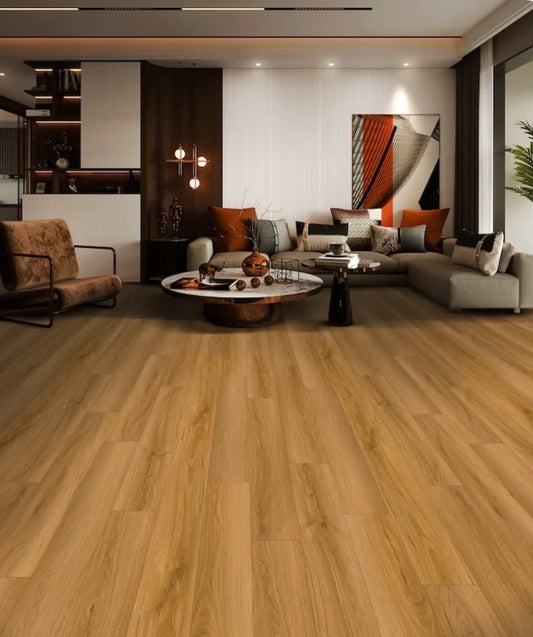
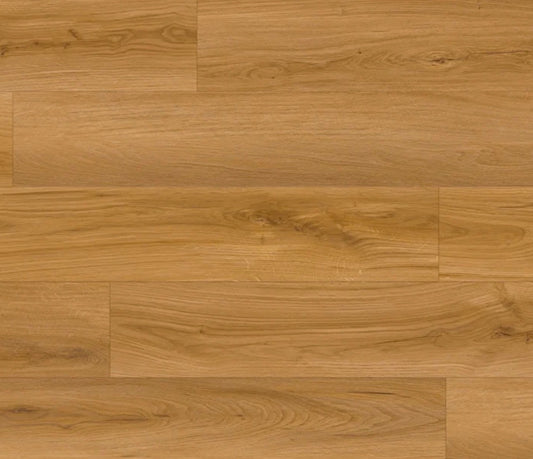
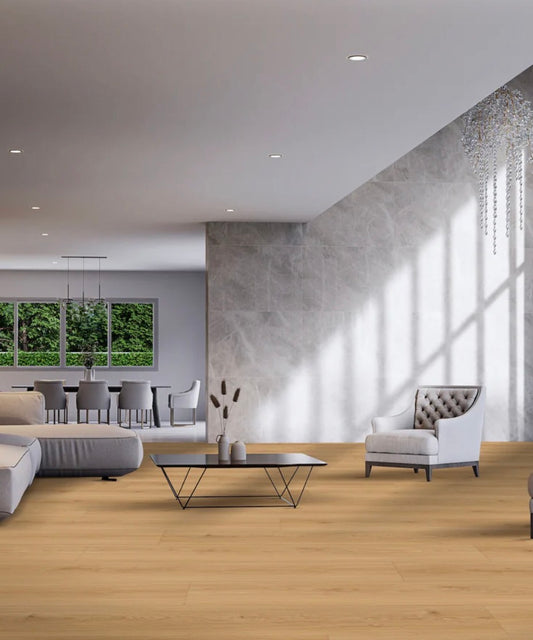
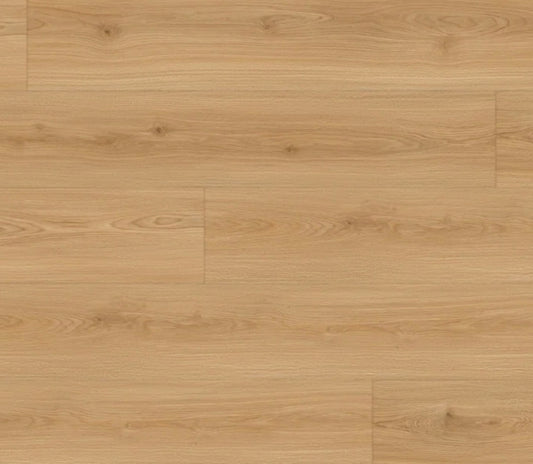
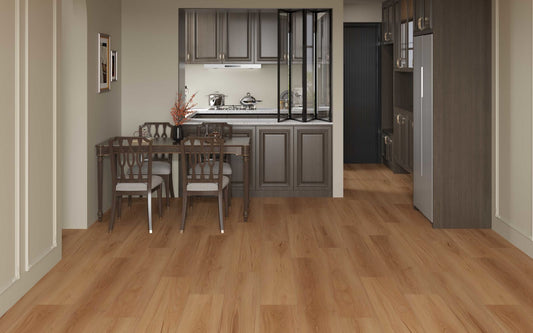
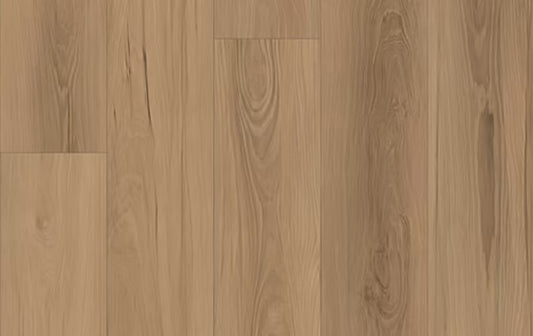
Honey oak laminate flooring brings warm golden, amber, and light brown tones into a room. It can create a comfortable natural-wood appearance without the cool cast associated with many gray floors or the visual weight of dark brown flooring.
Modern honey oak laminate should not be confused with the orange, glossy, repetitive laminate common in the 1990s and early 2000s. Current printing and surface technology can produce greater color depth, more varied boards, realistic oak grain, matte finishes, pressed bevels, and texture that follows the photographed wood pattern.
The modern interpretation is generally softer, more natural, and more detailed.
What Does Honey Oak Look Like?
Honey oak occupies the warm range between pale natural oak and deeper brown flooring. Depending on the product, it may include:
- Golden beige
- Warm tan
- Soft amber
- Wheat
- Caramel
- Light chestnut
- Natural brown
- Toasted oak
- Subtle copper
- Cream-colored grain highlights
Some products lean yellow, while others contain more brown or muted beige. Always inspect a sample under the room’s actual lighting.
Why Choose Honey Oak Laminate?
Honey oak flooring may provide:
- A warm and welcoming foundation
- Natural oak character
- Compatibility with traditional and modern interiors
- More warmth than gray flooring
- Less visual weight than dark brown flooring
- Realistic wide-plank formats
- Matte and EIR surface options
- Durable wear surfaces
- Water-resistant choices
- Easy coordination across living spaces
It can work particularly well in rooms where the goal is brightness without using an extremely pale floor.
A New Generation of Warm Wood Looks
Older laminate often used a small number of highly saturated images with uniform embossing. This could make honey-colored floors appear orange or artificial.
Modern laminate technology may provide:
- High-definition photographic layers
- Larger source scans
- Multiple plank faces
- Reduced pattern repetition
- Embossed-in-register texture
- Low-gloss finishes
- Natural-looking bevels
- Improved edge coloration
- Stronger locking profiles
- Denser core construction
These advances allow warm laminate to capture the depth and variation of genuine oak more convincingly.
Honey Oak Versus Natural Oak
Natural oak laminate usually emphasizes raw beige, pale brown, or unstained wood coloration. Honey oak introduces more golden or amber warmth.
Choose natural oak when seeking:
- A pale, understated appearance
- Minimal yellow or orange
- Scandinavian-inspired color
- A quieter neutral foundation
Choose honey oak when seeking:
- Greater warmth
- Richer golden color
- A comfortable traditional influence
- Stronger contrast with white walls
- A sunlit or welcoming effect
The categories overlap, so compare actual samples rather than relying solely on product names.
Honey Oak Versus Warm Oak
Warm oak is a broad category that may include beige, honey, caramel, medium brown, or reddish undertones. Honey oak is more specific and generally centers on golden-amber coloration.
This focused collection helps shoppers who already know they want a recognizable honey-toned floor instead of every possible warm wood visual.
Coordinating Honey Oak with Cabinets
Honey oak laminate may coordinate with:
- White cabinets
- Warm white cabinets
- Cream cabinets
- Navy cabinets
- Sage green cabinets
- Dark green cabinets
- Black cabinets
- Medium brown cabinetry
- Selected painted gray cabinets
Matching honey oak flooring directly to existing honey oak cabinets can create excessive uniformity. A controlled difference in color depth or grain may produce clearer separation.
Wall Colors and Furnishings
Potential coordinating colors include:
- Warm white
- Cream
- Soft beige
- Muted green
- Dusty blue
- Warm greige
- Charcoal accents
- Terracotta
- Cognac leather
- Natural linen
Cool white lighting can reduce the warmth of the floor, while warmer bulbs may intensify gold and amber tones. Samples should be viewed during both daylight and evening conditions.
Surface Texture
Realistic honey oak laminate may use:
- Embossed-in-register texture
- Natural oak pore embossing
- Wire-brushed effects
- Light saw marks
- Subtle distressing
- Smooth matte surfaces
EIR construction aligns the physical texture with visible grain, knots, and character. This helps the surface react to light more like actual wood.
Selecting Plank Dimensions
Wide-plank honey oak can create a contemporary interpretation of a traditional color. Moderate-width boards may produce a more classic hardwood proportion.
Longer boards may create:
- Fewer end joints
- Extended visual lines
- More continuous grain
- Stronger open-room flow
Exact width, length, pattern repeat, bevel construction, and room dimensions should be considered together.
Water and Everyday Maintenance
Selected products may offer water-resistant or waterproof classifications through dense cores, tight joints, edge protection, and sealed surfaces.
Confirm the exact limits and required installation details. Water-performance claims do not mean the floor can ignore plumbing leaks, subfloor moisture, or prolonged flooding.
Routine care generally includes vacuuming grit, promptly cleaning spills, using an approved laminate cleaner, and avoiding steam or excessive water.
Frequently Asked Questions
Is honey oak laminate outdated?
Modern honey oak uses softer color, realistic grain, matte surfaces, and updated plank proportions. It can look substantially different from older orange-toned floors.
What colors are present in honey oak flooring?
Honey oak commonly combines golden beige, amber, warm tan, and light brown.
Does honey oak work in modern homes?
Yes. Wide planks, long boards, matte finishes, minimal bevels, and restrained amber coloration can give honey oak a modern appearance.
How does modern laminate compare with 1990s laminate?
Current premium laminate may provide denser cores, stronger joints, better edge protection, larger image variation, EIR texture, and more natural matte finishes.
Does honey oak work with white cabinets?
Yes. Warm white and cream cabinets produce a softer combination, while crisp white creates stronger contrast.
Is honey oak darker than natural oak?
It is often warmer and slightly deeper, although exact colors vary between manufacturers.
Explore related flooring
Browse related flooring collections, brands and styles before making your final choice.