
Collection: Glue-Down LVT for Schools
Shop glue-down LVT for schools, including qualifying commercial flooring for classrooms, administrative offices, libraries, corridors, and educational interiors. Compare wear layers, dimensions, colors, warranties, and manufacturer-supported applications.
-
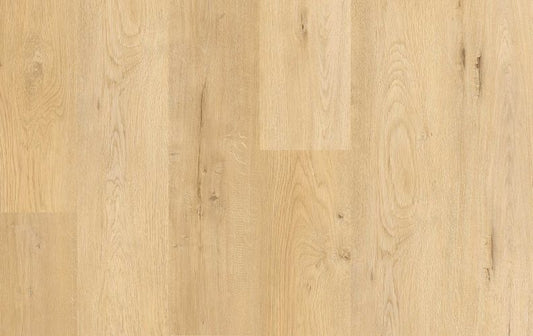
VaccuBond LVT DECKERED Heavy Commercial 22mil 3mm 9x48
Vendor:VaccuBond LVT$5.33 / sq. ft. $160.00 per carton · 30.0 sq. ft. / carton3.0mm22mil9x48 -
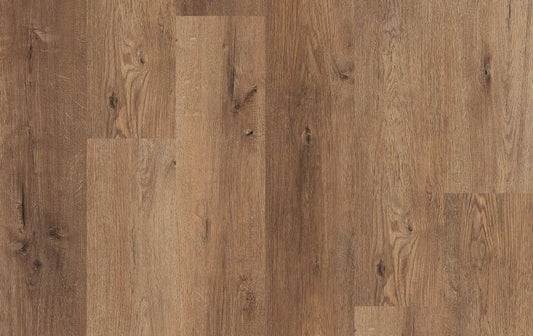
VaccuBond LVT ROBUSTO Heavy Commercial 22mil 3mm 9x48
Vendor:VaccuBond LVT$5.33 / sq. ft. $160.00 per carton · 30.0 sq. ft. / carton3.0mm22mil9x48 -
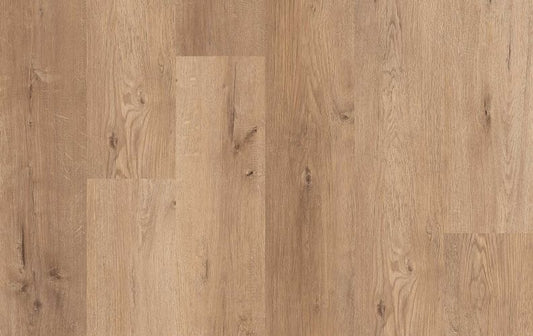
VaccuBond LVT Heavy Commercial Rustic Olive 22mil 3mm 9x48
Vendor:VaccuBond LVT$5.33 / sq. ft. $160.00 per carton · 30.0 sq. ft. / carton3.0mm22mil9x48 -
VaccuBond LVT Heavy Commercial Granite Grey 22mil 3mm 9x48
Vendor:VaccuBond LVT$5.33 / sq. ft. $160.00 per carton · 30.0 sq. ft. / carton3.0mm22mil9x48 -
VaccuBond LVT DESERT SAND Heavy Commercial 22mil 3mm 9x48
Vendor:VaccuBond LVT$5.33 / sq. ft. $160.00 per carton · 30.0 sq. ft. / carton3.0mm22mil9x48 -
VaccuBond LVT Heavy Commercial Starboard 22mil 3mm 9x48
Vendor:VaccuBond LVT$5.33 / sq. ft. $160.00 per carton · 30.0 sq. ft. / carton3.0mm22mil9x48 -
VaccuBond LVT Light Commercial Granite Grey 2.5mm 12mil 9x48
Vendor:VaccuBond LVT$3.89 / sq. ft. $140.00 per carton · 36.0 sq. ft. / carton2.5mm12mil9x48 -
VaccuBond LVT Light Commercial Rustic Olive 2.5mm 12mil 9x48
Vendor:VaccuBond LVT$3.89 / sq. ft. $140.00 per carton · 36.0 sq. ft. / carton2.5mm12mil9x48 -
VaccuBond LVT Light Commercial Starboard 2.5mm 12mil 9x48
Vendor:VaccuBond LVT$3.89 / sq. ft. $140.00 per carton · 36.0 sq. ft. / carton2.5mm12mil9x48 -
Formalay - Contour Flex | 20mil 5mm 9x60 Looselay LVP | Lions Floor
Vendor:Lions Floor$3.29 / sq. ft. $74.00 per carton · 22.5 sq. ft. / carton5.0mm20mil9x60 -
Formalay - StrataView | 20mil 5mm 9x60 Looselay LVP | Lions Floor
Vendor:Lions Floor$3.29 / sq. ft. $74.00 per carton · 22.5 sq. ft. / carton5.0mm20mil9x60 -
Formalay - Apex Form | 20mil 5mm 9x60 Looselay LVP | Lions Floor
Vendor:Lions Floor$3.29 / sq. ft. $74.00 per carton · 22.5 sq. ft. / carton5.0mm20mil9x60 -
Peckham Collection | Nunhead 20mil 2.5mm 7x48 LVP Glue Down EIR
Vendor:Monarch Floors$2.00 / sq. ft. $82.00 per carton · 41.094 sq. ft. / carton2.5mm20mil7x48 -
Forge Haze 4+1 Glue Down LVT 20mil 5mm 9x60 | Infinity Floors
Vendor:Infinity Floor$3.99 / sq. ft. $103.69 per carton · 25.99 sq. ft. / carton5.0mm20mil9x60 -
VaccuBond LVT BALTIMORE Heavy Commercial 22mil 3mm 9x48
Vendor:VaccuBond LVT$5.33 / sq. ft. $160.00 per carton · 30.0 sq. ft. / carton3.0mm22mil9x48 -
VaccuBond LVT ERIS Heavy Commercial 22mil 3mm 9x48
Vendor:VaccuBond LVT$5.33 / sq. ft. $160.00 per carton · 30.0 sq. ft. / carton3.0mm22mil9x48




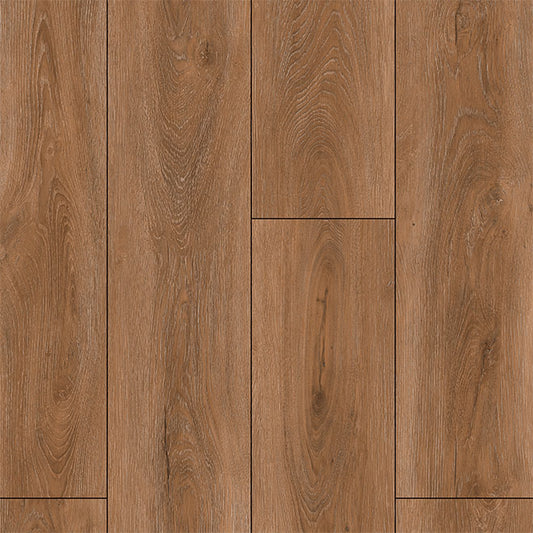


Glue-Down LVT for Schools
Glue-down luxury vinyl tile may provide durable, attractive commercial flooring for selected schools, classrooms, libraries, administrative offices, and educational interiors.
Schools place significant demands on flooring through daily foot traffic, desks, chairs, rolling carts, tracked-in grit, spills, and frequent cleaning. Every product should be reviewed against the project specifications and intended area.
Where School LVT May Be Used
Subject to manufacturer and project approval, commercial glue-down LVT may be considered for:
- Classrooms
- Libraries
- Administrative offices
- Staff rooms
- Reception areas
- Interior corridors
- Counseling offices
- Meeting rooms
- Computer labs
- Selected common spaces
Separate evaluation may be required for cafeterias, kitchens, science laboratories, restrooms, locker rooms, entrances, stairs, and athletic facilities.
Benefits of Glue-Down LVT in Educational Buildings
Depending on the qualifying product, potential benefits may include:
- Stable bonded installation
- Commercial wear-layer options
- Low finished-floor profile
- Wood, stone, or abstract visuals
- Easy routine surface cleaning
- Individual plank or tile replacement
- Smooth transitions
- Flexible zoning and pattern design
- Compatibility with approved rolling equipment
Performance depends on the entire flooring assembly, including the substrate, adhesive, installation, maintenance, and expected traffic.
Classroom Chairs and Desks
Desks and chairs can place repeated concentrated pressure on the floor. Hard or damaged feet may scratch, gouge, or indent the surface.
Confirm:
- Furniture-glide requirements
- Static-load limits
- Indentation guidance
- Rolling-chair approval
- Protective-mat recommendations
- Adhesive coverage
- Subfloor strength
- Warranty exclusions
Inspect furniture protection regularly and replace damaged glides promptly.
School Corridors and Heavy Traffic
Corridors may experience substantially more traffic than individual classrooms. When evaluating corridor flooring, consider:
- Commercial traffic classification
- Wear-layer thickness
- Surface coating
- Finish texture
- Rolling carts
- Entrance grit
- Cleaning frequency
- Transition details
- Commercial warranty
A product appropriate for an office may not automatically be suitable for a major school corridor.
Cleaning and Maintenance
Schools may use frequent or intensive cleaning schedules. Review the manufacturer’s guidance for:
- Approved cleaning products
- Disinfectant compatibility
- Prohibited chemicals
- Cleaning-equipment restrictions
- Stain-removal procedures
- Entrance-mat requirements
- Periodic maintenance
- Surface-protection products
Improper chemicals or equipment may damage the finish and affect warranty coverage.
Subfloor Preparation and Moisture
Glue-down LVT requires a properly prepared substrate. The surface generally must be:
- Flat
- Smooth
- Clean
- Dry
- Structurally sound
- Free from contaminants
- Within specified moisture limits
Existing adhesives, cracks, ridges, or uneven patches may telegraph through the finished floor. Concrete moisture must be tested using the methods required by the flooring and adhesive manufacturers.
Design Options for Schools
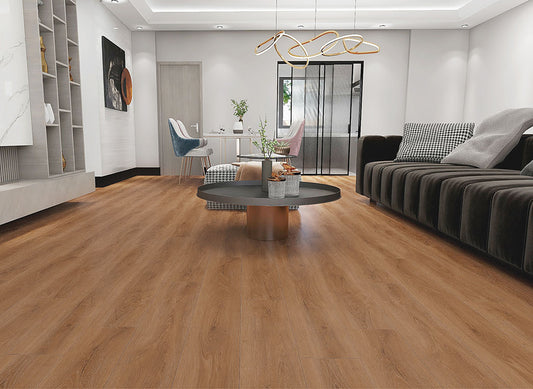
LVT can help create warm, engaging educational environments. Wood looks may suit libraries and administrative areas, while stone or abstract patterns may support modern classrooms and corridors.
Color and pattern can also help:
- Define circulation paths
- Separate learning zones
- Coordinate departments
- Support school colors
- Disguise minor traffic marks
- Create calmer classroom environments
Any patterned layout should be planned before installation to control cuts, transitions, and material quantities.
Frequently Asked Questions
Is glue-down LVT suitable for school classrooms?
It may be suitable when the product is approved for educational use and the expected traffic, furniture, and maintenance requirements.
Can school desks and chairs damage LVT?
Yes. Appropriate furniture glides and regular inspections are important for preventing scratches and concentrated damage.
Is classroom LVT waterproof?
Many products use waterproof vinyl materials, but the seams and complete room should not be assumed to be waterproof.
Can glue-down LVT be used in school corridors?
Selected heavy-commercial products may be suitable, but corridor traffic and rolling loads must be evaluated carefully.
Can damaged school LVT be replaced individually?
A qualified installer can often replace an individual glued plank or tile. Matching attic stock should be retained.
Is every commercial LVT suitable for schools?
No. Educational-use approval, traffic requirements, fire documentation, cleaning protocols, and warranty coverage must be confirmed.
Explore related options in Glue Down LVP, Commercial-Grade Vinyl Flooring, and Commercial Laminate Flooring.
Explore related flooring
Browse related flooring collections, brands and styles before making your final choice.