
Collection: Glue-Down LVT for Restaurants
Shop glue-down LVT for restaurants, including qualifying commercial flooring for dining rooms, host areas, waiting spaces, and selected hospitality interiors. Verify slip resistance, grease exposure, cleaning, fire, and commercial warranty requirements for every application.
-
VaccuBond LVT DECKERED Heavy Commercial 22mil 3mm 9x48
Vendor:VaccuBond LVT$5.33 / sq. ft. $160.00 per carton · 30.0 sq. ft. / carton3.0mm22mil9x48 -
VaccuBond LVT ROBUSTO Heavy Commercial 22mil 3mm 9x48
Vendor:VaccuBond LVT$5.33 / sq. ft. $160.00 per carton · 30.0 sq. ft. / carton3.0mm22mil9x48 -
VaccuBond LVT Heavy Commercial Rustic Olive 22mil 3mm 9x48
Vendor:VaccuBond LVT$5.33 / sq. ft. $160.00 per carton · 30.0 sq. ft. / carton3.0mm22mil9x48 -
VaccuBond LVT Heavy Commercial Granite Grey 22mil 3mm 9x48
Vendor:VaccuBond LVT$5.33 / sq. ft. $160.00 per carton · 30.0 sq. ft. / carton3.0mm22mil9x48 -
Active Spaces - Reno | 20 mil 2.5mm 7.25x48 Glue Down LVP | Aperion
Vendor:Aperion$2.28 / sq. ft. $110.00 per carton · 48.34 sq. ft. / carton2.5mm20mil7x48 -
Active Spaces - Riviera Beach | 20 mil 2.5mm 7.25x48 Glue Down LVP | Aperion
Vendor:Aperion$2.28 / sq. ft. $110.00 per carton · 48.34 sq. ft. / carton2.5mm20mil7x48 -
VaccuBond LVT DESERT SAND Heavy Commercial 22mil 3mm 9x48
Vendor:VaccuBond LVT$5.33 / sq. ft. $160.00 per carton · 30.0 sq. ft. / carton3.0mm22mil9x48 -
VaccuBond LVT Heavy Commercial Starboard 22mil 3mm 9x48
Vendor:VaccuBond LVT$5.33 / sq. ft. $160.00 per carton · 30.0 sq. ft. / carton3.0mm22mil9x48 -
VaccuBond LVT Light Commercial Granite Grey 2.5mm 12mil 9x48
Vendor:VaccuBond LVT$3.89 / sq. ft. $140.00 per carton · 36.0 sq. ft. / carton2.5mm12mil9x48 -
VaccuBond LVT Light Commercial Rustic Olive 2.5mm 12mil 9x48
Vendor:VaccuBond LVT$3.89 / sq. ft. $140.00 per carton · 36.0 sq. ft. / carton2.5mm12mil9x48 -
VaccuBond LVT Light Commercial Starboard 2.5mm 12mil 9x48
Vendor:VaccuBond LVT$3.89 / sq. ft. $140.00 per carton · 36.0 sq. ft. / carton2.5mm12mil9x48 -
Formalay - Contour Flex | 20mil 5mm 9x60 Looselay LVP | Lions Floor
Vendor:Lions Floor$3.29 / sq. ft. $74.00 per carton · 22.5 sq. ft. / carton5.0mm20mil9x60 -
Formalay - StrataView | 20mil 5mm 9x60 Looselay LVP | Lions Floor
Vendor:Lions Floor$3.29 / sq. ft. $74.00 per carton · 22.5 sq. ft. / carton5.0mm20mil9x60 -
Formalay - Apex Form | 20mil 5mm 9x60 Looselay LVP | Lions Floor
Vendor:Lions Floor$3.29 / sq. ft. $74.00 per carton · 22.5 sq. ft. / carton5.0mm20mil9x60 -
Peckham Collection | Nunhead 20mil 2.5mm 7x48 LVP Glue Down EIR
Vendor:Monarch Floors$2.00 / sq. ft. $82.00 per carton · 41.094 sq. ft. / carton2.5mm20mil7x48 -
Forge Haze 4+1 Glue Down LVT 20mil 5mm 9x60 | Infinity Floors
Vendor:Infinity Floor$3.99 / sq. ft. $103.69 per carton · 25.99 sq. ft. / carton5.0mm20mil9x60


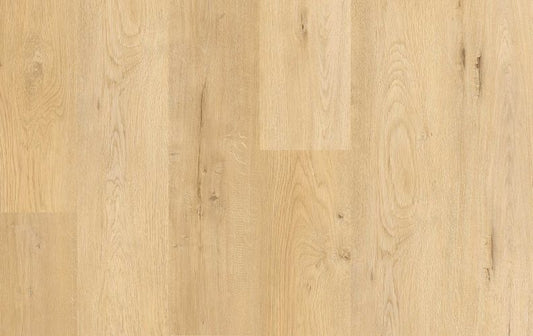

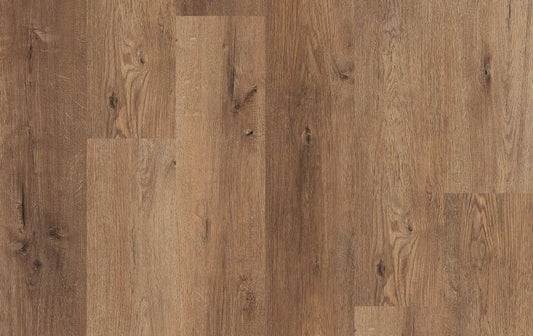

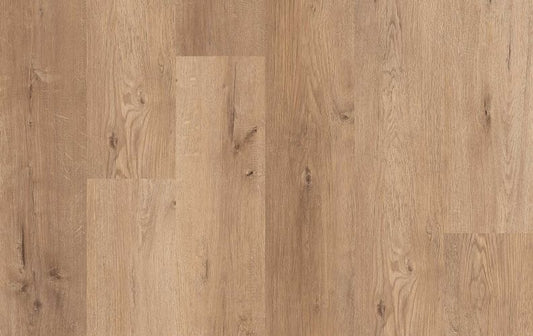
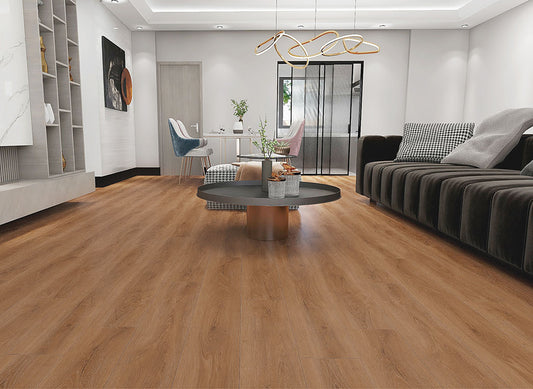
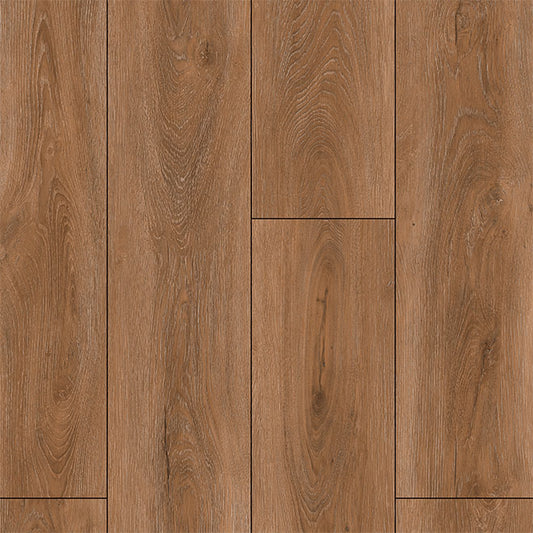

Glue-Down LVT for Restaurants
Commercial glue-down LVT may provide a stylish, low-profile surface for selected restaurant dining rooms, host areas, waiting spaces, and other approved front-of-house interiors.
Restaurant flooring faces spills, food debris, chairs, cleaning chemicals, tracked-in moisture, and concentrated traffic. Every product must therefore be checked for the precise application rather than selected from appearance or wear-layer thickness alone.
Where Restaurant LVT May Be Used
Subject to manufacturer and project approval, glue-down LVT may be considered for:
- Dining rooms
- Host stations
- Waiting areas
- Private dining rooms
- Selected bar seating areas
- Restaurant offices
- Interior corridors
- Customer service areas
- Approved takeout areas
- Low-moisture hospitality spaces
Do not assume standard LVT is suitable for commercial kitchens, dishwashing areas, walk-in coolers, food-preparation rooms, or spaces exposed to grease and standing water.
Why Consider Glue-Down LVT?
Depending on the qualifying product, commercial glue-down LVT may provide:
- Stable bonded installation
- Wood, stone, or concrete-inspired visuals
- Low finished-floor profile
- Commercial wear-layer options
- Smooth transitions
- Easy access for routine surface cleaning
- Individual plank or tile replacement
- Coordinated hospitality design
Performance depends on the flooring, adhesive, substrate, installation quality, traffic, cleaning procedures, and environmental conditions.
Slip Resistance and Spills
No floor should be assumed to be slip-proof. Restaurant operators should evaluate published slip-resistance information and applicable safety requirements for the intended location.
Important factors include:
- Surface texture
- Wet or dry conditions
- Grease exposure
- Cleaning residue
- Footwear
- Entrance matting
- Spill-response procedures
- Required safety standards
Spills should be cleaned promptly, and required warning procedures should be followed.
Dining Chairs and Furniture
Restaurant chairs and tables move repeatedly throughout the day. Protect the floor by using manufacturer-approved furniture glides and replacing worn or missing protection.
Confirm:
- Static-load limits
- Indentation guidance
- Furniture-glide requirements
- Adhesive coverage
- Subfloor strength
- Warranty exclusions
- Suitability for movable seating
Dragging tables, metal chair legs, or equipment may scratch or gouge even heavy-duty LVT.
Cleaning and Chemical Compatibility
Restaurant floors may require frequent cleaning, but strong chemicals can affect certain finishes or adhesives.
Review:
- Approved cleaning agents
- Degreaser compatibility
- Required dilution ratios
- Prohibited chemicals
- Cleaning-equipment restrictions
- Maintenance frequency
- Stain-removal procedures
- Manufacturer warranty requirements
Use only products approved for the specific flooring.
Subfloor and Adhesive Preparation
Glue-down LVT closely follows the substrate. The installation surface generally needs to be:
- Flat
- Smooth
- Clean
- Dry
- Structurally sound
- Free from grease and contaminants
- Within specified moisture limits
Select an adhesive approved for the flooring, substrate, traffic, cleaning conditions, and anticipated temperature.
Designing a Restaurant Interior
Wood-look LVT can bring warmth to casual or upscale dining rooms, while stone-look designs may support contemporary hospitality concepts.
Coordinate the floor with:
- Tables and chairs
- Bar finishes
- Wall treatments
- Lighting
- Brand identity
- Counter surfaces
- Adjoining tile or carpet
- Expected maintenance
- Natural traffic paths
Patterned or medium-tone designs may help disguise minor debris between cleaning cycles.
Frequently Asked Questions
Is glue-down LVT suitable for restaurant dining rooms?
It may be suitable when the manufacturer approves the product for the expected commercial traffic and restaurant conditions.
Can standard LVT be used in a commercial kitchen?
Do not assume so. Commercial kitchens may require specialized flooring, drainage, slip resistance, coved details, and compliance with health or building requirements.
Is restaurant LVT slip-proof?
No flooring should be described as slip-proof. Review published test data, intended conditions, and applicable safety requirements.
Can restaurant chairs scratch LVT?
Yes. Use appropriate furniture glides and replace damaged protection before metal or hard edges contact the floor.
Can degreasers be used on LVT?
Only use cleaning products approved by the flooring manufacturer. Some chemicals may damage the finish or adhesive.
Is a thick wear layer enough for restaurant use?
No. Also consider commercial approval, slip information, surface coating, adhesive, cleaning requirements, and warranty coverage.
Explore related options in Glue Down LVP, Commercial Flooring for Restaurants, Commercial-Grade Vinyl Flooring, and Commercial Flooring.
Explore related flooring
Browse related flooring collections, brands and styles before making your final choice.