
Collection: Flooring for Dental Offices
Explore flooring for dental offices with documented commercial approval, durable wear surfaces, practical maintenance, and professional design options. Compare glue-down LVT, commercial vinyl, and carpet tile for treatment, reception, corridor, and administrative spaces.
-
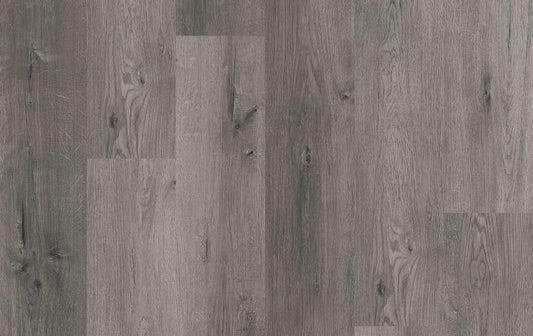
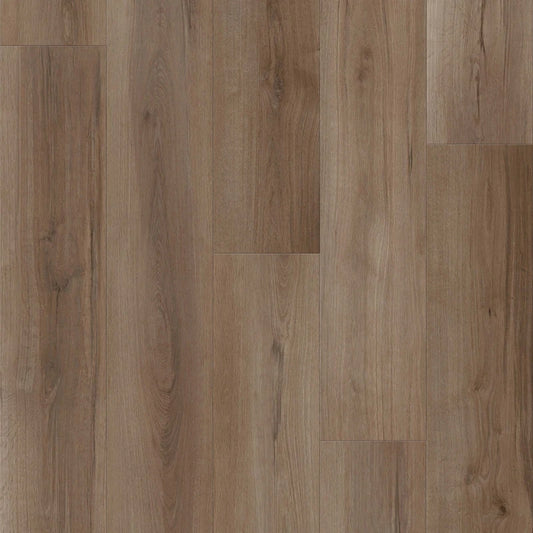
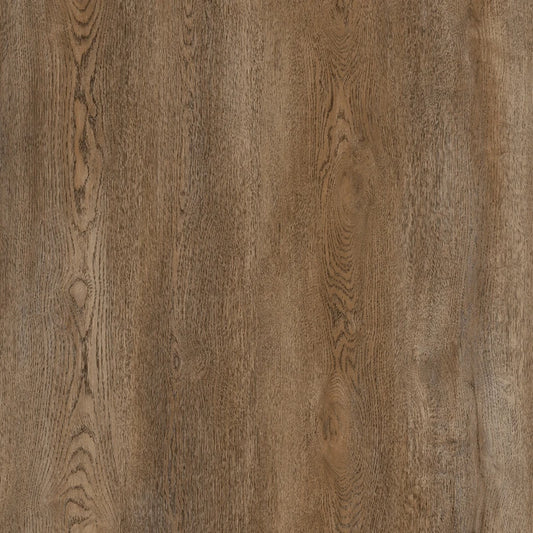
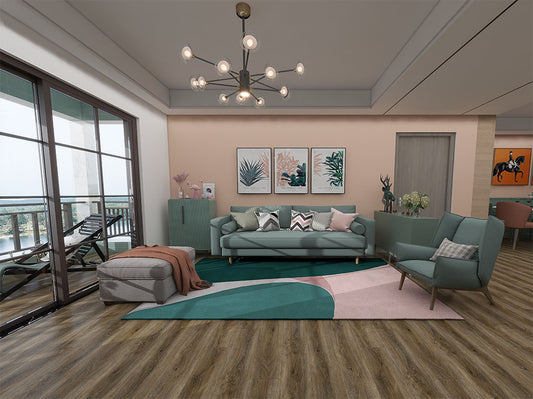
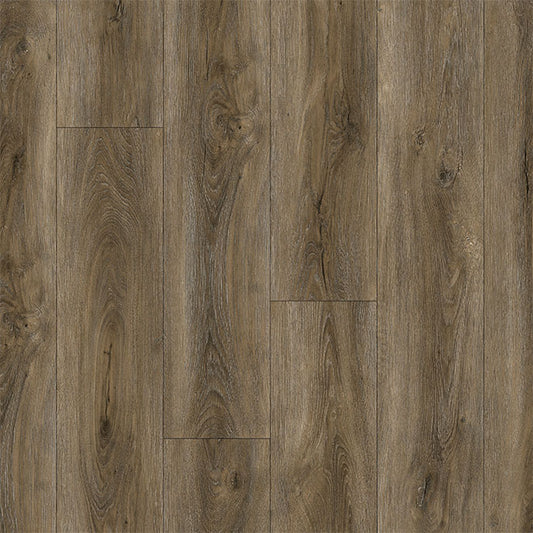
Formalay - Dimension Drift | 20mil 5mm 9x60 Looselay LVP | Lions Floor
Vendor:Lions Floor$3.29 / sq. ft. $74.00 per carton · 22.5 sq. ft. / carton5.0mm20mil9x60 -
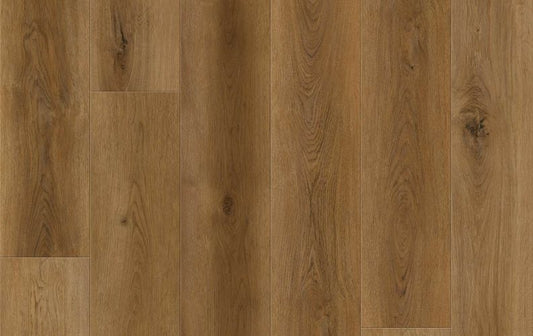
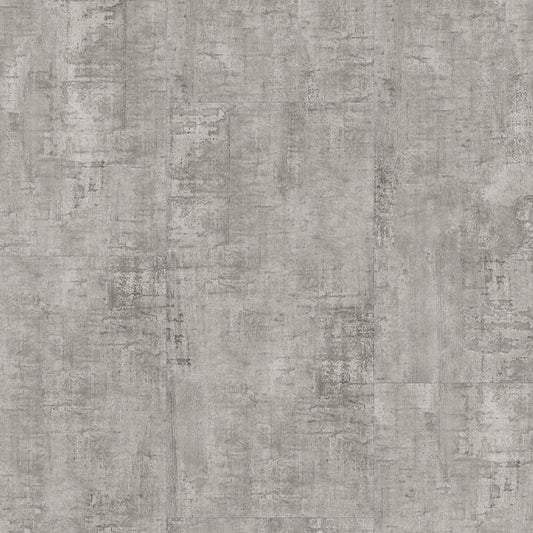
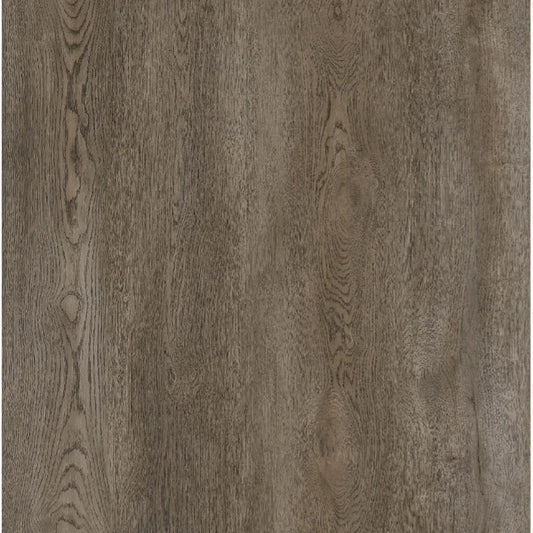
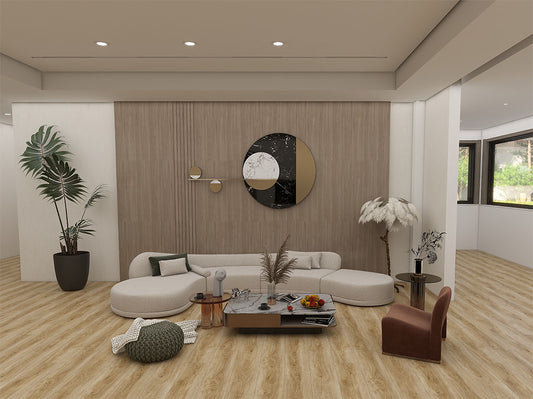
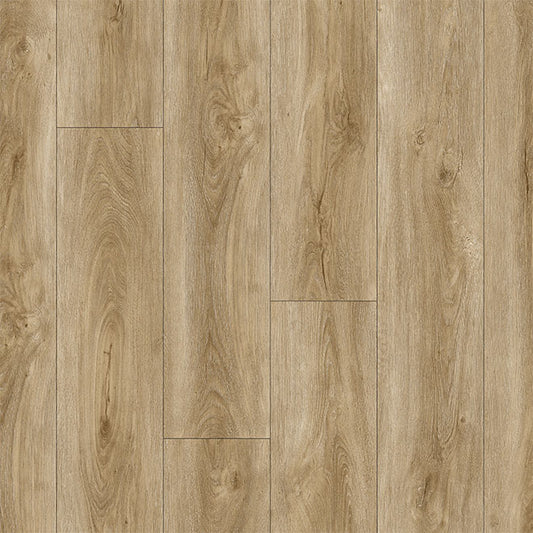
Formalay - Quantum Trace | 20mil 5mm 9x60 Looselay LVP | Lions Floor
Vendor:Lions Floor$3.29 / sq. ft. $74.00 per carton · 22.5 sq. ft. / carton5.0mm20mil9x60 -
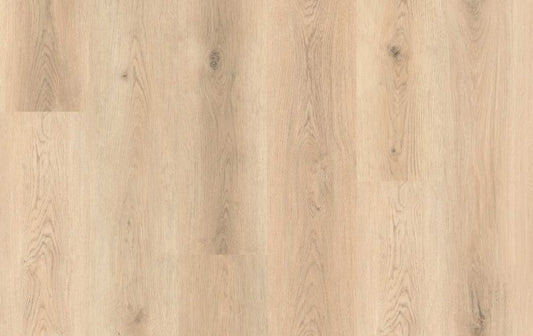
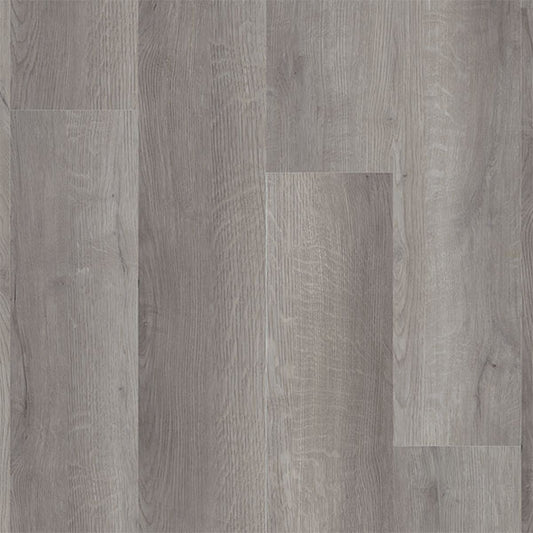
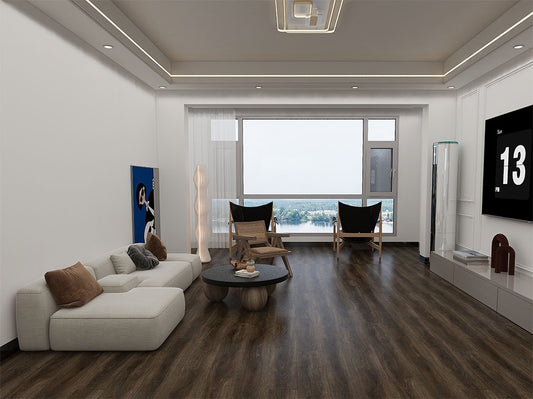
Formalay - SpanCraft | 20mil 5mm 9x60 Looselay LVP | Lions Floor
Vendor:Lions Floor$3.29 / sq. ft. $74.00 per carton · 22.5 sq. ft. / carton5.0mm20mil9x60 -
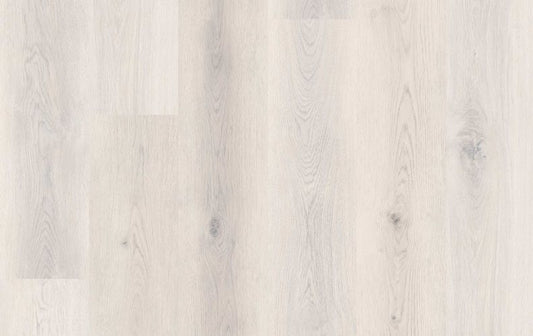
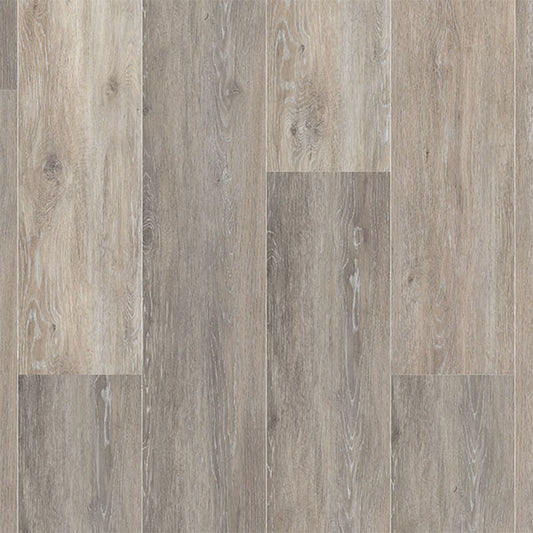
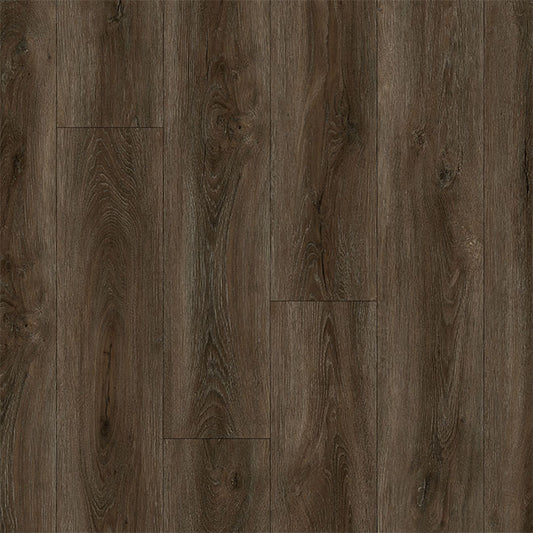
Formalay - Radius Mark | 20mil 5mm 9x60 Looselay LVP | Lions Floor
Vendor:Lions Floor$3.29 / sq. ft. $74.00 per carton · 22.5 sq. ft. / carton5.0mm20mil9x60 -
Harwick - Stone | 12mil 2mm 7x48 LVT Glue Down | Monarch Floor
Vendor:Monarch Floors$1.79 / sq. ft. $92.10 per carton · 51.34 sq. ft. / carton2.0mm12mil7x48 -
Rockwell Bennett 30mil 3mm 12x24 Tile Look LVT | Infinity Floors
Vendor:Infinity Floor$2.13 / sq. ft. $64.00 per carton · 30.03 sq. ft. / carton3.0mm30mil12x24 -
Calloway Silver 22mil 2.5mm 7x48 Glue Down LVP | Monarch Floors
Vendor:Monarch Floors$2.85 / sq. ft. $110.00 per carton · 38.64 sq. ft. / carton2.5mm22mil7x48 -
Calloway Ash 22mil 2.5mm 7x48 Glue Down LVP | Monarch Floors
Vendor:Monarch Floors$2.85 / sq. ft. $110.00 per carton · 38.64 sq. ft. / carton2.5mm22mil7x48 -
Forge Range 4+1 Glue Down LVT 20mil 5mm 9x60 | Infinity Floors
Vendor:Infinity Floor$3.99 / sq. ft. $103.69 per carton · 25.99 sq. ft. / carton5.0mm20mil9x60 -
Forge Press 4+1 Glue Down LVT 20mil 5mm 9x60 | Infinity Floors
Vendor:Infinity Floor$3.99 / sq. ft. $103.69 per carton · 25.99 sq. ft. / carton5.0mm20mil9x60 -
Peckham Collection - Choumert | 20mil 2.5mm 7x48 LVP Glue Down EIR
Vendor:Monarch Floors$2.00 / sq. ft. $82.00 per carton · 41.094 sq. ft. / carton2.5mm20mil7x48 -
Peckham Collection - Copeland | 20mil 2.5mm 7x48 LVP Glue Down EIR
Vendor:Monarch Floors$2.00 / sq. ft. $82.00 per carton · 41.094 sq. ft. / carton2.5mm20mil7x48 -
Peckham Collection - Blenheim | 20mil 2.5mm 7x48 LVP Glue Down EIR
Vendor:Monarch Floors$2.00 / sq. ft. $82.00 per carton · 41.094 sq. ft. / carton2.5mm20mil7x48 -
Peckham Collection | Rye Lane 20mil 2.5mm 7x48 LVP Glue Down EIR
Vendor:Monarch Floors$2.00 / sq. ft. $82.00 per carton · 41.094 sq. ft. / carton2.5mm20mil7x48 -
Harwick - Sand | 12mil 2mm 7x48 LVT Glue Down | Monarch Floor
Vendor:Monarch Floors$1.79 / sq. ft. $92.10 per carton · 51.34 sq. ft. / carton2.0mm12mil7x48 -
Harwick - Wheat | 12mil 2mm 7x48 LVT Glue Down | Monarch Floors
Vendor:Monarch Floors$1.79 / sq. ft. $92.10 per carton · 51.34 sq. ft. / carton2.0mm12mil7x48










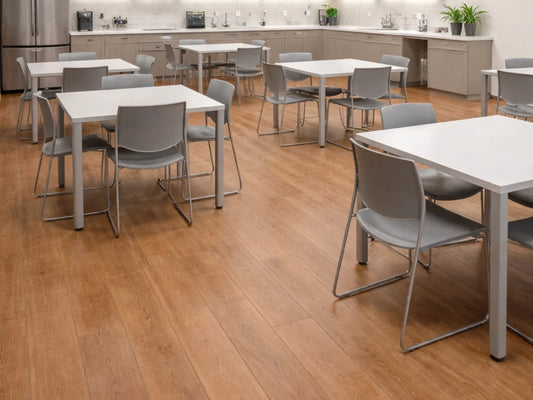
Flooring for Dental Offices
Flooring for dental offices should support a clean, professional environment while handling repeated foot traffic, rolling equipment, chairs, routine cleaning, and the different demands of clinical and administrative spaces.
A modern dental practice may need resilient flooring in treatment rooms and corridors, comfortable finishes in consultation areas, and a more welcoming design in reception. For that reason, this collection focuses on commercially approved products that can be evaluated according to their intended room, installation method, maintenance program, and warranty.
Final flooring approval should be completed by the practice owner and qualified project professionals using current technical documentation and applicable requirements.
Important Qualities for Dental Office Flooring
A well-planned dental flooring specification can provide:
- Documented commercial durability
- Straightforward maintenance
- Professional wood, stone, or textile visuals
- Stable installation
- Appropriate wear-layer protection
- Defined transition details
- Commercial warranty coverage
- Compatibility with the intended cleaning program
- Replacement planning
- Coordinated design across different office areas
The flooring should create an inviting patient experience without overlooking the technical demands of a working healthcare environment.
Glue-Down LVT for Dental Practices
Glue-down LVP is a strong starting point for many commercial interiors. The flooring is bonded directly to a properly prepared subfloor, creating a stable, low-profile installation.
Potential benefits include:
- Secure direct-bond installation
- Low finished-floor height
- Wood-look and contemporary design options
- Multiple commercial wear layers
- Defined adhesive systems
- Suitability for large connected areas where approved
- Localized plank replacement in some installations
- Easier coordination with certain transitions
Glue-down flooring depends heavily on substrate preparation. Moisture testing, pH testing, flatness correction, adhesive selection, rolling, and curing must follow the manufacturer’s instructions.
Treatment Rooms and Clinical Areas
Treatment rooms may experience rolling stools, dental chairs, equipment movement, spills, and frequent cleaning. Product selection should therefore prioritize documented commercial approval and compatibility with the room’s maintenance procedures.
Verify:
- Wear-layer specification
- Rolling-load guidance
- Adhesive requirements
- Cleaning-product compatibility
- Seam and perimeter details
- Resistance information supported by testing
- Commercial warranty limitations
- Replacement procedures
A waterproof flooring claim does not automatically establish suitability for every clinical environment or cleaning chemical.
Reception and Waiting Areas
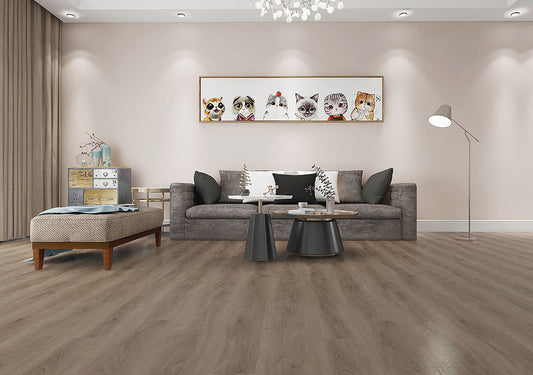
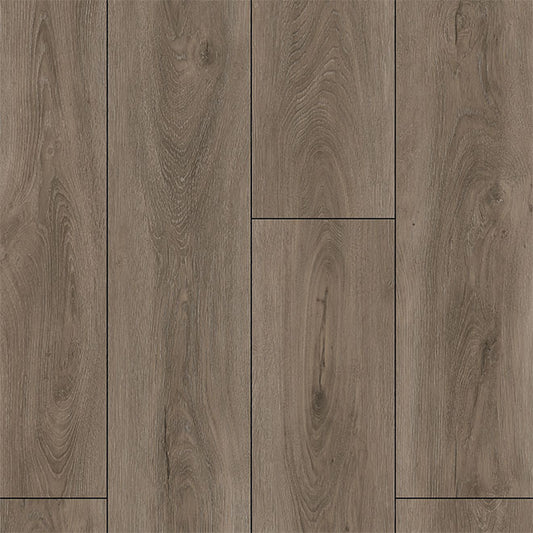
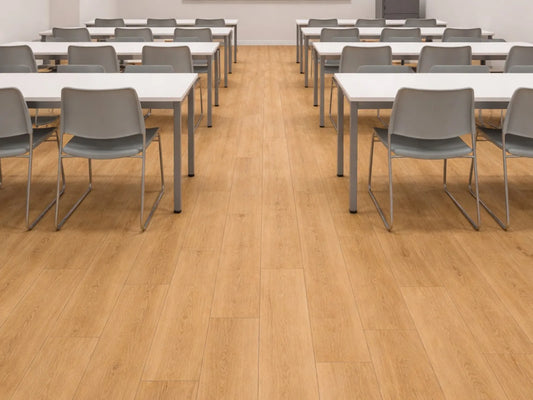
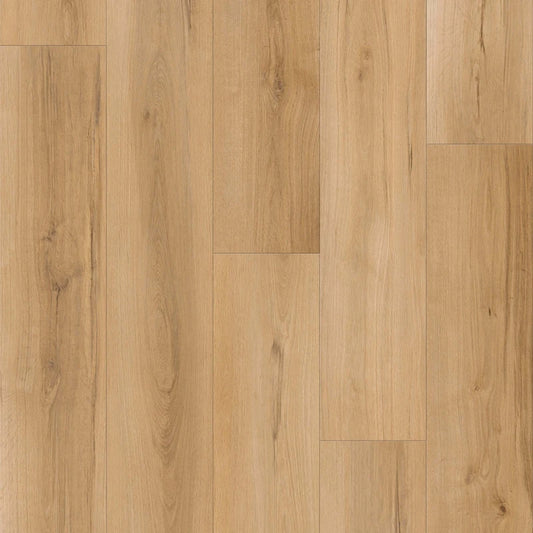
Reception flooring has a major influence on the patient’s first impression. Natural oak, warm beige, gentle greige, and medium wood tones can make the office feel more relaxed and welcoming.
Low-gloss wood visuals can create warmth without looking overly residential. Stone-inspired resilient flooring can support a crisp contemporary design. The selected color should also coordinate with reception desks, seating, signage, wall finishes, and treatment-room transitions.
Carpet Tile for Offices and Consultation Rooms
Carpet tile may be considered for suitable dry areas such as private offices, consultation rooms, and administrative spaces.
Potential advantages include:
- Modular replacement
- Softer visual appearance
- Design zoning through color and pattern
- Commercial construction options
- Compatibility with selected office environments
- Reduced disruption when individual tiles need replacement
Carpet tile should only be used where it aligns with the practice’s hygiene, cleaning, rolling-traffic, accessibility, and maintenance requirements.
Corridors and High-Traffic Routes
Corridors concentrate staff movement, patients, carts, and equipment. Stable installation and durable surface specifications are especially important in these areas.
The project team should plan:
- Continuous traffic routes
- Door clearances
- Flooring transitions
- Changes between resilient flooring and carpet
- Expansion or control joints
- Wall-base details
- Replacement access
- Maintenance equipment
Strong contrast at transitions may be useful when deliberate, but unnecessary or visually confusing changes should be avoided.
Choosing Colors for a Dental Office
Color can make a dental office feel calmer and more polished. Popular directions include:
- Light natural oak for an open appearance
- Warm beige for a welcoming atmosphere
- Greige for balanced contemporary interiors
- Medium brown for grounded professional spaces
- Muted stone colors for a clean clinical design
- Subtle carpet patterns for administrative areas
Physical samples should be reviewed under the office’s actual lighting. Dental practices often combine bright task lighting with softer reception lighting, which can change the appearance of undertones and sheen.
Project Planning and Installation
Before ordering, confirm:
- Commercial-use approval.
- Commercial warranty coverage.
- Subfloor construction and condition.
- Moisture and pH testing.
- Approved adhesive or installation system.
- Rolling-load requirements.
- Transition and doorway details.
- Cleaning-product compatibility.
- Replacement-material quantities.
- Applicable healthcare, building, and accessibility requirements.
Ordering additional material from the original production run can help support future repairs and maintain color consistency.
Frequently Asked Questions
What flooring is suitable for a dental office?
Commercially approved glue-down LVT, resilient vinyl, and carpet tile can each serve different office areas when supported by appropriate technical documentation.
Is glue-down LVT good for dental treatment rooms?
It can provide a stable, low-profile commercial installation. Suitability must be confirmed for rolling equipment, cleaning procedures, adhesives, and the exact room.
Can carpet tile be used in a dental office?
Commercial carpet tile may suit selected dry administrative or consultation spaces. It should be evaluated against the practice’s hygiene and maintenance program.
Does waterproof flooring make a dental office waterproof?
No. Waterproof flooring materials do not make the complete room waterproof. Perimeters, seams, transitions, walls, and subfloors require separate planning.
What flooring color works best in a dental office?
Light oak, beige, greige, medium wood, and muted stone colors can create a professional and welcoming atmosphere. The best choice depends on lighting and the complete interior palette.
Who should approve dental office flooring?
The practice owner, architect, flooring professional, and other applicable project specialists should review the product documentation and relevant requirements.
Explore related options in Commercial Flooring, Commercial-Grade Vinyl Flooring, and Commercial Laminate Flooring.
Explore related flooring
Browse related flooring collections, brands and styles before making your final choice.