
Collection: EIR Waterproof Flooring
Shop EIR waterproof flooring with embossed-in-register textures designed to align surface detail with the printed wood grain. Compare SPC and WPC options by plank size, wear layer, thickness, bevel, color, attached backing
-
Summer Lake Collection Ivory Fantasy 20mil 5mm 7”x48” SPC MAX | Republic Floor
Vendor:Republic Floors$3.09 / sq. ft. $74.22 per carton · 24.04 sq. ft. / carton5.0mm20mil7x48 -
Misty Tree Collection Creama Brazil – 20mil Pure MAX SPC™ Waterproof Flooring 5.5mm 9x72
Vendor:Republic Floors$3.19 / sq. ft. $86.80 per carton · 27.17 sq. ft. / carton5.5mm20mil9x72 -
Ocean Crest - Summit Drift | 20mil 8mm 9x60 WPC Vinyl Plank | Lions Floor
Vendor:Lions Floor$4.09 / sq. ft. $122.20 per carton · 29.9 sq. ft. / carton8.0mm20mil9x60 -
The Creek Collection Stormy Grey 20mil 6.5mm 9x60
Vendor:Republic Floors$4.09 / sq. ft. $93.60 per carton · 22.88 sq. ft. / carton6.5mm20mil9x60 -
The Creek Collection African Desert 20mil 6.5mm 9x60
Vendor:Republic Floors$4.09 / sq. ft. $93.60 per carton · 22.88 sq. ft. / carton6.5mm20mil9x60 -
Great Oregon - Water Oak | 20mil Pure SPC™ Waterproof Flooring | 8mm w/ 1.5mm Bioguardian™ Pad | 9x60
Vendor:Republic Floors$4.89 / sq. ft. $183.00 per carton · 37.4 sq. ft. / carton8.0mm20mil9x60Sale -
Bridge River - Magma Bordeaux | 28mil 8mm 9x72 SPC Vinyl Plank | Republic Floor
Vendor:Republic Floors$3.99 / sq. ft. $89.60 per carton · 22.45 sq. ft. / carton8.0mm28mil9x72Sale -
Canyon Coast - Alpine Ambiance | 20mil 10mm 9x72 WPC Vinyl Plank | Lions Floor
Vendor:Lions Floor$4.99 / sq. ft. $154.50 per carton · 30.99 sq. ft. / carton10.0mm20mil9x72 -
Great Oregon - Sessile Oak | 20mil Pure SPC™ Waterproof Flooring | 8mm w/ 1.5mm Bioguardian™ Pad | 9x60
Vendor:Republic Floors$4.64 / sq. ft. $173.72 per carton · 37.4 sq. ft. / carton8.0mm20mil9x60Sale -
The Meadows Collection | Desert Blend | 20mil 6mm 7x48 SPC Vinyl Plank
Vendor:Republic Floors$3.44 / sq. ft. $81.40 per carton · 23.64 sq. ft. / carton6.0mm20mil7x60 -
Bridge River - Elegant Sand | 28mil 8mm 9x72 SPC Vinyl Plank | Republic Floor
Vendor:Republic Floors$3.99 / sq. ft. $89.60 per carton · 22.45 sq. ft. / carton8.0mm28mil9x72Sale -
Ocean Crest - Morning Tide | 20mil 8mm 9x60 WPC Vinyl Plank | Lions Floor
Vendor:Lions Floor$4.09 / sq. ft. $122.40 per carton · 29.9 sq. ft. / carton8.0mm20mil9x60 -
Pacific Oak Collection | California Buckeye 20mil 6mm 7x48 PURE SPC™️
Vendor:Republic Floors$3.69 / sq. ft. $87.50 per carton · 23.73 sq. ft. / carton6.0mm20mil7x48 -
Summer Lake Collection Light Dune 20mil 5mm 7”x48” SPC MAX | Republic Floor
Vendor:Republic Floors$3.14 / sq. ft. $75.50 per carton · 24.04 sq. ft. / carton5.0mm20mil7x48 -
South Rose Collection – Paradiso Bash | 28mil 14mm Extra Long SPC Flooring (9” x 72”)
Vendor:Republic Floors$6.99 / sq. ft. $94.10 per carton · 13.47 sq. ft. / carton14.0mm28mil9x72 -
Misty Tree Collection Namib Mist – 20mil Pure MAX SPC™ Waterproof Flooring 5.5mm 9x72
Vendor:Republic Floors$3.19 / sq. ft. $86.80 per carton · 27.17 sq. ft. / carton5.5mm20mil9x72
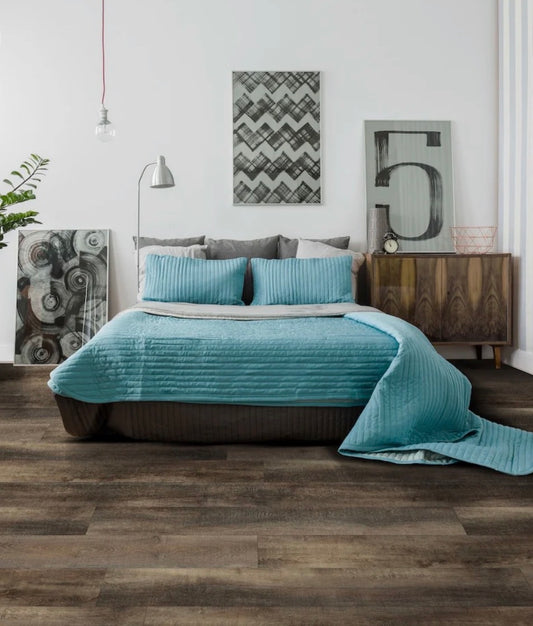
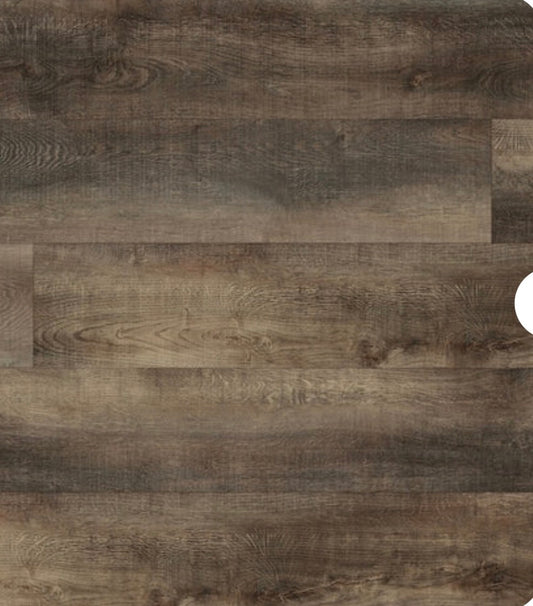
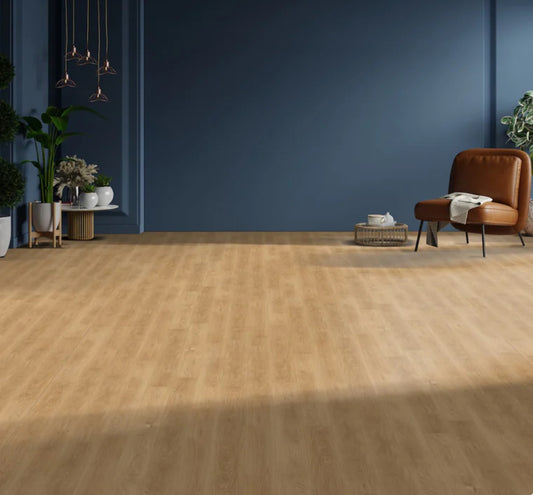
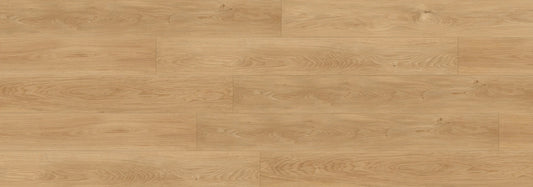







EIR Waterproof Flooring
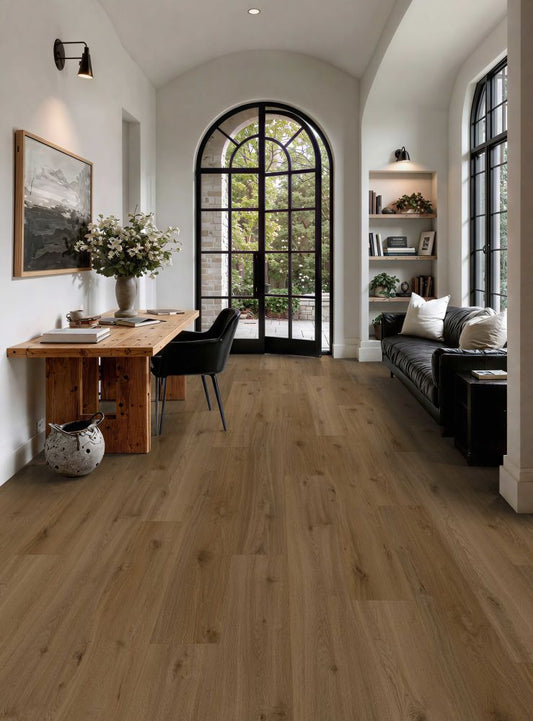
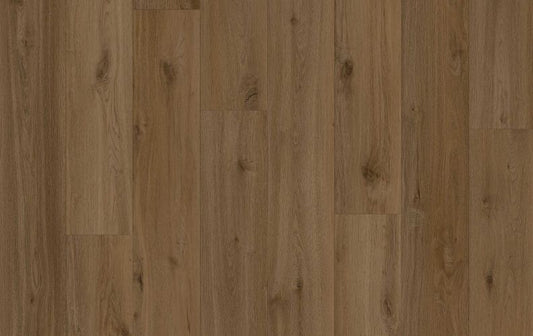
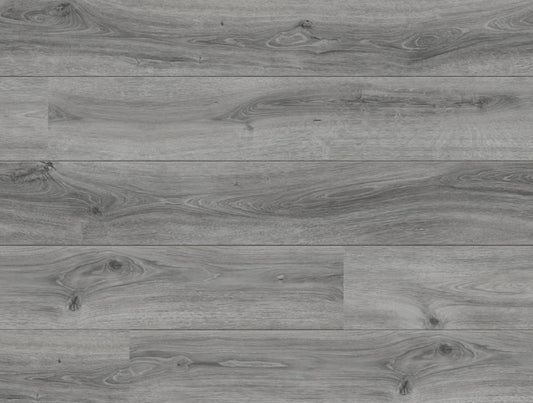
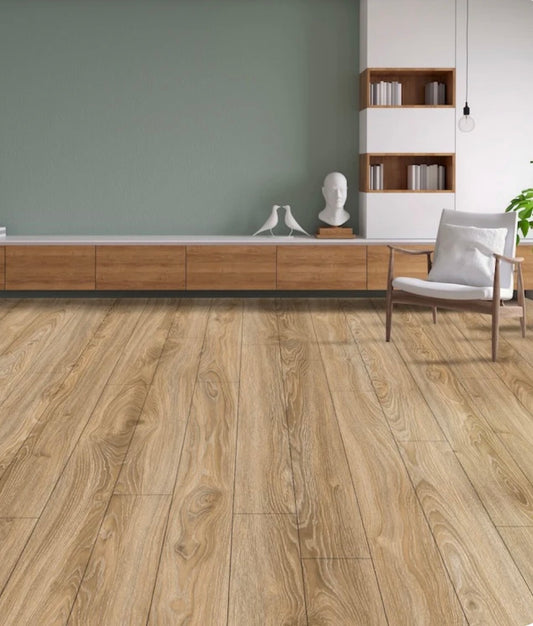
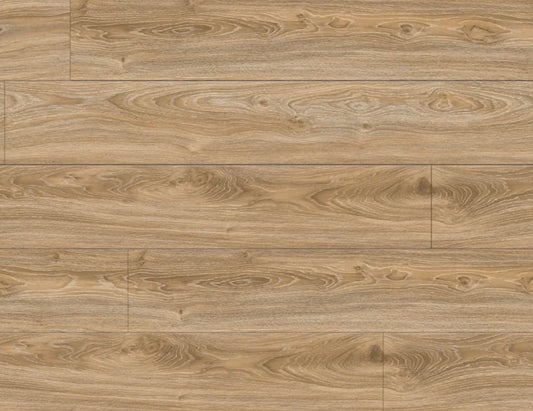
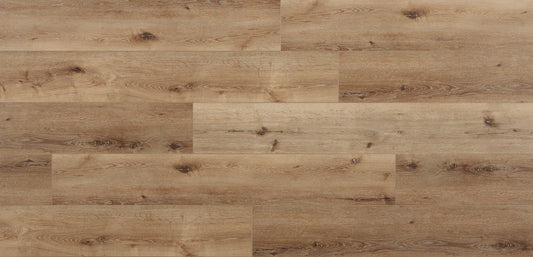
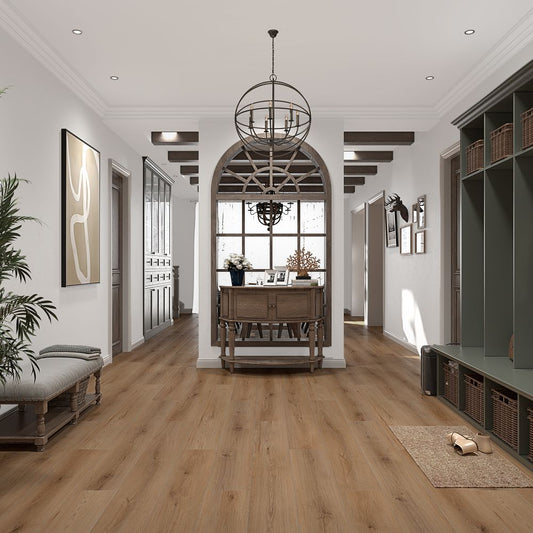
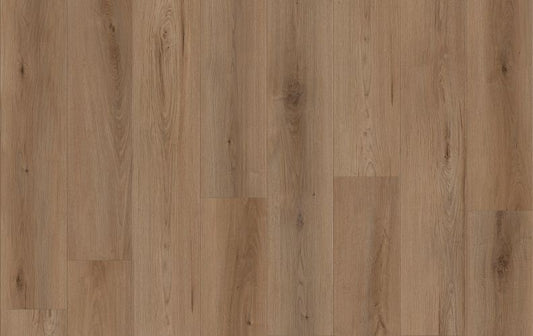
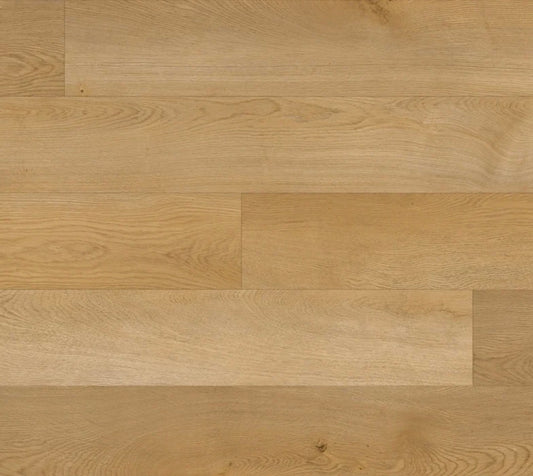
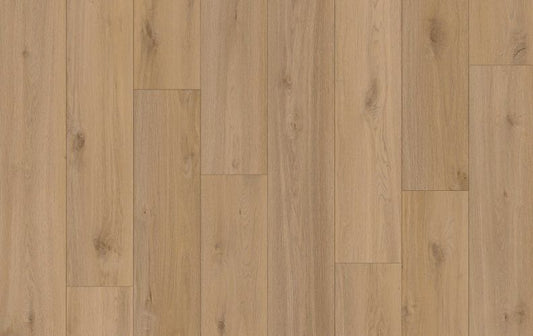
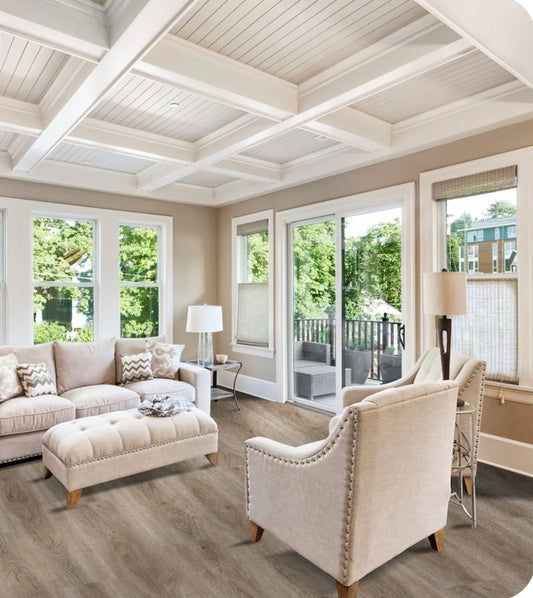
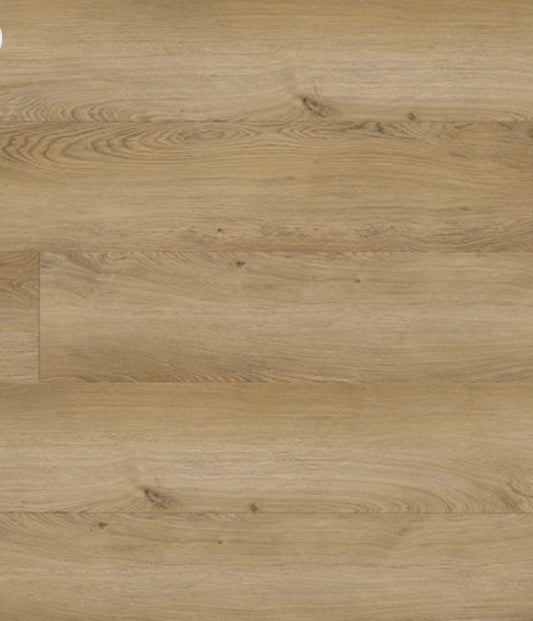
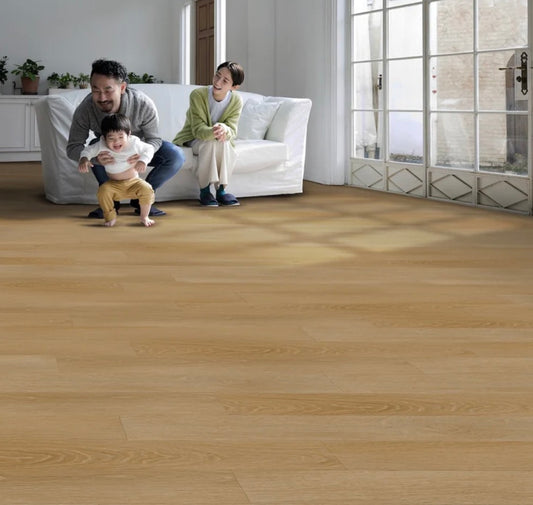
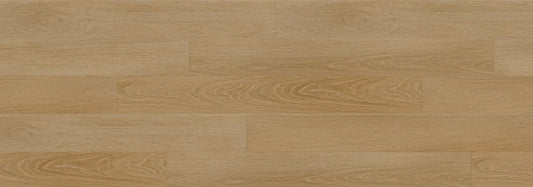
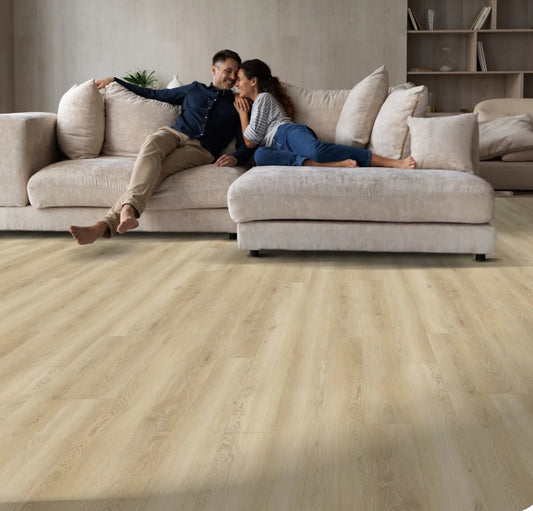
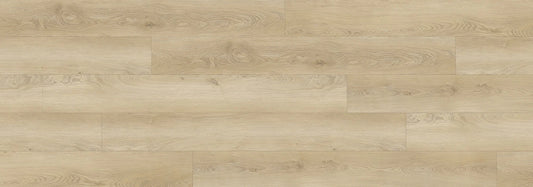
EIR waterproof flooring combines practical waterproof plank construction with surface texture designed to follow the printed wood visual. EIR stands for embossed in register, meaning the embossing is intentionally positioned to coordinate with visible grain lines, knots, and other printed wood characteristics.
This alignment can create a more convincing wood appearance than a general texture repeated independently of the printed design. The effect is especially noticeable when light moves across the planks or when the surface is viewed at an angle.
This collection can include qualifying SPC and WPC flooring with documented EIR texture. It excludes products described only as embossed, hand-scraped, textured, or wood grain unless the manufacturer specifically confirms embossed-in-register construction.
Why Choose EIR Waterproof Flooring?
EIR addresses one of the biggest challenges in wood-look flooring: creating a surface that looks and feels connected. When the texture corresponds with the visual underneath it, knots can appear recessed, grain lines can feel more defined, and each plank can develop greater visual depth.
Important benefits can include:
- Grain-aligned surface texture
- Realistic wood-look detail
- Waterproof flooring construction
- SPC and WPC core options
- Wide and long plank formats
- Matte or low-gloss finishes
- Attached backing where specified
- Durable wear-layer choices
- Click-lock installation
- Residential and commercial warranties where applicable
EIR does not determine every aspect of quality. Buyers should also compare the core, finish, plank dimensions, pattern repeat, bevel, wear layer, locking system, backing, and warranty.
EIR SPC Flooring
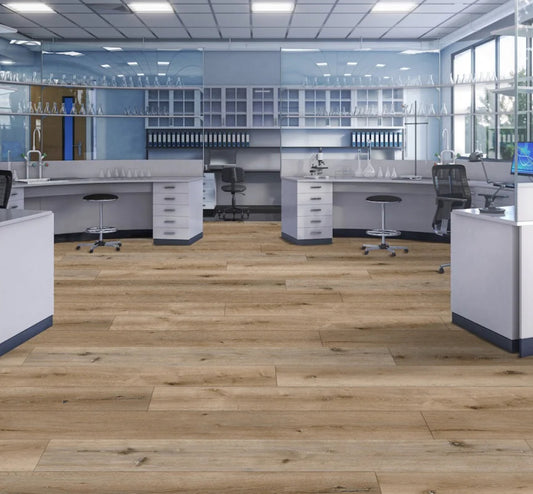
SPC vinyl plank flooring uses a rigid composite core that provides dimensional stability and a firm plank profile. Adding EIR texture can strengthen the wood appearance without changing the practical advantages of waterproof SPC construction.
EIR SPC may be suitable for:
- Kitchens
- Dining rooms
- Living areas
- Hallways
- Basements
- Entryways
- Busy residential spaces
- Commercial areas where approved
Shoppers interested in a premium brand-specific selection can also explore Republic Floor EIR SPC flooring.
EIR WPC Flooring
WPC flooring uses a composite core that may feel warmer, quieter, or more comfortable underfoot than a denser rigid-core product. When paired with EIR surface technology, WPC can provide both a detailed wood visual and a comfortable residential flooring experience.
Explore EIR WPC flooring to compare qualifying thicknesses, plank sizes, wear layers, colors, and attached backing.
EIR Versus Standard Embossing
Standard embossed flooring can still offer an attractive textured surface. The primary difference is alignment.
With standard embossing, the texture may repeat across the plank without following the precise printed grain. With EIR, the surface design is registered to the printed image so the texture and visual correspond more closely.
This distinction can affect:
- Perceived wood realism
- Grain definition
- Knot appearance
- Light movement across the plank
- Surface depth
- Overall premium character
The difference is best evaluated using a physical sample in natural and artificial light.
Plank Size and Wood Realism
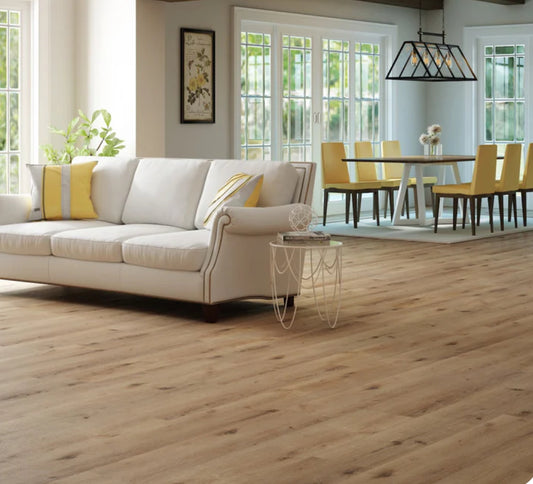
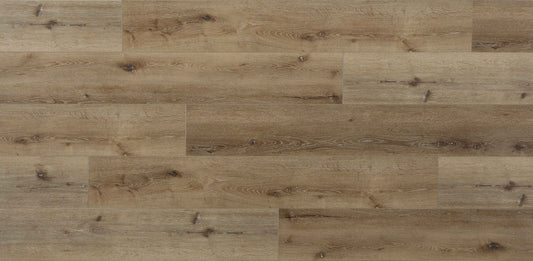
Wide and long planks provide more space for the grain pattern and EIR texture to be appreciated. Larger formats can also reduce the number of seams across the room, creating a more continuous wood-floor appearance.
When reviewing plank design, compare:
- Plank width
- Plank length
- Pattern repeat
- Number of unique plank visuals
- Bevel treatment
- Color variation
- Knot frequency
- Grain intensity
A highly detailed EIR surface can still look repetitive if the printed design has very few unique visuals. The entire pattern system matters.
Bevels, Color, and Finish
Beveled edges help distinguish individual planks. Painted bevels and color-coordinated edges can add definition, especially on wide-plank floors.
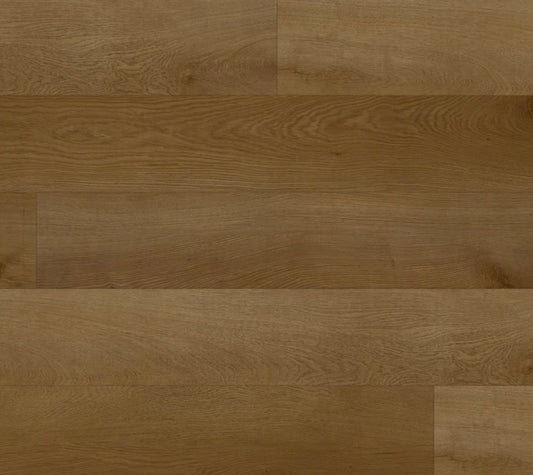
Natural oak, blonde, beige, greige, medium brown, and smoked wood visuals can all benefit from EIR texture. Low-gloss and matte finishes tend to support a realistic appearance because they allow surface detail to remain visible without excessive glare.
Selecting the Right EIR Waterproof Floor
Compare the following before ordering:
- Verified EIR surface construction.
- SPC or WPC core type.
- Waterproof classification.
- Wear-layer thickness.
- Total plank thickness.
- Plank width and length.
- Bevel style.
- Attached backing.
- Installation system.
- Residential or commercial warranty.
The best choice combines realistic design with specifications appropriate for the room and expected traffic.
Frequently Asked Questions
What does EIR mean in flooring?
EIR means embossed in register. The surface texture is designed to align with features in the printed wood visual.
Is all textured waterproof flooring EIR?
No. Standard embossing and general wood-grain textures are not automatically EIR. The manufacturer must specifically document embossed-in-register construction.
Is EIR flooring waterproof?
EIR describes the surface texture, not the moisture classification. Products in this collection must separately have verified waterproof construction.
Does EIR make flooring more durable?
EIR primarily improves surface realism. Durability depends on the wear layer, finish, core, installation, maintenance, and warranty.
Is EIR available in both SPC and WPC?
Yes. Qualifying embossed-in-register flooring can use either SPC or WPC construction.
Should I order an EIR flooring sample?
Yes. A physical sample makes it easier to assess texture alignment, sheen, color, bevels, and overall wood realism.
Continue shopping in EIR SPC Flooring.
Explore related flooring
Browse related flooring collections, brands and styles before making your final choice.