
Collection: EIR Glue-Down LVP
Shop EIR glue-down LVP with embossed-in-register textures aligned to the printed wood visuals. Compare 20 mil 2.5mm 7x48 planks, colors, bevels, adhesive requirements, residential applications, commercial approvals, and warranties.
-
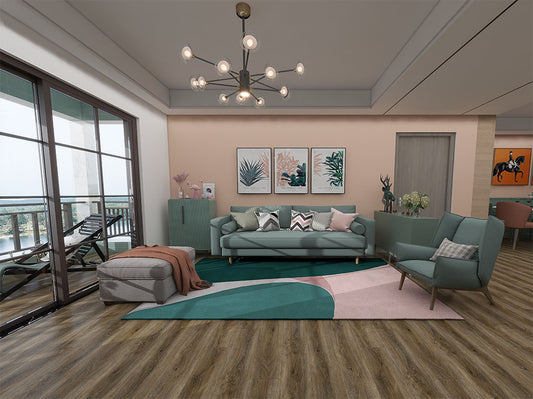
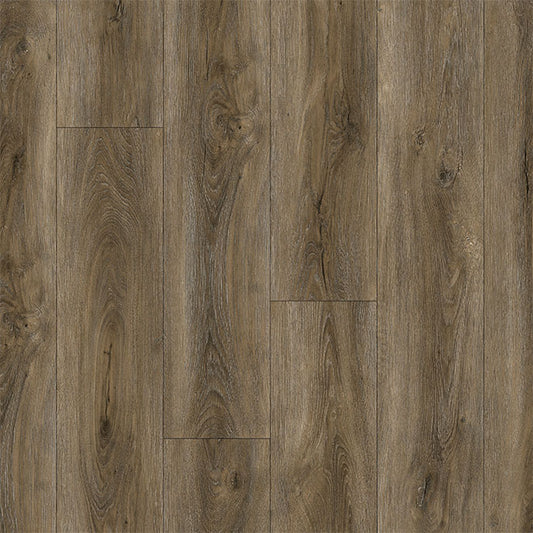
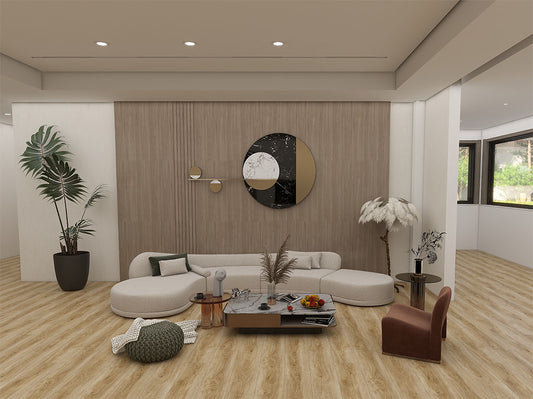
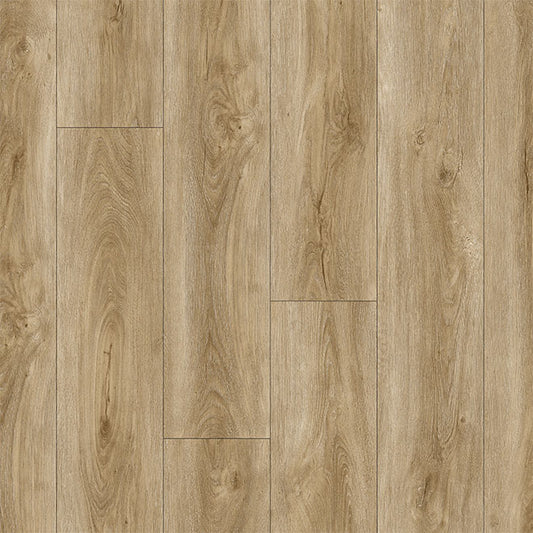
Peckham Collection | Nunhead 20mil 2.5mm 7x48 LVP Glue Down EIR
Vendor:Monarch FloorsRegular price From $0.00 USDRegular priceUnit price $2.00/ft² -
Peckham Collection - Choumert | 20mil 2.5mm 7x48 LVP Glue Down EIR
Vendor:Monarch FloorsRegular price From $0.00 USDRegular priceUnit price $2.00/ft² -
Peckham Collection - Copeland | 20mil 2.5mm 7x48 LVP Glue Down EIR
Vendor:Monarch FloorsRegular price From $0.00 USDRegular priceUnit price $2.00/ft² -
Peckham Collection - Blenheim | 20mil 2.5mm 7x48 LVP Glue Down EIR
Vendor:Monarch FloorsRegular price From $0.00 USDRegular priceUnit price $2.00/ft² -
Peckham Collection | Rye Lane 20mil 2.5mm 7x48 LVP Glue Down EIR
Vendor:Monarch FloorsRegular price From $0.00 USDRegular priceUnit price $2.00/ft²
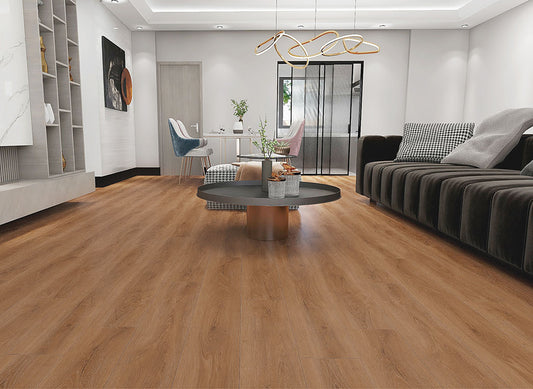
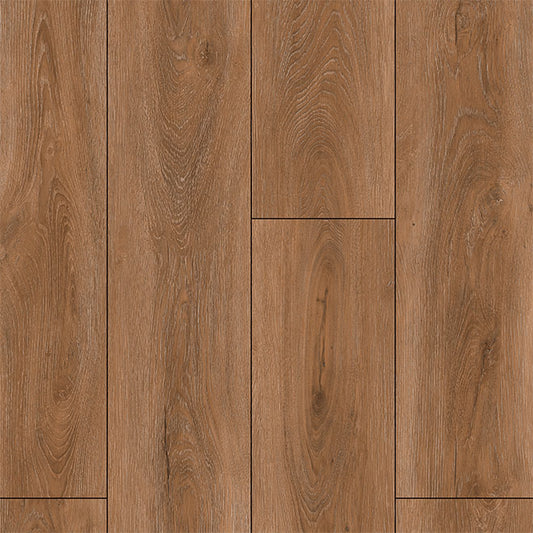
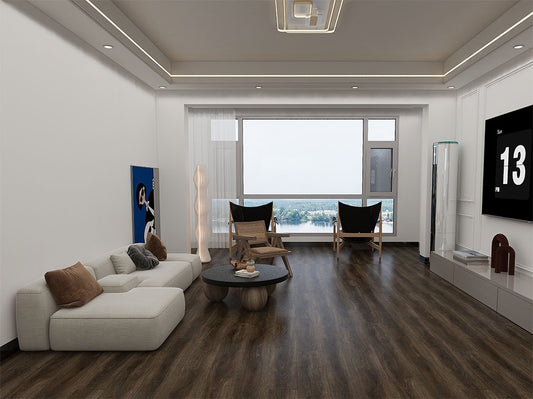
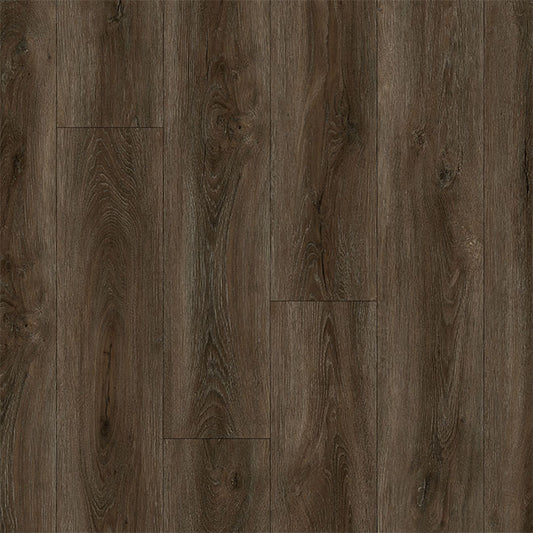
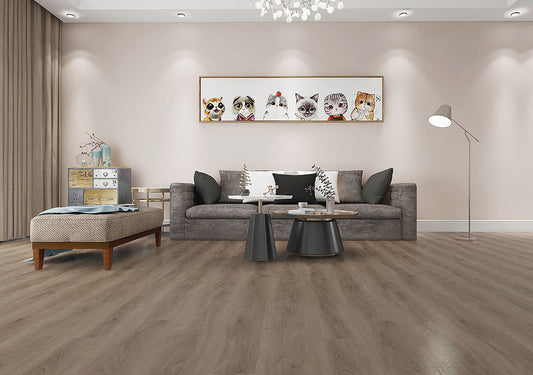
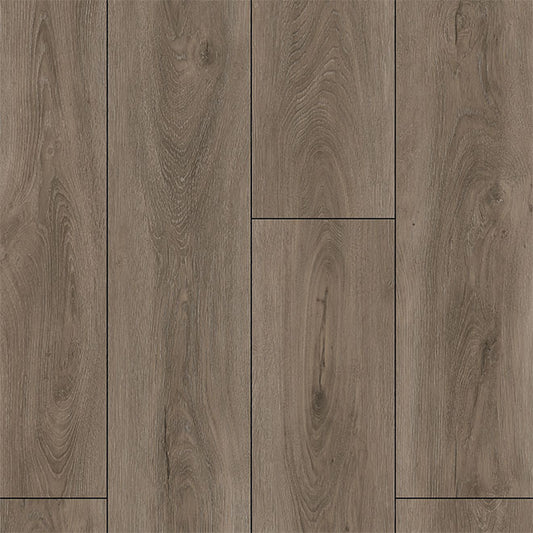
Embossed-in-Register Glue-Down LVP
Embossed-in-register glue-down LVP is designed for projects that require the low-profile stability of bonded vinyl flooring without settling for a flat or generically textured wood visual.
The EIR manufacturing process aligns the physical surface texture with details in the printed design. Grain lines, knots, cracks, and other wood characteristics can therefore have corresponding texture rather than sitting beneath an unrelated embossing pattern.
This creates a more convincing wood-look surface while retaining the maintenance and installation characteristics of glue-down luxury vinyl plank.
Only products with manufacturer-confirmed embossed-in-register texture should qualify for this collection.
What Makes EIR Different?
Luxury vinyl receives its appearance from a decorative print layer protected by a transparent wear surface. Texture can then be added to make the floor feel and look less flat.
There are two important types of embossing:
General Embossing
A general embossed surface has a physical texture, but the texture is not necessarily aligned with the printed wood pattern.
It may still provide:
- Reduced surface flatness
- Basic grain-like texture
- Lower visual gloss
- Added grip
- A more finished appearance than completely smooth vinyl
Embossed-in-Register Texture
EIR flooring coordinates the embossing with the printed design.
This can create:
- Grain texture that follows visible grain lines
- Recessed or raised details around printed knots
- More realistic interaction with side lighting
- Greater visual depth
- More distinct plank character
- A closer resemblance to textured hardwood
Terms such as embossed, wood grain, textured, hand-scraped look, or realistic surface do not automatically confirm EIR.
EIR Is an Appearance Specification
Embossed-in-register describes the alignment of the texture and image. It does not establish the flooring’s performance level.
EIR does not automatically mean that a product is:
- More scratch-resistant
- Commercially approved
- Waterproof as a complete installation
- Thicker
- Easier to maintain
- Equipped with a stronger wear layer
- Suitable for rolling loads
- Approved for every room
- Covered by a longer warranty
Performance should be evaluated separately through the wear layer, total thickness, protective finish, product testing, installation system, warranty, and approved application.
Why Choose EIR in a Glue-Down Floor?
Glue-down LVP is frequently associated with commercial practicality and low-profile construction. EIR provides an opportunity to add greater surface realism without abandoning that installation format.
The combination may be useful for:
- Residential projects requiring low floor height
- Apartments and multifamily units
- Retail interiors
- Offices and professional spaces
- Hospitality environments
- Property-management renovations
- Tenant-improvement projects
- Large open areas requiring a bonded floor
- Interiors where realistic wood appearance is important
Commercial approval must be confirmed for the exact floor. EIR texture by itself does not establish commercial suitability.
How EIR Changes the Appearance
A textured surface changes how light moves across the plank.
When viewed under side lighting, aligned grain details can create highlights and shadows that make the printed design appear deeper. Knots and grain movement may become more visible when walking through the room or viewing the flooring from different directions.
The effect can vary according to:
- Color
- Print quality
- Texture depth
- Grain pattern
- Gloss level
- Edge profile
- Room lighting
- Plank direction
- Viewing angle
- Number of unique plank visuals
A subtle EIR surface may provide restrained realism, while deeper texture can create a more rustic or character-rich appearance.
Choosing the Right EIR Style
Clean and Contemporary Interiors
Look for restrained grain movement, lower variation, subtle knots, and a matte or low-gloss surface.
These characteristics can support:
- Minimalist interiors
- Contemporary kitchens
- Modern offices
- Scandinavian-inspired rooms
- Clean transitional designs
Natural and Transitional Interiors
Balanced grain, moderate variation, and recognizable oak-style movement can work across traditional and modern elements.
This is often the most flexible design direction for whole-home installations, apartments, offices, and rental properties.
Rustic or Character-Rich Interiors
Pronounced knots, saw-cut visuals, stronger variation, and deeper texture can create a more aged or reclaimed appearance.
These designs should be assessed across several planks because a small sample may not show the full variation.
Evaluate the Sample Properly
EIR is difficult to assess from a screen because photography cannot fully reproduce physical depth.
When reviewing a sample:
- Place it flat on the floor rather than holding it vertically.
- Examine it in natural daylight.
- Review it under the room’s artificial lighting.
- View it from standing height.
- Look across the surface from a low angle.
- Run your hand across the grain.
- Compare the texture with the printed pattern.
- Place it beside cabinets and countertops.
- Check the undertone against wall colors and furniture.
- Move the sample to different areas of the room during the day.
The purpose is not only to decide whether the color is attractive. It is also to determine whether the texture, gloss, grain scale, and variation suit the interior.
EIR and Pattern Repetition
EIR improves the relationship between texture and print, but vinyl flooring still uses manufactured decorative visuals. Identical or similar plank designs can therefore repeat across the installation.
The layout should prevent repeated knots or distinctive grain patterns from being placed directly beside one another.
Installers should:
- Open multiple cartons
- Identify distinctive plank visuals
- Rotate planks where permitted
- Distribute repeated patterns
- Avoid obvious clusters
- Review several rows before adhesive application
- Maintain the required end-joint stagger
A thoughtful layout can have as much effect on realism as the surface texture itself.
EIR Versus Smooth Glue-Down LVP
Choose EIR When:
- Realistic wood texture is a major priority
- The room receives strong natural or side lighting
- Grain and knot definition are desired
- The flooring will cover a large visible area
- A more tactile surface is preferred
- The design should resemble textured hardwood
Choose a Smoother Surface When:
- A cleaner, quieter visual is preferred
- Minimal surface texture suits the interior
- The project prioritizes straightforward daily cleaning
- Strong grain definition would compete with other finishes
- A more uniform commercial appearance is desired
Neither texture is universally better. The appropriate choice depends on appearance, maintenance expectations, lighting, and intended use.
EIR Glue-Down LVP Versus EIR Laminate
Both constructions may use embossed-in-register texture, but they are not interchangeable.
EIR Glue-Down LVP
- Uses luxury vinyl construction
- Is adhered directly to the substrate
- Normally has a low overall profile
- Does not typically include an attached pad
- May be approved for residential or commercial installation
- Uses wear-layer specifications measured in mils
EIR Laminate
- Uses a laminate construction with a fiber-based core
- Normally uses floating click-lock installation
- May include an attached pad
- Uses an abrasion classification such as AC3, AC4, or AC5
- Has different moisture limitations and installation requirements
- Produces a different feel and sound underfoot
Compare the complete construction rather than choosing solely according to the EIR label.
EIR Glue-Down LVP Versus EIR SPC
EIR Glue-Down LVP
Glue-down LVP is bonded to the prepared substrate and offers a thinner, firmly secured installation.
It may be preferred for:
- Large continuous spaces
- Low transition heights
- Multifamily projects
- Commercial interiors
- Individual-plank replacement
- Professional adhesive installation
EIR SPC
SPC normally uses a rigid core, click-lock joints, and floating installation. It may include an attached acoustic pad.
It may be preferred when:
- Floating installation is required
- Greater overall thickness is desired
- Attached backing is useful
- Rigid-core construction suits the project
- Adhesive installation is not preferred
EIR can improve the appearance of either construction, but it does not make their installation requirements identical.
Surface Texture and Cleaning
EIR flooring remains relatively easy to maintain, but a textured surface can hold fine dust differently from a smooth floor.
Maintenance should include:
- Regular removal of loose grit
- Vacuuming with an approved hard-floor attachment
- Prompt cleanup of spills
- Damp cleaning with an approved product
- Avoiding abrasive scrub pads
- Avoiding unapproved waxes or polishes
- Using entrance mats
- Protecting the floor from furniture movement
A heavily textured design may require more attention than a lightly embossed surface, particularly in commercial areas where dirt is tracked in from outside.
EIR Does Not Make Flooring Scratch-Proof
The texture may help make minor everyday marks less visually obvious, but it does not prevent scratching.
Scratch performance depends on:
- Protective coating
- Wear-layer thickness
- Tracked-in grit
- Furniture movement
- Pet activity
- Maintenance practices
- Traffic level
- Use of entrance mats
- Chair and furniture protection
- Manufacturer-approved cleaning
Protective pads, walk-off mats, routine cleaning, and correct maintenance remain necessary.
Subfloor Preparation for EIR Glue-Down LVP
The texture is located on top of the flooring and cannot conceal major problems beneath it.
The substrate must be:
- Structurally stable
- Smooth
- Clean
- Dry
- Properly patched
- Within flatness tolerances
- Within moisture and pH limits
- Compatible with the selected adhesive
Cracks, adhesive ridges, joints, debris, and uneven patching can telegraph through low-profile vinyl even when its upper surface has pronounced EIR texture.
Selecting the Adhesive
Use an adhesive approved for the exact flooring and substrate.
Verify:
- Substrate type
- Surface porosity
- Required trowel notch
- Open time
- Working time
- Moisture limits
- Concrete pH limits
- Temperature requirements
- Rolling procedure
- Commercial traffic approval
- Rolling-load approval
- Warranty compatibility
The correct adhesive installation is essential to the floor’s performance. EIR affects the surface design, not the bond beneath the plank.
Ordering the Correct Quantity
Include enough material for:
- Perimeter cuts
- Pattern distribution
- Visual selection
- Irregular room shapes
- Doorways and closets
- Required waste
- Future individual-plank replacement
Extra material is particularly useful with distinctive EIR visuals because a replacement from a different production run may vary in color, gloss, grain, or texture.
Frequently Asked Questions
What does EIR mean?
EIR means embossed in register. The physical surface texture is aligned with corresponding grain, knots, and details in the printed wood design.
Is every wood-grain vinyl floor EIR?
No. Standard embossing can create wood-like texture without aligning it with the printed pattern. Manufacturer confirmation is required.
Does EIR make vinyl flooring more durable?
Not automatically. EIR describes the surface design. Durability depends on the wear layer, finish, construction, installation, maintenance, and warranty.
Is EIR the same as handscraped texture?
No. Handscraped describes a type of visual or surface character. EIR describes whether the texture aligns with the printed image.
Does EIR glue-down LVP have an attached pad?
Traditional dryback glue-down LVP normally does not include an attached pad because it is bonded directly to the prepared substrate.
Is EIR glue-down LVP suitable for commercial interiors?
Selected floors may carry commercial approval and warranties. Verify the exact application, traffic classification, adhesive system, and warranty before ordering.
Is EIR flooring harder to clean?
Not necessarily, but deeper surface texture may retain more fine dust than a completely smooth floor. Regular dry cleaning and approved damp maintenance are important.
Can EIR hide scratches?
Texture may make some minor marks less visually noticeable, but it does not make the flooring scratch-proof.
Does EIR prevent subfloor imperfections from showing?
No. Subfloor imperfections can telegraph through low-profile glue-down vinyl. Proper preparation remains essential.
Should I order a sample first?
Yes. EIR is a physical characteristic that cannot be judged accurately from online images alone. Review the sample under the actual lighting in the intended room.
Explore related flooring
Browse related flooring collections, brands and styles before making your final choice.