
Collection: Commercial Flooring for Tenant Improvements
Explore commercial flooring for tenant improvements with documented commercial approval, durable surfaces, practical installation systems, and professional design options. Compare glue-down LVT, commercial vinyl, and carpet tile for office, retail, hospitality, and mixed-use renovations.
-
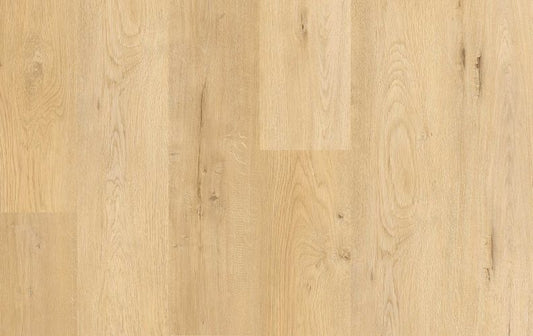
VaccuBond LVT DECKERED Heavy Commercial 22mil 3mm 9x48
Vendor:VaccuBond LVT$5.33 / sq. ft. $160.00 per carton · 30.0 sq. ft. / carton3.0mm22mil9x48 -
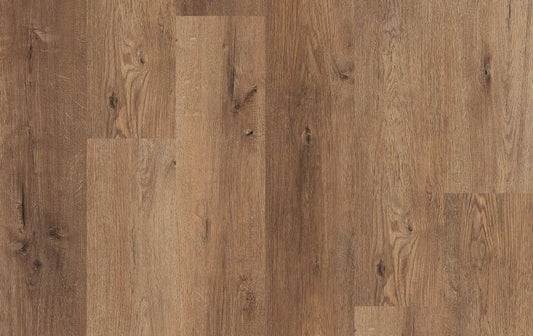
VaccuBond LVT ROBUSTO Heavy Commercial 22mil 3mm 9x48
Vendor:VaccuBond LVT$5.33 / sq. ft. $160.00 per carton · 30.0 sq. ft. / carton3.0mm22mil9x48 -
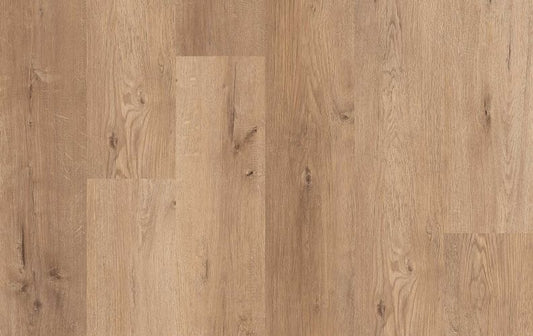
VaccuBond LVT Heavy Commercial Rustic Olive 22mil 3mm 9x48
Vendor:VaccuBond LVT$5.33 / sq. ft. $160.00 per carton · 30.0 sq. ft. / carton3.0mm22mil9x48 -
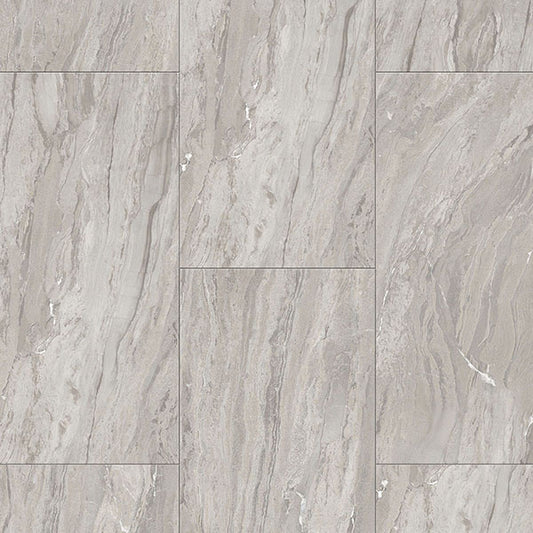
VaccuBond LVT Heavy Commercial Granite Grey 22mil 3mm 9x48
Vendor:VaccuBond LVT$5.33 / sq. ft. $160.00 per carton · 30.0 sq. ft. / carton3.0mm22mil9x48 -
Active Spaces - Reno | 20 mil 2.5mm 7.25x48 Glue Down LVP | Aperion
Vendor:Aperion$2.28 / sq. ft. $110.00 per carton · 48.34 sq. ft. / carton2.5mm20mil7x48 -
Active Spaces - Riviera Beach | 20 mil 2.5mm 7.25x48 Glue Down LVP | Aperion
Vendor:Aperion$2.28 / sq. ft. $110.00 per carton · 48.34 sq. ft. / carton2.5mm20mil7x48 -
Rockwell Bradford 30mil 3mm 12x24 Tile Look LVT | Infinity Floors
Vendor:Infinity Floor$2.13 / sq. ft. $64.00 per carton · 30.03 sq. ft. / carton3.0mm30mil12x24 -
VaccuBond LVT DESERT SAND Heavy Commercial 22mil 3mm 9x48
Vendor:VaccuBond LVT$5.33 / sq. ft. $160.00 per carton · 30.0 sq. ft. / carton3.0mm22mil9x48 -
VaccuBond LVT Heavy Commercial Starboard 22mil 3mm 9x48
Vendor:VaccuBond LVT$5.33 / sq. ft. $160.00 per carton · 30.0 sq. ft. / carton3.0mm22mil9x48 -
VaccuBond LVT Light Commercial Granite Grey 2.5mm 12mil 9x48
Vendor:VaccuBond LVT$3.89 / sq. ft. $140.00 per carton · 36.0 sq. ft. / carton2.5mm12mil9x48 -
VaccuBond LVT Light Commercial Rustic Olive 2.5mm 12mil 9x48
Vendor:VaccuBond LVT$3.89 / sq. ft. $140.00 per carton · 36.0 sq. ft. / carton2.5mm12mil9x48 -
VaccuBond LVT Light Commercial Starboard 2.5mm 12mil 9x48
Vendor:VaccuBond LVT$3.89 / sq. ft. $140.00 per carton · 36.0 sq. ft. / carton2.5mm12mil9x48 -
Formalay - Contour Flex | 20mil 5mm 9x60 Looselay LVP | Lions Floor
Vendor:Lions Floor$3.29 / sq. ft. $74.00 per carton · 22.5 sq. ft. / carton5.0mm20mil9x60 -
Formalay - StrataView | 20mil 5mm 9x60 Looselay LVP | Lions Floor
Vendor:Lions Floor$3.29 / sq. ft. $74.00 per carton · 22.5 sq. ft. / carton5.0mm20mil9x60 -
Formalay - Apex Form | 20mil 5mm 9x60 Looselay LVP | Lions Floor
Vendor:Lions Floor$3.29 / sq. ft. $74.00 per carton · 22.5 sq. ft. / carton5.0mm20mil9x60 -
Rockwell Hudson 30mil 3mm 12x24 Tile Look LVT | Infinity Floors
Vendor:Infinity Floor$2.13 / sq. ft. $64.00 per carton · 30.03 sq. ft. / carton3.0mm30mil12x24





Commercial Flooring for Tenant Improvements
Commercial flooring for tenant improvements must balance performance, design, installation logistics, project budget, and the future needs of the occupied space. Office renovations, retail buildouts, professional suites, hospitality interiors, and mixed-use projects can each require a different flooring strategy.
Glue-down LVT, commercial vinyl, and carpet tile provide flexible options for tenant-improvement projects. These categories offer numerous colors, formats, wear layers, and installation systems, allowing project teams to coordinate flooring with the intended use of each area.
Products should only be included when they have documented commercial approval, applicable warranty coverage, and complete installation specifications.
Flooring Priorities for Tenant Improvements
A tenant-improvement flooring package may need to address:
- Commercial traffic
- Project schedule
- Existing floor heights
- Door and transition clearances
- Subfloor preparation
- Moisture conditions
- Installation phasing
- Furniture and equipment
- Future replacement
- Cleaning and maintenance
- Design requirements
- Commercial warranty coverage
The lowest material price does not always produce the lowest completed project cost. Preparation, adhesive, installation labor, transitions, waste, maintenance, and potential downtime all influence the total result.
Glue-Down LVT for Commercial Renovations
Glue-down LVP is frequently considered for tenant improvements because it creates a stable, low-profile installation over a properly prepared substrate.
Potential advantages include:
- Direct-bond stability
- Low finished-floor height
- Multiple wood and stone visuals
- Commercial wear-layer options
- Defined adhesive systems
- Suitability for large connected areas where approved
- Localized replacement potential
- Easier coordination with certain adjoining surfaces
The installation depends on proper moisture testing, pH evaluation, patching, leveling, adhesive selection, rolling, and curing.
Thick Glue-Down LVT
Some projects benefit from a thicker glue-down construction. 5mm glue-down LVT provides a more substantial resilient-flooring profile while retaining direct-bond installation.
A thicker product should still be evaluated for:
- Transition height
- Door clearance
- Adhesive requirements
- Rolling loads
- Subfloor preparation
- Commercial warranty
- Room approval
Thickness alone does not determine performance, so the complete specification remains essential.
Wide and Long Commercial Planks
Wide, long planks can create an upscale visual in offices, boutiques, reception areas, hospitality spaces, and professional suites. Fewer visible seams may also help larger rooms feel more continuous.
The 9x60 glue-down LVT collection includes qualifying wide, five-foot formats for projects seeking more substantial wood-look proportions.
Large planks can make subfloor flatness especially important. Preparation requirements should be confirmed before material is ordered.
Carpet Tile for Offices and Flexible Spaces
Carpet tile can support office areas, conference rooms, administrative spaces, and selected retail environments.
Potential advantages include:
- Modular installation
- Individual tile replacement
- Pattern and zoning options
- Commercial constructions
- Flexible design layouts
- Easier access planning in selected raised-floor applications
- Coordination with resilient flooring
Carpet tile should be evaluated according to backing, fiber, adhesive, rolling traffic, cleaning procedures, transition height, and warranty.
Commercial-Grade Vinyl Options
Commercial-grade vinyl flooring provides a broader selection for offices, retail spaces, rentals, multifamily projects, and other commercial interiors.
Compare products using:
- Commercial-use classification
- Wear layer
- Total thickness
- Installation method
- Plank dimensions
- Surface finish
- Warranty term
- Maintenance requirements
- Lead time and availability
Coordinating Different Flooring Areas
Many tenant improvements use more than one flooring material. Glue-down LVT may be selected for corridors and reception spaces, while carpet tile serves private offices or meeting rooms.
Successful coordination requires attention to:
- Finished flooring heights
- Transition profiles
- Door clearances
- Color and pattern continuity
- Installation sequence
- Adhesive compatibility
- Wall-base details
- Replacement inventory
Selecting products with compatible thicknesses can reduce transition complexity, but every junction should be detailed before installation.
Project Scheduling and Material Planning
Commercial schedules often involve multiple trades working in the same area. Flooring should be installed only when the space meets the manufacturer’s environmental and substrate requirements.
Confirm:
- Product availability.
- Production-lot quantities.
- Freight and delivery timing.
- Site storage conditions.
- Subfloor-testing schedule.
- Preparation responsibilities.
- Adhesive delivery.
- Installation sequence.
- Cure and traffic times.
- Protection after installation.
Extra material should be retained for future repairs, especially when colors or product lines may change.
Frequently Asked Questions
What flooring is commonly used for tenant improvements?
Glue-down LVT, commercial vinyl, and carpet tile are commonly considered because they provide commercial specifications, design flexibility, and multiple installation options.
Why is glue-down LVT useful for tenant improvements?
Its low-profile direct-bond installation can provide stability and simplify coordination with certain doors, transitions, and adjoining floors.
Can carpet tile and LVT be used in the same project?
Yes. They can serve different functional zones when their heights, transitions, adhesives, colors, and installation schedules are properly coordinated.
Is thicker commercial flooring always better?
No. Thickness affects the product profile, but wear layer, construction, installation, warranty, and room suitability are equally important.
How much extra flooring should be ordered?
The installer should calculate waste according to room shape, plank direction, pattern, cuts, and repair requirements. Additional attic stock may also be appropriate.
Should commercial warranty approval be confirmed before ordering?
Yes. The exact product must be approved for the intended space, traffic, installation method, and maintenance program.
Explore related flooring
Browse related flooring collections, brands and styles before making your final choice.